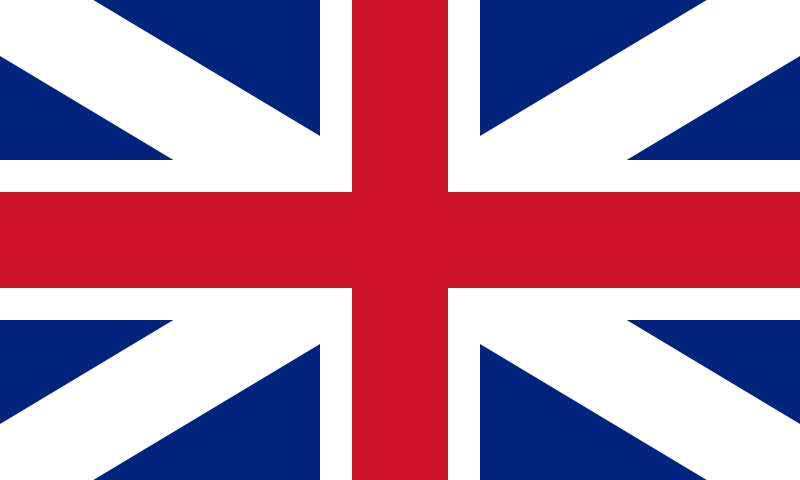
File:Flag_of_Great_Britain_(1707–1800).svg · Wikimedia Commons · See Wikimedia Commons
British America
Sign in to saveformer British territories in North America
Key facts
- Status
- Colonies of England , (1607–1707) , Colonies of Scotland , (1629–1632) , Colonies of Great Britain , (1707–1783)
- Religion
- Anglicanism Protestantism
- Government
- Monarchy with various colonial arrangements
- 1607 1625 first
- James VI and I
- 1760 1783 last
- George III
- American revolutionary war
- 1775–1783
- Currency
- Pound sterling , Spanish dollar , bills of credit , commodity money , and many local currencies
via Wikipedia infobox
Wikidata facts
- Instance of
- dependent territory
- Religion
- Church of England
- Country
- British Empire
- Located in
- Kingdom of Great Britain
- Continent
- North America
- Capital
- London
- Official language
- English language
- Currency
- pound sterling
- Anthem
- God Save the King
Show 7 more facts
- inception
- 1607-00-00
- dissolved, abolished or demolished date
- 1783-01-01
- replaces
- English overseas possession
- replaced by
- British North America
- topic's main category
- Category:British colonization of the Americas
- Commons category
- British America
Sources (2)
via Wikidata · CC0
~40 min read
Encyclopedic overview
British America was part of the global British Empire, comprising colonies of the Kingdom of Great Britain, and its predecessor state, the Kingdom of England. English overseas possessions in the Americas were separate colonies primarily in North America and various Caribbean islands. Following the American War of Independence (1775-1783), thirteen of its mainland North American colonies became the United States of America, with Britain retaining its northern mainland colonies in Canada, The Floridas, and islands in the Caribbean.
England made its first attempts at colonization in the Americas in 16th century. From 1607, numerous permanent English settlements were made, ultimately reaching from Hudson Bay, to the Mississippi River and the Caribbean Sea. Much of these territories were occupied by indigenous peoples, whose populations declined due to epidemics, wars, and massacres. In the Atlantic slave trade, England and other European empires shipped Africans to the Americas for labor in their colonies. Slavery became essential to colonial production, as on Barbados, Jamaica, and other sugar islands.
Excerpted from Wikipedia’s “British America” article, available under the CC BY-SA 4.0 licence.