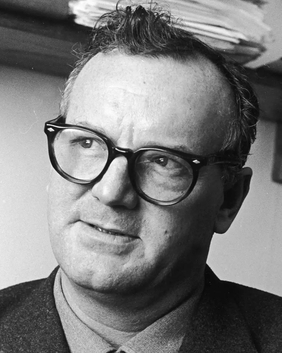
File:C._Wright_Mills_(1916–1962).jpg · Wikimedia Commons · See Wikimedia Commons
Charles Wright Mills
Sign in to savesociólogo estadounidense
C. Wright Mills was an influential American sociologist in the mid-20th century who developed influential critiques of power, bureaucracy, and social inequality in modern society. His work matters because he shaped how sociologists and the public think about who holds power in America and how institutions affect ordinary people's lives.
AI-generated from the Wikipedia summary — may contain errors.
Wikidata facts
- Instance of
- human
- Family name
- Mills
- Gender
- male
- Citizenship
- United States
- Place of birth
- Waco
- Place of death
- Nyack
- Occupation
- university teacher
- Educated at
- Columbia University
- Employer
- University of Maryland
- Languages spoken
- English language
- Notable work
- The Power Elite
- Field of work
- sociology
- Official website
- www.cwrightmills.org
- Image
- C. Wright Mills.jpg
Show 8 more facts
- Commons category
- Charles Wright Mills
- cause of death
- myocardial infarction
- date of birth
- 1916-08-28
- date of death
- 1962-03-20
- manner of death
- natural causes
- personal library at
- Harry Ransom Center
- on focus list of Wikimedia project
- Wikipedia:Vital articles/Level/4
- different from
- Charles Mills
Sources (7)
via Wikidata · CC0
Article · Español
Charles Wright Mills (28 de agosto de 1916, Waco Texas – 20 de marzo de 1962, West Nyack, Nueva York) fue un sociólogo estadounidense. Es mayormente recordado por su libro de 1959 La imaginación sociológica, en donde expone una mirada de la relación entre biografía e historia, teoría y método, en el conocimiento sociológico. También es reconocido por haber estudiado la estructura de poder en los Estados Unidos en su libro titulado (1956). Mills se enfocó en las responsabilidades de los intelectuales de la sociedad posterior a la Segunda Guerra Mundial, y aportó relevancia y compromiso a través de observaciones académicas que no habían sido tratadas con interés, considerando a estas responsabilidades como un aparato de inteligencia pública (public intelligence apparatus) que desafiara las políticas de las tres élites institucionales: Economía, Política y Militar.
Abstract from DBpedia / Wikipedia · CC BY-SA