
File:César_Franck_by_Pierre_Petit.jpg · Wikimedia Commons · See Wikimedia Commons
César Franck
Sign in to saveAlso known as Cesar Franck, César-Auguste-Jean-Guillaume-Hubert Franck, Cesar-Auguste-Jean-Guillaume-Hubert Franck, César Auguste Jean Guillaume Hubert Franck
Belgian-French composer and organist (1822–1890)
César Franck was a Belgian-French composer and organist who lived from 1822 to 1890 and created significant works during the Romantic era. He is remembered as an important figure in classical music history, known for his contributions to both composition and organ performance.
AI-generated from the Wikipedia summary — may contain errors.
Wikidata facts
- Instance of
- human
- Given name
- Hubert
- Gender
- male
- Citizenship
- France
- Place of birth
- Liège
- Place of death
- boulevard Saint-Michel
- Occupation
- teacher
- Educated at
- Royal Conservatory of Liège
- Employer
- Conservatoire de Paris
- Languages spoken
- French
- Notable work
- Symphony in D minor
- Student of
- Henri-Jean Rigel
- Genre
- classical music
- Instrument
- pipe organ
- Official website
- www.cesar-franck.org
- Image
- César Franck by Pierre Petit.jpg
- Work location
- Paris
Show 11 more facts
- name in native language
- César Franck
- P8168
- Gonzalo Rojas
- place of burial
- Montparnasse Cemetery
- Commons category
- César Franck
- date of birth
- 1822-12-10
- birth name
- César Auguste Jean Guillaume Hubert Franck
- date of death
- 1890-11-08
- manner of death
- natural causes
- cause of death
- pleural effusion
- writing language
- French
- Commons Creator page
- César Franck
Sources (7)
via Wikidata · CC0
Works in European collections
35 objects attributed to César Franck, held across European museums, libraries & archives · via Europeana
Panis angelicus [Música notada] :]extrait de la Messe solennelle
Panis angelicus [Música notada] :]extrait de la Messe solennelle
![Panis angelicus: (avec orgue)/[César Franck]](https://api.europeana.eu/thumbnail/v2/url.json?uri=http%3A%2F%2Fmedia.slub-dresden.de%2Ffon%2Fsnp%2Fb%2F006297%2Ffon_snp_b_006297_02.jpg&type=IMAGE)
Panis angelicus: (avec orgue)/[César Franck]

Panis angelicus (O Lord most holy)/(Franck)

Panis angelicus (O Lord most holy)/Franck

Panis angelicus/(Cesar Franck)
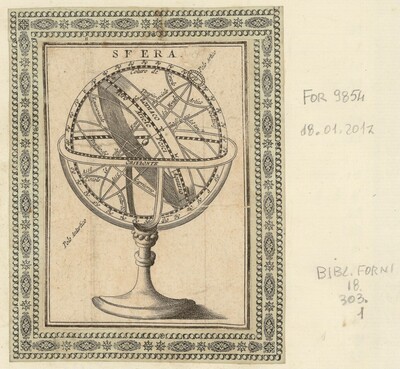
SFERA
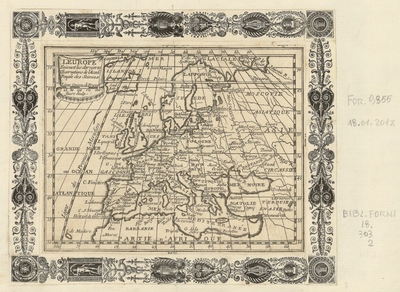
L'EUROPE Suivant les dermieres Observations de l'Acad-(emie) Royale des Sciences. faure Sculp.(sit)
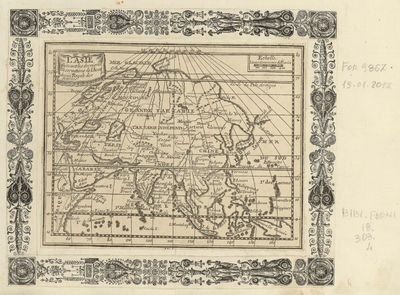
L'ASIE Suivants les dernieres Observations de l'Accademie Royale des Sciences.
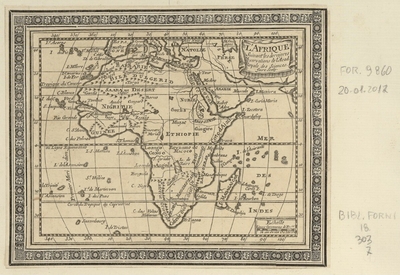
L'AFRIQUE Suivant les dernieres Observations de l'Acad.(emie) Royale des Sciences. faire Sculp.(sit)
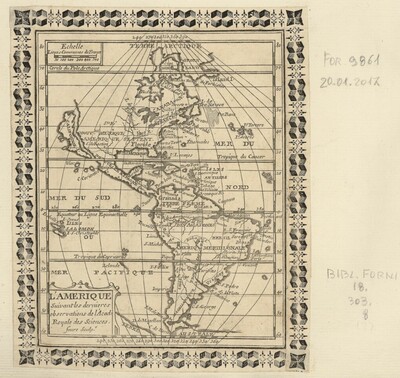
L'AMERIQUE Suivant les dernieres observations de l'Acad.(emie) Royale des Sciences. faure Sculp.(si)t
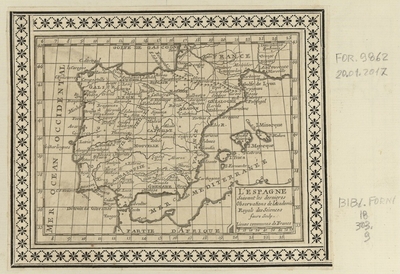
L'ESPAGNE Suivant les dernieres Observations de l'Academie Royale des Sciences faure Sculp.(sit)
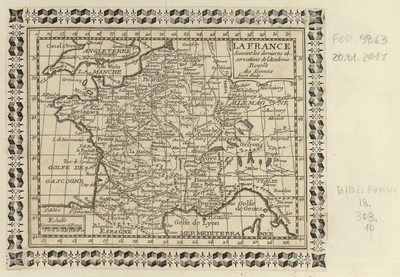
LA FRANCE Suivant les dernieres observations de l'Academie Royalle des Sciences faure Sculp.(sit)
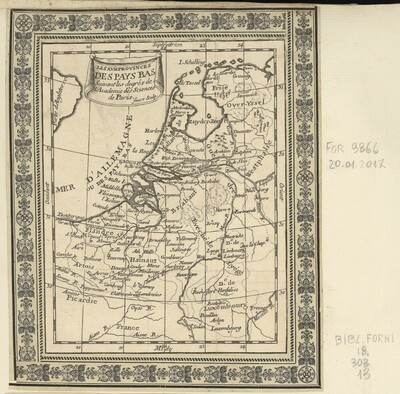
LES XVII PROVINCES DES PAYS BAS Suivant les degrés de l'Academie des Sciences de Paris faure Sculp.(sit)
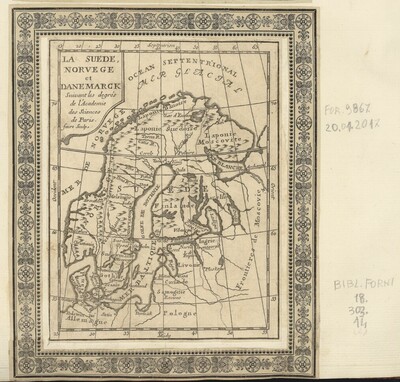
LA SUEDE, NORVEGE et DANEMARCK Suivant les degrés de l'Academie des Sciences de Paris faure Sculp.(sit)
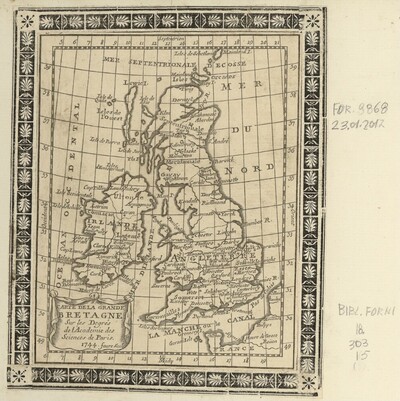
CARTE DELA GRANDE BRETAGNE Sur les Degrés de l'Academie des Sciences de Paris. 1744. faure Sculp.(sit)
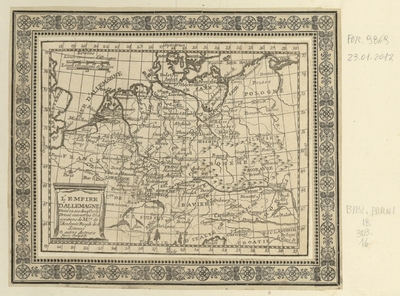
L'EMPIRE D'ALLEMAGNE Divisé en ses deux Cercles Dressé suivant les Observations de M(onsieu)rs. De l'Academie Royale des Sciences e autres Auteurs faure Sculpsit.
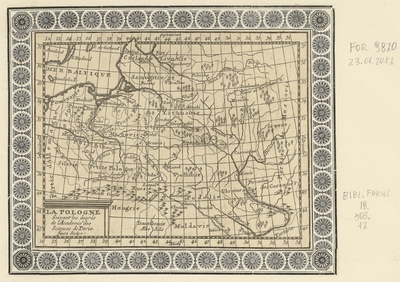
LA POLOGNE Suivant les degrés de l'Academie des Sciences de Paris. faure Sculp(sit).
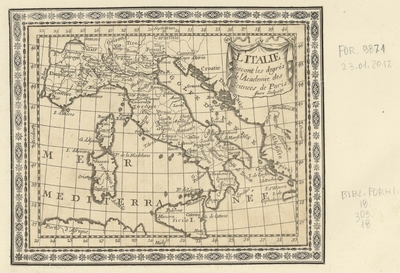
L'ITALIE Suivant les degrés de l'Academie des Sciences de Paris. faure Sculpsit.
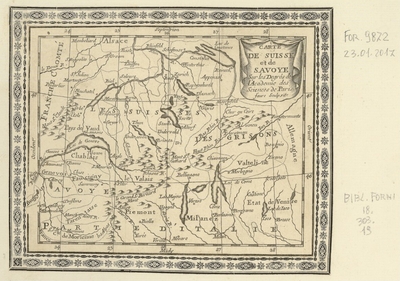
CARTE DE SUISSE et de SAVOYE Sur les Degrès de l'Academie des Sciences de Paris. faure Sculpsit.
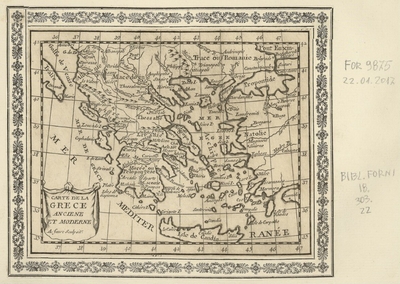
CARTE DE LA GRECE ANCIENE ET MODERNE A. faure Sculpsit.
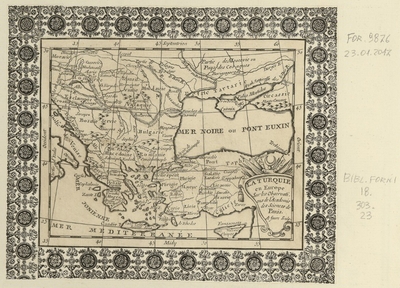
LA TURQUIE en Europe Sur le Observations de l'Academie des Sciences de Paris A. faure Sculp.(sit)
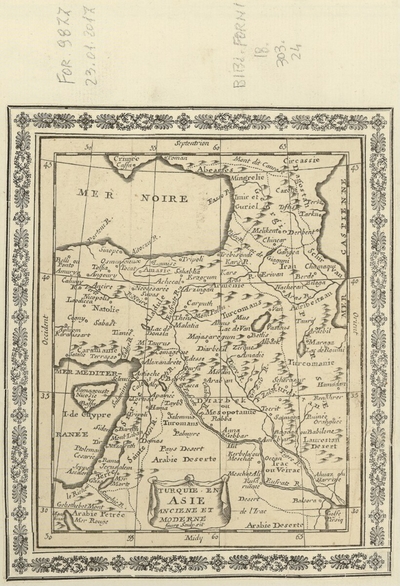
TURQUES EN ANCIENE ET MODERNE faure Sculp.sit
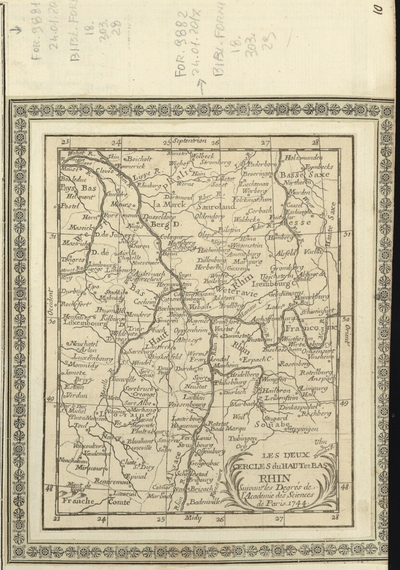
LES DEUX CERCLES du HAUT et BAS RHIN Suivant les Degrés de l'Academie des Sciences de Paris. 1744.
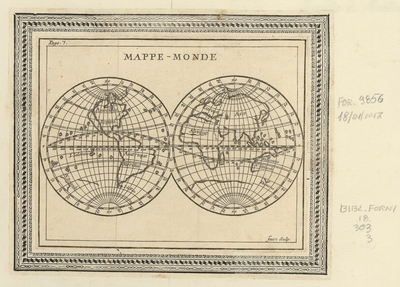
MAPPE - MONDE
Untitled
Untitled
Untitled
Untitled
Untitled

Untitled

Untitled

Untitled
Untitled
Untitled
~40 min read
Encyclopedic overview
César Auguste Jean Guillaume Hubert Franck ( French: [sezaʁ oɡyst ʒɑ̃ ɡijom ybɛʁ fʁɑ̃k]; 10 December 1822 – 8 November 1890) was a French Romantic composer, pianist, organist, and music teacher born in present-day Belgium.
He was born in Liège (which at the time of his birth was part of the United Kingdom of the Netherlands). He gave his first concerts there in 1834 and studied privately in Paris from 1835, where his teachers included Anton Reicha. After a brief return to Belgium, and a disastrous reception of an early oratorio Ruth, he moved to Paris, where he married and embarked on a career as teacher and organist. He gained a reputation as a formidable musical improviser, and travelled widely within France to demonstrate new instruments built by Aristide Cavaillé-Coll.
Excerpted from Wikipedia’s “César Franck” article, available under the CC BY-SA 4.0 licence.