Charlotte Cushman
Sign in to saveAlso known as Charlotte Saunders Cushman
American actress (1816–1876)
Person · Open Library
- Born
- 1816
- Died
- 1876
- Works
- 13
Top works
- Shakespeare's tragedy of Macbeth
- The carmelites, or The convent belles
- Miss Charlotte Cushman
- Theater playbill for Miss Charlotte Cushman in "Oliver Twist" and "Jenny Lind" at the Washington Theater, February 19, 1861
- Theater playbill for Miss Charlotte Cushman in "The Stranger" and "Simpson & Co" at the Washington Theater, February 15, 1861
via Open Library + Wikidata
Described at
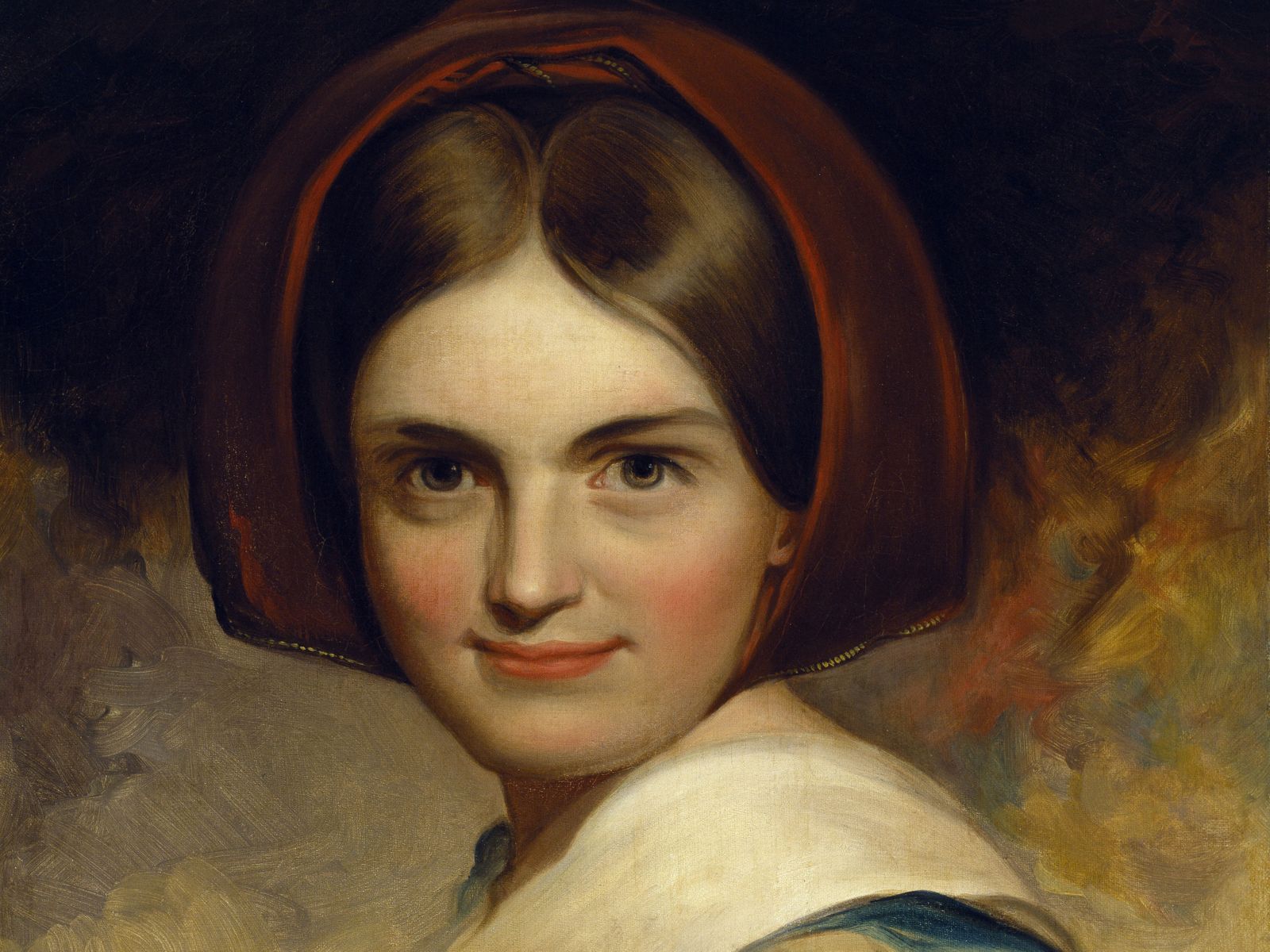
Charlotte Cushman Broke Barriers on Her Way to Becoming the A-List Actress of the 1800s
In the role of a lifetime, the queer performer was one of the first practitioners of 'method' acting
getpocket.com →“Stella!” cries Marlon Brando, his contorted face and bared chest an eloquent advertisement for thwarted love. We typically associate “method” acting with mid-20th-century names like Brando and Lee Strasberg or, if we are theater nerds, with Stanislavsky and the Moscow Art Theatre. But the seeds of this transformative approach to theatre, where actors draw on personal experience to evoke more realistic performances, were sown much earlier, in the 19th-century of writer Walt Whitman. In the 1840s, before he became a renowned poet, Whitman was a theatre aficionado and wrote about New York plays and actors in his columns for the Brooklyn Daily Eagle . One evening he saw a new production of Charles Dickens’ Oliver Twist at the prestigious Park Theatre in downtown Manhattan and was amazed by a young actress named Charlotte Cushman who was cast in the role of the prostitute, Nancy. Cushman’s performance was “the most intense acting ever felt on the Park boards” Whitman wrote, and no one who saw her could help but marvel at “the towering grandeur of her genius.” This illuminating and enthralling biography of 19th-century queer actress Charlotte Cushman portrays her radical lifestyle that riveted New York City and made headlines across America. Cushman came up with a plan, and without telling anyone she ventured into New York’s infamous Five Points neighborhood where most of the city’s prostitutes actually lived. Similar in size and squalor to the slums Dickens evoked in Oliver Twist , Five Points housed the city’s immigrant poor, and it was where most young single women arrived and later died as women of ill repute. With very few jobs available to women, most who had no independent means or family to return to were forced into the sex trade. They were reviled by New York’s politicos but visited by many of the same men who decried them in the newspapers and pulpits. Five Points was also home to the infamous “gangs of new york, ” loose associations of boys and young men with names like “the dead rabbits.” A woman would rarely go there unless she was a dedicated social reformer, and she would definitely not go there alone without telling anyone where she was. Charles Dickens called the residents of five points to “animals.” Walt Whitman, on the other hand, saw the neighborhood as nurturing “the Republic’s most needed asset, the wealth of stout poor men who will work.” Walking alone along the same streets Whitman frequented, among the smell of roasted corn and the cries of the “hot corn girls,” Cushman would have heard music spilling out onto the street from nearly every bar and public house, and a new kind of percussive dancing born in Five Points called “tap.” When she got thirsty, she could buy a lemonade or shandy from a German street vendor or eat cheap oysters shucked in front of her eyes. Cushman stayed in Five Points for several days, and when she emerged she had traded her clothes with a dying prostitute. These rags became her costume for Nancy. On the night of her first performance, she hid in her dressing room and emerged fully transformed. But it was what she did next that amazed everyone. Nancy’s death scene was usually played offstage. Bill Sikes would pull her offstage and the audience would hear only the simulated sound of a gunshot. But Cushman’s Nancy wasn’t going out like that. She had planned with her co-star to perform Nancy’s death onstage. Sykes dragged her around by her hair, the audience screaming at him to let her go. He beat and abused her, but Cushman, bloodied, fought back. With her powerful physique it would have seemed possible that she might overcome her attacker, and Dickens’ story was only a few years old, so many in the audience would not yet know her fate. When Sikes finally killed Nancy on stage, in full view of the audience, the sound was “like a Handel festival chorus,” wrote the journalist John Hollingshead in his memoirs, deafening and rising as one to curse Sikes and wail for poor Nancy. C
Excerpt from a page describing this subject · 13,002 chars · not written by Vinony
Wikidata facts
- Instance of
- human
- Given name
- Charlotte
- Gender
- female
- Citizenship
- United States
- Place of birth
- Boston
- Place of death
- Boston
- Spouse
- Emma Stebbins
- Sibling
- Susan Webb Cushman
- Occupation
- stage actor
- Languages spoken
- English language
- Image
- Charlotte Cushman ambrotype (cropped).jpg
- Voice type
- soprano
Show 9 more facts
- place of burial
- Mount Auburn Cemetery
- Commons category
- Charlotte Cushman
- date of birth
- 1816-07-23
- date of death
- 1876-02-18
- cause of death
- pneumonia
- described by source
- Encyclopædia Britannica 11th edition
- manner of death
- natural causes
- name in native language
- Charlotte Cushman
via Wikidata · CC0