Encyclopedia of Life · EOL (see source)
chiselmouth
Sign in to saveAlso known as Acrocheilus alutaceus
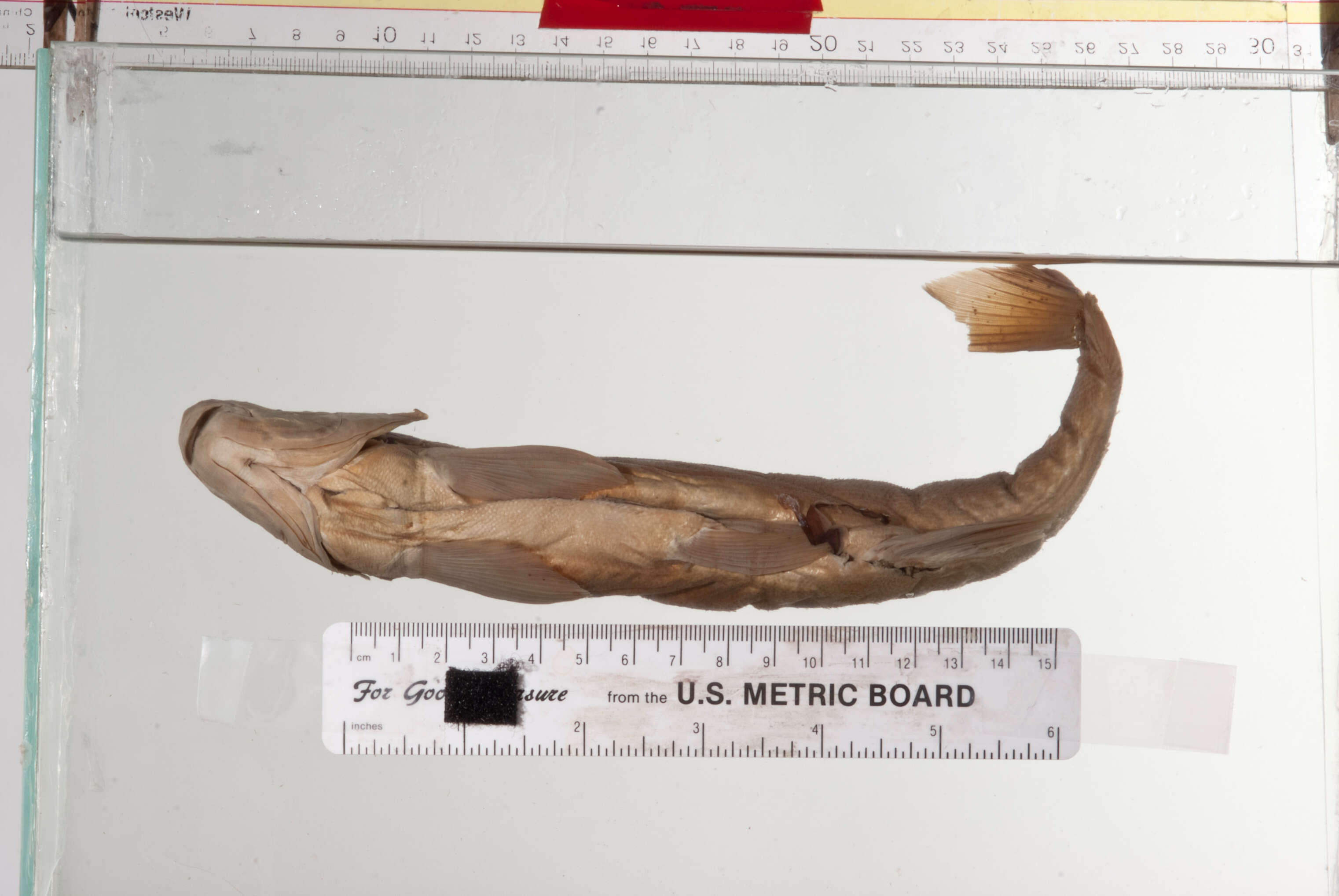
The chiselmouth (Gila alutacea) is a species of freshwater ray-finned fishes belonging to the family Leuciscidae. This fish is found in western North America. It is named for the sharp hard plate on its lower jaw, which is used to scrape rocks for algae.
Species
Least Concernchiselmouth
Species
- PhylumChordata
- ClassTeleostei
- OrderCypriniformes
- FamilyCyprinidae
美洲銳唇鯛(学名:Acrocheilus alutaceus)为輻鰭魚綱鯉形目鲤科的其中一種,分布於北美洲加拿大卑詩省及美國奧勒岡州、華盛頓州、愛達荷州及內達華州,棲息於在沙與碎石上的流動潭水與支流;也在湖的邊緣中出現。成魚主要以矽藻為食;幼魚則捕食水面的昆蟲,體長可達30公分,可做為食用魚。
via IUCN
Wikidata facts
- Instance of
- taxon
- Parent taxon
- Acrocheilus
- Image
- Acalu j0.jpg
Show 6 more facts
- taxon rank
- species
- taxon name
- Acrocheilus alutaceus
- IUCN conservation status
- Least Concern
- taxon common name
- Chiselmouth
- Commons category
- Acrocheilus alutaceus
- short name
- A. alutaceus
Sources (1)
via Wikidata · CC0
~3 min read
Encyclopedic overview
5 sectionsContents
- Taxonomy
- Description
- Distribution and habitat
- Diet
- References
The chiselmouth (Gila alutacea) is a species of freshwater ray-finned fishes belonging to the family Leuciscidae. This fish is found in western North America. It is named for the sharp hard plate on its lower jaw, which is used to scrape rocks for algae.
==Taxonomy== The chiselmouth was first formally described as Acrocheilus alutaceus in 1855 by Louis Agassiz and Charles Pickering with its type locality given as Willamette Falls, Oregon City, Clackamas County, Oregon and Wallawalla River at Whitman, then part of Walla Walla County. Agassiz and Pickering classified this species in the genus Acrocheilus, of which it was considered the only extant species. In addition to A. alutaceus, an extinct species, Acrocheilus latus (Cope, 1870) is known from the Late Miocene and Early Pliocene-aged Glenns Ferry & Ringold Formation of Idaho and Washington. Acrocheilus is now considered to be a synonym of Gila, within the subfamily Laviniinae of the family Leuciscidae.
Excerpted from Wikipedia’s “chiselmouth” article, available under the CC BY-SA 4.0 licence.
Available in 14 languages
via Wikidata sitelinks · CC0