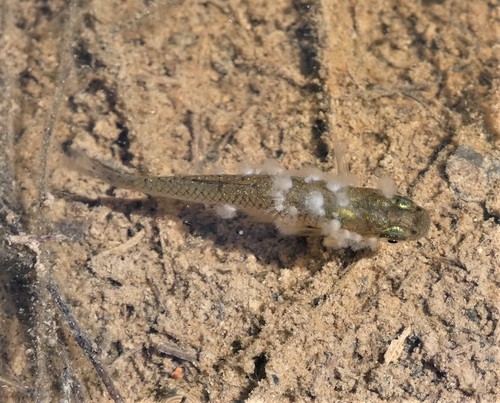
(c) Scott W. Gavins, some rights reserved (CC BY-NC), uploaded by Scott W. Gavins · cc-by-nc
Flavobacterium
Sign in to saveFlavobacterium is a genus of Gram-negative, nonmotile and motile, rod-shaped bacteria that consists of 130 recognized species. Flavobacteria are found in soil and fresh water in a variety of environments. Several species are known to cause disease in freshwater fish.
Species
フラボバクテリウム属
GENUS
- KingdomBacteria
- PhylumBacteroidota
- ClassBacteroidia
- OrderFlavobacteriales
- FamilyFlavobacteriaceae
via GBIF
Museum specimens
- Specimen records
- 1
- Family
- Flavobacteriaceae
- Collections
- CIIDIR-IPN
- Recorded in
- Mexico
Research
5,345 papers- Cytophaga-flavobacterium gliding motility.Journal of molecular microbiology and biotechnology · 2004
- Flavobacterium inviolabile sp. nov. isolated from stream water.Archives of microbiology · 2021
- Flavobacterium psychrophilum infections in salmonid fish.Journal of fish diseases · 2003
- Flavobacterium nackdongense sp. nov., a cellulose-degrading bacterium isolated from sediment.Archives of microbiology · 2020
- Flavobacterium poyangense sp. nov., an ammonifying bacterium isolated from a freshwater lake.International journal of systematic and evolutionary microbiology · 2024
via PubMed
Wikidata facts
- Instance of
- taxon
- Parent taxon
- Flavobacteriaceae
- Image
- Juvenile chinook bcwd.jpg
Show 5 more facts
- taxon rank
- genus
- taxon name
- Flavobacterium
- Gram staining
- gram-negative bacteria
- Commons category
- Flavobacterium
Sources (2)
via Wikidata · CC0
~5 min read
Encyclopedic overview
2 sectionsContents
- Species
- References
Flavobacterium is a genus of Gram-negative, nonmotile and motile, rod-shaped bacteria that consists of 130 recognized species. Flavobacteria are found in soil and fresh water in a variety of environments. Several species are known to cause disease in freshwater fish.
Flavobacterium psychrophilum causes the bacterial cold water disease on salmonids and the rainbow trout fry disease on rainbow trout. F. columnare causes the cotton-wool disease on freshwater fishes. F. branchiophilum causes the bacterial gill disease on trout. Another member of this genus, F. okeanokoites is the original source for the type IIs restriction endonuclease FokI, used in Zinc finger nucleases and TALENs.
Excerpted from Wikipedia’s “Flavobacterium” article, available under the CC BY-SA 4.0 licence.