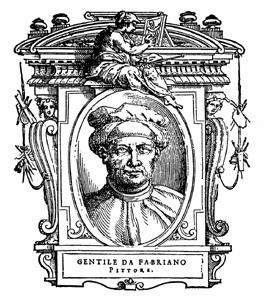
File:056_le_vite,_gentile_da_fabriano.jpg · Wikimedia Commons · See Wikimedia Commons
Gentile da Fabriano
Sign in to saveAlso known as Gentile di Niccolò di Massio da Fabriano, Gentile di Niccolo di Giovanni Massi, Gentilino da Fabriano, Gentile di Niccolò di Giovanni Mossi, Gentile di Niccolò di Giovanni Massi, Gentile Di Niccolo Di Giovanni Massi, Gentile di Niccolo di Massio da Fabriano, Gentile di Niccolo di Giovanni Mossi
Italian painter (1370–1427)
Key facts
- Born
- Gentile di Nicolò di Giovanni , c. 1370 , Fabriano , Papal States
- Died
- 1427 (1427-00-00) (aged 56–57), Rome , Papal States
- Known for
- Painting
- Notable work
- Adoration of the Magi
- Movement
- International Gothic
via Wikipedia infobox
Wikidata facts
- Instance of
- human
- Gender
- male
- Place of birth
- Fabriano
- Place of death
- Rome
- Languages spoken
- Italian
- Student of
- Altichiero
- Field of work
- painting
- Image
- 056 le vite, gentile da fabriano.jpg
Show 10 more facts
- Commons category
- Gentile da Fabriano
- has works in the collection
- Museum of John Paul II Collection
- date of birth
- 1370-00-00
- date of death
- 1427-00-00
- Commons Creator page
- Gentile da Fabriano
- described by source
- Encyclopædia Britannica 11th edition
- topic's main category
- Category:Gentile da Fabriano
- student
- Domenico Veneziano
- name
- Gentile da Fabriano
- name in native language
- Gentile da Fabriano
via Wikidata · CC0
Works in European collections
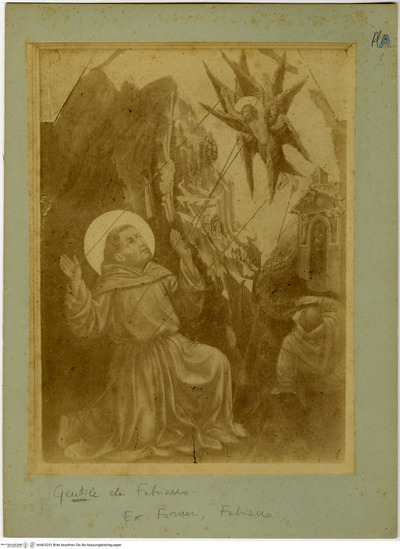
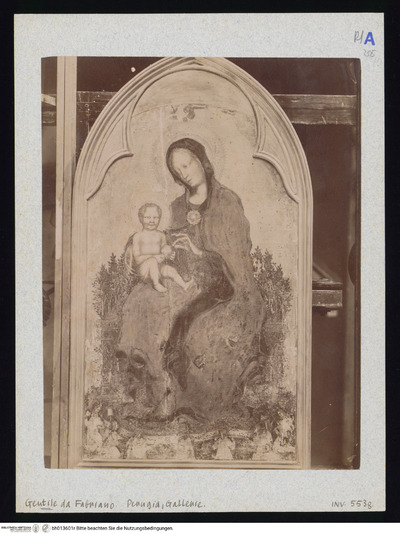
13 objects attributed to Gentile da Fabriano, held across European museums, libraries & archives · via Europeana

~8 min read
Encyclopedic overview
Gentile da Fabriano (c. 1370 – 1427) was an Italian painter known for his participation in the International Gothic pictorial style. He worked in various places in central Italy, mostly in Tuscany.
His best-known works are his Adoration of the Magi from the Strozzi Altarpiece (1423), and the Flight into Egypt. Following a visit to Florence in 1419, he came in contact with humanism, which influenced his work throughout the rest of his career. He became highly influential on other painters in Florence, especially with his detailed representations inspired by his observations of the natural world.
Excerpted from Wikipedia’s “Gentile da Fabriano” article, available under the CC BY-SA 4.0 licence.