Category
page 1Catholic painters

Michelangelo
Michelangelo di Lodovico Buonarroti Simoni (6March 147518February 1564), known mononymously as Michelangelo, was an Italian sculptor, painter, architect, and poet of the High Renaissance. He was born in the Republic of Florence but was mostly active in Rome from his 30s onwards. His work was inspired by models from classical antiquity and had a lasting influence on Western art. Michelangelo's creative abilities and mastery in a range of artistic arenas define him as an archetypal Renaissance man, along with his rival and elder contemporary, Leonardo da Vinci. Given the sheer volume of survivin

Salvador Dalí
Spanish artist (1904–1989)

Raphael
Raffaello Sanzio da Urbino (; March 28 or April 6, 1483April 6, 1520), now generally known in English as Raphael ( , ), was an Italian painter and architect of the High Renaissance. His work is admired for its clarity of form, ease of composition, and visual achievement of the Neoplatonic ideal of human grandeur. Together with Leonardo da Vinci and Michelangelo, he forms the traditional trinity of great masters of that period.

Albrecht Dürer
German painter, printmaker, mathematician, and theorist (1471-1528)

Peter Paul Rubens
Flemish painter (1577–1640)

Diego Velázquez
Spanish painter (1599-1660)

El Greco
Greek artist, painter, sculptor and architect (1541–1614)
%20edited.jpg)
Caravaggio
Michelangelo Merisi da Caravaggio (also Michele Angelo Merigi or Amerighi da Caravaggio; 29 September 1571 – 18 July 1610), known mononymously as Caravaggio, was an Italian painter active in Rome for most of his artistic life. During the final four years of his life, he moved between Naples, Malta, and Sicily. His paintings have been characterized by art critics as combining a realistic observation of the human state, both physical and emotional, with a dramatic use of lighting, which had a formative influence on Baroque painting.
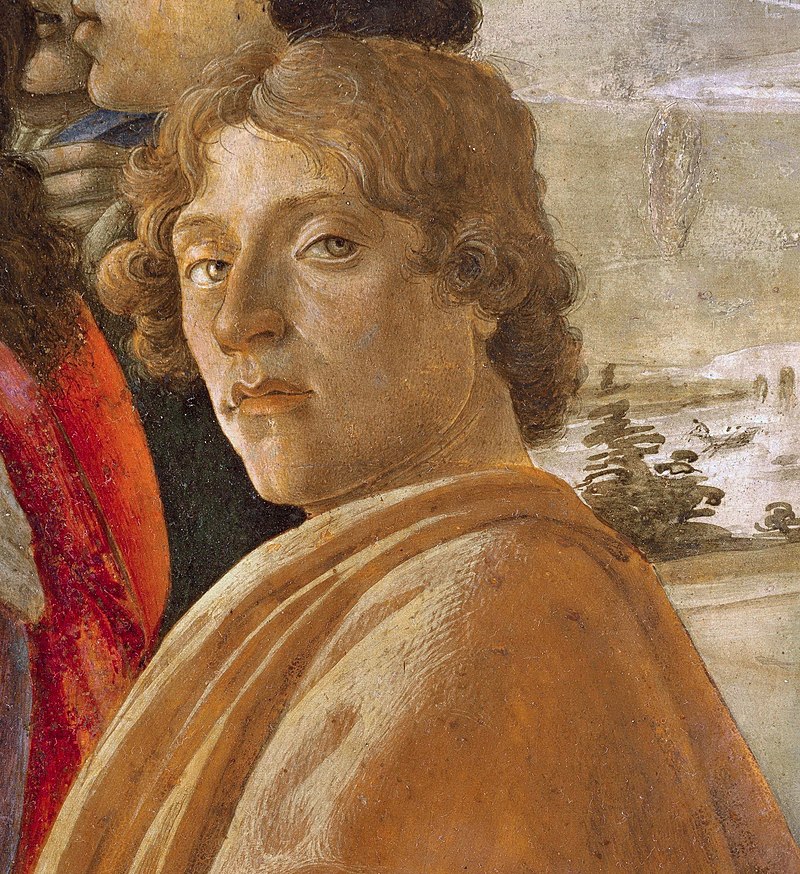
Sandro Botticelli
Italian painter (1445–1510)

Titian
Tiziano Vecellio (; 27 August 1576), Latinized as Titianus, hence known in English as Titian ( ), was an Italian Renaissance painter. The most important artist of Renaissance Venetian painting, he was born in Pieve di Cadore, near Belluno.

Giotto
Giotto di Bondone (; – January 8, 1337), known mononymously as Giotto, was an Italian painter and architect from Florence during the Late Middle Ages. He worked during the Gothic and Proto-Renaissance period. Giotto's contemporary, the banker and chronicler Giovanni Villani, wrote that Giotto was "the most sovereign master of painting in his time, who drew all his figures and their postures according to nature" and of his publicly recognized "talent and excellence". Giorgio Vasari described Giotto as making a decisive break from the prevalent Byzantine style and as initiating "the great art of

Hieronymus Bosch
Dutch painter (c. 1450–1516)

Pieter Brueghel the Elder
Flemish painter (1526–1569)

Giorgio Vasari
Italian painter, architect, writer and historian (1511-1574)

Jacopo Tintoretto
Jacopo Robusti (late September or early October 151831 May 1594), best known as Tintoretto ( ; ; ), was an Italian Renaissance painter of the Venetian school. His contemporaries both admired and criticised the speed with which he painted and the unprecedented boldness of his brushwork. For his phenomenal energy in painting he was termed . His work is characterised by muscular figures, dramatic gestures and bold use of perspective, in the Mannerist style.

Francisco de Zurbarán
Spanish painter (1598–1664)

Bartolomé Esteban Murillo
Spanish Baroque painter (1617–1682)

Gustave Doré
French illustrator and painter (1832–1883)

Paolo Veronese
Italian painter of the Renaissance (1528–1588)

Fra Angelico
Italian Early Renaissance painter

Giovanni Bellini
15th- and 16th-century Italian Renaissance painter (1430–1516)

Domenico Ghirlandaio
Italian Renaissance painter from Florence (1448–1494)

Artemisia Gentileschi
Italian Baroque painter (1593-1651)

Canaletto
Giovanni Antonio Canal (18 October 1697 – 19 April 1768), commonly known as Canaletto (), was an Italian painter from the Republic of Venice, considered an important member of the 18th-century Venetian school.

Piero della Francesca
Italian painter and mathematician (c. 1416–1492)

Andrea Mantegna
Italian Renaissance painter (1431-1506)

Giovanni Battista Tiepolo
Italian painter (1696–1770)

Pietro Perugino
Italian Renaissance painter of the Umbrian school (1448-1523)

Duccio di Buoninsegna
Duccio di Buoninsegna ( , ; – ), commonly known as just Duccio, was an Italian painter active in Siena, Tuscany, in the late 13th and early 14th century. He was hired throughout his life to complete many important works in government and religious buildings around Italy. Duccio is considered one of the greatest Italian painters of the Middle Ages, and is credited with creating the painting styles of Trecento Gothic style and the Sienese school.

Rogier van der Weyden
early Netherlandish painter (c. 1399–1464)

Andrea del Sarto
Italian painter (1486-1530)

Paolo Uccello
Italian painter (1397-1475)

Antonello da Messina
Italian Renaissance painter (1430–1479)

Antonio da Correggio
Italian Renaissance painter (1489–1534)

Guido Reni
Bolognese painter (1575–1642)

Charles Le Brun
17th-century French painter and art theorist (1619—1690)

Simone Martini
Italian painter

Filippo Lippi
Italian Renaissance painter (c. 1406–1469)

Matthias Grünewald
German Renaissance painter (c.1480–1528)

Anton Raphael Mengs
German-Bohemian painter active in Dresden, Rome and Madrid (1728-1779)

Pontormo
Jacopo Carucci or Carrucci (; May 24, 1494 – January 2, 1557), usually known as Jacopo (da) Pontormo or simply Pontormo (), was an Italian Mannerist painter and portraitist from the Florentine School. His work represents a profound stylistic shift from the calm perspectival regularity that characterized the art of the Florentine Renaissance. He is famous for his use of twining poses, coupled with ambiguous perspective; his figures often seem to float in an uncertain environment, unhampered by the forces of gravity.

Luca Signorelli
Italian Renaissance painter (c.1450-1523)

Annibale Carracci
Bolognese painter (1560–1609)

Parmigianino
Girolamo Francesco Maria Mazzola (11 January 150324 August 1540), also known as Francesco Mazzola or, more commonly, as Parmigianino (, , ; "the little one from Parma"), was an Italian Mannerist painter and printmaker active in Florence, Rome, Bologna, and his native city of Parma. His work is characterized by a "refined sensuality" and often elongation of forms and includes Vision of Saint Jerome (1527) and the iconic if somewhat anomalous Madonna with the Long Neck (1534), and he remains the best known artist of the first generation whose whole careers fall into the Mannerist period.
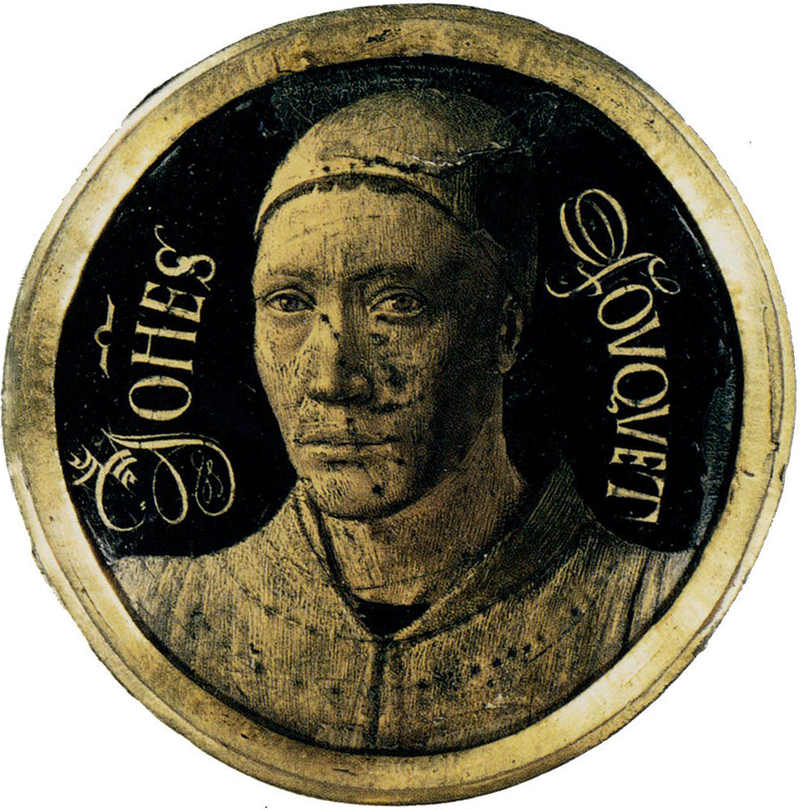
Jean Fouquet
French painter (c. 1420–1481)

Filippino Lippi
Italian painter (1457–1504)

Ambrogio Lorenzetti
Italian painter (1290-1348)

Giulio Romano
Italian painter and architect (1499–1546)

Fra Bartolomeo
Italian Renaissance painter (1472-1517)

Pietro da Cortona
Italian painter and architect of the High Baroque (1596-1669)

Lorenzo Lotto
Italian painter (1480–1556)

Guercino
Giovanni Francesco Barbieri (8 February 1591 – 22 December 1666), better known as (il) Guercino (), was an Italian Baroque painter and draftsman from Cento in the Emilia region, who was active in Rome and Bologna. The vigorous naturalism of his early manner contrasts with the classical equilibrium of his later works. His many drawings are noted for their luminosity and lively style.

Lavinia Fontana
Italian painter (1552–1614)
Gentile da Fabriano
Italian painter (1370–1427)
%20(Italian)%20-%20The%20Way%20to%20Calvary%20-%20Google%20Art%20Project.jpg)
Domenichino
Domenico Zampieri (, ; October 21, 1581 – April 6, 1641), known by the diminutive Domenichino (, ) after his shortness, was an Italian Baroque painter of the Bolognese School of painters.

Hugo van der Goes
Flemish painter (c.1440-1482)
Simon Vouet
French painter (1590-1649)

Agostino Carracci
Bolognese painter of the Baroque (1557-1602)

Cosimo Rosselli
Italian painter (1439-1507)

Ludovico Carracci
Bolognese painter of the Baroque (1555-1619)