AI overview
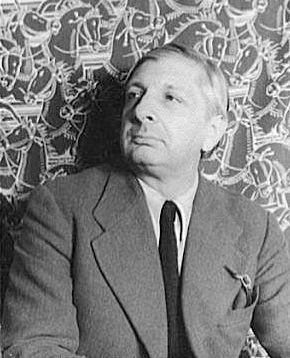
Giorgio de Chirico was an Italian painter (1888–1978) who became famous for his mysterious, dreamlike paintings featuring empty squares, classical architecture, and strange shadows. His distinctive style, which emerged in the early 1900s, significantly influenced Surrealism and modern art by pioneering a way of depicting ordinary scenes as haunting and unsettling.
AI-generated from the Wikipedia summary — may contain errors.
Person · Open Library
- Born
- 1888
- Died
- 1978
- Works
- 12
Top works
- Memorie della mia vita
- Nudi, sculture e disegni italiani, 1900-1946
- G. de Chirico
- 12 opere di Giorgio de Chirico
- La casa del poeta
via Open Library + Wikidata
Listeners · Last.fm
- Listeners
- 10
- Total plays
- 22
<a href="https://www.last.fm/music/Giorgio+de+Chirico">Read more on Last.fm</a>
Works in European collections
18 objects attributed to Giorgio de Chirico, held across European museums, libraries & archives · via Europeana
Article
The Song of Love, 1914, oil on canvas, 73 × 59.1 cm, Museum of Modern Art, New York
Giuseppe Maria Alberto Giorgio de Chirico (/ˈkɪrɪkoʊ/ KIRR-ik-oh; Italian: [ˈdʒordʒo de ˈkiːriko]; 10 July 1888 – 20 November 1978) was a Greek-Italian artist and writer born in Volos, Greece. In the years before World War I, he founded the scuola metafisica art movement, which profoundly influenced the surrealists. His best-known works often feature Roman arcades, long shadows, mannequins, trains, and illogical perspective. His imagery reflects his affinity for the philosophy of Arthur Schopenhauer and of Friedrich Nietzsche, and for the mythology of his birthplace.
Gallery (11)
On the map
Connections
Categories
1888 births1978 deaths20th-century Greek artists20th-century Greek male artists20th-century Greek painters20th-century Italian paintersAcademy of Fine Arts, Munich alumniBallet designersCommons link from WikidataGiorgio de ChiricoGreek male paintersGreek surrealist artistsItalian expatriates in Greece