
File:ShrineofAmirTimur.jpg · Wikimedia Commons · See Wikimedia Commons
Gur-e Amir
Sign in to saveThe Gūr-i Amīr or Guri Amir (, ) is a mausoleum of the Turco-Mongol conqueror Timur (also known as Tamerlane) in Samarkand, Uzbekistan. It occupies an important place in the history of Turkestan's architecture as the precursor for and had influence on later Mughal architecture tombs, including Gardens of Babur in Kabul, Humayun's Tomb in Delhi and the Taj Mahal in Agra, built by Timur's Indian descendants, Mughals that followed Indian culture with Central Asian influences. Mughals established the ruling Mughal dynasty of the Indian subcontinent. The mausoleum has been heavily restored over the
Key facts
- Religious building.building_name
- Gur-e Amir
- Religious building.location
- Samarkand, Uzbekistan
- Religious building.religious_affiliation
- Sunni Islam
- Religious building.country
- Uzbekistan
- Religious building.architecture_type
- Mausoleum
- Religious building.architecture_style
- Islamic
- Religious building.groundbreaking
- 1403
- Religious building.completed
- 1404
- Religious building.year_completed
- 1404
- Religious building.dome_height_outer
- 30 m?
- Religious building.minaret_quantity
- 2
- Religious building.minaret_height
- 30 m?
- Religious building.image
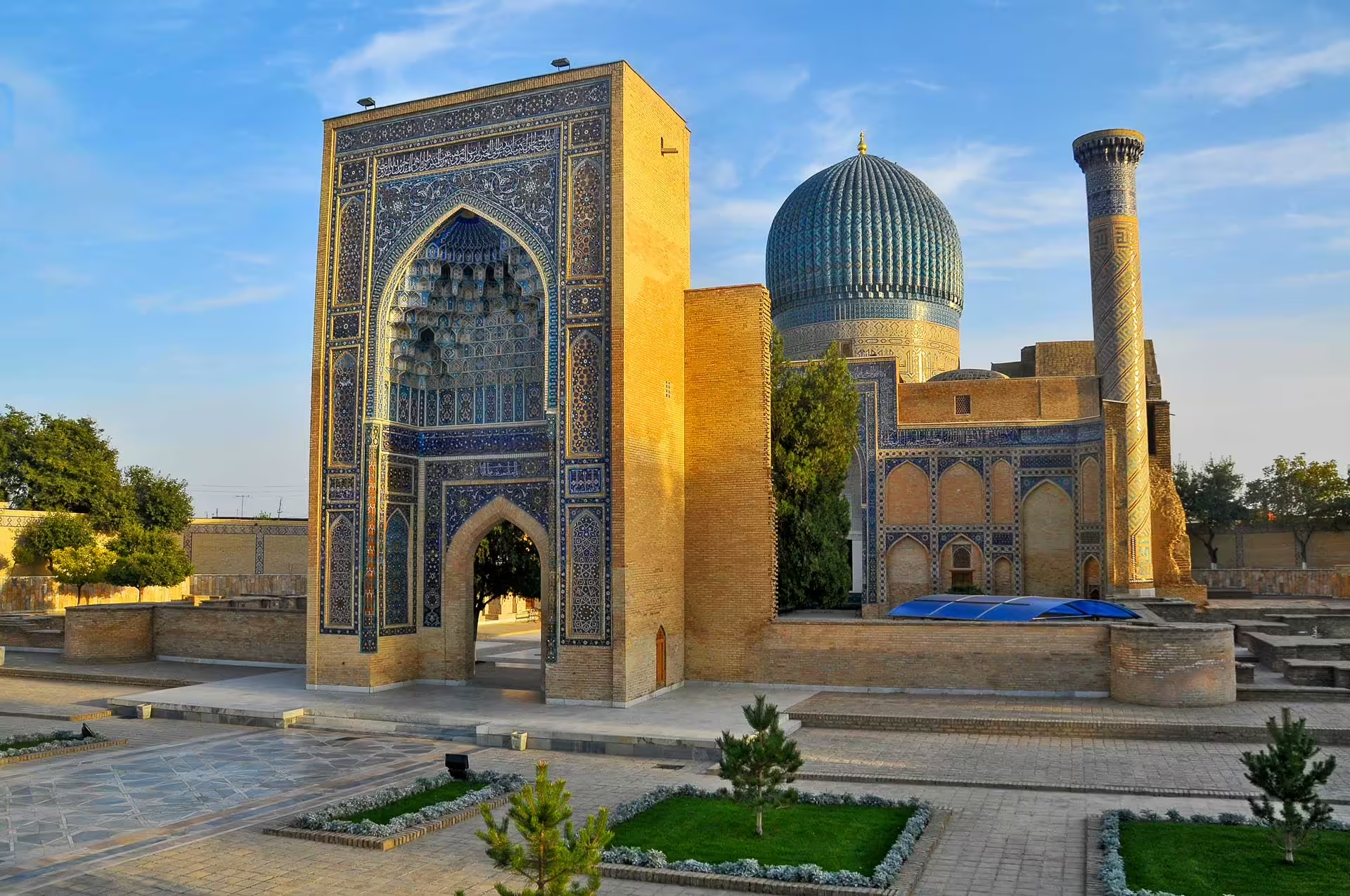
- File:ShrineofAmirTimur.jpg
- Religious building.caption
- Exterior view of the Gur-e Amir
via Wikipedia infobox
Described at
Gur-e-Amir - Uzbekistan - PlaceMania
Mauzóleum Gur-e-Amir slúži ako hrobka Timura a jeho potomkov a spája sa s príbehom o otvorení hrobky v deň začiatku operácie Barbarossa.
placemania.sk →Zabitie sedemnástich miliónov ľudí v čase, keď svetová populácia mala niečo vyše tristo miliónov, svedčí o určitom talente pre umenie masakru. O to viac, keď si uvedomíme, že v 14. storočí rozsiahlym genocídam bránila aj skutočnosť, že dopravné prostriedky boli primitívne a zbrane hromadného ničenia ešte neexistovali. A predsa sa to jednému mužovi podarilo. Nebol to nikto iný ako Tamerlán (Timur), ktorý sa v roku 1369 v Samarkande stal emirom starobylej Transoxánie, územia medzi riekami Amudarja a Syrdarja, kde sa dnes rozprestiera väčšina Uzbekistanu a časť Kazachstanu. Tento neúnavný vojnový turista precestoval so zbraňou v ruke úpätie Himalájí až do Turecka, dôkladne preskúmal Perziu a viedol legendárne výpravy do Indie. Z kroniky Tamerlánových dobyvačných výprav je zrejmé, že v jeho časoch sa oplatilo byť skôr zručným remeselníkom než roľníkom alebo vetešníkom: Tamerlán chcel totiž rozšíriť svoje hlavné mesto a dôsledne udržiaval pri živote všetkých, ktorí mu mohli poslúžiť, a sústreďoval ich v Samarkande, zatiaľ čo zvyšok civilného obyvateľstva bol podľa vtedajšej módy sťatý mečom. Vďaka tejto medzinárodnej spolupráci vzniklo mnoho architektonických skvostov vrátane mauzólea Gur-e-Amir, ktoré dal Tamerlán postaviť ako miesto večného odpočinku pre svojho obľúbeného vnuka, ktorý padol v boji v roku 1403. Onyxové obloženie, prepracovaná výzdoba, honosná tridsaťdva metrov vysoká kupola – všetko na tejto stavbe bolo navrhnuté tak, aby sa stala najhonosnejšou hrobkou na svete. Neskôr bol do nej starý otec uložený spolu so svojím vnukom. A obklopovala ju zvláštna legenda, ktorá pramenila zo záhadného nápisu na stenách: “Ak vstanem z mŕtvych, svet sa zatrasie.” Nie je to, samozrejme, prvá ani posledná záhadná veta spojená s veľkým panovníkom. V tomto prípade však zohral úlohu aj ruský patológ Michail Gerasimov , ktorého Tamerlán natoľko fascinoval, že sa rozhodol exhumovať telo a podrobiť ho skúmaniu, aby dokázal emírovu možnú príbuznosť s Džingischánom. Niekoľko hodín po otvorení hrobky, 22. júna 1941, Nemecko začalo inváziu do Sovietskeho zväzu. A ak by sa potvrdilo, že táto neslávne známa operácia Barbarossa súvisela s otvorením Tamerlánovej hrobky, k spomínaným sedemnástim miliónom obetí by sme pravdepodobne museli pridať ešte ďalších tridsať miliónov. Zakladateľ projektu PlaceMania.sk a zodpovedá za jeho obsah, technické fungovanie a dlhodobý rozvoj. Cestovné zápisky na webe vychádzajú z vlastnej skúsenosti z ciest; faktografické záznamy o miestach vznikajú kombináciou verejných zdrojov, automatizovaného spracovania dát a redakčného overovania. Zameriava sa na netradičné lokality, ich historický a geografický kontext a menej známe súvislosti. Things to do near Gur-e-Amir, Gur-e Amir, Amir Temur maqbarasi majmua, Gur-Emir-Mausoleum, Gour Emir, Mausoleo di Tamerlano, Mausoléu de Tamerlão, Historické miesto, Turistická atrakcia, historical place, tourist attraction, Samarqand, Samarqand tumani, Samarqand viloyati, Republic of Uzbekistan, Oʻzbekiston. Find tours, guided tours, local activities, attractions, tickets, excursions, sightseeing, day trips and travel experiences nearby. Coordinates: 39.6485469, 66.9692492. Ruiny Ayoz Qala v Karakalpakstane patria k systému opevnených miest starovekého Chorezmu. Kitabská geologická rezervácia zachováva súvislý záznam hornín starých približne 407 miliónov rokov. Komplex Barak-khan združuje medresu a mauzóleá z 15.–16. storočia, vrátane tzv. Kok Gumbaz so zničenou kupolou po zemetrasení v roku… Pozrite si ďalšie zaujímave miesta vo svete, ktoré stoja za naplánovanie ďalšej cesty. Na samom južnom cípe amerického kontinentu leží skupina ostrovov nazývaná Ohňová zem. Vlastne sa najskôr menovala Dymová zem, pretože portugalský… Samarkand je mesto legiend. Každý kameň, roklina či priekopa sú tu živou pripomienkou minulosti. Každá štvrť mesta si uchováva svoju… Chcete vidieť ďalšie úchvatné miesta ako Gur-e-Amir? Nájdeš ich u nás na mape. Objav s nami ďalšie úžasné miesta na zemi.
Excerpt from a page describing this subject · 18,213 chars · not written by Vinony
Wikidata facts
- Instance of
- mausoleum
- Country
- Uzbekistan
- Located in
- Samarkand
- Image
- Вечерний Гур-Эмир.jpg
- Height
- 30
Show 7 more facts
- Commons category
- Gur-e Amir
- Commons gallery
- Gur-e Amir
- native label
- Go'ri Amir Maqbarasi
- architectural style
- Timurid architecture
- inception
- 1403-00-00
- directions
- Oq Saroy koʻchasi, 1-uy
- described at URL
- www.placemania.sk/svetova-zaujimavost/gur-e-amir
via Wikidata · CC0
~11 min read
Encyclopedic overview
13 sectionsContents
- Construction
- Architecture
- History
- Construction
- Later enlargement
- Decline and restoration
- Curse of Timur
- Nearby monuments
- See also
- References
- Sources
- External links
- Photo gallery
The Gūr-i Amīr or Guri Amir (, ) is a mausoleum of the Turco-Mongol conqueror Timur (also known as Tamerlane) in Samarkand, Uzbekistan. It occupies an important place in the history of Turkestan's architecture as the precursor for and had influence on later Mughal architecture tombs, including Gardens of Babur in Kabul, Humayun's Tomb in Delhi and the Taj Mahal in Agra, built by Timur's Indian descendants, Mughals that followed Indian culture with Central Asian influences. Mughals established the ruling Mughal dynasty of the Indian subcontinent. The mausoleum has been heavily restored over the course of its existence.
== Construction == thumb|left|Geometric courtyard surrounding the tomb showing the gate, Iwan, and dome. Gur-e Amir means "Tomb of the King" in Persian. This architectural complex with its azure dome contains the tombs of Timur, his sons Shah Rukh and Miran Shah and grandsons Ulugh Beg and Muhammad Sultan. Also honoured with a place in the tomb is Timur's teacher Sayyid Baraka.
Excerpted from Wikipedia’s “Gur-e Amir” article, available under the CC BY-SA 4.0 licence.
Gallery (22)
On the map
3 mapped locations