
利比里亞
Also known as Republic of Liberia, lr, Liber
西非國家
AI overview
Liberia is a West African nation on the Atlantic coast, bordered by Sierra Leone, Guinea, and Ivory Coast, with a population of around 5.5 million people who speak English as the official language along with over 20 indigenous languages. The country matters as a significant part of West Africa's cultural and linguistic diversity, with its capital Monrovia serving as the nation's largest city.
AI-generated from the Wikipedia summary — may contain errors.
Weather now
cached 14h ago22°overcast clouds
99% 0.7 m/s OpenWeatherMap
7-day forecast
via Open-Meteo
Country
- Capital
- Monrovia
- Population
- 5,248,621
- Region
Travel guide
Understand
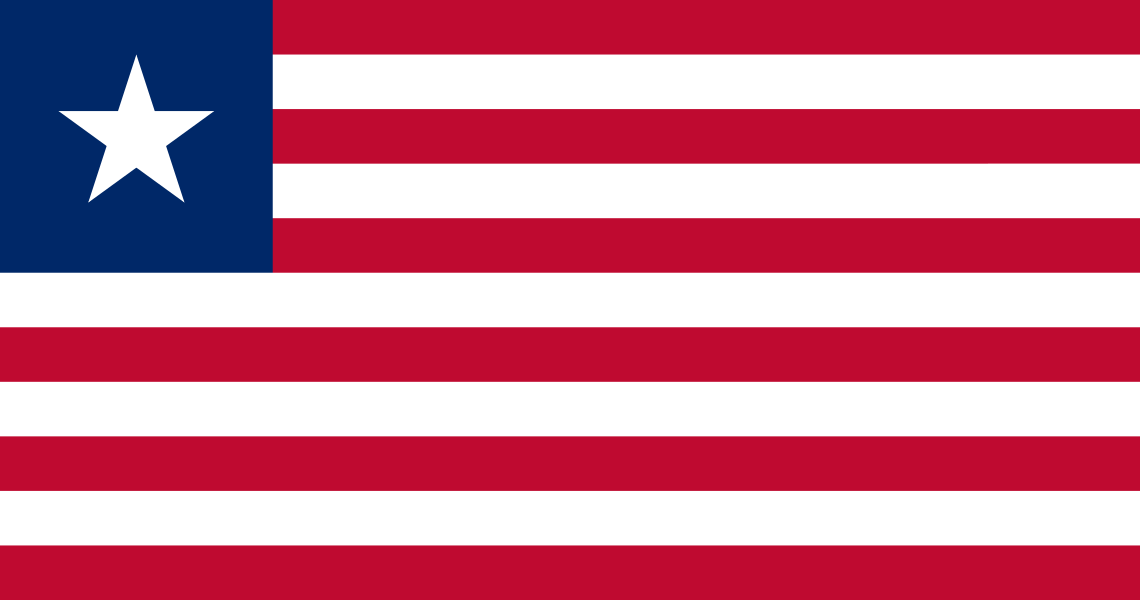
Liberia is a country with historical ties to the United States since it was founded by freed black slaves before the Underground Railroad, American Civil War era of the nineteenth century. The capital, Monrovia, was named after James Monroe. Liberia's flag closely resembles the American flag, reflecting the historical ties between the two countries.
Get in
thumb|375px|A map showing the visa requirements of Liberia, with countries in dark blue having visa-free access
See
thumb|300px|Downtown Monrovia
'Blo Degbo' Human face rock in Paynesville, near Monrovia (Note: this is not a developed tourist destination, so make sure it is a safe place to visit) Rain forests are usually found in remote areas, most are unique and have many attractive features, but on the other hand some are risky because of their wildlife.
There are plenty of beaches around Monrovia. Out towards the airport after ELWA junction is ELWA beach. Set inside a compound there is a marked safe swimming area, a clean beach and plenty of families at the weekends, though without facilities. Further on is Thinkers (pronounced Tinkers) with a food and drinks service, though the waves are a bit rough here, and it is not safe to walk up or down the beach too far. CE CE beach out the other way, over the bridge out to Hotel Africa is very well set up with palm umbrellas, drinks service and a buffet, and a well protected swimming area.
For an interesting day trip, Robertsport offers a glimpse of Liberia's cultural history as well as clean, beautiful beaches. A group of South Africans has set up a tent camp for those wishing to spend the night on the beach and the UN also offers accommodations on a first-come basis. Beware the strong tides.
The city of Buchanan, a several hour car ride from Monrovia, also offers sublime beaches and a selection of restaurants and guest houses.
Do
Liberia has several nightclubs. While places like Deja Vu cater to a largely expat crowd, explore places more popular with locals. 146 on Carey Street features Liberian music, freestyle sessions, and live performances from Liberia's most popular musicians.
Eat
Eating Liberian food can be enjoyable and inexpensive. Liberian meals like palm butter, cassava leaf, potato greens, chock rice, and jollof's rice will barely leave a dent in your budget (US$2-3 with a non-alcoholic drink). Portions are usually enormous. Another popular local dish is fufu (fermented dough made from the cassava plant) and soup (the most common are goat soup and pepper soup). And for those who like to eat on the go, fruit and snacks can be bought from street vendors throughout Monrovia. Peanuts, fried plantain chips, roasted ears of corn or plantains, bananas, mangos, and other fruits cost L$5-20 (or US$0.10-0.30). Especially delicious are the various breads sold freshly baked in the morning. Some breads resemble banana bread, other breads are more like corn bread. All are delicious although somewhat oily.
Article · 中文
利比里亞共和國(英語:Republic of Liberia),通稱賴比瑞亞(英語:Liberia,i/laɪˈbɪəriə/),正式名称为賴比瑞亞共和国,是位於西非海岸的国家,北接几内亚,西北接塞拉利昂,东邻象牙海岸,西南濒大西洋的總統制共和國家。该国大约有500万人口,国土面积为43,000平方英里(11万1,369平方公里)。其法定官方语言为英语,但同时该国有超过20种本土语言,反映了该国的种族和文化多样性。该国的首都和最大的城市是蒙罗维亚。 賴比瑞亞始于19世纪初,在美國殖民協會支持下建國,该协会认为黑人在非洲会比在美国面临更好的自由和繁荣机会。从1822年到1861年美国内战爆发期间,有超过15000名在美国面临社会和法律双重压迫的自由和自由出生的黑人 移居至利比里亞的地区, 这些定居者带着他们在美国的文化和传统,逐渐形成了美国-利比里亚身份认同。利比里亚的宪法和国旗是仿照美国的,而其首都则是以ACS的支持者和美国总统詹姆斯·门罗的名字命名。利比里亚于1847年7月26日宣布独立,美国直到1862年2月5日才承认它。1848年1月3日,出生于美国弗吉尼亚州诺福克市富裕家庭的非裔美国人約瑟·詹金斯·羅拔斯帮助利比里亚获得了独立,并在利比里亚独立后当选为该国的第一任总统,利比里亞国名在英文有“自由”(liberty)和“解放”(liberated)的意思。20世紀初期,利比里亚與埃塞俄比亞為非洲仅有的两个非殖民地的獨立國家。 利比里亚是第一个宣布独立的非洲共和国,是非洲第一个也是最古老的现代共和国。它是在非洲争夺战中保持其主权的少数非洲国家之一。在第二次世界大战期间,利比里亚支持美国对德国的战争努力,并反过来得到了美国对基础设施的大量投资,这有助于该国的财富和发展。总统鼓励经济和政治变革,提高了国家的繁荣和国际形象。利比里亚还是是国际联盟、联合国和非洲统一组织的创始成员。 美国利比里亚定居者与他们遇到的利比里亚原住民关系并不融洽,尤其是那些生活在更孤立的内陆地区的原住民。殖民地定居点遭到来自内陆酋长领地的克鲁族和的袭击。美国利比里亚人推动宗教组织建立教堂和学校,以教育当地居民。早期,美籍利比里亚人在利比里亚形成了一个小的精英阶层,掌握着不成比例的政治权力;直到1904年利比亚原住民仍在自己的土地上被排除在公民身份之外。 1980年,威廉·R·托尔伯特统治下的政治紧张局势导致,托尔伯特在政变中被杀,标志着美藉利比里亚人在该国的统治结束,利比里亚由此开始了二十多年的政治不稳定时期。在人民救国委员会的五年军事统治和利比里亚国家民主党的五年文职统治之后,发生了第一次和第二次利比里亚内战。这些战争导致25万人死亡(约占人口的8%)和更多的人流离失所,此外内战还造成利比里亚的经济萎缩了90%。2003年的和平协议签订后,利比里亚得以在2005年的举行了新的民主选举,埃伦·约翰逊·瑟利夫在选举中当选总统,作为非洲大陆的第一位女总统创造了历史。国家基础设施和基本社会服务受到冲突和2013-2016年爆发的埃博拉病毒的严重影响,截至2015年,该国仍有83%的人口生活在国际贫困线以下。
Abstract from DBpedia / Wikipedia · CC BY-SA
Gallery (59)
On the map
3 mapped locations
Connections
Categories
1847 establishments in LiberiaAmerican colonization movementCountries and territories where English is an official languageCountries in AfricaCountries in West AfricaEconomic Community of West African StatesLanguage articles citing Ethnologue 25Least developed countriesLiberiaMember states of the African UnionMember states of the United Nations