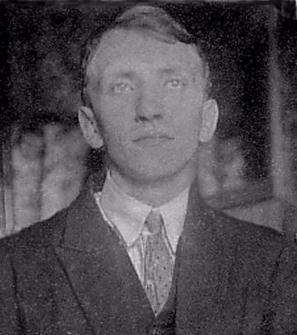
File:MauriceBlanchot.jpg · Wikimedia Commons · See Wikimedia Commons
Maurice Blanchot
Sign in to saveFrench writer, philosopher, and literary theorist (1907–2003)
Key facts
- Born
- 22 September 1907, Devrouze , Saône-et-Loire , France
- Died
- 20 February 2003 (2003-02-20) (aged 95), Le Mesnil-Saint-Denis , France
- Education
- University of Strasbourg (B.A., 1922), University of Paris (M.A., 1930)
- Era
- 20th-century philosophy
- Region
- Western philosophy
- School
- Continental philosophy phenomenology of aesthetic experience
- Main interests
- Ethics poetics philosophy of death philosophy of language literary criticism political philosophy
- Notable ideas
- The Neutral ( le neutre ), Right to death, Two kinds of death
via Wikipedia infobox
Wikidata facts
- Instance of
- human
- Given name
- Maurice
- Gender
- male
- Citizenship
- France
- Place of birth
- Devrouze
- Place of death
- Paris
- Position held
- editor-in-chief
- Languages spoken
- French
- Native language
- Spanish
Show 6 more facts
- ethnic group
- French
- date of death
- 2003-02-20
- date of birth
- 1907-09-22
- name in native language
- Maurice Blanchot
- place of burial
- Le Mesnil-Saint-Denis
- writing language
- French
via Wikidata · CC0
~16 min read
Encyclopedic overview
Maurice Blanchot (/blɑːnˈʃoʊ/ blahn-SHOH; French: [blɑ̃ʃo]; 22 September 1907 – 20 February 2003) was a French writer, philosopher and literary theorist. His work, exploring a philosophy of death alongside poetic theories of meaning and sense, bore significant influence on post-structuralist philosophers such as Gilles Deleuze, Michel Foucault, Jacques Derrida and Jean-Luc Nancy.
Biography
Excerpted from Wikipedia’s “Maurice Blanchot” article, available under the CC BY-SA 4.0 licence.