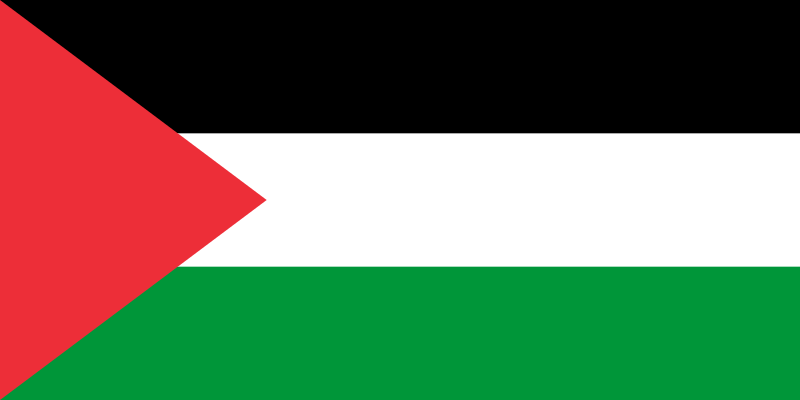
Palestinian National Authority
Also known as PNA, Palestine, PA
interim government in Western Asia, governing West Bank Areas A and B since 1994 and, until 2006, the Gaza Strip
AI overview
The Palestinian National Authority is an interim government that has administered parts of the West Bank since 1994 and governed Gaza until 2006, serving as a partial self-governing body for Palestinian territories. It matters because it represents an attempt at Palestinian self-governance in areas where Israel maintains significant control, though its status as "interim" reflects that it was originally intended as a temporary arrangement pending a final peace agreement.
AI-generated from the Wikipedia summary — may contain errors.
Article
The Palestinian Authority (PA), officially known as the Palestinian National Authority (PNA), is the Fatah-controlled government body that exercises partial civil control over the Palestinian enclaves in the Israeli-occupied West Bank as a consequence of the 1993–1995 Oslo Accords. The Palestinian Authority controlled the Gaza Strip prior to the Palestinian elections of 2006 and the subsequent Gaza conflict between the Fatah and Hamas parties, when it lost control to Hamas; the PA continues to claim the Gaza Strip, although Hamas exercises de facto control. Since January 2013, following United Nations General Assembly resolution 67/19, the Palestinian Authority has used the name "State of Palestine" on official documents, without prejudice to the Palestine Liberation Organization (PLO) role as "representative of the Palestinian people".
The Palestinian Authority was formed on 4 May 1994, pursuant to the Gaza–Jericho Agreement between the PLO and the government of Israel, and was intended to be a five-year interim body. Further negotiations were then meant to take place between the two parties regarding its final status. According to the Oslo Accords, the Palestinian Authority was designated to have exclusive control over both security-related and civilian issues in Palestinian urban areas (referred to as "Area A") and only civilian control over Palestinian rural areas ("Area B"). The remainder of the territories, including Israeli settlements, the Jordan Valley region and bypass roads between Palestinian communities, were to remain under Israeli control ("Area C"). East Jerusalem was excluded from the Accords. Negotiations with several Israeli governments had resulted in the Authority gaining further control of some areas, but control was then lost in some areas when the Israel Defense Forces (IDF) retook several strategic positions during the Second ("Al-Aqsa") Intifada. In 2005, after the Second Intifada, Israel withdrew unilaterally from its settlements in the Gaza Strip, thereby expanding Palestinian Authority control to the entire strip while Israel continued to control the crossing points, airspace, and the waters of the Gaza Strip's coast.
Gallery (9)
On the map
9 mapped locations