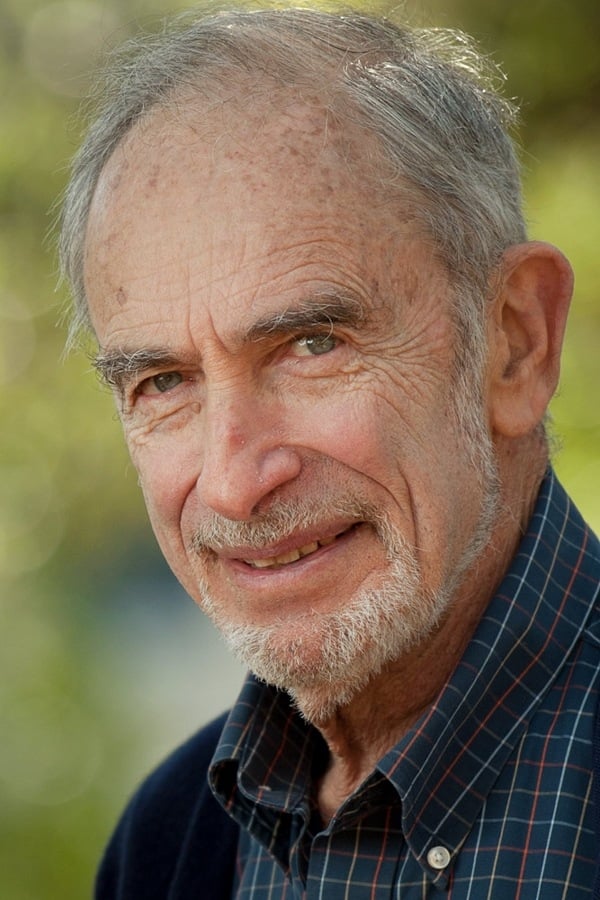
Profile via TMDB · Courtesy of TMDB
Paul R. Ehrlich
Sign in to saveAlso known as Paul Ehrlich, Paul R Ehrlich, Paul Ralph Ehrlich
American biologist and environmentalist (1932–2026)
Film & TV
Philadelphia, Pennsylvania
Paul Ralph Ehrlich is an American biologist, best known for his warnings about the consequences of population growth and limited resources. He is the Bing Professor of Population Studies of the Department of Biology of Stanford University and president of Stanford's Center for Conservation Biology.
Known for
- Endgame 2050 — Self2020
- Kids' R!ghts — Self2014
- Mother: Caring for 7 Billion — Himself - Host2011
- Climate Refugees — Self2010
- Q&A — Self - Panellist2008
- Thank You for Not Breeding2002
- On the 8th Day — Self1984
- The Mike Douglas Show — Self1961
via TMDB
Key facts
- Born
- Paul Ralph Ehrlich , ( 1932-05-29 ) May 29, 1932, Philadelphia, Pennsylvania , U.S.
- Died
- March 13, 2026 (2026-03-13) (aged 93), Palo Alto, California , U.S.
- Education
- University of Pennsylvania ( BA ) University of Kansas ( MA , PhD )
- Known for
- The Population Bomb (1968), Simon–Ehrlich wager
- Spouse
- Anne Howland ( married</span>"}]]}'>m. December 1954</span>"}]]}'>1954 )
- Awards
- Crafoord Prize (1990) Heinz Awards (1995) Tyler Prize for Environmental Achievement (1998) Fellow of the Royal Society (2012)
- Fields
- Entomology Population studies
- Institutions
- Stanford University
- Thesis
- The Morphology, Phylogeny and Higher Classification of the Butterflies (Lepidoptera: Papilionoidea) (1957)
- Doctoral advisor
- C. D. Michener
via Wikipedia infobox
Official website
Paul Ehrlich's Profile | Stanford Profiles
Paul Ehrlich is part of Stanford Profiles, official site for faculty, postdocs, students and staff information (Expertise, Bio, Research, Publications, and more). The site facilitates research and collaboration in academic endeavors.
profiles.stanford.edu →Link to the official site · 40,000 chars · not written by Vinony
Wikidata facts
- Instance of
- human
- Given name
- Ralph
- Family name
- Ehrlich
- Gender
- male
- Citizenship
- United States
- Place of birth
- Philadelphia
- Place of death
- Palo Alto
- Spouse
- Anne H. Ehrlich
- Occupation
- environmentalist
- Employer
- Stanford University
- Languages spoken
- English language
- Religion
- Neo-Malthusianism
- Award
- Crafoord Prize
- Notable work
- The Population Bomb
- Doctoral advisor
- Charles D. Michener
- Official website
- profiles.stanford.edu/paul-ehrlich
- Image
- Paul Ehrlich - 1974.jpg
- Number of children
- 1
Show 8 more facts
- date of birth
- 1932-05-29
- Commons category
- Paul R. Ehrlich
- Erdős number
- 4
- different from
- Paul Ehrlich
- name in native language
- Paul Ralph Ehrlich
- maintained by WikiProject
- WikiProject Mathematics
- date of death
- 2026-03-13
via Wikidata · CC0
~28 min read
Encyclopedic overview
(Learn how and when to remove this message)
Paul Ralph Ehrlich (May 29, 1932 – March 13, 2026) was an American biologist, author, and environmentalist known for his predictions and warnings about the consequences of population growth, including famine and resource depletion. Ehrlich was the Bing Professor of Population Studies of the Department of Biology of Stanford University. He started working at Jasper Ridge Biological Preserve in 1959. He along with many other biology professors, led the efforts for Stanford University to designate and protect Jasper Ridge in 1973 as a biological preserve and as a long-term research facility for faculty and students.
Excerpted from Wikipedia’s “Paul R. Ehrlich” article, available under the CC BY-SA 4.0 licence.