
File:Tête_de_Bonnard_(Portrait_photograph_of_Pierre_Bonnard),_c.1899,_Musée_d'Orsay,_restaurée.jpg · Wikimedia Commons · See Wikimedia Commons
Pierre Bonnard
Sign in to saveAlso known as P'er Bonnar, Pierre Eugène Frédéric Bonnard, Pierre Eugene Frederic Bonnard, p. bonnard, bonnard p., Bonnard
French painter and printmaker (1867-1947)
Pierre Bonnard was a French painter and printmaker who lived from 1867 to 1947 and is considered an important figure in modern art history. He is known for his distinctive use of color and light in paintings that often depicted intimate domestic scenes and landscapes.
AI-generated from the Wikipedia summary — may contain errors.
Key facts
- Born
- ( 1867-10-03 ) 3 October 1867, Fontenay-aux-Roses , Seine , France
- Died
- 23 January 1947 (1947-01-23) (aged 79), La Route de Serra Capeou, Le Cannet , Alpes-Maritimes , France
- Known for
- Painter
- Movement
- Post-Impressionism , Les Nabis , Intimism
via Wikipedia infobox
Described at
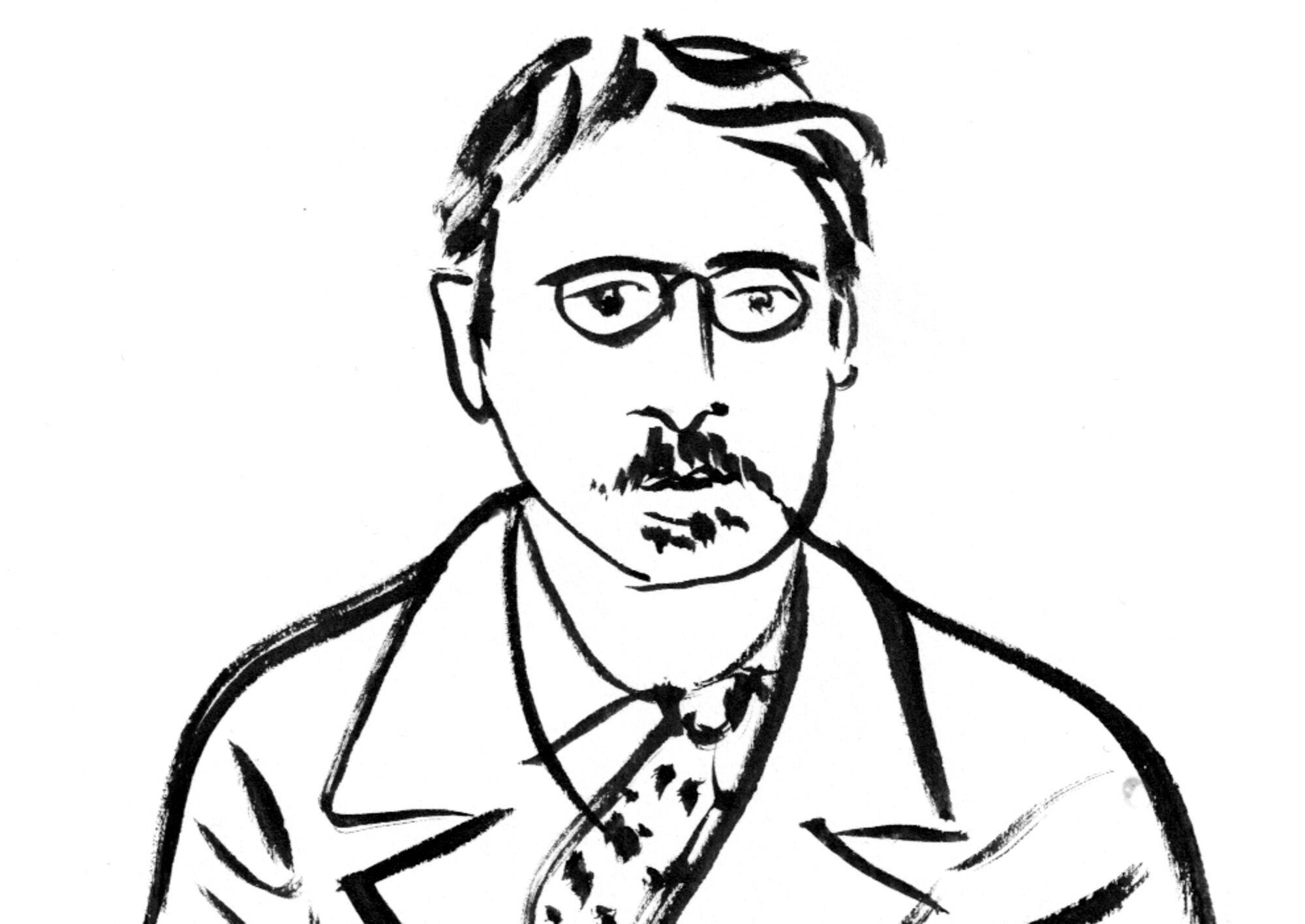
Pierre Bonnard - Mediathek - Museum Barberini
museum-barberini.de →Bonnard entwickelte den Impressionismus weiter, indem er dessen Motive und Malweise mit einer expressiven Farbigkeit verband. Seinen lichtdurchfluteten Landschaften, Stillleben und weiblichen Aktdarstellungen verlieh er durch den flirrenden Pinselstrich und den Bildaufbau eine traumartige Anmutung. Noch während seines Rechtsstudiums begann Bonnard, sich künstlerisch zu betätigen. Seit 1887 studierte er an der Pariser Académie Julian, wo er den Maler Maurice Denis kennenlernte; im Jahr darauf schrieb er sich an der École des Beaux-Arts ein. Bonnard setze sich intensiv mit Paul Gauguin auseinander und schloss sich kurzzeitig der Künstlergruppe Nabis an. Neben dem französischen Impressionismus und Post-Impressionismus beschäftige er sich mit dem japanischen Holzschnitt. Mit Denis und dem Künstlerkollegen Édouard Vuillard bezog er ein Atelier in der Rue Pigalle. 1891 stellte Bonnard erstmals im Salon des Indépendants in Paris aus; es folgten Ausstellungen in der Galerie Vollard und bei Durand-Ruel sowie bei Bernheim-Jeune. 1909 reiste er zum ersten Mal nach Saint-Tropez; bei späteren Aufenthalten an der Côte d’Azur traf er auf Auguste Renoir und Paul Signac. 1912 erwarb er ein Anwesen bei Giverny, wo auch Claude Monet lebte, den Bonnard regelmäßig besuchte. Im gleichen Jahr entstanden als Auftragsarbeiten großformatige Wandpaneele mit Darstellungen der Jahreszeiten für den Moskauer Wohnsitz des Kunstmäzens Iwan Morosow. 1913 reiste er auf Einladung des Kunsthistorikers Alfred Lichtwark mit Vuillard nach Hamburg. 1939 zog sich Bonnard in sein Haus in Le Cannet bei Cannes zurück, das er bereit 1926 erworben hatte. Hier intensivierte sich der Kontakt zu seinem langjährigen Freund Henri Matisse, der unweit von Nizza lebte. Pierre Bonnard ist mit einem Werk in der Sammlung Hasso Plattner vertreten, die als Dauerleihgabe der Hasso Plattner Foundation im Museum Barberini zu sehen ist. Mit über 110 Gemälden des französischen Impressionismus und Postimpressionismus, darunter Meisterwerke von Claude Monet, Pierre-Auguste Renoir, Gustave Caillebotte und Paul Signac, gehört das Museum in Potsdam zu den weltweit wichtigsten Zentren impressionistischer Landschaftsmalerei.
Excerpt from a page describing this subject · 7,303 chars · not written by Vinony
Wikidata facts
- Instance of
- human
- Given name
- Pierre
- Gender
- male
- Citizenship
- France
- Place of birth
- Fontenay-aux-Roses
- Place of death
- Le Cannet
- Occupation
- artist
- Languages spoken
- French
- Notable work
- Nude against the light
- Participant in
- Documenta III
- Field of work
- painting
- Genre
- portrait
- Movement
- Les Nabis
- Image
- Self-portrait-1889.jpg
- Work location
- Pittsburgh
Show 14 more facts
- Commons category
- Pierre Bonnard
- date of birth
- 1867-10-13
- date of death
- 1947-01-23
- Commons Creator page
- Pierre Bonnard
- member of
- Royal Academy of Arts
- name in native language
- Pierre Bonnard
- sponsor
- Ambroise Vollard
- topic's main category
- Category:Pierre Bonnard
- ethnic group
- French
- start of work period
- 1889-01-01
- end of work period
- 1947-01-01
- described at URL
- www.museum-barberini.de/de/mediathek/12329/pierre-bonnard
- influenced by
- Katsushika Hokusai
- significant person
- Édouard Vuillard
Sources (14)
via Wikidata · CC0
Works in European collections
36 objects attributed to Pierre Bonnard, held across European museums, libraries & archives · via Europeana
The Cats
Landing pole
Still Life with Zwetschgensteinen
Provencalische Karaffe
Breakfast
The Veranda Door
Mother with child
The art dealer as a model: José and Gaston Bernheim-Jeune
Landscape with railways
Women’s act in counterlight
Rauminneres with backlight
Le soulier (La femme aux bas noir)
Marthe Bonnard with red blouse
Family terrace
Signac and his friends
Nude Woman at the Toilet
Still Life with Apples
Farm in Vernon
Railroad (Palais de glace)
Portrait Ambroise Vollard
Female nude in front of pink wallpaper
The Garden
Girls' act
Landscape near Saint Tropez
Breakfast
Nude sitting woman
At tea

Le journal des Dames et des Demoiselles (773)

The Elegant World - Illustrated Journal of Mode for Women

The Elegant World - Illustrated Journal of Mode for Women

The Elegant World - Illustrated Journal of Mode for Women

Le Moniteur des Dames et des Demoiselles (1472)

Le Moniteur des Dames et des Demoiselles (1449)
Untitled

Untitled
Untitled
~22 min read
Encyclopedic overview
Pierre Bonnard ( French: [pjɛʁ bɔnaʁ]; 3 October 1867 – 23 January 1947) was a French painter, illustrator and printmaker, known especially for the stylized decorative qualities of his paintings and his bold use of color. A founding member of the Post-Impressionist group of avant-garde painters Les Nabis, his early work was strongly influenced by the work of Paul Gauguin, as well as the prints of Hokusai and other Japanese artists. Bonnard was a leading figure in the transition from Impressionism to Modernism. He painted landscapes, urban scenes, portraits and intimate domestic scenes, where the backgrounds, colors and painting style usually took precedence over the subject.
Early life and education
Excerpted from Wikipedia’s “Pierre Bonnard” article, available under the CC BY-SA 4.0 licence.