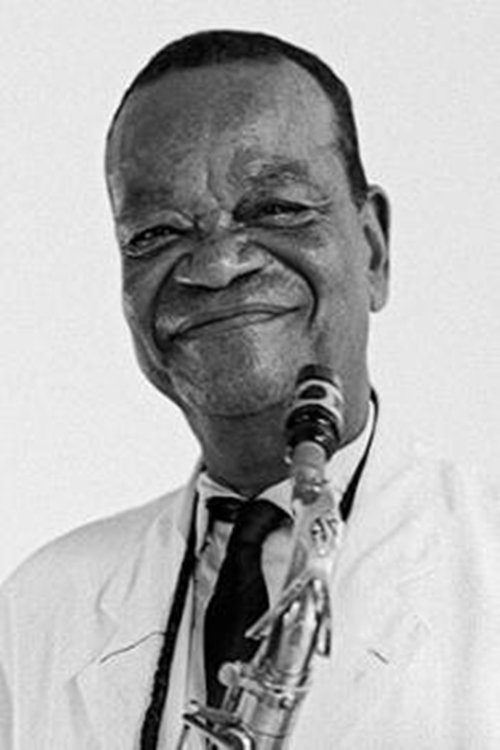
Profile via TMDB · Courtesy of TMDB
Pixinguinha
Sign in to saveAlso known as Alfredo da Rocha Vianna Junior, Alfredo Vianna
Alfredo da Rocha Viana Filho (May 4, 1897 – February 17, 1973), better known as Pixinguinha, () was a Brazilian composer, arranger, flutist, and saxophonist born in Rio de Janeiro. He worked with Brazilian popular music and developed the choro, a genre of Brazilian music that blends Afro-Brazilian rhythms with European influences. Some of his compositions include "Carinhoso", "Glória", "Lamento", and "Um a Zero".
OverviewAI-generated
Alfredo da Rocha Vianna, known by the pseudonym Pixinguinha, was a Brazilian singer, composer, saxophonist, and conductor. Born in Rio de Janeiro on April 23, 1897, he began his work period in 1911. He was a member of the African Brazilians ethnic group and spoke Portuguese. His field of work was music, specifically within the choro genre, though he is also associated with samba, Brazilian music, and MPB.
Pixinguinha performed using his voice and the saxophone. He received the Order of Cultural Merit (Brazil) for his contributions. He died in Rio de Janeiro on February 7, 1973, although some records list his death day as February 17, 1973. He held citizenship in Brazil and is categorized as a male artist.
Synthesized by Vinony from 29 facts across 4 sources: Wikidata, MusicBrainz, Last.fm, TMDb. Generated from structured data (not the Wikipedia text) and checked against those facts — may still contain errors.
Film & TV
Rio de Janeiro, Rio de Janeiro, Brazil
Alfredo da Rocha Viana Filho, known as Pixinguinha (April 23, 1897 – February 17, 1973) was a Brazilian composer, arranger, flautist and saxophonist born in Rio de Janeiro. Pixinguinha composed popular music, particularly within the genre known as choro. Description above taken from Wikipedia, licensed under Creative Commons.
Known for
- Os Afro-Sambas: The Brazil of Baden and Vinicius — Self (archive footage)2024
- Pixinguinha, an Affectionate Man — Self (archive footage)2021
- Pixinguinha and the Old Masters of Samba — Self (Archive footage)2006
- Viva Volta — Self (archive footage)2005
- Vinicius de Moraes — Self (archive footage)2005
- Coisa Mais Linda - Histórias e Casos da Bossa Nova — Self (archive footage)2005
- Paulinho da Viola: Meu Tempo É Hoje — Self (archive footage)2004
- Conversa de Botequim1972
- Saravah — Self1969
- Pixinguinha — Ele mesmo1969
via TMDB
Music · MusicBrainz
- Type
- Person
- Gender
- Male
- Origin
- Brazil
- Active from
- 1897
- Active to
- 1973
Discography
Member of
via MusicBrainz · CC0
Listeners · Last.fm
- Listeners
- 92,168
- Total plays
- 633,495
Tags
Alfredo da Rocha Viana, Jr, better known as Pixinguinha (1897-1973) was a Brazilian composer, arranger, flautist, and saxophonist. Born in Rio de Janeiro on 23rd April 1897, Pixinguinha is considered one of the greatest Brazilian composers of popular music, particularly within the genre of music known as choro. By integrating the music of the older choro composers of the nineteenth century with contemporary jazz-like harmonies, Afro-Brazilian rhythms <a href="https://www.last.fm/music/Pixinguin
Key facts
- Musical artist <! See Wikipedia:WikiProject Musicians >.name
- Pixinguinha
- Musical artist <! See Wikipedia:WikiProject Musicians >.image
- Pixinguinha (2).jpg
- Musical artist <! See Wikipedia:WikiProject Musicians >.background
- non_vocal_instrumentalist
- Musical artist <! See Wikipedia:WikiProject Musicians >.birth_name
- Alfredo da Rocha Viana Filho
- Musical artist <! See Wikipedia:WikiProject Musicians >.alias
- Pizinguim, Bexiguinha, Pexinguinha, Pixinguinha
- Musical artist <! See Wikipedia:WikiProject Musicians >.origin
- Rio de Janeiro, Brazil
- Musical artist <! See Wikipedia:WikiProject Musicians >.instrument
- Saxophone, flute
- Musical artist <! See Wikipedia:WikiProject Musicians >.genre
- Choro, Maxixe, Samba, Waltz, Jazz
- Musical artist <! See Wikipedia:WikiProject Musicians >.occupation
- Songwriter, composer, arranger, instrumentalist
- Musical artist <! See Wikipedia:WikiProject Musicians >.years_active
- 1911–1973
via Wikipedia infobox
Wikidata facts
- Instance of
- human
- Given name
- Alfredo
- Gender
- male
- Citizenship
- Brazil
- Place of birth
- Rio de Janeiro
- Place of death
- Rio de Janeiro
- Occupation
- saxophonist
- Languages spoken
- Portuguese
- Field of work
- music
- Genre
- choro
- Instrument
- voice
- Official website
- www.pixinguinha.com.br
- Image
- Pixinguinha (2).jpg
Show 7 more facts
- date of birth
- 1897-04-23
- date of death
- 1973-02-07
- Commons category
- Pixinguinha
- start of work period
- 1911-00-00
- birth name
- Alfredo da Rocha Vianna
- pseudonym
- Pixinguinha
- ethnic group
- African Brazilians
via Wikidata · CC0
~12 min read
Encyclopedic overview
11 sectionsContents
- Early life and career
- The Eight Batons
- Orquestra Victor Brasileira
- Lacerda's ''conjunto regional''
- Retirement and death
- Musical contributions
- Pixinguinha's compositions
- See also
- References
- Bibliography
- External links
Alfredo da Rocha Viana Filho (May 4, 1897 – February 17, 1973), better known as Pixinguinha, () was a Brazilian composer, arranger, flutist, and saxophonist born in Rio de Janeiro. He worked with Brazilian popular music and developed the choro, a genre of Brazilian music that blends Afro-Brazilian rhythms with European influences. Some of his compositions include "Carinhoso", "Glória", "Lamento", and "Um a Zero".
Pixinguinha merged the traditional music of 19th-century composers with modern jazz-inspired harmonies, sophisticated arrangements, and Afro-Brazilian rhythms. This is attributed as having helped establish choro as an aspect of Brazilian culture.
Excerpted from Wikipedia’s “Pixinguinha” article, available under the CC BY-SA 4.0 licence.