Rana catesbeiana
Also known as Lithobates catesbeianus, American bullfrog, bull frog, bullfrog
species of amphibian
Species
American bullfrog
Rana catesbeiana
SPECIES
- KingdomAnimalia
- PhylumChordata
- ClassAmphibia
- OrderAnura
- FamilyRanidae
Habitatfreshwater
Observations136,901
提示:本条目的主题不是美國青蛙。 美国牛蛙(學名Lithobates catesbeianus)是一种水生青蛙,是蛙屬的一种。是现存北美的最大的蛙之一。國際自然保護聯盟物種存續委員會的入侵物種專家小組(ISSG)列為世界百大外來入侵種。 目录 1 命名 2 生态和行为 2.1 食性 3 分佈 4 利用 5 參考 命名 其拉丁語原學名Rana catesbeiana中,「rana」意為「青蛙」,而「catesbeiana」則是爲了紀念發現這種蛙的英國博物學家馬克·蓋茨比(Mark Catesby)。[2] 、原产于美国东部数州,後被引进西部各州和其他国家。其他一些大型蛙类亦称牛蛙,如非洲的非洲牛箱头蛙和印度的虎纹蛙以及南美的细趾蟾科物種。 牛蛙叫声宏亮如牛,因而得名[3]。 生态和行为 幼蛙 牛蛙体绿或棕色,腹部白色至淡黄色,四肢有黑色条纹。 牛蛙体长约20公分,後肢长达25公分。成体大者体重超过500克,是蛙类中较大的一种。常生活於静水中或其附近。春季繁殖,卵产于水中。蝌蚪呈绿褐色带有深色斑点。蝌蚪阶段持续1~3年,决定於气候条件。许多牛蛙可供食用或用作实验材料。 鼓膜特别大。雄蛙有声囊。在所有两栖动物里,美国牛蛙的叫声是非常响亮的,很远就能听得到,而且會使其他的动物誤认为美国牛蛙要比实际大的多。特别是雄性在交配期间发出的声音,往往能传到几公里之外。 美国牛蛙使用它的皮肤、颊洞和肺呼吸,其中皮肤上的气体交换是非常重要的。 食性 美国牛蛙是相當凶猛的动物,在台灣有「蛙界暴龍」之稱,以无脊椎动物、小鱼和其他的小蛙为食,有時也会吃水鸟的幼雏;體型較大的牛蛙甚至會捕食蛇、鼠、龜等。 分佈 美国牛蛙主要生存於美国、加拿大和墨西哥的洛磯山脈东边。美國牛蛙雖原産於北美,但也被引進歐洲部份地區,分佈于北意大利、法國的阿基坦地區,另外還分佈于西班牙及荷蘭等地,少量分佈于意大利沿海。[2] 在中国及台灣,作为一种入侵物种,亦有广泛分布。 利用 美国有几个农场专门饲养这种牛蛙以供應食用,一对蛙掌重達400克,在餐桌上頗具份量。除了美国,其他国家的人也很喜欢。在中国,水煮牛蛙也很流行。 除了食用之外,美国牛蛙也偶尔被當作人们的宠物。 參考 ^ (英文) Georgina Santos-Barrera, Geoffrey Hammerson, Blair Hedges, Rafael Joglar, Sixto Inchaustegui, Lue Kuangyang, Chou Wenhao, Gu Huiqing, Shi Haitao, Arvin Diesmos, Djoko Iskandar, Peter Paul van Dijk, Masafumi Matsui, Benedikt Schmidt, Claude Miaud, Iñigo Martínez-Solano
Article
The American bullfrog (Lithobates catesbeianus), often simply known as the bullfrog in Canada and the United States, is a large true frog native to eastern North America. It typically inhabits large permanent water bodies such as swamps, ponds, and lakes. Bullfrogs can also be found in manmade habitats such as pools, koi ponds, canals, ditches, reservoirs and culverts. The bullfrog gets its name from the sound the male makes during the breeding season, which sounds similar to a bull bellowing. They are generalist carnivores, consuming a wide variety of prey. In turn, they are eaten by predators such as alligators, snakes, and birds.
The bullfrog is large and is commonly eaten throughout its range, especially in the southern United States where they are plentiful. Their use as a food source has led to bullfrogs being introduced outside of their native range. Bullfrogs have been introduced to more than 40 countries and many continents including Western United States, the Caribbean, South America, Western Europe, Belgium, Italy, Spain, Greece, China, Japan, South Korea, Malaysia, Southeast Asia, and more. In these places they are considered an invasive species due to their voracious appetite and the large number of eggs they produce, which has a negative effect on native amphibians, certain insects and other fauna. Bullfrogs are very skittish which can make their capture difficult and thus they often become established.
Gallery (14)
Connections
Categories
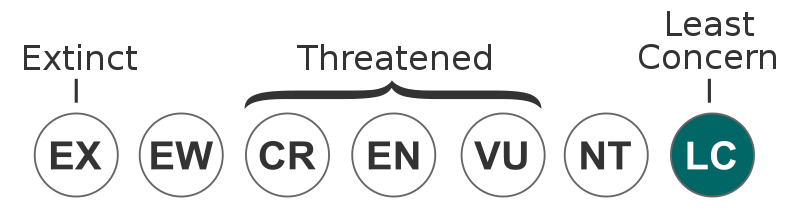
Amphibians described in 1802Amphibians of CanadaAmphibians of the Dominican RepublicAmphibians of the United StatesCleanup tagged articles with a reason field from March 2026Commons link from WikidataExtant Miocene first appearancesFauna of the Eastern United StatesIUCN Red List least concern speciesLithobatesNatureServe secure speciesSymbols of Missouri