Category
page 1Extant Miocene first appearances
.jpg)
Columbidae
Columbidae is a bird family consisting of doves and pigeons. It is the only family in the order Columbiformes. These are stout-bodied birds with small heads, relatively short necks and slender bills that in some species feature fleshy ceres. They feed largely on plant matter, feeding on seeds (granivory), fruit (frugivory), and foliage (folivory).

Cygnus
Swans are birds of the genus Cygnus within the family Anatidae. The swans' closest relatives include geese and ducks. Swans are grouped with the closely related geese in the subfamily Anserinae, forming the tribe Cygnini. Sometimes, they are considered a distinct subfamily, Cygninae. They are the largest waterfowl and are often among the largest flighted birds in their range.

Common Ostrich
species of large flightless bird

Hyaenidae
thumb|Aardwolf, smallest member of the hyena family, skeleton (Museum of Osteology)

giraffe
umbrella species of Giraffa

Picidae
Woodpeckers are part of the bird family Picidae, which also includes the piculets, wrynecks and sapsuckers. Members of this family are found worldwide, except for Australia, New Guinea, New Zealand, Madagascar and the extreme polar regions. Most species live in forests or woodland habitats, although a few species are known that live in treeless areas, such as rocky hillsides and deserts, and the Gila woodpecker specializes in exploiting cacti.

Meleagris
North American genus of large birds

beaver
Beavers (genus Castor) are large semiaquatic rodents of the Northern Hemisphere. There are two extant species: the North American beaver (Castor canadensis) and the Eurasian beaver (C. fiber). Beavers are the second-largest living rodents, after capybaras, weighing up to . They have stout bodies with large heads, long chisel-like incisors, brown or gray fur, hand-like front feet, webbed back feet, and tails that are flat and scaly. The two species differ in skull and tail shape and fur color. Beavers can be found in a number of freshwater habitats, such as rivers, streams, lakes and ponds. The

falcon
Falcons () are birds of prey in the genus Falco, which includes about 40 species. Some small species of falcons with long, narrow wings are called hobbies, and some that hover while hunting are called kestrels. Falcons are widely distributed on all continents of the world except Antarctica, though closely related raptors did occur there in the Eocene.
Osprey
The osprey (; Pandion haliaetus), historically known as sea hawk, river hawk, and fish hawk, is a diurnal, fish-eating bird of prey with a cosmopolitan range. It is a large raptor, reaching more than in length and a wingspan of . It is brown on the upperparts and predominantly greyish on the head and underparts.

great white shark
species of large lamniform shark

Hominidae
The Hominidae (; hominids ), whose members are known as the great apes, are a taxonomic family of primates that includes eight extant species in four genera: Pongo (the Bornean, Sumatran and Tapanuli orangutan); Gorilla (the eastern and western gorilla); Pan (the chimpanzee and the bonobo); and Homo, of which only modern humans (Homo sapiens) remain.

Muridae
The Muridae, or murids, are either the largest or second-largest family of rodents and of mammals, containing approximately 870 species, including many species of mice, rats, and gerbils found naturally throughout Eurasia, Africa, and Australia.

Corvidae
Corvidae is a cosmopolitan family of oscine passerine birds that contains the crows, ravens, rooks, magpies, jackdaws, jays, treepies, choughs, and nutcrackers. In colloquial terms, the crow family is made up of corvids; currently 135 species are included. The genus Corvus containing 47 species makes up over a third of the entire family. The raven is the largest passerine bird.

Taraxacum
thumb|Dandelion bilobed stigma bearing pollen
.jpg)
Hippocampus
A seahorse (also written sea-horse and sea horse) is any of 46 species of small marine bony fish in the genus Hippocampus. The genus name comes from the Ancient Greek (), itself from () meaning "horse" and () meaning "sea monster" or "sea animal". Having a head and neck suggestive of a horse, seahorses also feature segmented bony armour, an upright posture and a curled prehensile tail. Along with the pipefishes and seadragons (Phycodurus and Phyllopteryx) they form the family Syngnathidae.
%20(cropped).jpg)
Panthera
Panthera is a genus within the family Felidae, and one of two extant genera in the subfamily Pantherinae. It contains the largest living members of the cat family. There are five living species: the jaguar, leopard, lion, snow leopard and tiger. Numerous extinct species are also named, including the cave lion and American lion.
.jpg)
Marmota
Marmots are large ground squirrels in the genus Marmota, with 15 species living in Asia, Europe, and North America. These herbivores are active during the summer, when they can often be found in groups, but are not seen during the winter, when they hibernate underground. They are the heaviest and largest members of the squirrel family.
Emu
thumb|call of a female emu at the ZOOM Erlebniswelt Gelsenkirchen in [[Germany ]]
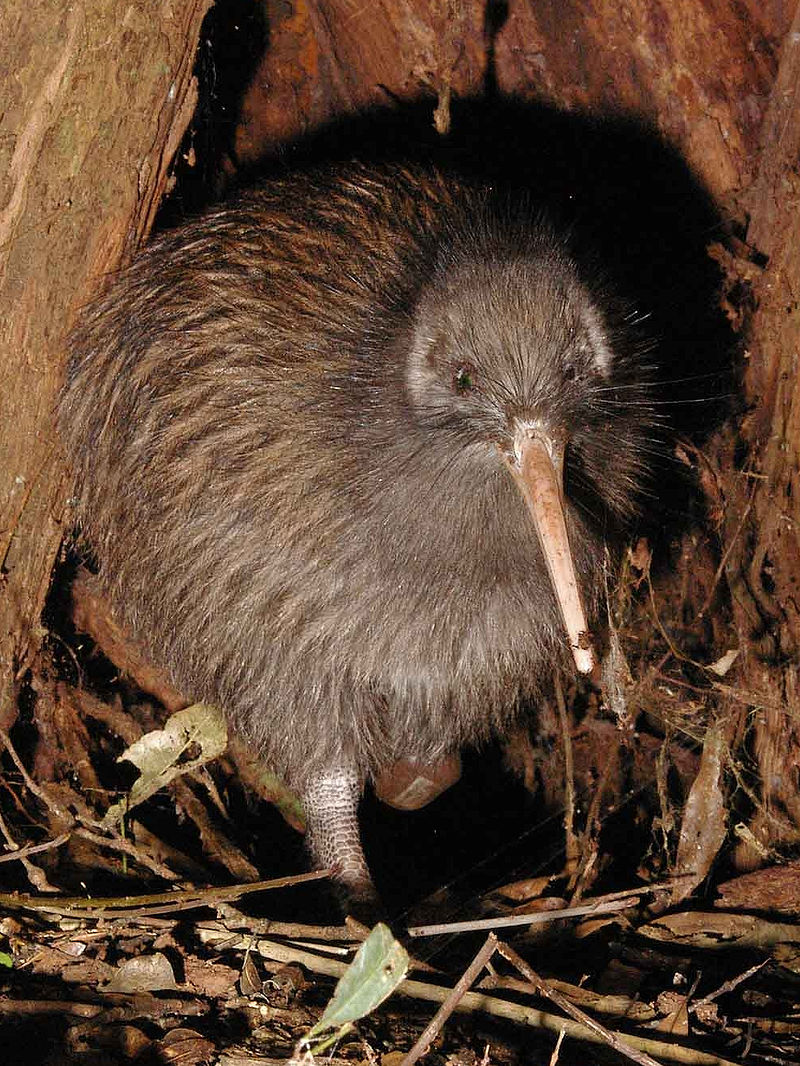
Apteryx
genus of birds

Phocidae
family of mammals

Hamster
Hamsters are rodents (order Rodentia) belonging to the subfamily Cricetinae, which contains 19 species classified in seven genera. They have become established as popular small pets. The best-known species of hamster is the golden or Syrian hamster (Mesocricetus auratus), which is the type most commonly kept as a pet. Other hamster species commonly kept as pets are the three species of dwarf hamster, Campbell's dwarf hamster (Phodopus campbelli), the winter white dwarf hamster (Phodopus sungorus) and the Roborovski hamster (Phodopus roborovskii), and the less common Chinese hamster (Cricetulus
%20-%20Macho%20(14010810322).jpg)
Fringillidae
The true finches are small to medium-sized passerine birds in the family Fringillidae. Finches generally have stout conical bills adapted for eating seeds and nuts and often have colourful plumage. They occupy a great range of habitats where they are usually resident and do not migrate. They have a worldwide native distribution except for Australia and the polar regions. The family Fringillidae contains more than two hundred species divided into fifty genera. It includes the canaries, siskins, redpolls, serins, grosbeaks and euphonias, as well as the morphologically divergent Hawaiian honeycre

marten
A marten is a weasel-like mammal in the genus Martes within the subfamily Guloninae, in the family Mustelidae. They have bushy tails and large paws with partially retractile claws. The fur varies from yellowish to dark brown, depending on the species; it is valued by animal trappers for the fur trade. Martens are slender, agile animals, which are adapted to living in the taiga, and inhabit coniferous and northern deciduous forests across the Northern Hemisphere.

hornbill
thumb|Illustration of Hornbills, c.1835-1840

Vulpes
Vulpes is a genus of the subfamily Caninae. The members of this genus are colloquially referred to as true foxes, meaning they form a proper clade. The word "fox" occurs in the common names of all species of the genus, but also appears in the common names of other canid species. True foxes are distinguished from members of the genus Canis, such as domesticated dogs, wolves, jackals and coyotes, by their smaller size (5–11 kg), longer, bushier tail, and flatter skull. They have black, triangular markings between their eyes and nose, and the tip of their tail is often a different color from

Didelphidae
Opossums () are members of the marsupial order Didelphimorphia () endemic to the Americas. The largest order of marsupials in the Western Hemisphere, it comprises 126 species in 18 genera. Opossums originated in South America and entered North America in the Great American Interchange following the connection of North and South America in the late Cenozoic.

Vombatidae
Wombats are short-legged, muscular quadrupedal marsupials of the family Vombatidae that are native to Australia. Living species are about in length with small, stubby tails and weigh between . They are adaptable and habitat tolerant, and are found in forested, mountainous, and heathland areas of southern and eastern Australia, including Tasmania, as well as an isolated patch of about in Epping Forest National Park in central Queensland.

Theraphosidae
Tarantulas are a group of large and often hairy spiders of the family Theraphosidae. More than a thousand species have been identified, within almost 200 genera. The term "tarantula" is usually used to describe members of the family Theraphosidae, although many other members of the same infraorder (Mygalomorphae) are commonly referred to as "tarantulas" or "false tarantulas". Some of the more common species have become popular in the exotic pet trade. Many New World species kept as pets have setae known as urticating hairs that can cause irritation to the skin, and in extreme cases, cause dama

Felis
Felis is a genus of small and medium-sized cat species native to most of Africa and south of 60° latitude in Europe and Asia to Indochina. The genus includes the domestic cat. The smallest of the seven Felis species is the black-footed cat with a head and body length from . The largest is the jungle cat with a head and body length from .

Nile crocodile
species of reptile

Sciurus
The genus Sciurus ( or ) contains most of the common, bushy-tailed squirrels in North America, Europe, temperate Asia, Central America and South America.

Exocoetidae
family of marine fishes

Otididae
Bustards, including floricans and korhaans, are large, terrestrial birds living mainly in dry grassland areas and in steppe regions. They range in length from . They make up the family Otididae (, formerly known as Otidae).

Sterninae
thumb|Common tern in flight
thumb|Common tern in flight

porpoise
Porpoises () are small dolphin-like cetaceans classified under the family Phocoenidae. Although similar in appearance to dolphins, they are more closely related to narwhals and belugas. There are eight extant species of porpoise, all among the smallest of the toothed whales. Porpoises are distinguished from dolphins by their flattened, spade-shaped teeth distinct from the conical teeth of dolphins, and lack of a pronounced beak, although some dolphins (e.g. Hector's dolphin) also lack a pronounced beak. Porpoises, and other cetaceans, belong to the clade Cetartiodactyla with even-toed ungulate
%20on%20the%20road.jpg)
Felinae
The Felinae or small cats are a subfamily of the Felidae distinguished by a bony hyoid, because of which they can purr but not roar.
Other authors have proposed an alternative definition for this subfamily, as comprising only the living conical-toothed cat genera, with two tribes, the Felini and Pantherini, and excluding the extinct sabre-toothed Machairodontinae.

Sequoia sempervirens
species of plant in the monotypic genus Sequoia in the cypress family (Cupressaceae)

Lesser Kestrel
species of bird
.jpg)
Hippopotamidae
Hippopotamidae is a family of stout, naked-skinned, and semiaquatic artiodactyl mammals, possessing three-chambered stomachs and walking on four toes on each foot. While they resemble pigs physiologically, their closest living relatives are the cetaceans. They are formally referred to as hippopotamids.

Varanus
genus of reptiles

Bovinae
Bovines (subfamily Bovinae) comprise a diverse group of 10 genera of medium to large-sized ungulates, including cattle, bison, African buffalo, water buffalos, and the four-horned and spiral-horned antelopes. The members of this group of bovids are classified into loose tribes rather than formal subgroups, as the evolutionary relationships within the groups are still uncertain. General characteristics include cloven hooves and usually at least one of the sexes of a species having true horns. The largest extant bovine is the gaur.

Caprinae
The subfamily Caprinae, also sometimes referred to as the tribe Caprini, is part of the ruminant family Bovidae, and consists of mostly medium-sized bovids. A member of this subfamily is called a caprine.
Gallus
Junglefowl are the four extant species of bird from the genus Gallus in the order Galliformes. They occur in parts of South and Southeast Asia. One of the species in this genus, the red junglefowl, is of historical importance as the direct ancestor of the domestic chicken, although the grey junglefowl, Sri Lankan junglefowl and green junglefowl are likely to have also been involved. The Sri Lankan junglefowl is the national bird of Sri Lanka. They diverged from their common ancestor about 4–6 million years ago. Although originating in Asia, junglefowl bones have also been found in Chile, which
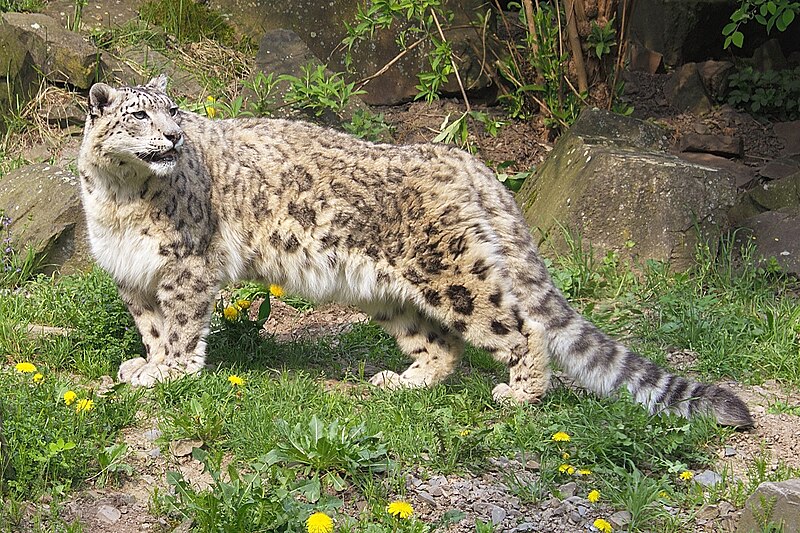
Pantherinae
The Pantherinae is a subfamily of the Felidae; it was named and first described by Reginald Innes Pocock in 1917 as only including the Panthera species, but later also came to include the clouded leopards (genus Neofelis). The Pantherinae genetically diverged from a common ancestor between and .

hammerhead sharks
family of fishes

Naja
Naja is a genus of venomous elapid snakes commonly known as cobras (or "true cobras"). Various species occur throughout Africa, Southwest Asia, South Asia, and Southeast Asia. Several other elapid species are often called "cobras", such as the king cobra and the rinkhals, but they are not "true cobras", in that they do not belong to the genus Naja.

Cricetidae
The Cricetidae are a family of rodents in the large and complex superfamily Muroidea. It includes true hamsters, voles, lemmings, muskrats, and New World rats and mice. At over 870 species, it is either the largest or second-largest family of mammals, and has members throughout the Americas, Europe and Asia.

baiji
The baiji (Lipotes vexillifer) is a possibly extinct species of river dolphin native to the Yangtze river system in China. It is thought to possibly be the first dolphin species driven to extinction due to the impact of humans. This dolphin is listed as "critically endangered: possibly extinct" by the IUCN, has not been definitively seen in over 20 years, and several surveys of the Yangtze have failed to find it. The species is also called the Chinese river dolphin, Yangtze river dolphin, Yangtze dolphin, and whitefin dolphin. The genus name Lipotes means "left behind" and the species epithet
%2C%20NPSPhoto%20(9255693421).jpg)
Crocodylus
Crocodylus is a genus of true crocodiles in the family Crocodylidae.
.JPG)
Tragulidae
Chevrotains, or mouse-deer, are small, even-toed ungulates that make up the family Tragulidae, and are the only living members of the infraorder Tragulina. The 10 extant species are placed in three genera, but several species also are known only from fossils. The extant species are found in forests in South and Southeast Asia; a single species, the water chevrotain, is found in the rainforests of Central and West Africa. In November 2019, conservation scientists announced that they had photographed silver-backed chevrotains (Tragulus versicolor) in a Vietnamese forest for the first time s
Struthio
Ostriches are large flightless birds. Two living species are recognised: the common ostrich, native to large parts of Sub-Saharan Africa, and the Somali ostrich, native to the Horn of Africa.

Dipodidae
Jerboas () are the members of the family Dipodidae. They are hopping desert rodents found throughout North Africa and Asia. They tend to live in hot deserts.

Old World porcupine
family of mammals
.jpg)
Branta
The black geese of the genus Branta are waterfowl belonging to the true geese and swans subfamily Anserinae. They occur in the northern coastal regions of the Palearctic and all over North America, migrating to more southerly coasts in winter, and as resident birds in the Hawaiian Islands. Alone in the Southern Hemisphere, a self-sustaining feral population derived from introduced Canada geese is also found in New Zealand.
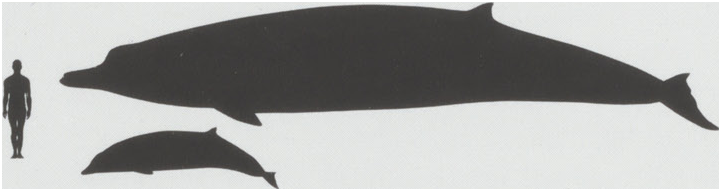
Ziphiidae
family of mammals

Vermilingua
Anteaters are the four extant mammal species in the suborder Vermilingua (meaning 'worm tongue'), commonly known for eating ants and termites. The individual species have other names in English and other languages. Together with sloths, they are within the order Pilosa. The name "anteater" is also commonly applied to the aardvark, numbat, echidnas, and pangolins, although they are not closely related to true anteaters.

Afrosoricida
The clade Afrosoricida (; a Latin-Greek compound name which means "looking like African shrews") contains the golden moles of Southern Africa, the otter shrews of equatorial Africa, and the tenrecs of Madagascar. These three groups of small mammals were for most of the 19th and 20th centuries regarded as a part of the Insectivora or Lipotyphla, but both of those groups, as traditionally used, are polyphyletic.

Bombycilla
The waxwings are three species of passerine birds classified in the genus Bombycilla. They are pinkish-brown and pale grey with distinctive smooth plumage in which many body feathers are not individually visible, a black and white eyestripe, a crest, a square-cut tail and pointed wings. Some of the wing feathers have red tips, the resemblance of which to sealing wax gives these birds their common name. According to most authorities, this is the only genus placed in the family Bombycillidae, although sometimes the family is extended to include related taxa that are more usually included in sepa

three-spined stickleback
species of fish