Russell A. Mittermeier;Anthony B. Rylands;Don E. Wilson
Rhinopithecus bieti
Sign in to saveAlso known as Yunnan snub-nosed monkey, Black snub-nosed monkey
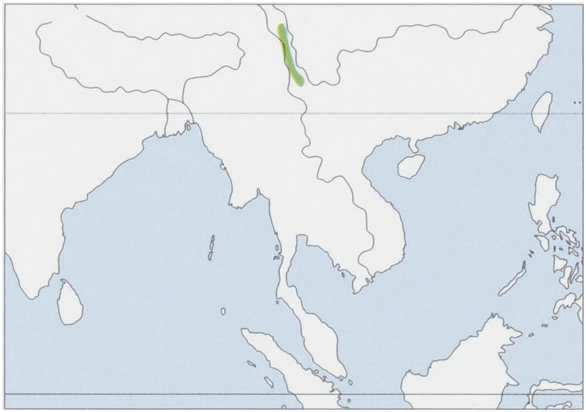
species of monkey which lives only in Yunnan, China
Species
EndangeredSPECIES
- KingdomAnimalia
- PhylumChordata
- ClassMammalia
- OrderPrimates
- FamilyCercopithecidae
滇金丝猴(学名:Rhinopithecus bieti)又名黑金丝猴、黑仰鼻猴、雪猴、大青猴、白猴、花猴、飞猴,藏语中称其为「知解」,傈僳族语称为「扎密普扎」,白语称为「摆药」(按:白文baip hhod,白猴之意)。它不同于人们熟悉的川金丝猴,它的体色是灰黑色的。滇金丝猴仅在中国的云南和西藏高山针叶林有分布,是世界上栖息海拔高度最高的灵长类动物,也因此它们很晚才被人们认识。长期以来滇金丝猴一直是人们狩猎的对象,现在由于人类活动,它们正受到栖息地缩小和分割的影响。 目录 1 分布 2 特征 3 习性 4 保护 4.1 濒危因素 4.2 科学研究 4.3 保护措施 5 参考 分布 滇金丝猴分布地带狭窄,仅在中国的云南西北、西藏东南的高山林地有分布。 特征 滇金丝猴的皮毛并不是金黄色的毛,以灰黑、白色为主。滇金丝猴体形较川金丝猴稍大,体长740-830毫米,雌性个体较雄性小。它们的头顶长有尖形黑色冠毛,眼周和吻鼻部青灰色或肉粉色,鼻端上翘呈深蓝色。身体背侧、手足和尾均为灰黑色,背后具有灰白色的稀疏长毛。身体腹面、颈侧、臀部及四肢内侧均为白色。尾较粗大基本等于体长,约510-720mm。 习性 滇金丝猴是世界上栖息海拔高度最高的灵长类动物。它们活动于海拔2500~5000米左右的高山暗针叶林内。如同其他灵长类动物一样,滇金丝猴也有社群等级行为,猴群为多雄多雌的混合群体,但种群内数量不大,多为20-60只,以家庭为单位活动。一个家庭常由一只雄性和2~3个雌性及若干幼仔组成。 由于暗针叶林的特点,它们的主要食物是针叶树的嫩叶和越冬的花苞及叶芽苞,也食松萝(一种树挂地衣,Bryoria nepalensis)和桦树的嫩枝芽及幼叶,有的月份也吃箭竹的竹笋和嫩竹叶。 滇金丝猴多是在7-8月出生的,由于栖息地高海拔季候晚的原因,要比川金丝猴产仔迟2-3月。 保护 目前,滇金丝猴的保护级别是: CITES濒危等级: 附录I 生效年代:1997年 IUCN濒危等级: 濒危 生效年代:1996年 中国国家重点保护等级: 一级 生效年代:1989年 中国濒危动物红皮书等级: 濒危 生效年代:1996年 濒危因素 过度利用:在滇金丝猴栖息地居住的多是中国的少数民族,他们传统上都有狩猎的习惯,对滇金丝猴的皮毛有需求,由于滇金丝猴长期以来没有被科学界证明存在,所以很晚才被重新认识,才得到国家的保护。据调查云南德钦1970年代数量不超过1000只,但1971年-1981年猎杀统计数达430多只。 栖息地破坏和种群隔离:由于人类活动对高原林地的利用,使原本狭小的滇金丝猴的生存空间受到严重积压。许多栖息地都受到了森林采伐、毁林开荒以及放牧的严重破坏,并导致社群分割,这使一些小的社群最后蚕食绝灭。 科学研究 滇金丝猴的模式标本于1871年採于云南德钦阿墩子,现收藏在法国巴黎自然历史博物馆。1897
via GBIF · IUCN
Museum specimens
- Specimen records
- 7
- With media
- 40
- Family
- Cercopithecidae
- Collections
- MNHN
- Recorded in
- Chine
Wikidata facts
- Instance of
- taxon
- Parent taxon
- Rhinopithecus
- Image
- RhinopitecusBieti.jpg
Show 10 more facts
- taxon rank
- species
- IUCN conservation status
- Endangered status
- taxon name
- Rhinopithecus bieti
- Commons category
- Rhinopithecus bieti
- taxon common name
- 滇金丝猴
- CITES Appendix
- Appendix I of CITES
- sequenced genome URL
- www.ensembl.org/Rhinopithecus_bieti
- diel cycle
- diurnality
- habitat
- forest
- endemic to
- China
Sources (1)
via Wikidata · CC0
~4 min read
Encyclopedic overview
Black-and-white snub-nosed monkeys. The black-and-white snub-nosed monkey (Rhinopithecus bieti), also known as the Yunnan snub-nosed monkey, is a large black and white primate that lives only in the southern Chinese province of Yunnan, where it is known to the locals as the Yunnan golden hair monkey (Chinese: 滇金丝猴) and the black-and-white snub-nosed monkey (黑白仰鼻猴). The common name, black snub-nosed monkey, is issued to Rhinopithecus strykeri, inhabiting the Northern Sino-Myanmar border. Coniferous and deciduous forests in the mountainous regions of Yunnan are the ideal terrain for these primates. It is threatened by habitat loss, and is considered an endangered species. With their unique adaptations to their environment, these monkeys thrive at extreme altitudes despite the below freezing temperatures and thin air. This primate's diet is mainly made up of the large amounts of lichens available in their region.
Anatomy and physiology
Excerpted from Wikipedia’s “Rhinopithecus bieti” article, available under the CC BY-SA 4.0 licence.