
File:Semaglutid_3Letter.svg · Wikimedia Commons · See Wikimedia Commons
semaglutide
Sign in to savethumb|Semaglutide (Ozempic) Autoinjector|self-injection pen thumb|Prescription vial of semaglutide (Rybelsus) pills Semaglutide is an anti-diabetic medication used for the treatment of type2 diabetes, and an anti-obesity medication used for long-term weight management and to reduce the risk of major adverse cardiovascular events. It is a peptide similar to the hormone glucagon-like peptide-1 (GLP-1), modified with a side chain. It can be administered by subcutaneous injection or taken orally. It is sold by Novo Nordisk under the brand names Ozempic and Rybelsus for diabetes, and under the bra
OverviewAI-generated
Semaglutide is a chemical compound with the formula C₁₈₇H₂₉₁N₄₅O₅₉. Its mass is 4111.115376892007, and it has a defined daily dose of 0.11. The substance carries a charge of 0 and features 57 hydrogen bond donors and 63 hydrogen bond acceptors. Its topological polar surface area is 1650, and its xlogp value is -5.8.
The compound is associated with weight loss medications, including Ozempic and Wegovy. These drugs have been described as wonder drugs for weight loss. However, reports indicate that such medications can leave lasting damage in the mouth. Semaglutide is referenced by 348 other encyclopedia articles.
Synthesized by Vinony from 19 facts across 4 sources: Wikidata, Firecrawl, PubChem, Vinony graph. Generated from structured data (not the Wikipedia text) and checked against those facts — may still contain errors.
Key facts
- Drug.image
- Semaglutid 3Letter.svg
- Drug.image_class
- skin-invert-image
- Drug.width
- 350
- Drug.alt
- Structure of Semaglutide
- Drug.pronounce
- or
- Drug.tradename
- Ozempic, Rybelsus, Wegovy, others
- Drug.MedlinePlus
- a618008
- Drug.DailyMedID
- Semaglutide
- Drug.pregnancy_AU
- D
- Drug.routes_of_administration
- Subcutaneous, oral
- Drug.ATC_prefix
- A10
- Drug.ATC_suffix
- BJ06
- Drug.legal_AU
- S4
- Drug.legal_CA
- Rx-only
- Drug.legal_CA_comment
- /Schedule D
- Drug.legal_UK
- POM
- Drug.legal_US
- Rx-only
- Drug.legal_EU
- Rx-only
via Wikipedia infobox
Chemical data
- Formula
- C187H291N45O59
- Molecular weight
- 4114 g/mol
- IUPAC name
- 18-[[(1R)-4-[2-[2-[2-[2-[2-[2-[[(5S)-5-[[(2S)-2-[[(2S)-2-[[(2S)-5-amino-2-[[2-[[(2S)-2-[[(2S)-2-[[(2S)-2-[[(2S)-2-[[(2S)-2-[[(2S)-2-[[(2S)-2-[[(2S)-2-[[(2S,3R)-2-[[(2S)-2-[[(2S,3R)-2-[[2-[[(2S)-2-[[2-[[(2S)-2-amino-3-(1H-imidazol-4-yl)propanoyl]amino]-2-methylpropanoyl]amino]-4-carboxybutanoyl]amino]acetyl]amino]-3-hydroxybutanoyl]amino]-3-phenylpropanoyl]amino]-3-hydroxybutanoyl]amino]-3-hydroxypropanoyl]amino]-3-carboxypropanoyl]amino]-3-methylbutanoyl]amino]-3-hydroxypropanoyl]amino]-3-hydroxypropanoyl]amino]-3-(4-hydroxyphenyl)propanoyl]amino]-4-methylpentanoyl]amino]-4-carboxybutanoyl]amino]acetyl]amino]-5-oxopentanoyl]amino]propanoyl]amino]propanoyl]amino]-6-[[(2S)-1-[[(2S)-1-[[(2S,3S)-1-[[(2S)-1-[[(2S)-1-[[(2S)-1-[[(2S)-1-[[(2S)-5-carbamimidamido-1-[[2-[[(2S)-5-carbamimidamido-1-(carboxymethylamino)-1-oxopentan-2-yl]amino]-2-oxoethyl]amino]-1-oxopentan-2-yl]amino]-3-methyl-1-oxobutan-2-yl]amino]-4-methyl-1-oxopentan-2-yl]amino]-3-(1H-indol-3-yl)-1-oxopropan-2-yl]amino]-1-oxopropan-2-yl]amino]-3-methyl-1-oxopentan-2-yl]amino]-1-oxo-3-phenylpropan-2-yl]amino]-4-carboxy-1-oxobutan-2-yl]amino]-6-oxohexyl]amino]-2-oxoethoxy]ethoxy]ethylamino]-2-oxoethoxy]ethoxy]ethylamino]-1-carboxy-4-oxobutyl]amino]-18-oxooctadecanoic acid
- SMILES
- CC[C@H](C)[C@@H](C(=O)N[C@@H](C)C(=O)N[C@@H](CC1=CNC2=CC=CC=C21)C(=O)N[C@@H](CC(C)C)C(=O)N[C@@H](C(C)C)C(=O)N[C@@H](CCCNC(=N)N)C(=O)NCC(=O)N[C@@H](CCCNC(=N)N)C(=O)NCC(=O)O)NC(=O)[C@H](CC3=CC=CC=C3)NC(=O)[C@H](CCC(=O)O)NC(=O)[C@H](CCCCNC(=O)COCCOCCNC(=O)COCCOCCNC(=O)CC[C@H](C(=O)O)NC(=O)CCCCCCCCCCCCCCCCC(=O)O)NC(=O)[C@H](C)NC(=O)[C@H](C)NC(=O)[C@H](CCC(=O)N)NC(=O)CNC(=O)[C@H](CCC(=O)O)NC(=O)[C@H](CC(C)C)NC(=O)[C@H](CC4=CC=C(C=C4)O)NC(=O)[C@H](CO)NC(=O)[C@H](CO)NC(=O)[C@H](C(C)C)NC(=O)[C@H](CC(=O)O)NC(=O)[C@H](CO)NC(=O)[C@H]([C@@H](C)O)NC(=O)[C@H](CC5=CC=CC=C5)NC(=O)[C@H]([C@@H](C)O)NC(=O)CNC(=O)[C@H](CCC(=O)O)NC(=O)C(C)(C)NC(=O)[C@H](CC6=CNC=N6)N
- InChIKey
- DLSWIYLPEUIQAV-CCUURXOWSA-N
- XLogP
- -5.8
- Polar surface area
- 1650 Ų
- H-bond donors
- 57
- H-bond acceptors
- 63
- Formal charge
- 0
via PubChem
Described at
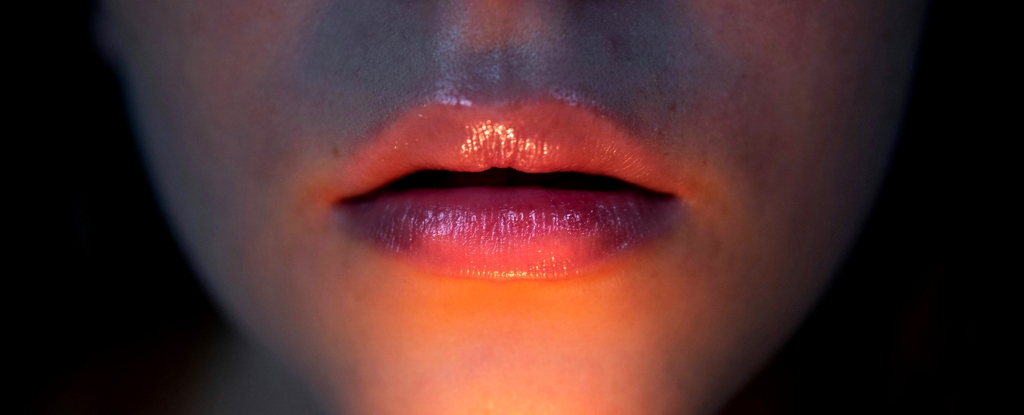
Weight-Loss Drugs Like Ozempic Can Leave Lasting Damage in Your Mouth : ScienceAlert
Ozempic and Wegovy have been hailed as wonder drugs when it comes to weight loss.
sciencealert.com →Ozempic and Wegovy have been hailed as wonder drugs when it comes to weight loss. But as the drug has become more widely used, a number of unintended side-effects have become apparent – with the weight loss drug affecting the appearance of everything from your butt to your feet . "Ozempic face" is another commonly reported consequences of using these popular weight loss drugs. This is a sunken or hollowed out appearance the face can take on in people taking weight loss drugs. It can also increase signs of ageing – including lines, wrinkles and sagging skin. But it isn't just the appearance of your face that semaglutide affects. These drugs may also affect the mouth and teeth, too. And these side-effects could potentially lead to lasting damage. Semaglutide affects the salivary glands in the mouth. It does this by reducing saliva production (hyposalivation ), which can in turn lead to dry mouth (xerostomia ). This means there isn't enough saliva to keep the mouth wet. It isn't exactly clear why semaglutide has this effect on the salivary glands. But in animal studies of the drug, it appears the drug makes saliva stickier . This means there's less fluid to moisten the mouth, causing it to dry out. GLP-1 receptor agonist drugs (such as semaglutide) can also reduce water intake by affecting areas in the brain responsible for thirst. Low fluid intake further reduces saliva production , and may even cause the saliva to become thick and frothy and the tongue to become sticky . One other commonly reported unwanted effect by semaglutide users is bad breath (halitosis). When there's less saliva flowing through the mouth, this encourages bacteria that contribute to bad breath and the formation of cavities to thrive. These bacterial species include Streptococcus mutans and some strains of Lactobacillus . Less saliva could have poor consequences for oral hygiene. (4FR/Getty Images Signature/Canva ) Another factor that might explain why semaglutide causes bad breath is because less saliva being produced means the tongue isn't cleaned. This is the same reason why your "morning breath" is so bad, because we naturally produce less saliva at night. This allows bacteria to grow and produce odours. Case report images show some people taking semaglutide have a "furry"-like or coated appearance to their tongue. This indicates a build up of bacteria that contribute to bad breath. One of the major side-effects of Ozempic is vomiting . Semaglutide slows how quickly the stomach empties, delaying digestion which can lead to bloating, nausea and vomiting. Repeated vomiting can damage the teeth . This is because stomach acid, composed primarily of hydrochloric acid , erodes the enamel of the teeth. Where vomiting occurs over a prolonged period of months and years the more damage will occur . The back surface of the teeth (palatal surface) closest to the tongue are more likely to see damage – and this damage may not be obvious to the sufferer. Vomiting also reduces the amount of fluid in the body. When combined with reduced saliva production, this puts the teeth at even greater risk of damage. This is because saliva helps neutralise the acid80286-2/pdf) that causes dental damage. Saliva also contributes to the dental pellicle – a thin, protective layer that the saliva forms on the surface of the teeth. It's thickest on the tongue-facing surface of the bottom row of teeth. In people who produce less saliva, the dental pellicle contains fewer mucins – a type of mucus which helps saliva stick to the teeth . If you're taking semaglutide, there are many things you can do to keep your mouth healthy. Drinking water regularly during the day can help to keep the oral surfaces from drying out. This helps maintain your natural oral microbiome , which can reduce the risk of an overgrowth of the bacteria that cause bad breath and tooth damage. Drinking plenty of water also enables the body to produce the saliva needed to prevent dry mouth, ideally the
Excerpt from a page describing this subject · 10,585 chars · not written by Vinony
Wikidata facts
- Instance of
- protein
- Subclass of
- glucagon-like peptide-1
- Author
- The Independent
- Mass
- 4111.115376892007
Show 9 more facts
- chemical formula
- C₁₈₇H₂₉₁N₄₅O₅₉
- medical condition treated
- obesity
- Commons category
- Semaglutide
- active ingredient in
- Rybelsus
- defined daily dose
- 0.11
- legal status (medicine)
- boxed warning
- isomeric SMILES
- CC[C@H](C)[C@@H](C(=O)N[C@@H](C)C(=O)N[C@@H](CC1=CNC2=CC=CC=C21)C(=O)N[C@@H](CC(C)C)C(=O)N[C@@H](C(C)C)C(=O)N[C@@H](CCCNC(=N)N)C(=O)NCC(=O)N[C@@H](CCCNC(=N)N)C(=O)NCC(=O)O)NC(=O)[C@H](CC3=CC=CC=C3)NC(=O)[C@H](CCC(=O)O)NC(=O)[C@H](CCCCNC(=O)COCCOCCNC(=O)COCCOCCNC(=O)CC[C@H](C(=O)O)NC(=O)CCCCCCCCCCCCCCCCC(=O)O)NC(=O)[C@H](C)NC(=O)[C@H](C)NC(=O)[C@H](CCC(=O)N)NC(=O)CNC(=O)[C@H](CCC(=O)O)NC(=O)[C@H](CC(C)C)NC(=O)[C@H](CC4=CC=C(C=C4)O)NC(=O)[C@H](CO)NC(=O)[C@H](CO)NC(=O)[C@H](C(C)C)NC(=O)[C@H](CC(=O)O)NC(=O)[C@H](CO)NC(=O)[C@H]([C@@H](C)O)NC(=O)[C@H](CC5=CC=CC=C5)NC(=O)[C@H]([C@@H](C)O)NC(=O)CNC(=O)[C@H](CCC(=O)O)NC(=O)C(C)(C)NC(=O)[C@H](CC6=CN=CN6)N
- canonical SMILES
- CCC(C)C(NC(=O)C(Cc1ccccc1)NC(=O)C(CCC(=O)O)NC(=O)C(CCCCNC(=O)COCCOCCNC(=O)COCCOCCNC(=O)CCC(NC(=O)CCCCCCCCCCCCCCCCC(=O)O)C(=O)O)NC(=O)C(C)NC(=O)C(C)NC(=O)C(CCC(N)=O)NC(=O)CNC(=O)C(CCC(=O)O)NC(=O)C(CC(C)C)NC(=O)C(Cc1ccc(O)cc1)NC(=O)C(CO)NC(=O)C(CO)NC(=O)C(NC(=O)C(CC(=O)O)NC(=O)C(CO)NC(=O)C(NC(=O)C(Cc1ccccc1)NC(=O)C(NC(=O)CNC(=O)C(CCC(=O)O)NC(=O)C(C)(C)NC(=O)C(N)Cc1cnc[nH]1)C(C)O)C(C)O)C(C)C)C(=O)NC(C)C(=O)NC(Cc1c[nH]c2ccccc12)C(=O)NC(CC(C)C)C(=O)NC(C(=O)NC(CCCNC(=N)N)C(=O)NCC(=O)NC(CCCNC(=N)N)C(=O)NCC(=O)O)C(C)C
Sources (10)
via Wikidata · CC0
~28 min read
Encyclopedic overview
28 sectionsContents
- Medical uses
- United States
- European Union
- Side effects
- Contraindications
- Mechanism of action
- Structure and pharmacology
- History
- Clinical trials and early approvals for diabetes
- Trials for obesity
- Trials for cardiovascular health
- Society and culture
- Legal status
- Generics and copies
- India
- Brazil
- China
- Compounded versions
- Counterfeits
- Economics
- Cost, coverage and supply
- Economic impact on Denmark
- Rejection of Biden-Era Proposal
- Research
- Effect on lean body mass
- Notes
- References
- External links
thumb|Semaglutide (Ozempic) Autoinjector|self-injection pen thumb|Prescription vial of semaglutide (Rybelsus) pills
Semaglutide is an anti-diabetic medication used for the treatment of type2 diabetes, and an anti-obesity medication used for long-term weight management and to reduce the risk of major adverse cardiovascular events. It is a peptide similar to the hormone glucagon-like peptide-1 (GLP-1), modified with a side chain. It can be administered by subcutaneous injection or taken orally. It is sold by Novo Nordisk under the brand names Ozempic and Rybelsus for diabetes, and under the brand name Wegovy for weight management, weight loss, and the treatment of metabolic-associated steatohepatitis (nonalcoholic steatohepatitis).
Excerpted from Wikipedia’s “semaglutide” article, available under the CC BY-SA 4.0 licence.