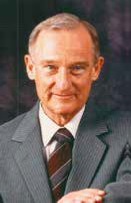
File:Seymour_R._Cray.JPG · Wikimedia Commons · See Wikimedia Commons
Seymour Cray
Sign in to saveAlso known as Seymour R. Cray, Seymour Roger Cray
Applied mathematician, computer scientist, and electrical engineer (1925–1996)
Key facts
- Born
- Seymour Roger Cray , ( 1925-09-28 ) September 28, 1925, Chippewa Falls, Wisconsin , US
- Died
- October 5, 1996 (1996-10-05) (aged 71), Colorado Springs, Colorado , US
- Alma mater
- University of Minnesota
- Known for
- Supercomputers
- Spouse s
- Verene Voll (1947–1978; divorced), Geri M. Harrand
- Relatives
- Andrew Cray (grandson)
- Fields
- Applied mathematics , computer science , and electrical engineering
- Institutions
- Engineering Research Associates , Control Data Corporation , Cray Research , Cray Computer Corporation , SRC Computers
via Wikipedia infobox
Wikidata facts
- Instance of
- human
- Given name
- Seymour
- Gender
- male
- Citizenship
- United States
- Place of birth
- Chippewa Falls
- Place of death
- Colorado Springs
- Occupation
- businessperson
- Employer
- Cray
- Field of work
- computer
- Image
- Seymour Cray.jpg
Show 9 more facts
- cause of death
- traffic collision
- date of birth
- 1925-09-28
- date of death
- 1996-10-05
- manner of death
- accidental death
- student
- Steve Chen
- Commons category
- Seymour Cray
- name in native language
- Seymour Cray
- on focus list of Wikimedia project
- Wikipedia:Vital articles/Level/4
- has works in the collection
- Computer History Museum
via Wikidata · CC0
~19 min read
Encyclopedic overview
Seymour Roger Cray (September 28, 1925 – October 5, 1996) was an American electrical engineer, computer scientist, mathematician, and supercomputer architect who designed a series of computers that were the fastest in the world for decades, and founded Cray Research, which built many of these machines. Called "the father of supercomputing", Cray has been credited with creating the supercomputer industry. Joel S. Birnbaum, then chief technology officer of Hewlett-Packard, said of him: "It seems impossible to exaggerate the effect he had on the industry; many of the things that high performance computers now do routinely were at the farthest edge of credibility when Seymour envisioned them." Larry Smarr, then director of the National Center for Supercomputing Applications at the University of Illinois said that Cray is "the Thomas Edison of the supercomputing industry."
Early life
Excerpted from Wikipedia’s “Seymour Cray” article, available under the CC BY-SA 4.0 licence.