Taskiwin
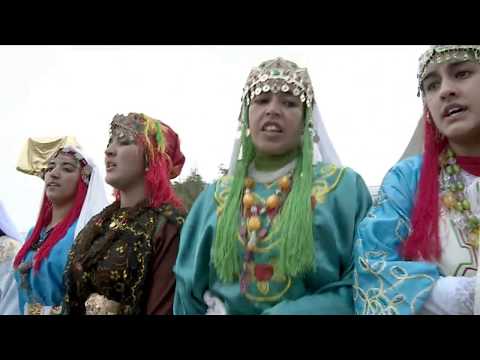
Sign in to saveTaskiwin (, ) is a traditional dance of Morocco that is recognized by UNESCO as Intangible Cultural Heritage. It is a martial dance that is specific to the western High Atlas mountain range in central Morocco. The dance gets its name from the richly decorated horn each dancer carries, known as the Tiskt. The dance involves the art of shaking one's shoulders to the rhythm of tambourines and flutes, and stomping the feet. The practice is said to foster social cohesion and harmony and provide a sense of identity and continuity for the communities that perform it.
Key facts
- Dance.name
- Taskiwin
- Dance.image
- File:تاسكيوين، الرقصة الاحتفالية لأمازيغ الأطلس الكبير الغربي للمغرب (3).jpg
- Dance.caption
- Taskiwin dancers in Irohalen village
- Dance.native_name
- ⵜⴰⵙⴽⵉⵡⵉⵏ / تاسكيوين
- Dance.genre
- Folk dance
- Dance.origin
- High Atlas, Morocco
- Intangible heritage.ICH
- Taskiwin, martial dance of the western High Atlas
- Intangible heritage.State Party
- Morocco
- Intangible heritage.Region
- AST
- Intangible heritage.ID
- 01256
- Intangible heritage.Year
- 2017
- Intangible heritage.Session
- 12th
- Intangible heritage.List
- Need of Urgent Safeguarding
via Wikipedia infobox
Described at
Taskiwin, martial dance of the western High Atlas - UNESCO Intangible Cultural Heritage
ich.unesco.org →Taskiwin is a martial dance specific to the western High Atlas mountain range in Central Morocco. The dance gets its name from the richly decorated horn each dancer carries – the Tiskt – and involves the art of shaking one’s shoulders to the rhythm of tambourines and flutes. The practice fosters social cohesion and harmony and provides a key means of socialization for young people. Transmission to young generations mainly occurs informally through direct learning. Due to several factors, however, the dance is now limited to a small number of villages and is at risk of disappearing. Globalization has driven it closer to oblivion, as reflected by young people’s increasing disdain for traditional heritage in favour of modern artistic practices. The dance is no longer practised by several communities and the remaining enthusiasts and bearers cannot find aspirants to whom they can transmit their know-how. Craftsmanship relating to the instruments and accessories is also in decline. Nonetheless, the last two decades have seen an increased collective awareness of the need to ensure the viability of Taskiwin among some communities. To this end, the first dedicated association in the region was created in 1993, an initiative followed by several other villages, and several local associations are now being created. 1. Oral traditions and expressions (384) 2. Performing arts (411) 3. Social practices, rituals and festive events (584) 4. Traditional craftsmanship (460)
Excerpt from a page describing this subject · 9,611 chars · not written by Vinony
Wikidata facts
- Subclass of
- dance
- Country
- Morocco
- Location
- High Atlas
- Image
- تاسكيوين، الرقصة الاحتفالية لأمازيغ الأطلس الكبير الغربي للمغرب (3).jpg
Show 3 more facts
- described at URL
- ich.unesco.org/es/USL/01256
- intangible cultural heritage status
- List of Intangible Cultural Heritage in Need of Urgent Safeguarding
- Commons category
- Taskiwin
Sources (1)
via Wikidata · CC0
~2 min read
Encyclopedic overview
4 sectionsContents
- History and Origin
- Instruments
- Current status
- References
Taskiwin (, ) is a traditional dance of Morocco that is recognized by UNESCO as Intangible Cultural Heritage. It is a martial dance that is specific to the western High Atlas mountain range in central Morocco. The dance gets its name from the richly decorated horn each dancer carries, known as the Tiskt. The dance involves the art of shaking one's shoulders to the rhythm of tambourines and flutes, and stomping the feet. The practice is said to foster social cohesion and harmony and provide a sense of identity and continuity for the communities that perform it.
Taskiwin is one among many traditional group dance styles of Morocco. It's also considered a subgenre of Ahwash.
Excerpted from Wikipedia’s “Taskiwin” article, available under the CC BY-SA 4.0 licence.