
File:Thomas_Mann_1929.jpg · Wikimedia Commons · See Wikimedia Commons
Thomas Mann
Sign in to saveAlso known as Paul Thomas Mann
romancier allemand, lauréat du prix Nobel de littérature 1929
Thomas Mann was a German novelist who lived from 1875 to 1955 and won the Nobel Prize for his literary achievements. He is considered one of the most important writers of the 20th century, known for exploring complex themes of art, society, and human nature in his novels.
AI-generated from the Wikipedia summary — may contain errors.
Film & TV
Lübeck, Germany
Known for
- The Magic Mountain: Thomas Mann's Emblematic Novel — Self - Writer (archive footage)2024
- Hitler: A Career — Self (archive footage)1977
- Thomas Mann — Self
via TMDB
Authority record · VIAF
- Lifespan
- 1875–1955
- Nationality
- DE, CH, US, JP, USA
- Role / Field
- Forfatter, Ecrivains, Authors, Writer, Vysokoskolsti ucitele, Literatura
- Language
- ger, deu
- Gender
- Male
Recorded by 46 libraries
via VIAF · OCLC
Nobel Prize
- The Nobel Prize in Literature1929
“principally for his great novel, Buddenbrooks, which has won steadily increased recognition as one of the classic works of contemporary literature”
Wikidata facts
- Instance of
- human
- Given name
- Thomas
- Family name
- Mann
- Gender
- male
- Citizenship
- United States
- Place of birth
- Lübeck
- Place of death
- Zurich
- Spouse
- Katia Mann
- Child
- Michael Mann
- Mother
- Júlia da Silva Bruhns
- Occupation
- writer
- Educated at
- Katharineum
- Employer
- Simplicissimus
- Political party
- German Democratic Party
- Languages spoken
- German
- Native language
- German
- Religion
- Lutheranism
- Field of work
- essay
- Image
- Thomas Mann 1929.jpg
- Work location
- Princeton
Show 22 more facts
- Commons gallery
- Thomas Mann
- Commons category
- Thomas Mann
- date of birth
- 1875-06-06
- date of death
- 1955-08-12
- topic's main category
- Category:Thomas Mann
- birth name
- Paul Thomas Mann
- member of
- Accademia Nazionale dei Lincei
- archives at
- University and State Library Düsseldorf
- nominated for
- Nobel Prize in Literature
- Commons Creator page
- Thomas Mann
- name in native language
- Thomas Mann
- writing language
- German
- influenced by
- Johann Wolfgang von Goethe
- P8168
- Orleans
- start of work period
- 1890-01-01
- end of work period
- 1955-01-01
- on focus list of Wikimedia project
- Wikipedia:Vital articles/Level/4
- manner of death
- natural causes
- cause of death
- aneurysm
- topic has template
- Template:Thomas Mann
- P12674
- The Piano
- relative
- Alfred Pringsheim
Sources (13)
via Wikidata · CC0
Works in European collections
18 objects attributed to Thomas Mann, held across European museums, libraries & archives · via Europeana
Letter from Hedwig Fischer, Samuel Fischer, Annette Kolb and Thomas Mann to Gerhart Hauptmann and Margarete Hauptmann.

Egy szélhámos vallomásai

Law

Elbeszélések

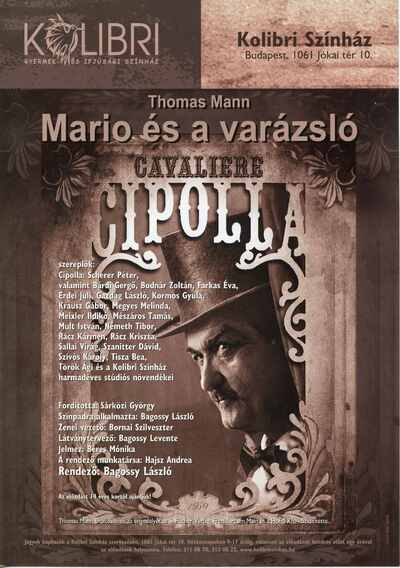
Mario és a varázsló

A varázshegy

József és testvérei

József és testvérei

Regény

Válogatott elbeszélések

Magyar Vakok és Gyengénlátók Országos Szövetségének hangoskönyvtára
Untitled
Untitled
Untitled
Untitled
Untitled
Untitled
Untitled
Article · Français
Thomas Mann (né le 6 juin 1875 à Lübeck et mort le 12 août 1955 à Zurich) est un écrivain allemand, lauréat du prix Nobel de littérature en 1929. Il est l'une des figures les plus éminentes de la littérature européenne de la première moitié du XXe siècle et est considéré comme un grand écrivain moderne de la décadence. Rompant peu à peu avec les formes littéraires traditionnelles, ses ouvrages comprenant romans, nouvelles et essais, font appel aux domaines des sciences humaines (histoire, philosophie, politique, analyse littéraire) pour produire une image du siècle et de ses bouleversements. Son œuvre, influencée par Arthur Schopenhauer, est centrée sur l'étude des rapports entre l'individu et la société. Elle oppose généralement la rigueur du travail intellectuel, la spiritualité et le culte de l'action. Cependant, Mann refuse de lier son existence à la décadence. Il n'aura de cesse de lutter à sa manière, comme son frère Heinrich, pour la défense des valeurs mises en péril par les différents « ismes » et les idéologies radicales. Au fil du temps, il devient une figure réellement engagée dans l'action politique et éthique. L'homme, au départ porteur de lourds préjugés venus de son pays et de son époque, fait face dans les moments difficiles et s'érige en représentant de la « bonne Allemagne » et de ses meilleures traditions.
Abstract from DBpedia / Wikipedia · CC BY-SA
Gallery (13)
Available in 119 languages
- Español
- Français
- Deutsch
- 中文
- 日本語
- Русский
- Português
- Italiano
- العربية
- हिन्दी
- Afrikaans
- Albanian
- Albanian
- Aragonese
- Armenian
- Assamese
- Asturian
- Aymara
Show 100 more
- azb
- Azerbaijani
- Bahasa Indonesia
- Bangla
- Bashkir
- Basque
- Bavarian
- be_x_old
- Belarusian
- Bosnian
- Breton
- Bulgarian
- Catalan
- Central Kurdish
- Chuvash
- Cornish
- Croatian
- Czech
- Danish
- Egyptian Arabic
- Esperanto
- Estonian
- Extremaduran
- Faroese
- Finnish
- Galician
- Georgian
- Goan Konkani
- Greek
- Haitian Creole
- Hakka Chinese
- Hebrew
- Hungarian
- Icelandic
- Ido
- Iloko
- Interlingua
- Interlingue
- Irish
- Javanese
- Kannada
- Kashubian
- Kazakh
- Kotava
- Kurdish
- Kyrgyz
- Latin
- Latvian
- Lingua Franca Nova
- Lithuanian
- Low German
- Luxembourgish
- Macedonian
- Malagasy
- Malay
- Malayalam
- Marathi
- Mazanderani
- Mingrelian
- Nederlands
- Newari
- Norwegian
- Norwegian Nynorsk
- Occitan
- Pampanga
- Piedmontese
- Polski
- Punjabi
- Quechua
- Romanian
- Scots
- Scottish Gaelic
- Serbian
- Serbian (Latin)
- simple
- Slovak
- Slovenian
- Svenska
- Swahili
- Tajik
- Tamil
- Tatar
- Tiếng Việt
- Türkçe
- Ukrainian
- Urdu
- Uzbek
- Volapük
- Waray
- Welsh
- Western Frisian
- Western Mari
- Western Panjabi
- Wu Chinese
- Yoruba
- zh_min_nan
- zh_yue
- فارسی
- ไทย
- 한국어
via Wikidata sitelinks · CC0