
File:Thomas_Mann_1929.jpg · Wikimedia Commons · See Wikimedia Commons
Thomas Mann was a German novelist who lived from 1875 to 1955 and won the Nobel Prize for his literary achievements. He is considered one of the most important writers of the 20th century, known for exploring complex themes of art, society, and human nature in his novels.
AI-generated from the Wikipedia summary — may contain errors.
Film & TV
Lübeck, Germany
Known for
- The Magic Mountain: Thomas Mann's Emblematic Novel — Self - Writer (archive footage)2024
- Hitler: A Career — Self (archive footage)1977
- Thomas Mann — Self
via TMDB
Authority record · VIAF
- Lifespan
- 1875–1955
- Nationality
- DE, CH, US, JP, USA
- Role / Field
- Forfatter, Ecrivains, Authors, Writer, Vysokoskolsti ucitele, Literatura
- Language
- ger, deu
- Gender
- Male
Recorded by 46 libraries
via VIAF · OCLC
Nobel Prize
- The Nobel Prize in Literature1929
“principally for his great novel, Buddenbrooks, which has won steadily increased recognition as one of the classic works of contemporary literature”
Wikidata facts
- Instance of
- human
- Given name
- Thomas
- Family name
- Mann
- Gender
- male
- Citizenship
- United States
- Place of birth
- Lübeck
- Place of death
- Zurich
- Spouse
- Katia Mann
- Child
- Michael Mann
- Mother
- Júlia da Silva Bruhns
- Occupation
- writer
- Educated at
- Katharineum
- Employer
- Simplicissimus
- Political party
- German Democratic Party
- Languages spoken
- German
- Native language
- German
- Religion
- Lutheranism
- Field of work
- essay
- Image
- Thomas Mann 1929.jpg
- Work location
- Princeton
Show 22 more facts
- Commons gallery
- Thomas Mann
- Commons category
- Thomas Mann
- date of birth
- 1875-06-06
- date of death
- 1955-08-12
- topic's main category
- Category:Thomas Mann
- birth name
- Paul Thomas Mann
- member of
- Accademia Nazionale dei Lincei
- archives at
- University and State Library Düsseldorf
- nominated for
- Nobel Prize in Literature
- Commons Creator page
- Thomas Mann
- name in native language
- Thomas Mann
- writing language
- German
- influenced by
- Johann Wolfgang von Goethe
- P8168
- Orleans
- start of work period
- 1890-01-01
- end of work period
- 1955-01-01
- on focus list of Wikimedia project
- Wikipedia:Vital articles/Level/4
- manner of death
- natural causes
- cause of death
- aneurysm
- topic has template
- Template:Thomas Mann
- P12674
- The Piano
- relative
- Alfred Pringsheim
Sources (13)
via Wikidata · CC0
Works in European collections
18 objects attributed to トーマス・マン, held across European museums, libraries & archives · via Europeana
Letter from Hedwig Fischer, Samuel Fischer, Annette Kolb and Thomas Mann to Gerhart Hauptmann and Margarete Hauptmann.

Egy szélhámos vallomásai

Law

Elbeszélések

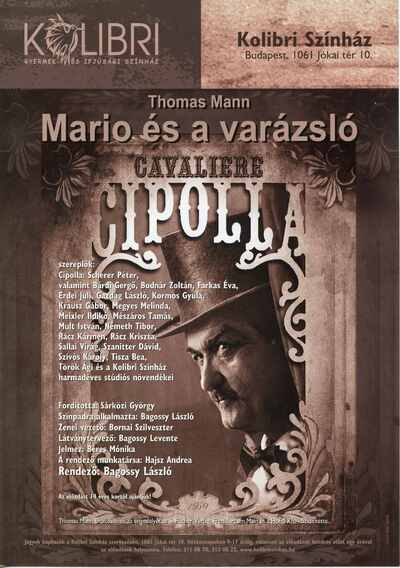
Mario és a varázsló

A varázshegy

József és testvérei

József és testvérei

Regény

Válogatott elbeszélések

Magyar Vakok és Gyengénlátók Országos Szövetségének hangoskönyvtára
Untitled
Untitled
Untitled
Untitled
Untitled
Untitled
Untitled
Article · 日本語
パウル・トーマス・マン(Paul Thomas Mann、1875年6月6日 - 1955年8月12日)は、ドイツ出身の小説家。 リューベックの富裕な商家に生まれる。当初は実科を学んだが処女小説『転落』が認められて文筆を志し、1901年に自身の一族の歴史をモデルとした長編『ブッデンブローク家の人々』で名声を得る。その後市民生活と芸術との相克をテーマにした『トーニオ・クレーガー』『ヴェニスに死す』などの芸術家小説や教養小説の傑作『魔の山』を発表し、1929年にノーベル文学賞を受賞した。 1933年にナチスが政権を握ると亡命し、スイスやアメリカ合衆国で生活しながら、聖書の一節を膨大な長編小説に仕立てた『ヨセフとその兄弟』、ゲーテに範を求めた『ワイマルのロッテ』『ファウストゥス博士』などを発表。終戦後もドイツに戻ることなく国外で過ごしたが、『ドイツとドイツ人』などの一連のエッセイや講演でドイツの文化に対する自問を続けた。 兄ハインリヒ・マン、長男クラウス・マンも著名な作家である。
Abstract from DBpedia / Wikipedia · CC BY-SA
Gallery (13)
Available in 119 languages
- Español
- Français
- Deutsch
- 中文
- 日本語
- Русский
- Português
- Italiano
- العربية
- हिन्दी
- Afrikaans
- Albanian
- Albanian
- Aragonese
- Armenian
- Assamese
- Asturian
- Aymara
Show 100 more
- azb
- Azerbaijani
- Bahasa Indonesia
- Bangla
- Bashkir
- Basque
- Bavarian
- be_x_old
- Belarusian
- Bosnian
- Breton
- Bulgarian
- Catalan
- Central Kurdish
- Chuvash
- Cornish
- Croatian
- Czech
- Danish
- Egyptian Arabic
- Esperanto
- Estonian
- Extremaduran
- Faroese
- Finnish
- Galician
- Georgian
- Goan Konkani
- Greek
- Haitian Creole
- Hakka Chinese
- Hebrew
- Hungarian
- Icelandic
- Ido
- Iloko
- Interlingua
- Interlingue
- Irish
- Javanese
- Kannada
- Kashubian
- Kazakh
- Kotava
- Kurdish
- Kyrgyz
- Latin
- Latvian
- Lingua Franca Nova
- Lithuanian
- Low German
- Luxembourgish
- Macedonian
- Malagasy
- Malay
- Malayalam
- Marathi
- Mazanderani
- Mingrelian
- Nederlands
- Newari
- Norwegian
- Norwegian Nynorsk
- Occitan
- Pampanga
- Piedmontese
- Polski
- Punjabi
- Quechua
- Romanian
- Scots
- Scottish Gaelic
- Serbian
- Serbian (Latin)
- simple
- Slovak
- Slovenian
- Svenska
- Swahili
- Tajik
- Tamil
- Tatar
- Tiếng Việt
- Türkçe
- Ukrainian
- Urdu
- Uzbek
- Volapük
- Waray
- Welsh
- Western Frisian
- Western Mari
- Western Panjabi
- Wu Chinese
- Yoruba
- zh_min_nan
- zh_yue
- فارسی
- ไทย
- 한국어
via Wikidata sitelinks · CC0