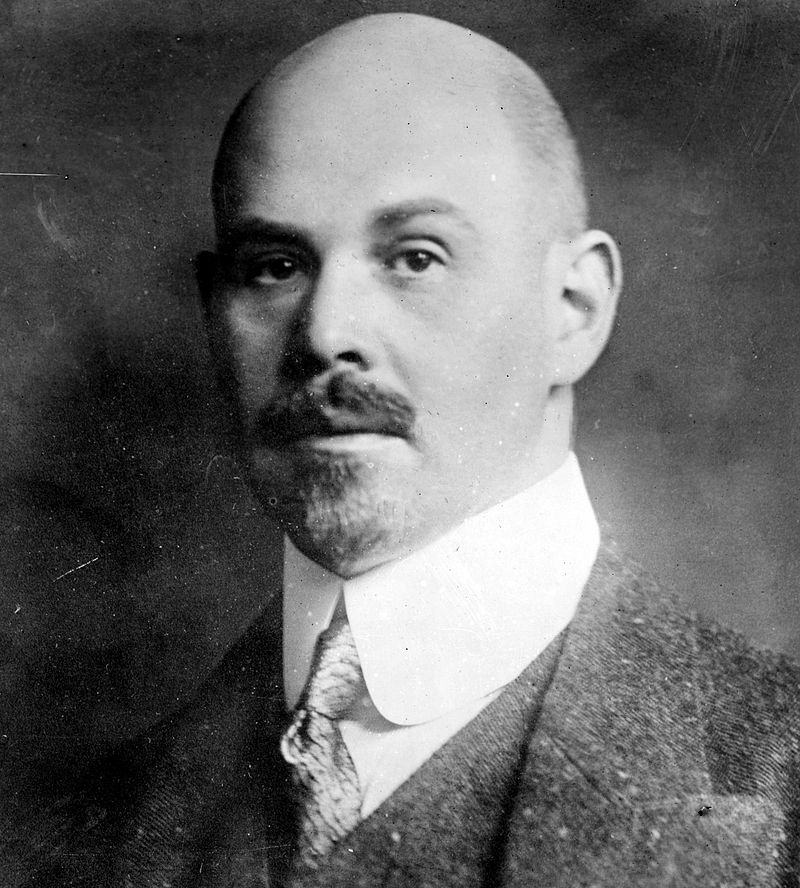
File:Walther_Rathenau.jpg · Wikimedia Commons · See Wikimedia Commons
Walther Rathenau
Sign in to saveAlso known as Dr. Walter Rathenau
German businessman, writer, art collector and politician (1867-1922)
Walther Rathenau was a prominent German industrialist, intellectual, and political figure in the early 20th century who used his influence across business, culture, and government to shape Weimar Germany. His life and assassination in 1922 remain historically significant as windows into the tensions and violence that characterized post-World War I Germany, though the context provided offers limited detail on the specific reasons for his importance.
AI-generated from the Wikipedia summary — may contain errors.
Film & TV
Berlin, Germany
Known for
- A History of Antisemitism — Self - Politician (archive footage)2022
- Mein Kampf — Self (archive footage)1960
via TMDB
Described at
Max Liebermanns Lichtdruck „Porträt Walther Rathenau“ (1912) – Liebermann-Villa
liebermann-villa.de →In einer vertiefenden Nachforschung im Rahmen des Seminars „Provenienzforschung zu Max Liebermann“ gemeinsam mit der TU Berlin, untersucht die Studentin Viktoria Gehricke die Provenienz eines Druckblattes von Max Liebermann und skizziert neben der Provenienzrecherche den Entstehungskontext dieses Werks. „Komm nächstes Mal, damit ich dir deinen Antisemitismus austreibe.“1 Dies war Max Liebermanns (1847–1935) Reaktion auf die Veröffentlichung des Artikels „Höre, Israel!“ 1897 durch seinen Neffen zweiten Grades Walther Rathenau (1867–1922) in der Berliner Wochenschrift „Die Zukunft“.2 Dessen Vater Emil Rathenau (1838–1915), Begründer der AEG, und Max Liebermann waren Cousins. Der kontrovers diskutierte Artikel war der erste von vielen gewesen, die Walther Rathenau in der Zeitschrift seines engen Freundes Maximilian Harden (1861–1927) veröffentlichen sollte. Darin beschrieb er seine Sicht auf das sogenannte „Assimilationsjudentum“ und die seiner Auffassung nach bestehende Pflicht für das gehobene jüdische Bürgertum, sich der preußischen Gesellschaft anzupassen. Ohne eine Konvertierung oder den aus seiner Sicht „unehrlichen“ Übertritt zum Protestantismus, war Rathenau aufgrund seiner Abstammung jedoch selbst bis zum Ende des Kaiserreichs von höheren Posten in Militär, Ministerien und Beamtentum ausgeschlossen. Seine Kritik brachte ihm Vorwürfe des Selbsthasses und des innerjüdischen Antisemitismus ein – ein seinerzeit vieldiskutiertes Phänomen – weshalb er sich später von diesem Artikel distanzierte. Gleichzeitig offenbart sich hierin viel über das Verhältnis zwischen Walther Rathenau und Max Liebermann, welcher seinem Neffen nach Lektüre des Vorab-Manuskriptes den eingangs zitierten kritischen, aber dennoch in liebevoll-versöhnlichem Ton gehaltenen Brief schrieb. Rathenau wiederum war die Meinung des 20 Jahre älteren Max Liebermann offenbar wichtig genug, um sie noch vor Veröffentlichung des Artikels einzuholen. Ferner schrieb er 1917 über die Rolle des Künstlers als seines Mentors, da er selbst der Kunst zugeneigt war und zeitlebens privat zeichnete, was nicht zuletzt die Skizzen in seinen Briefen bezeugen.3 Für die Kunst von Liebermann hatte er immer Bewunderung übrig, obwohl er dessen künstlerische Auffassung nur bedingt teilte, wie ein weiterer Aufsatz in Die Zukunft belegt4 , in welchem er jedoch die „alten echten Revolutionäre“ (wie Liebermann) von seiner Sezessions- und Moderne-Kritik ausnahm. Das durchaus lebhafte Verhältnis der beiden bestand ungebrochen bis zu Rathenaus tragischer Ermordung 1922 durch die rechtsextremen Attentäter der Organisation Consul. Die Druckgrafik auf Velin-Papier weist die Bildmaße 41 x 23,2 cm auf (Abb. 1). Sie zeigt Rathenau mit Halbglatze leicht seitlich stehend und bis zum Knie, im klassischen Dreiteiler mit Krawatte. Die linke Hand steckt leger in der Hosentasche, in der Rechten hält er eine Zigarette und greift ans Revers. Dabei geht sein Blick in Gedanken versunken schräg am Porträtisten vorbei. Der Strich ist locker und schnell ausgeführt, Falten und tiefe Schatten sind kräftig betont. Die ganze Figur wirkt eher skizzenhaft gestaltet, nur der Kopf ist feiner ausgearbeitet. Das Porträt ist in Gustav Schieflers Verzeichnis zum grafischen Werk Liebermanns nicht aufgeführt, erst in der ergänzenden Dissertation Achenbachs 1974 wurde es erfasst.5 Eine Ausführung als Gemälde ist nicht bekannt, jedoch erinnert die Haltung Rathenaus eindeutig an das von Edvard Munch 1907 gemalte Porträt (Abb. 2). Das Blatt ging 2013 als Schenkung aus bayerischem Privatbesitz mit weitgehend unbekannter Vorgeschichte in den Besitz der Max-Liebermann-Gesellschaft ein. Auf dem linken unteren Blattrand ist ein Prägestempel (Abb. 3) im Papier zu erkennen, welcher die Umschrift „Kunstanstalt Albert Frisch, Berlin W./Kgl. Preussischer Hoflieferant“ trägt. Die Kunstanstalt Albert Frisch war Druckerei und Verlag zugleich, 1875 gegründet.6 Es bleibt dabei unklar, ob die Grafik dort nur verlegt oder tatsächlich auch gedr
Excerpt from a page describing this subject · 19,430 chars · not written by Vinony
Wikidata facts
- Instance of
- human
- Gender
- male
- Citizenship
- Germany
- Place of birth
- Berlin
- Place of death
- Berlin
- Father
- Emil Rathenau
- Occupation
- art collector
- Educated at
- Humboldt-Universität zu Berlin
- Political party
- German Democratic Party
- Languages spoken
- German
- Native language
- German
- Religion
- Judaism
- Academic degree
- doctorate
- Doctoral advisor
- August Kundt
- Image
- Walther Rathenau.jpg
Show 13 more facts
- described by source
- Jewish Encyclopedia of Brockhaus and Efron
- manner of death
- homicide
- Commons category
- Walther Rathenau
- date of birth
- 1867-09-29
- date of death
- 1922-06-24
- cause of death
- gunshot wound
- name in native language
- Walther Rathenau
- writing language
- German
- pseudonym
- W. Hartenau
- P8168
- Isaac Hofi
- has works in the collection
- Städel Museum
Sources (7)
via Wikidata · CC0
Works in European collections
2 objects attributed to Walther Rathenau, held across European museums, libraries & archives · via Europeana
~23 min read
Encyclopedic overview
Walther Rathenau ( German: [ˈvaltɐ ˈʁaːtənaʊ]; 29 September 1867 – 24 June 1922) was a German industrialist, writer and politician who served as foreign minister of Germany from February 1922 until his assassination in June 1922.
Rathenau was one of Germany's leading industrialists in the late German Empire. During World War I, he played a key role in the organisation of the German war economy and headed the War Raw Materials Department from August 1914 to March 1915.
Excerpted from Wikipedia’s “Walther Rathenau” article, available under the CC BY-SA 4.0 licence.