File:Da_Vinci_Vitruve_Luc_Viatour.jpg · Wikimedia Commons · See Wikimedia Commons
Western culture
Sign in to saveAlso known as Western civilization, Western lifestyle, Occidental civilization, Occidental culture, Judeo-Christian civilization, Greco-Roman-Christian civilization, European Christian civilization, European civilization
heritage of norms, customs, belief and political systems, and artifacts and technologies associated with Europe (both indigenous and foreign origin)
Western culture refers to the shared traditions, values, beliefs, political systems, and creations—including technologies and art—that developed in Europe over time, drawing from both European sources and influences from elsewhere. It matters because these European-rooted ideas and practices have significantly shaped societies around the world through history and continue to influence how many people live today.
AI-generated from the Wikipedia summary — may contain errors.
Wikidata facts
- Subclass of
- culture
Show 5 more facts
- topic's main category
- Category:Western culture
- topic has template
- Template:Western culture
- studied by
- rangaku
- Commons category
- Western culture
- opposite of
- Eastern culture
Sources (2)
via Wikidata · CC0
~40 min read
Encyclopedic overview
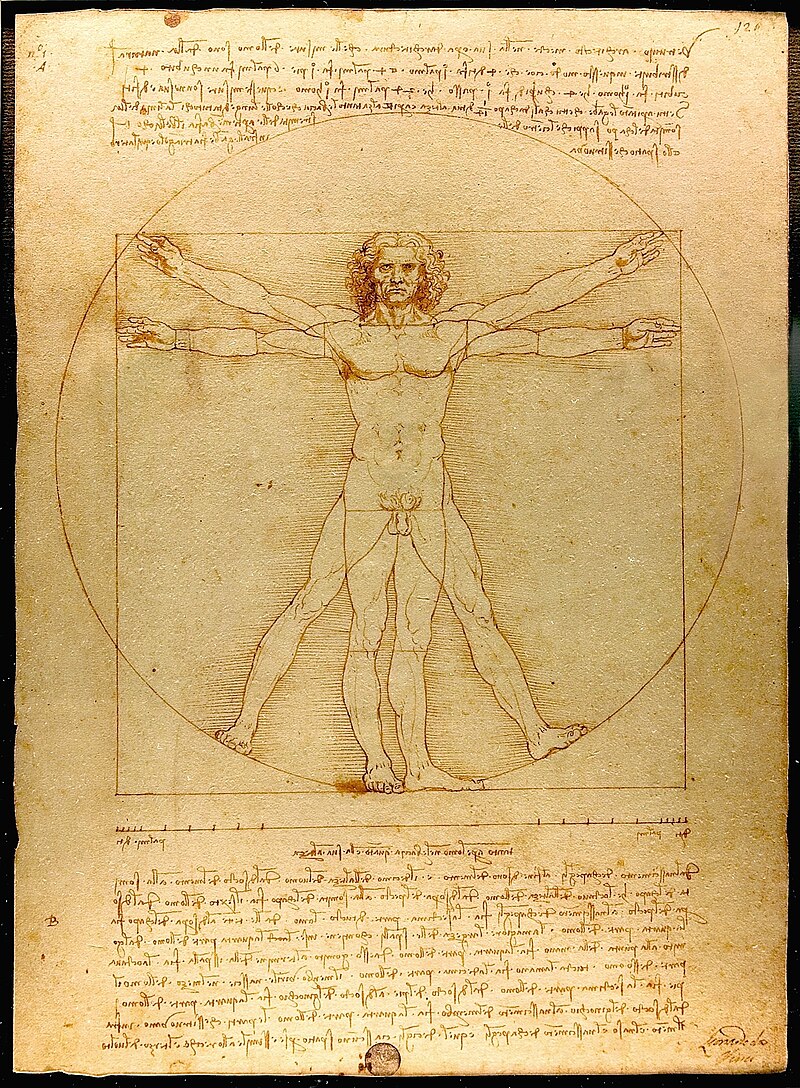
Leonardo da Vinci's Vitruvian Man, based on the correlations of ideal human proportions with geometry described by the ancient Roman architect Vitruvius in Book III of his treatise De architectura. Kristus i Getsemane (1873), an angel comforting Jesus Christ before his arrest in the Garden of Gethsemane, by Carl Heinrich Bloch.
Western culture, also known as Western civilization, European civilization, Occidental culture, Western society, or simply the West, is the internally diverse culture of the Western world. The term "Western" encompasses the social norms, ethical values, traditional customs, belief systems, political systems, artifacts and technologies primarily rooted in European and Mediterranean histories. A broad concept, "Western culture" does not relate to a region with fixed members or geographical confines. It generally refers to the classical era cultures of ancient Greece, ancient Rome, and their Christian successors that expanded across the Mediterranean basin and Europe, and later circulated around the world predominantly through colonization and globalization.
Excerpted from Wikipedia’s “Western culture” article, available under the CC BY-SA 4.0 licence.