Category
page 1Agaricomycetes genera

Cantharellus
Cantharellus is a genus of mushrooms, commonly known as chanterelles (), a name which can also refer to the type species, Cantharellus cibarius. They are mycorrhizal fungi, meaning they form symbiotic associations with plants. Chanterelles may resemble a number of other species, some of which are poisonous.

Geastrum
Geastrum (orthographical variant Geaster) is a genus of puffball-like mushrooms in the family Geastraceae. Many species are commonly known as earthstars.

Pholiota
Pholiota is a genus of small to medium-sized, fleshy mushrooms in the family Strophariaceae. They are saprobes that typically live on wood. The genus has a widespread distribution, especially in temperate regions, and contains about 150 species.

Ramaria
The genus Ramaria comprises approximately 200 species of coral fungi. Several, such as Ramaria flava, are edible and picked in Europe, though they are easily confused with several mildly poisonous species capable of causing nausea, vomiting, and diarrhea; these include R. formosa and R. pallida. Three Ramaria species have been demonstrated to contain a very unusual organoarsenic compound homoarsenocholine.
%20Figure%204G.png)
Hydnum
Hydnum is a genus of fungi in the family Hydnaceae. They are notable for their unusual spore-bearing structures of teeth rather than gills. The best known are the edible species Hydnum repandum and H. rufescens. There are no known toxic varieties of Hydnum. Widely regarded as important maintainers of forest ecosystems, the Hydnum genus is known to have ectomycorrhizal relationships with multiple plant families. Hydnum has many brittle, white teeth from which the spores drop. Some species have teeth which hang from ascending branches, while other species have teeth which project downwards from

Auricularia
Auricularia is a genus of fungi in the family Auriculariaceae. Basidiocarps (fruit bodies) are typically gelatinous and ear-shaped, with a slightly downy to conspicuously hirsute upper surface and an under surface that is smooth, wrinkled or veined. All species grow on wood. Several Auricularia species are edible and commercially cultivated on a large scale in China and East Asia.

Craterellus
Craterellus is a genus of generally edible fungi similar to the closely related chanterelles, with some new species recently moved from the latter to the former. Both groups lack true gills on the underside of their caps, though they often have gill-like wrinkles and ridges.

Phallus
genus of fungi

Clavulina
Clavulina is a genus of fungus in the family Clavulinaceae, in the Cantharelloid clade (order Cantharellales). Species are characterized by having extensively branched fruit bodies, white spore prints, and bisterigmate basidia (often with secondary septation). Branches are cylindrical or flattened, blunt, and pointed or crested at the apex, hyphae with or without clamps, basidia cylindrical to narrowly clavate, mostly with two sterigmata which are large and strongly incurved and spores subspherical or broadly ellipsoid, smooth, and thin-walled, each with one large oil drop or guttule. The genu

Phellinus
Phellinus is a genus of fungi in the family Hymenochaetaceae. Many species cause white rot. Fruit bodies, which are found growing on wood, are resupinate, sessile, and perennial. The flesh is tough and woody or cork-like, and brown in color. Clamp connections are absent, and the skeletal hyphae are yellowish-brown.

Inonotus
Inonotus is a genus of fungi in the family Hymenochaetaceae. The genus, described by Petter Karsten in 1879, is estimated to contain about 80 species sensu lato and 30 species sensu stricto (in the strict sense).

Clathrus
Clathrus is a genus of fungi of the family Phallaceae, the stinkhorn fungi. Mature fruit bodies are covered with olive-brown slimy gleba, containing spores, that attract flies. These fungi are saprobic (feeding on dead organic matter) and are common in mulch.
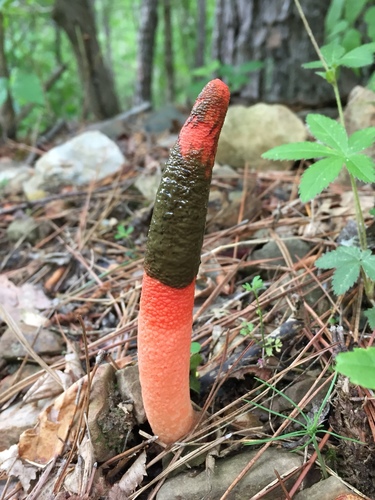
Mutinus
Mutinus is a genus of fungi in the family Phallaceae. The genus was first described by Elias Magnus Fries in 1849. According to the Dictionary of the Fungi (10th edition, 2008), the widespread genus contains 12 species.

Gomphus
genus of fungi

Exidia
Exidia is a genus of fungi in the family Auriculariaceae. The species are saprotrophic, occurring in attached or recently fallen dead wood, and produce gelatinous basidiocarps (fruit bodies). The fruit bodies are diverse, pustular, lobed, button-shaped or cup-shaped. Several species, including the type species Exidia glandulosa, have sterile pegs or pimples on their spore-bearing surface. The genus has a cosmopolitan distribution and around 20 species are currently recognized worldwide. Initial molecular research indicates the genus is artificial.
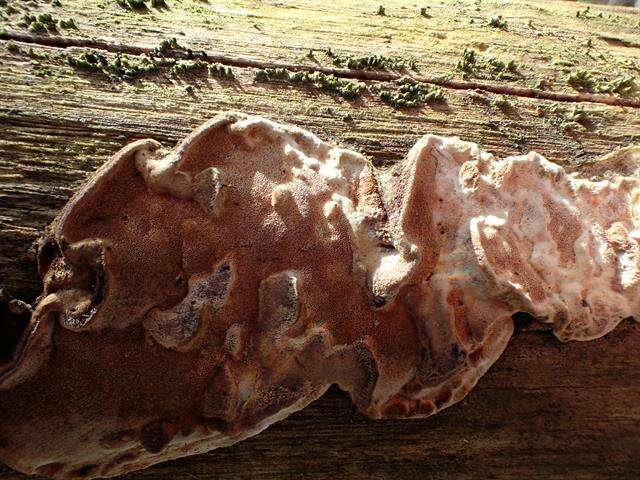
Fuscoporia
Fuscoporia is a genus of polypore fungi in the family Hymenochaetaceae. It was circumscribed by American mycologist William Alphonso Murrill in 1907.

Fomitiporia
Fomitiporia is a genus of fungi in the family Hymenochaetaceae. According to a 2008 estimate, the widely distributed genus contains 11 species, though three new species were identified in 2010 in sub-Saharan Africa using multigene molecular phylogenetic analysis, and two more were named in a 2013 article. In 2011 it was announced that a specimen of the species F. ellipsoidea was discovered with a fruit body that is largest known of any fungus. However, the species has since been moved to Phellinus.
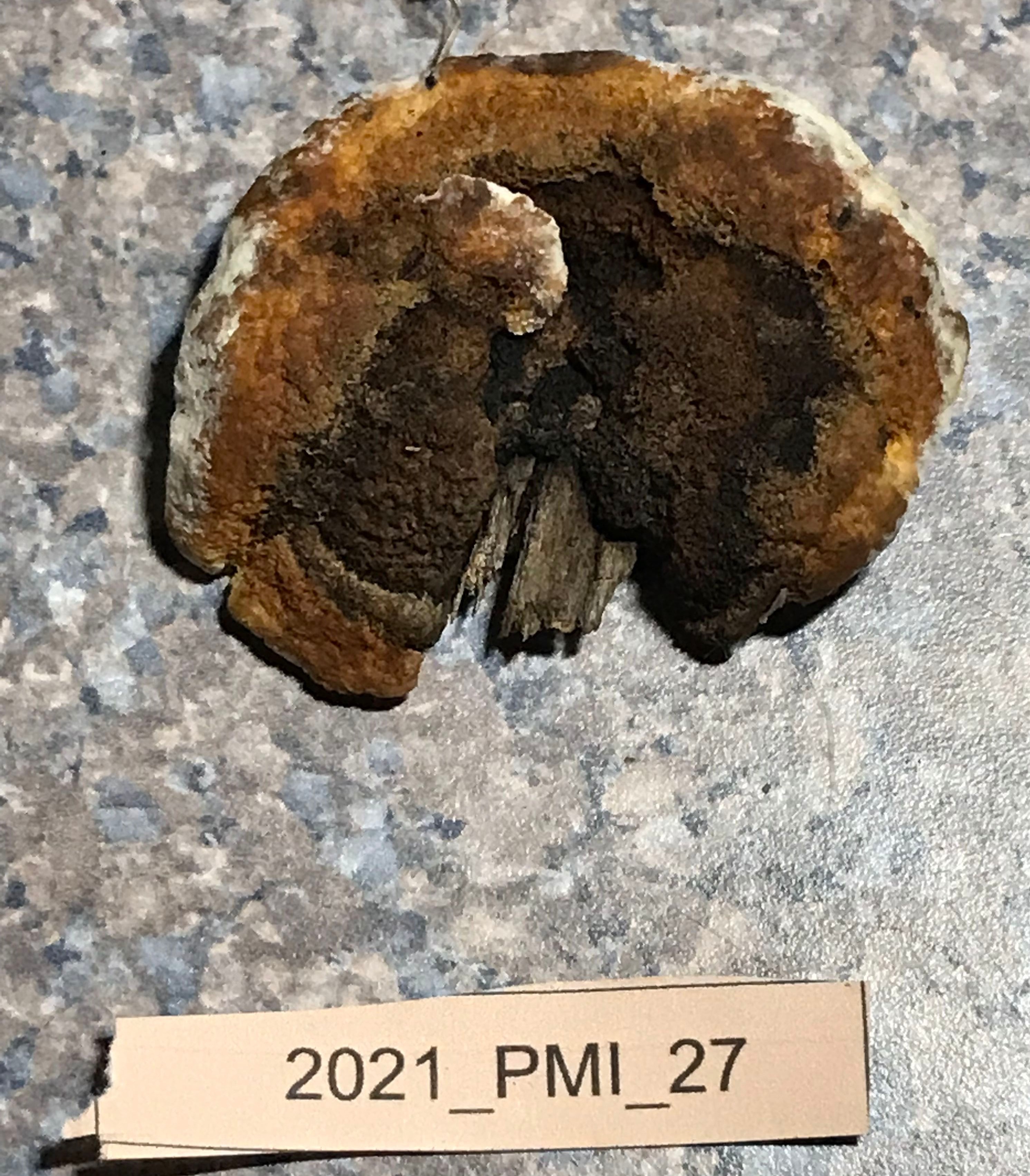
Gloeophyllum
Gloeophyllum is a genus of fungus in the class Agaricomycetes. It is characterized by the production of leathery to corky tough, brown, shaggy-topped, revivable fruitbodies lacking a stipe and with a lamellate to daedaleoid or poroid fertile hymenial surfaces. The hyphal system is dimitic to trimitic. The genus is further characterized by the production of a brown rot of wood. Phylogenetically, it along with several other brown rot Basidiomycota, Neolentinus, Heliocybe, and Veluticeps form an order called the Gloeophyllales.

Trichaptum
Trichaptum is a genus of poroid fungi. The genus was circumscribed by American mycologist William Alphonso Murrill in 1904. Formerly classified in the family Polyporaceae, several molecular studies have shown that the genus belongs to the order Hymenochaetales.
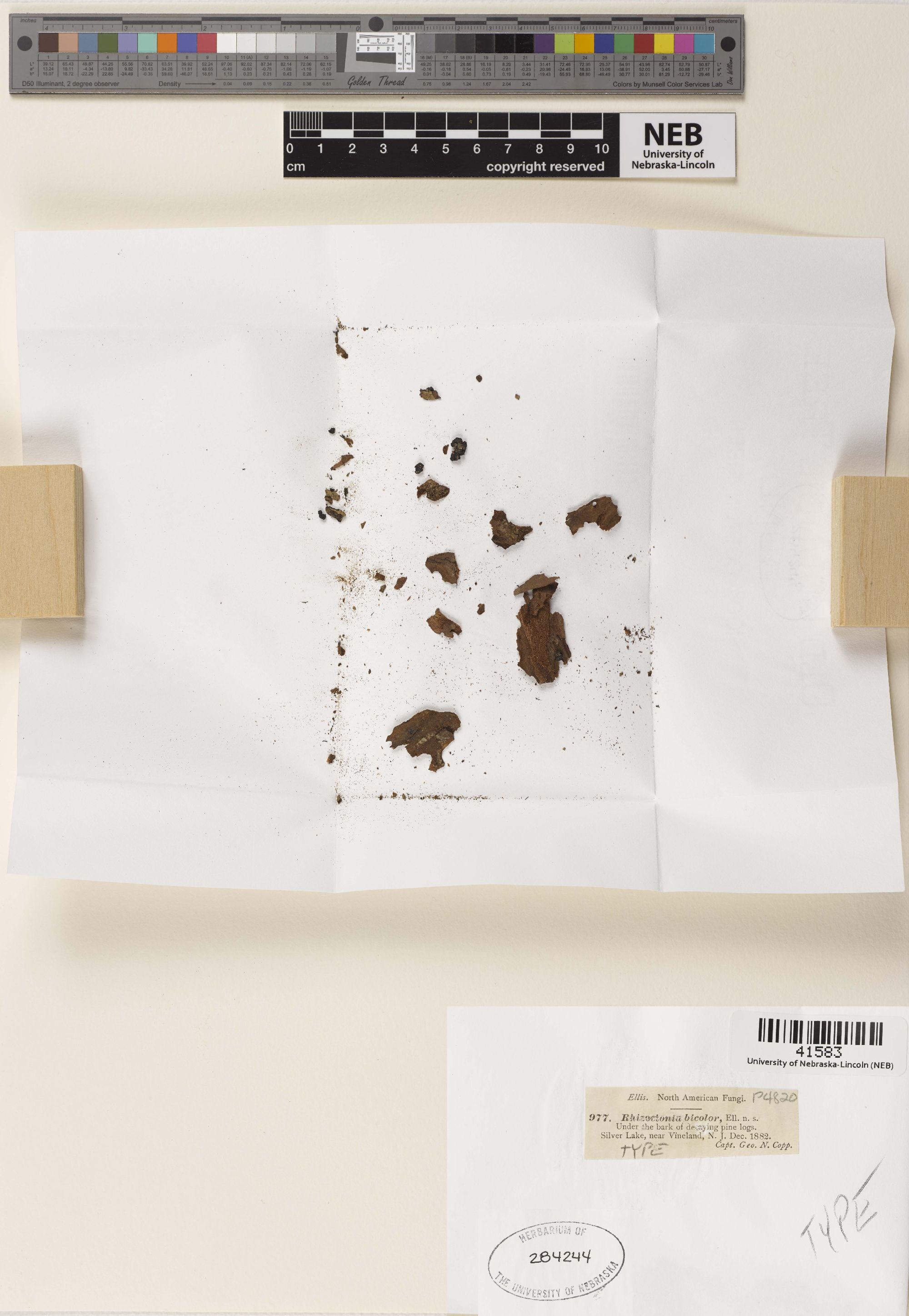
Rhizoctonia
Rhizoctonia is a genus of fungi in the family Ceratobasidiaceae. Species form thin, effused, corticioid basidiocarps (fruit bodies), but are most frequently found in their sterile, anamorph state. Rhizoctonia species are saprotrophic, but some are also facultative plant pathogens, causing commercially important crop diseases. Some are also endomycorrhizal associates of orchids. The genus name was formerly used to accommodate many superficially similar, but unrelated fungi. As of 2025, the synonymisation of several genera under a unified Rhizoctonia was formalised, and the genus now includes na
Hymenochaete
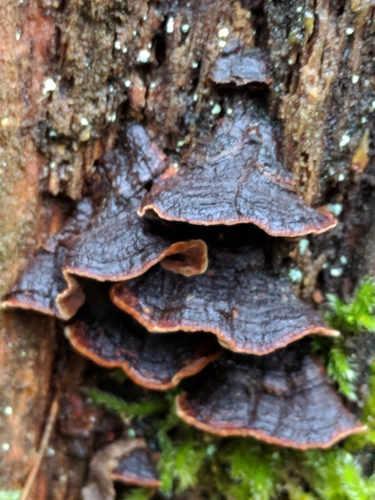
Hymenochaete is a genus of fungi in the family Hymenochaetaceae. The genus has a widespread distribution, especially in tropical regions.
Lysurus
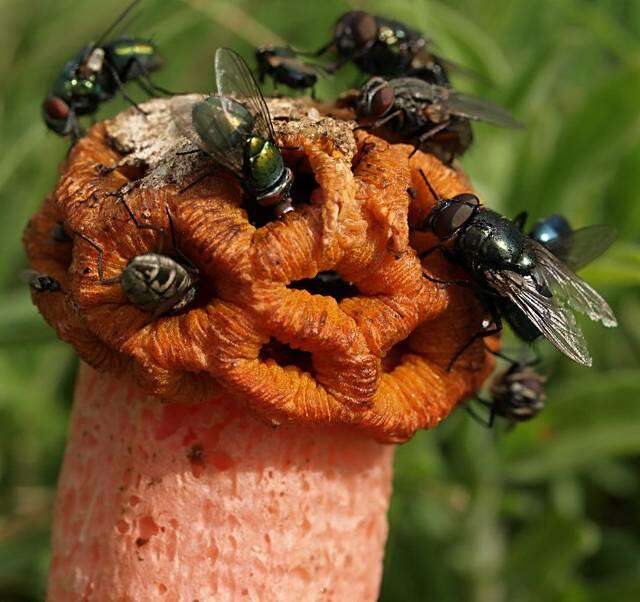
genus of fungi
Anomoloma
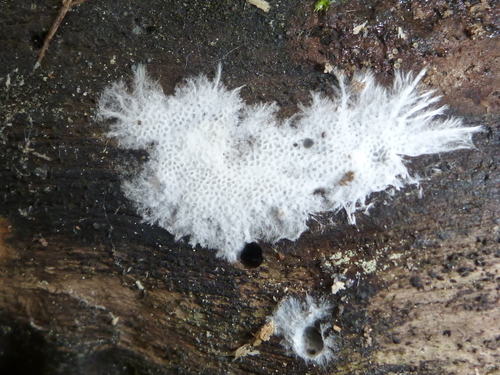
Anomoloma is a genus of crust fungi in the family Amylocorticiaceae. It was circumscribed by mycologists Tuomo Niemelä and Karl-Henrik Larsson in 2007. The generic name is derived from the Greek anomos, meaning "lawless", referring to the irregular rhizomorphic outline, and loma, meaning "margin" or "edge."

Clavariadelphus
Clavariadelphus is a genus of fungi in the family Clavariadelphaceae in the order Gomphales. Morphologically its members can be described as club fungi with simple, erect and unbranched basidiomata, even if the clavarioid fungi are today not seen as a systematic group. Numbers of described and currently accepted species are constantly rising, this might be connected both to applied new techniques and due to previously understudied areas like China. As of March 2026 there are, depending on the source, either 31, 34 or 35 accepted species currently recognized.

Amylocorticium
Amylocorticium is a genus of resupinate (crust-like) fungi in the Amylocorticiaceae family. The genus has a widespread distribution and contains 11 species.
Aseroë
Aseroe is a small genus of basidiomycete fungi of the family Phallaceae, though sometimes placed in the separate family Clathraceae. The genus name is derived from the Ancient Greek words Asē/αση 'disgust' and roē/ροη 'juice'. The genus was described with the collection and description of the type species Aseroe rubra in 1800 by French botanist Jacques Labillardière. As with other stinkhorn-like fungi, mature fruiting bodies are covered with olive-brown slime, containing spores, which attracts flies. These fungi are common in mulch and are saprobic.
Neolentinus
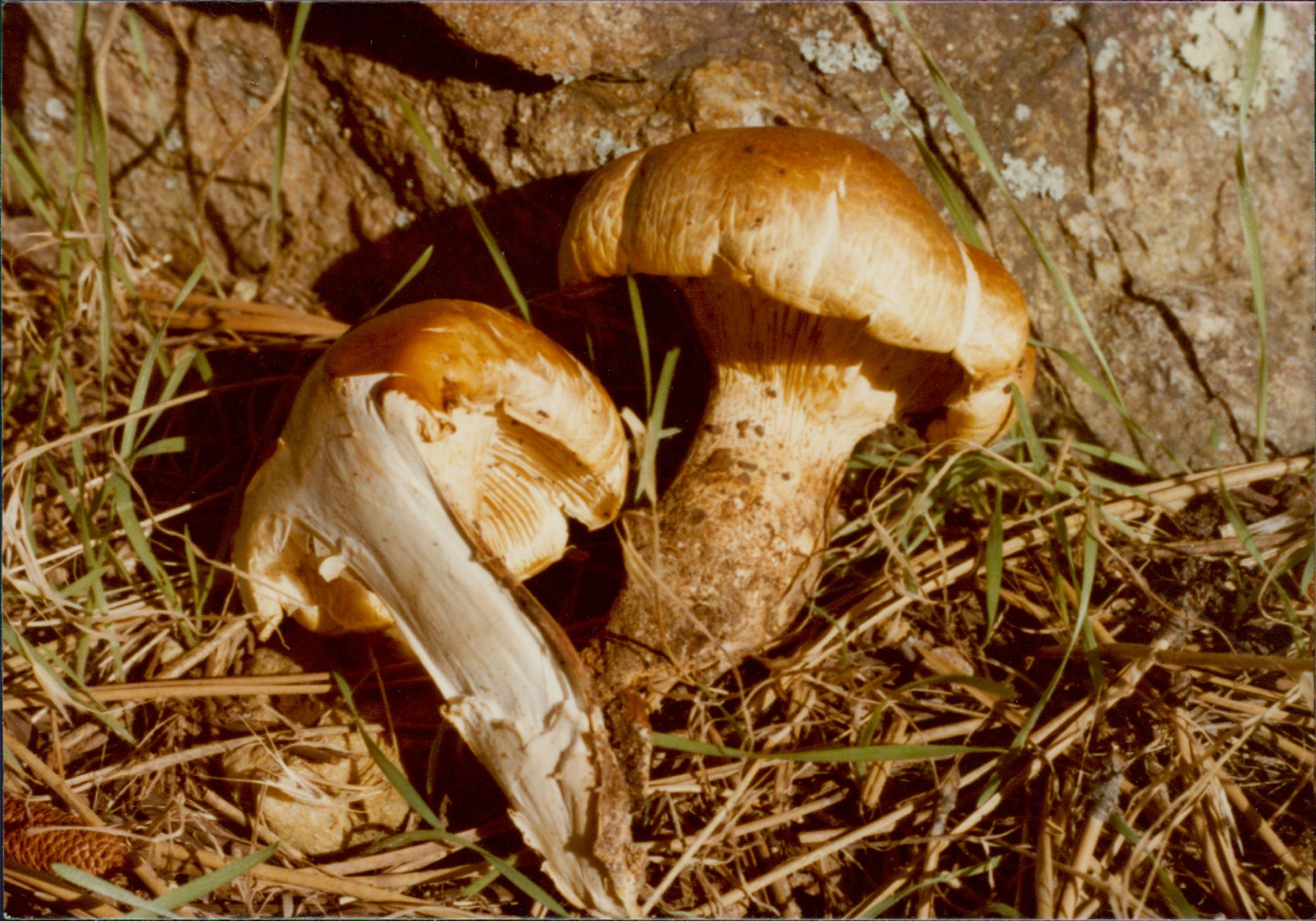
Neolentinus is a genus of wood-decaying agarics with tough (leathery to woody) fruit bodies composed of dimitic tissue, serrated lamella edges, and nonamyloid white binucleate basidiospores among other features. It was segregated from Lentinus in the broad taxonomic sense, hence the derivation of the name. Biologically Neolentinus species produce a brown rot type of decay of wood, whereas Lentinus causes a white rot. Molecular phylogenetic analysis shows that the two genera are unrelated. Neolentinus is phylogenetically allied to other brown rot genera such as Gloeophyllum, Heliocybe, and Velu
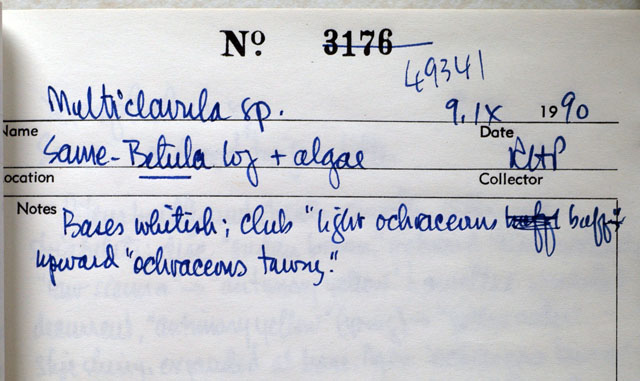
Multiclavula
Multiclavula is a genus of basidiolichens in the family Hydnaceae. The widespread genus contains 14 species. The genus was circumscribed by the American mycologist Ron Petersen in 1967, with Multiclavula corynoides assigned as the type species.
%20-%20geograph.org.uk%20-%201721019.jpg)
Hyphodontia
Hyphodontia is a genus of fungi in the family Hymenochaetaceae (Schizoporaceae in Index Fungorum). The genus was circumscribed by Swedish mycologist John Eriksson in 1958.
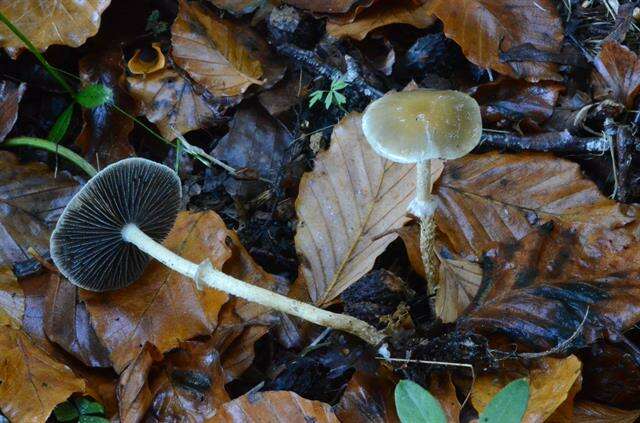
Leratiomyces
Leratiomyces is a genus of mushroom-forming basidiomycetes first proposed three times under invalid names, and finally validated in 2008. It includes several formerly described, variously, from the genera Stropharia, Hypholoma, and Weraroa. It was formerly classified as Stropharia section Stropholoma, though some authorities placed this section in the genus Hypholoma, as these species often have features that are intermediate between the two genera.

Vuilleminia
Vuilleminia is a genus of corticioid fungi in the family Vuilleminiaceae. It is named after the French mycologist Paul Vuillemin. According to a 2008 estimate, the genus contains 10 species which collectively have a widespread distribution.
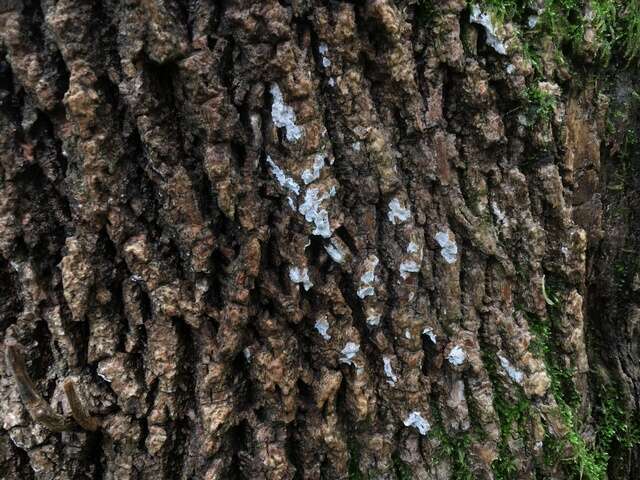
Dendrothele
Dendrothele is a genus of fungi in the family Corticiaceae. According to a 2008 estimate, the genus has 36 widely distributed species.

Jaapia
thumb | right | Jaapia argillacea
Jaapia is a genus in the monotypic family Jaapiaceae and order Jaapiales. The genus was first described by Italian mycologist Giacomo Bresadola in 1911, and contains two widely distributed species, J. argillacea and J. ochroleuca. The order was described in 2010.
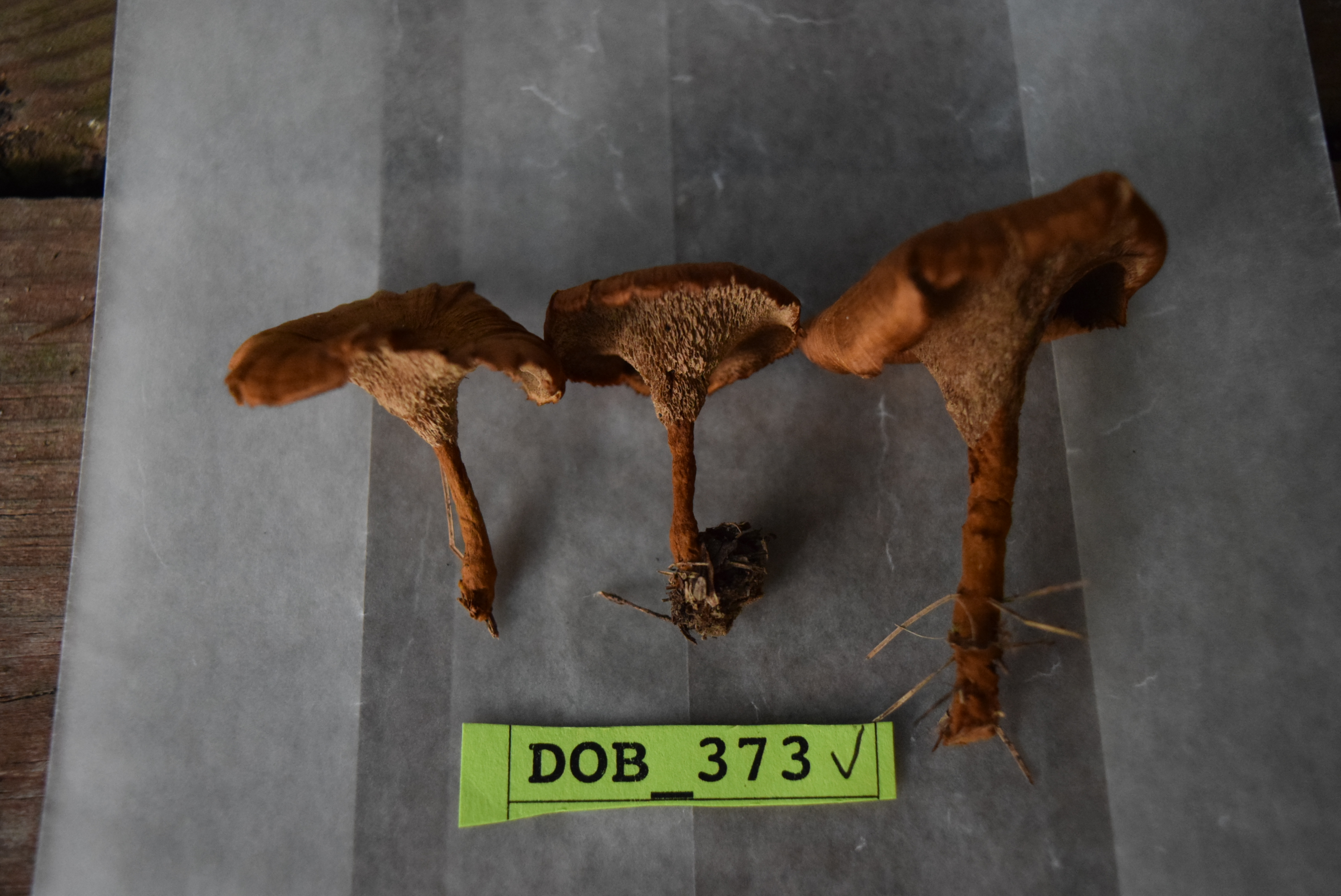
Coltricia
Coltricia is a genus of fungi in the family Hymenochaetaceae. It was circumscribed by Samuel Frederick Gray in 1821. In 2022, it was combined with the genus Coltriciella.
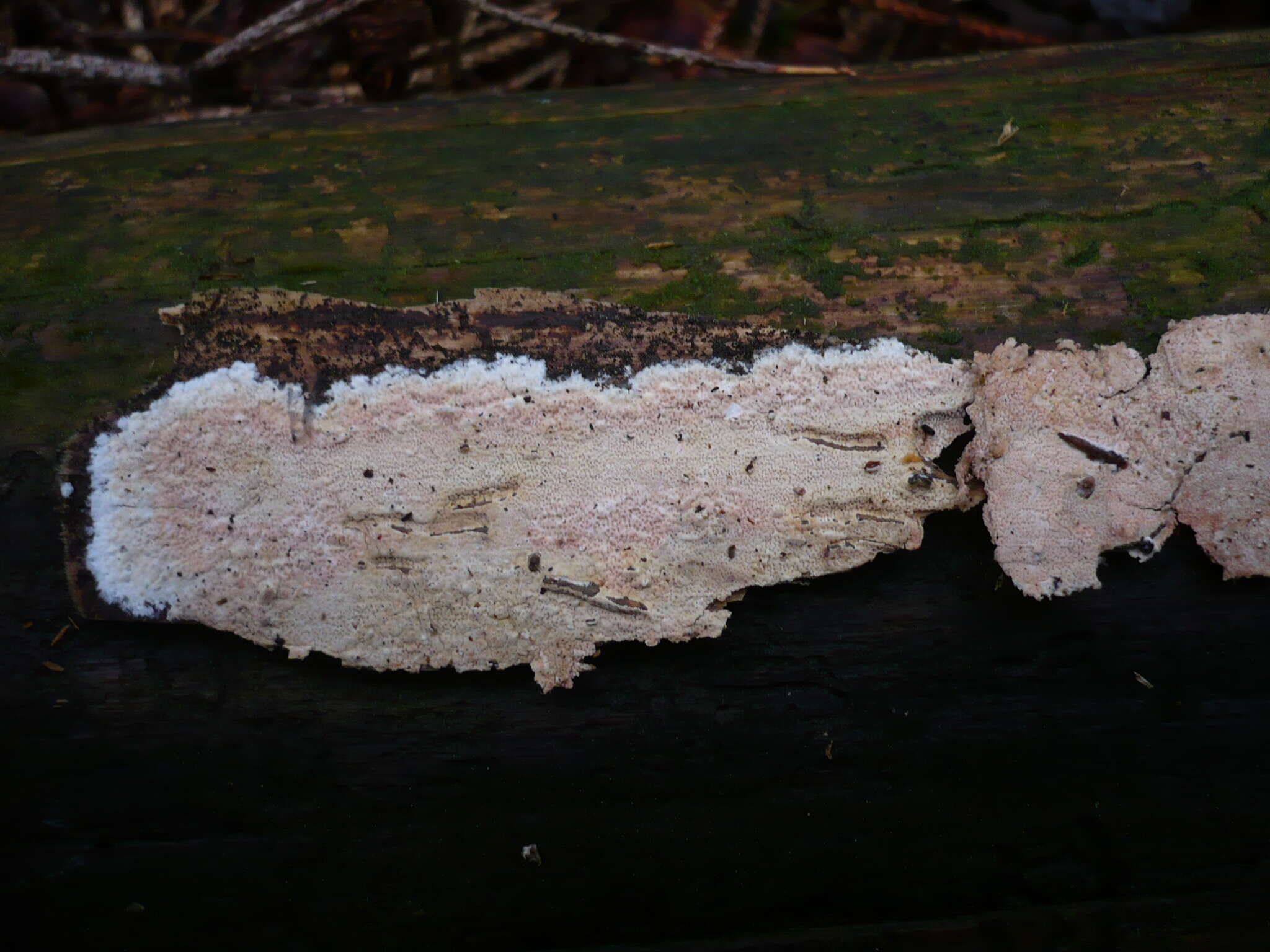
Ceraceomyces
Ceraceomyces is a genus of fungi in the family Amylocorticiaceae. The genus has a widespread distribution and contains 16 species.
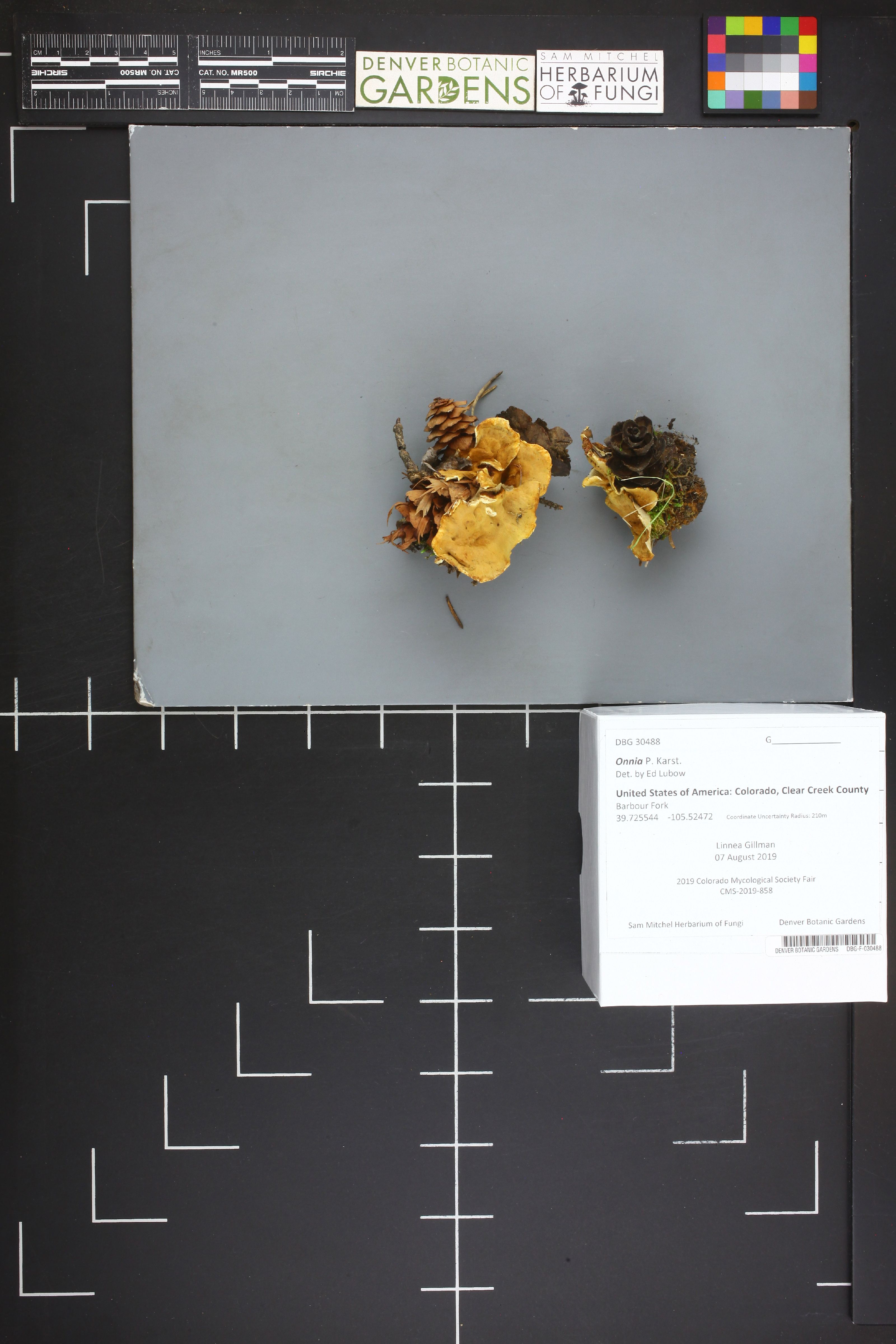
Onnia
genus of fungi
Asterodon
Asterodon is a genus of two species of crust fungi in the family Hymenochaetaceae. Several species once placed in this genus were transferred to Pseudasterodon.
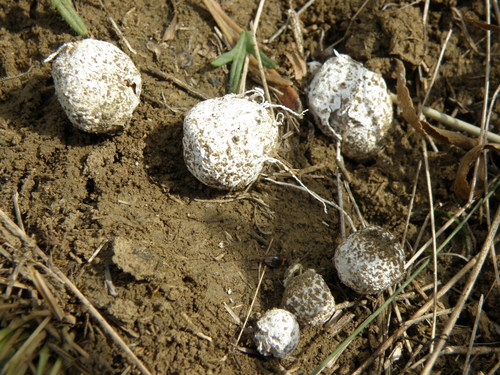
Gastrosporium
Gastrosporium is the sole genus in the fungal family Gastrosporiaceae. It contains two truffle-like species, the type G. simplex, and G. asiaticum. Both the family and genus were circumscribed by Italian mycologist Oreste Mattirolo in 1903.

Porodaedalea
Porodaedalea is a genus of fungi in the family Hymenochaetaceae. The genus was circumscribed by American mycologist William Alphonso Murrill in 1905.
Tubulicrinis
Tubulicrinis is a genus of crust fungi in the family Hymenochaetaceae. The genus was circumscribed by Dutch mycologist Marinus Anton Donk in 1956.

Inocutis
Inocutis is a genus of nine species of polypore fungi in the family Hymenochaetaceae.
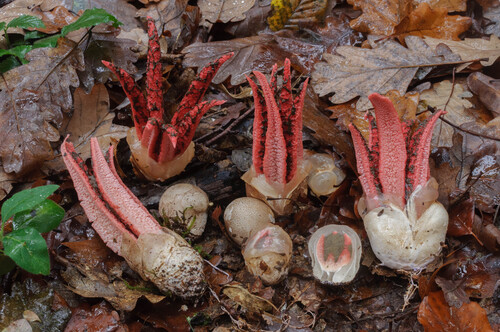
Pseudocolus
Pseudocolus is a genus of fungi in the stinkhorn family. The fruit bodies have three or four simple arms that are initially joined at the tip, but often break apart. The tips of the arms are covered with a slimy, foul-smelling gleba, which attracts insects that help disperse the spores. The genus contains three species: the type Pseudocolus fusiformis, P. garciae, similar in appearance to the type but with a pinkish to red, rather than orange color, and P. grandis, found in India.

Phellinidium
thumb | right | alt=Fruiting bodies of the plant pathogen Phellinidium weirii | It is of the same species
Phellinidium is a genus of fungi in the family Hymenochaetaceae. The genus, circumscribed in 1984, contains three species found in Europe.
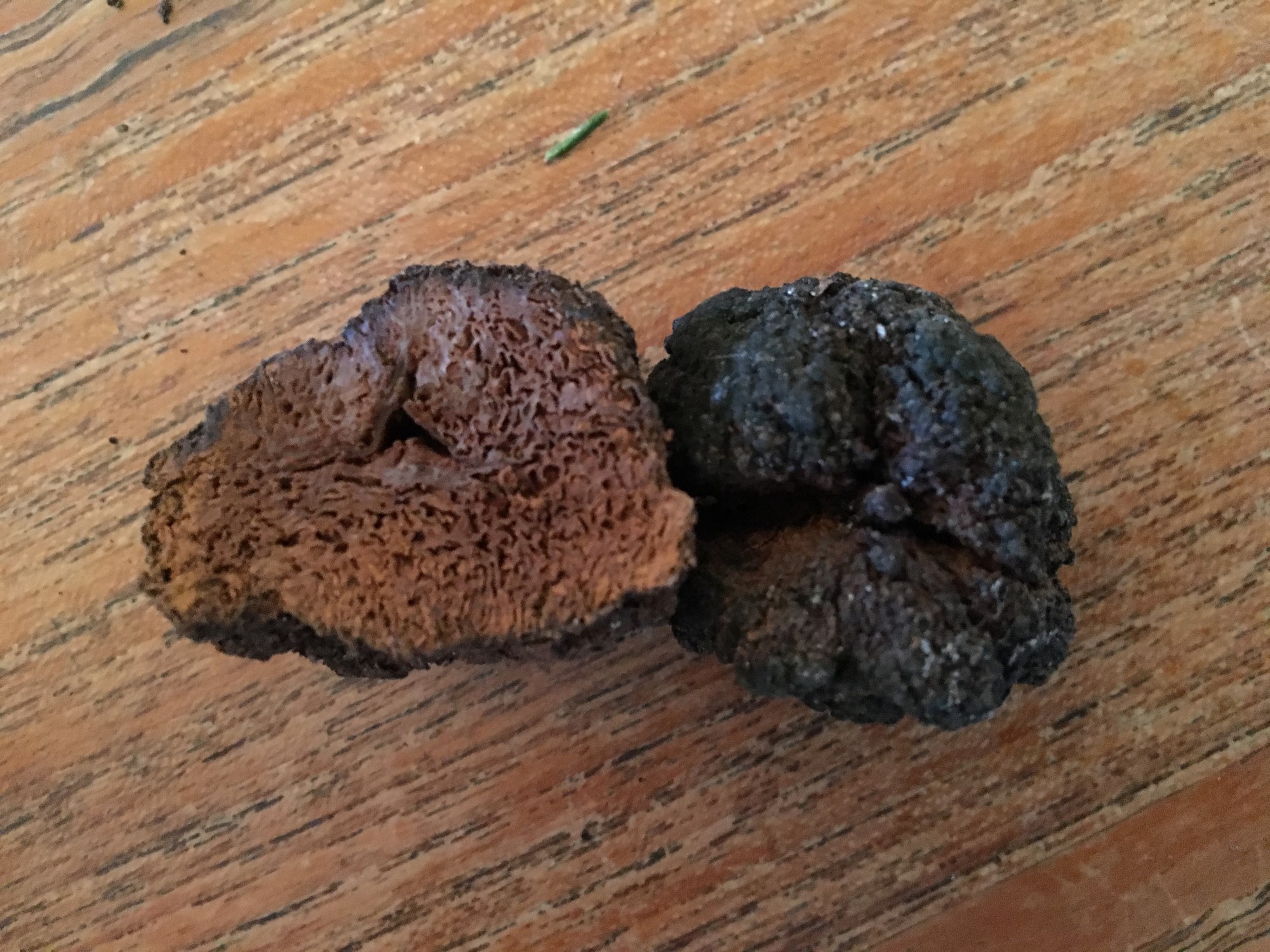
Gautieria
Gautieria is a genus of hypogeal fungi in the family Gomphaceae. They form mycorrhizae with various tree species, mostly from the family Pinaceae. Species are present over much of the world's temperate and boreal forest habitats. It is well documented that species from this genera are an important part of the diet of the northern flying squirrel (Glaucomys sabrinus). Also, some Australian marsupials, especially the rat-kangaroos, feed extensively on these fungi. The fungi also benefit from this relationship: not only do the squirrels help to disperse the spores and propagate the species, studi
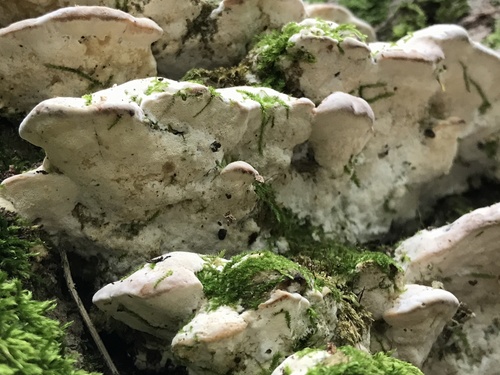
Oxyporus
Oxyporus is a genus of polypore fungi in the family Schizoporaceae. An individual family Oxyporaceae was described for the genus. A number of species in this genus are plant pathogens, causing a white rot. The genus is widely distributed.
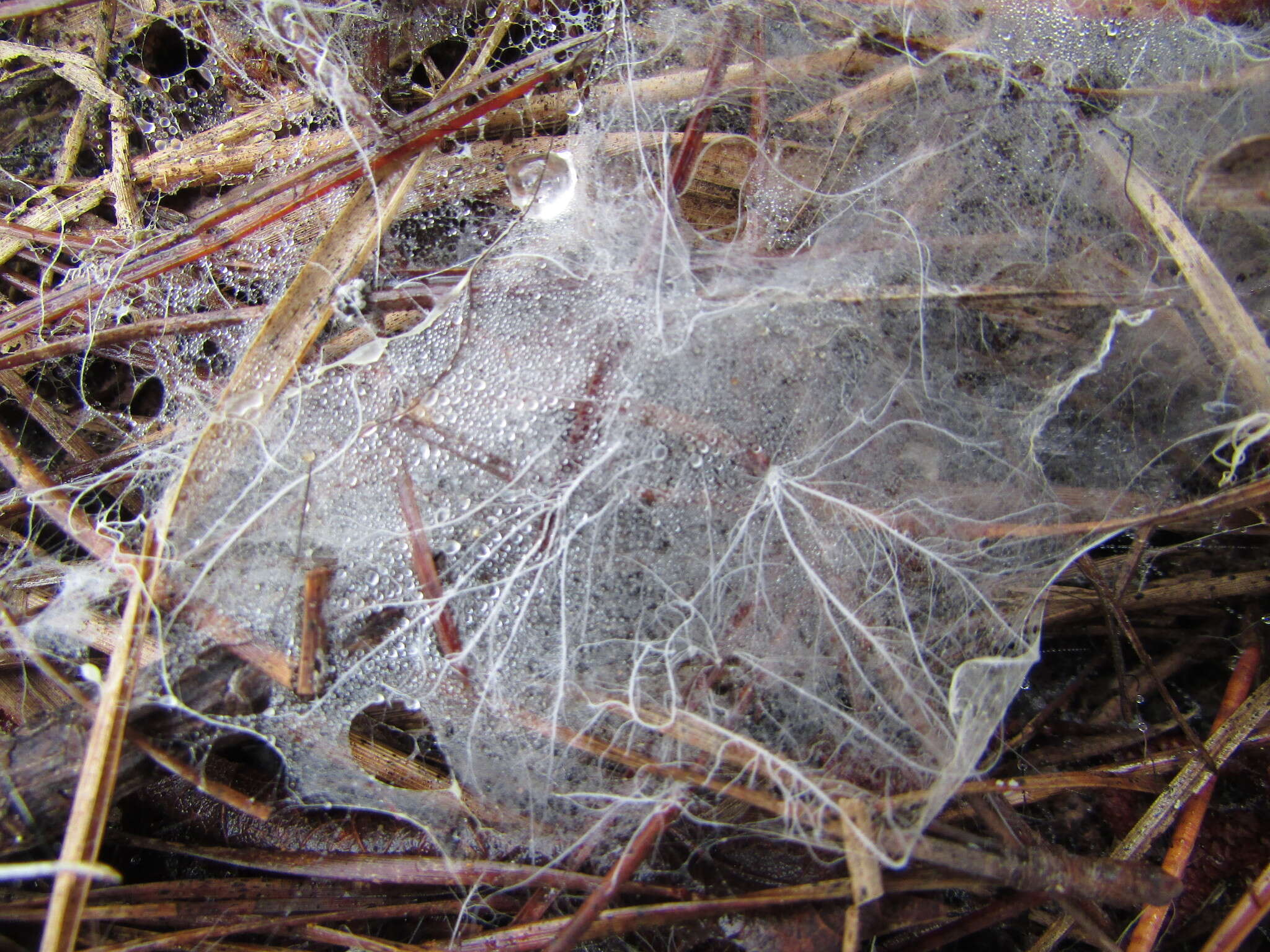
Anomoporia
Anomoporia is a genus of fungi in the family Amylocorticiaceae. The genus was circumscribed by Czech mycologist Zdeněk Pouzar in 1966.
Tulasnella
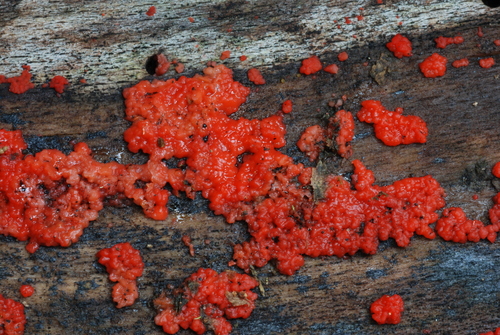
Tulasnella is a genus of effused (patch-forming) fungi in the order Cantharellales. Basidiocarps (fruit bodies), when visible, are typically smooth, ceraceous (waxy) to subgelatinous, frequently lilaceous to violet-grey, and formed on the underside of fallen branches and logs. They are microscopically distinct in having basidia with grossly swollen sterigmata (or epibasidia) on which basidiospores are formed. One atypical species, Tulasnella aurantiaca, produces orange to red, gelatinous, pustular anamorphs on wood. Some species form facultative mycorrhizas with orchids and liverworts. Around
Xylodon
Xylodon is a genus of crust fungi in the family Schizoporaceae.
Basidioradulum
Basidioradulum is a genus of corticioid fungi in the family Schizoporaceae. It was circumscribed by Canadian mycologist Mildred Katherine Nobles in 1967. The type species B. radula was formerly in Hydnum.
Corticium
genus of fungi
Resinicium
Resinicium is a genus of crust fungi of uncertain placement in the class Agaricomycetes. The genus was circumscribed by Estonian mycologist Erast Parmasto in 1968.
Loreleia
Loreleia is a genus of brightly colored agarics in the Hymenochaetales that have an omphalinoid morphology. They inhabit mosses and or liverworts on soil in temperate regions of the Northern Hemisphere. Phylogenetically related agarics are in the genera Contumyces, Gyroflexus, Rickenella, Cantharellopsis and Blasiphalia, as well as the stipitate-stereoid genera Muscinupta and Cotylidia and the clavaroid genus, Alloclavaria. However, the large number of DNA base-pair changes causes a long-branch to form in phylogenetic analyses depicted as cladograms.
Clavulicium
Clavulicium is a genus of corticioid fungi in the family Stereopsidaceae. It was formerly placed in the family Clavulinaceae in the order Cantharellales but was found to belong in a new order along with Stereopsis in 2014. The widespread genus was circumscribed by the French mycologist Jacques Boidin in 1957. The spores and the basidia of species in the genus are similar to those in Clavulina but also similar to those in Stereopsis. Clavulicium globosum is now a species of Stereopsis.
Blumenavia
Blumenavia is a genus of fungi in the family Phallaceae. The genus contains three species found in South America and Africa.
Ileodictyon
Ileodictyon is a genus of fungi in the family Phallaceae. Basidiocarps (fruit bodies) are clathroid (resembling those in the genus Clathrus), emerging from egg-like peridia and forming spongy "arms" which connect to create a cage-like lattice. The basidiospores on the arms are covered by a foetid slime that attracts flies, the agents of spore dispersal. There are three named species (Ileodictyon cibarium, Ileodictyon giganteum, Ileodictyon gracile) and one currently unnamed. The unnamed species, called "the green cage fungus", is endemic to New Caledonia and is considered globally threatened.
Bankera
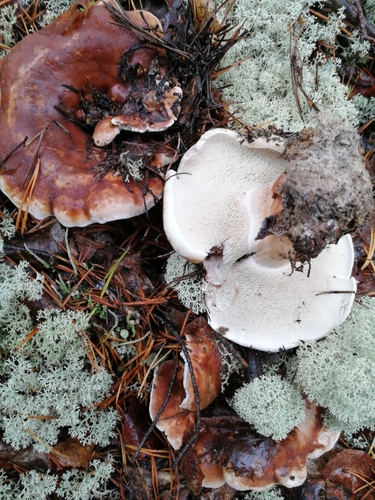
Bankera is a genus of four species of tooth fungi in the family Bankeraceae. The genus was first circumscribed in 1951 by William Chambers Coker and Alma Holland Beers, but this publication was invalid according to the rules of botanical nomenclature. It was later published validly by Zdeněk Pouzar in 1955. The type species is B. fuligineoalba. The genus is ectomycorrhizal with gymnosperms, usually with trees from the pine family.
Rickenella
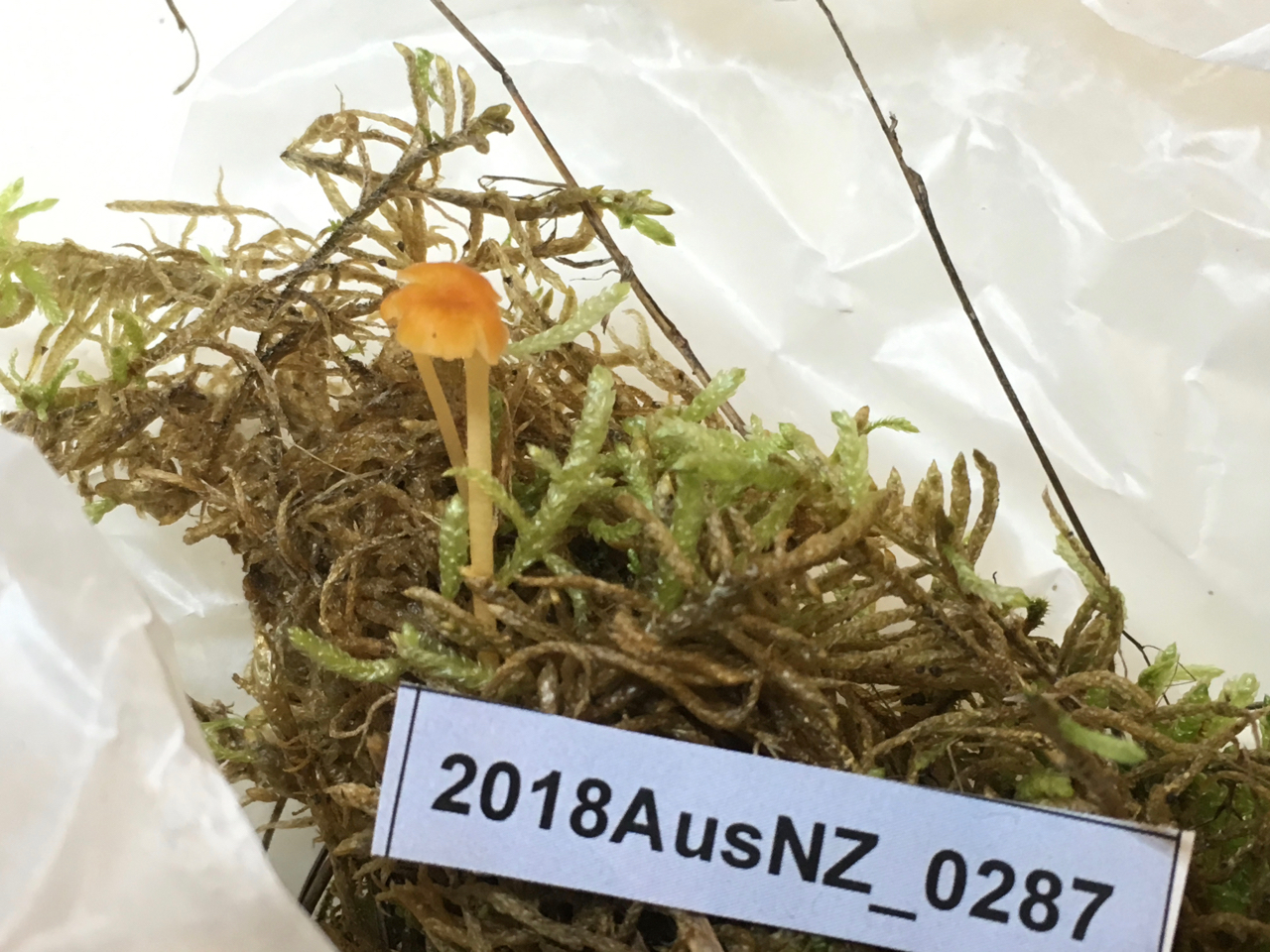
Rickenella is a genus of brightly colored bryophilous (moss inhabiting) agarics in the family Repetobasidiaceae (order Hymenochaetales) that have an omphalinoid morphology. They inhabit patches of moss that grow on soil, tree trunks and logs in temperate regions of the planet.
Phylogenetically related agarics are in the genera Contumyces, Gyroflexus, Loreleia, Cantharellopsis and Blasiphalia, as well as the stipitate-stereoid genera Muscinupta and Cotylidia and the clavarioid genus, Alloclavaria.
Phylloporia
genus of fungi
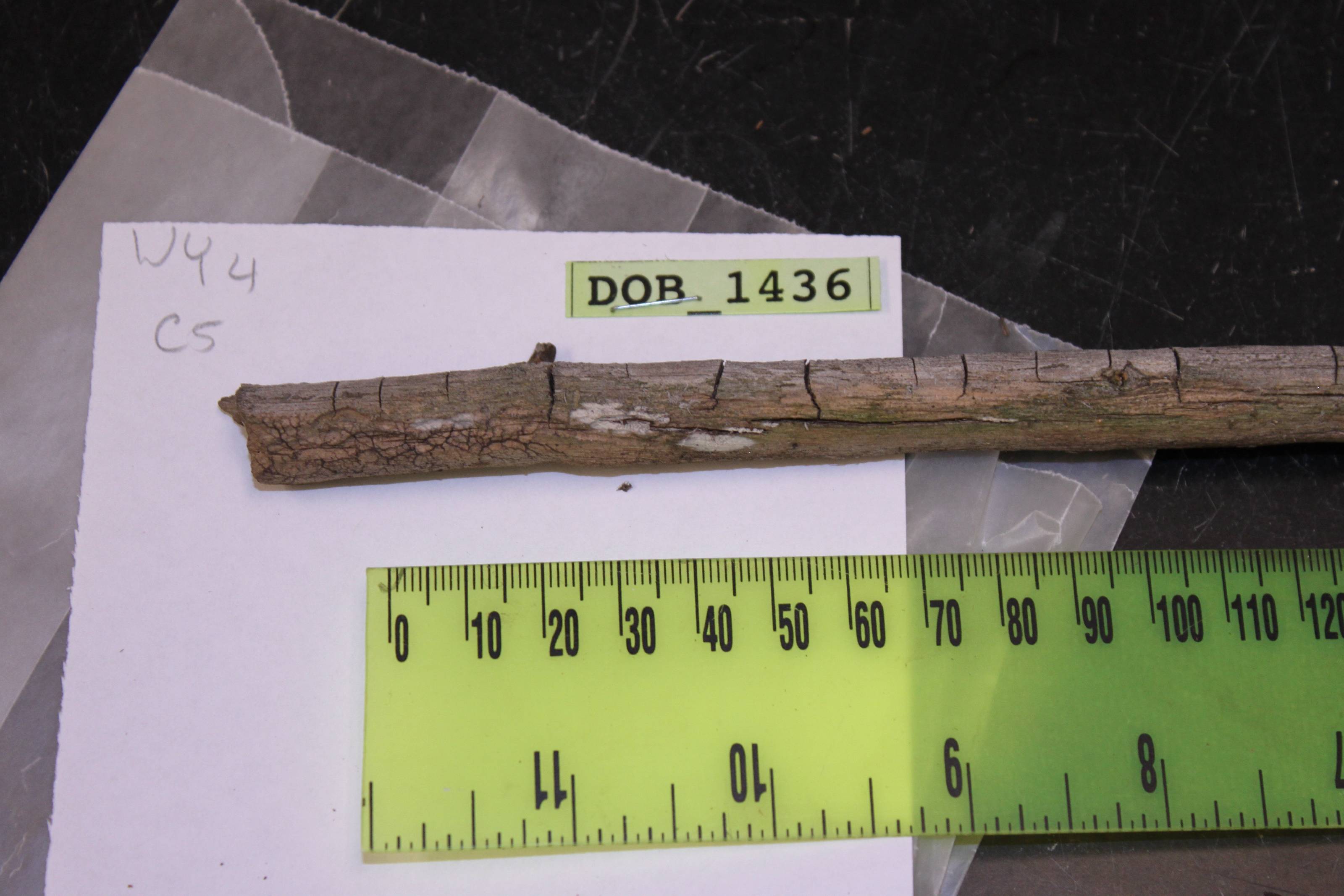
Amyloxenasma
Amyloxenasma is a genus of corticioid fungi in the family Amylocorticiaceae. The widely distributed genus contains six species.
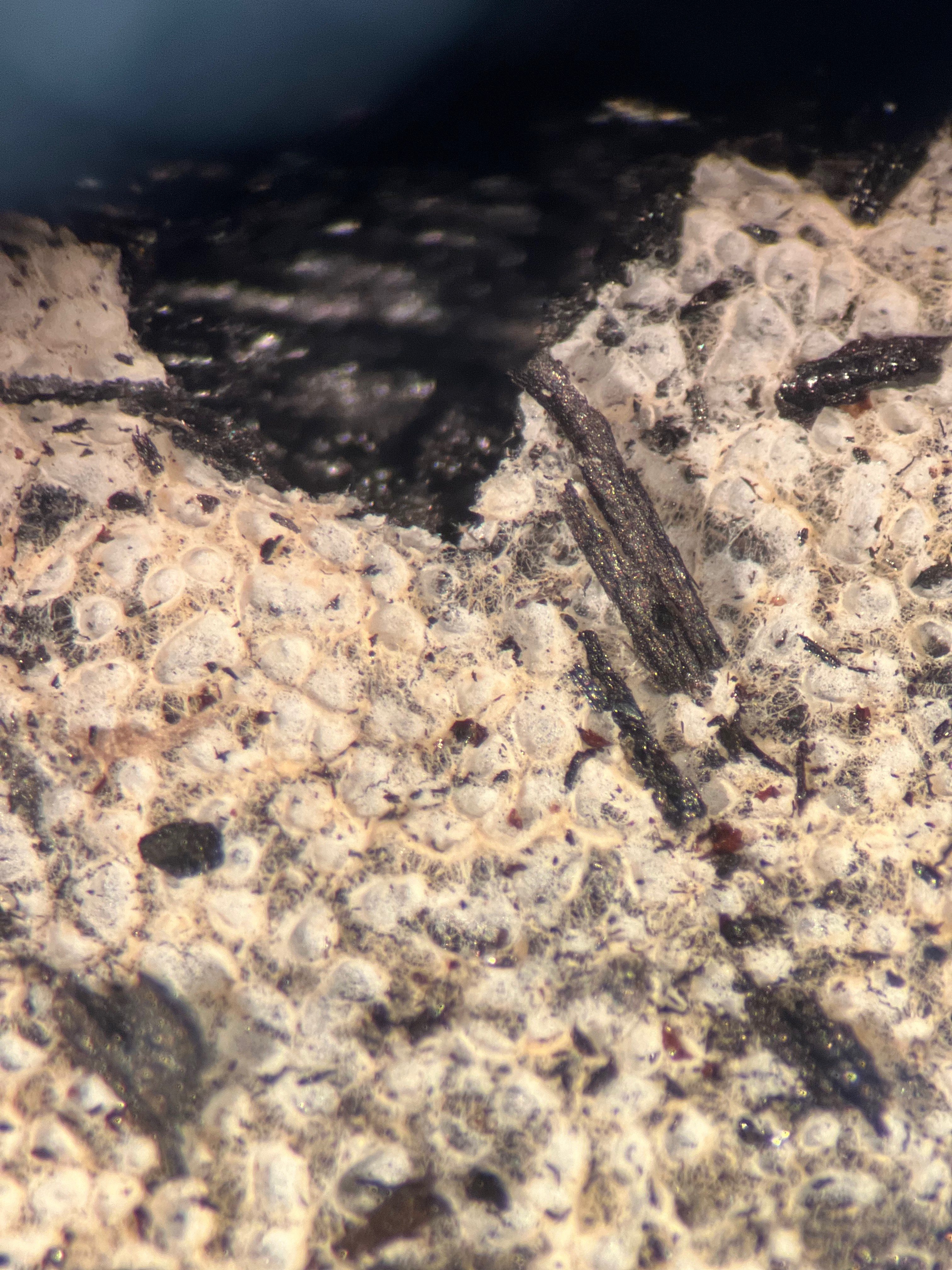
Sistotrema
Sistotrema is a genus of fungi in the family Hydnaceae. The genus contains at least 55 species and has a worldwide distribution. The type species is Sistotrema confluens Pers. (1794).