Category
page 2Amphibian genera

Micrixalus
Micrixalus (commonly known as dancing frogs, tropical frogs, and torrent frogs) is a genus of frogs from that are endemic to the Western Ghats in India. They are monotypic within the family Micrixalidae. Before being raised to the family level they were classified as the subfamily Micrixalinae within Ranidae. Micrixalus frogs, such as Micrixalus saxicola, are popularly known as "dancing frogs" due to their peculiar habit of waving their feet to attract females during the breeding season. Dancing frogs are extremely vulnerable as their habitat is severely threatened.
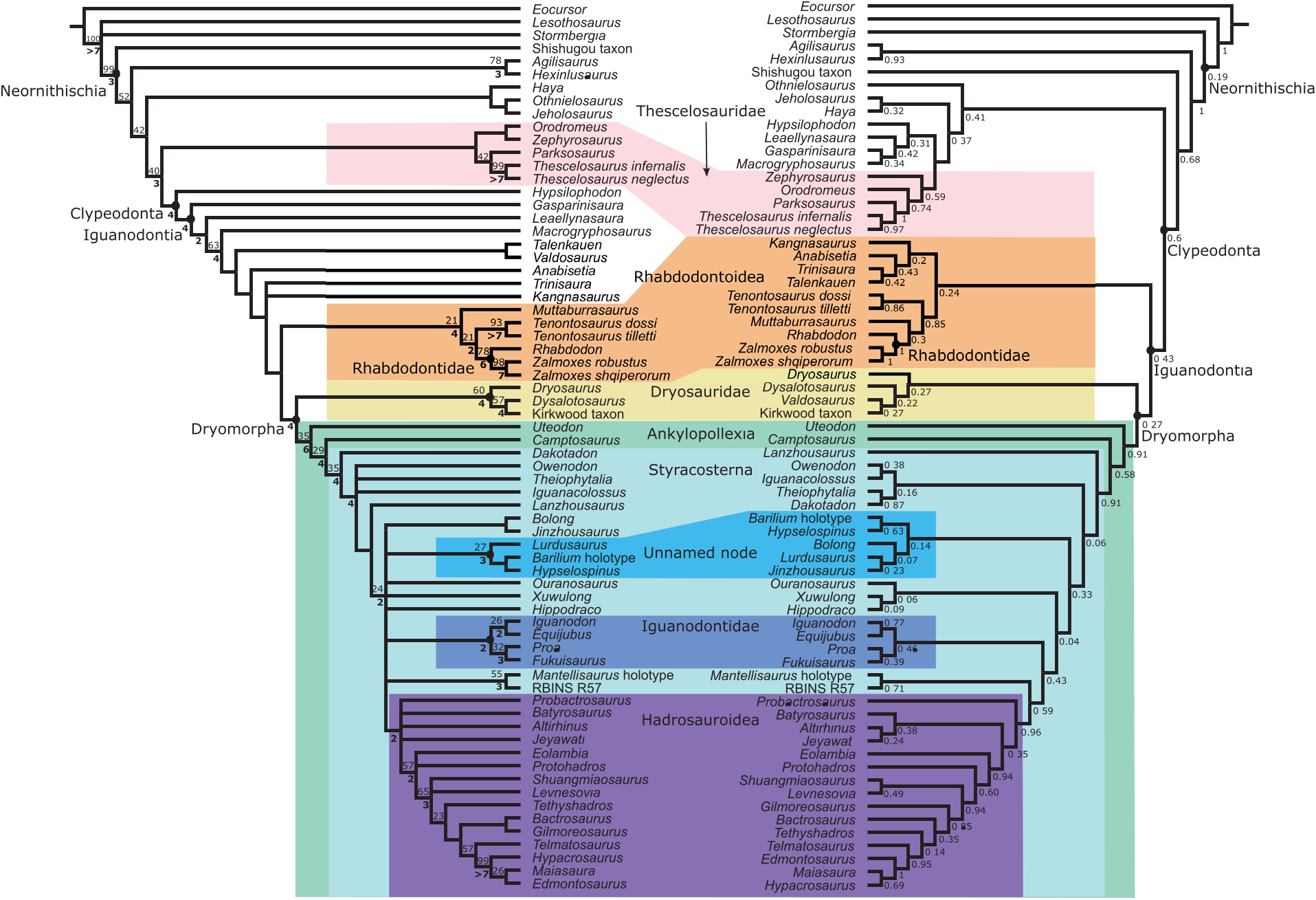
Theloderma
Theloderma, the bug-eyed frogs, mossy frogs or warty frogs, is a genus of frogs in the family Rhacophoridae, subfamily Rhacophorinae. They are found from northeastern India and southern China, through Southeast Asia, to the Greater Sunda Islands; the highest species richness is in Indochina. Some species, especially T. corticale, are sometimes kept in captivity.
Scaphiophryne
Scaphiophryne is a genus of microhylid frogs endemic to Madagascar. Some of the species are strikingly marked, while others are highly cryptic. They are rather plump and generally found on the ground. Several species in the genus are threatened because of habitat loss and overcollection for the international pet trade.
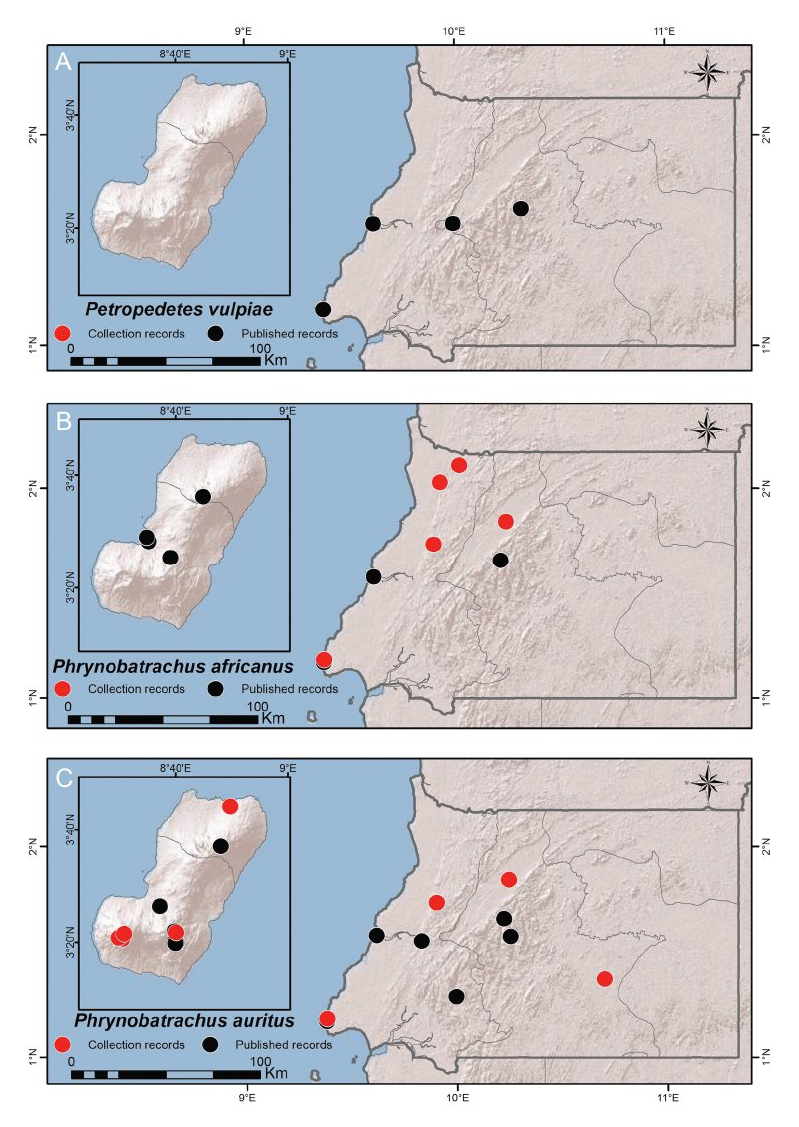
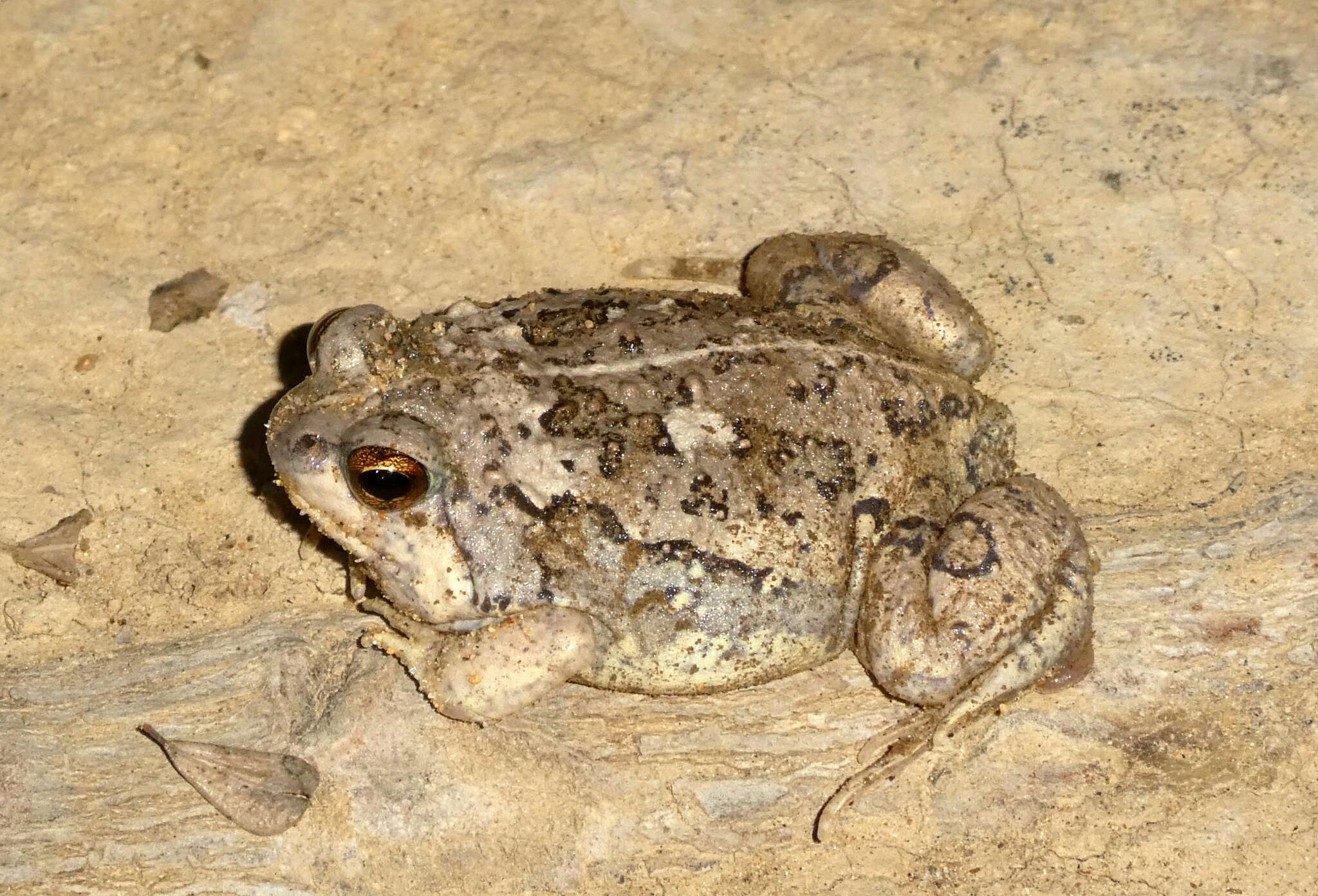
Phrynobatrachus
Phrynobatrachus is a genus of Sub-Saharan frogs that form the monogeneric family Phrynobatrachidae. Their common name is puddle frogs, dwarf puddle frogs, African puddle frogs, or African river frogs.
The common name, puddle frog, refers to the fact that many species breed in temporary waterbodies such as puddles.
Glandirana
Glandirana is a genus of true frogs (family Ranidae) found in the East Asia (eastern China, Korea, Japan, and possibly Primorsky Krai in the Russian Far East). The name means ‘glandular frog’.
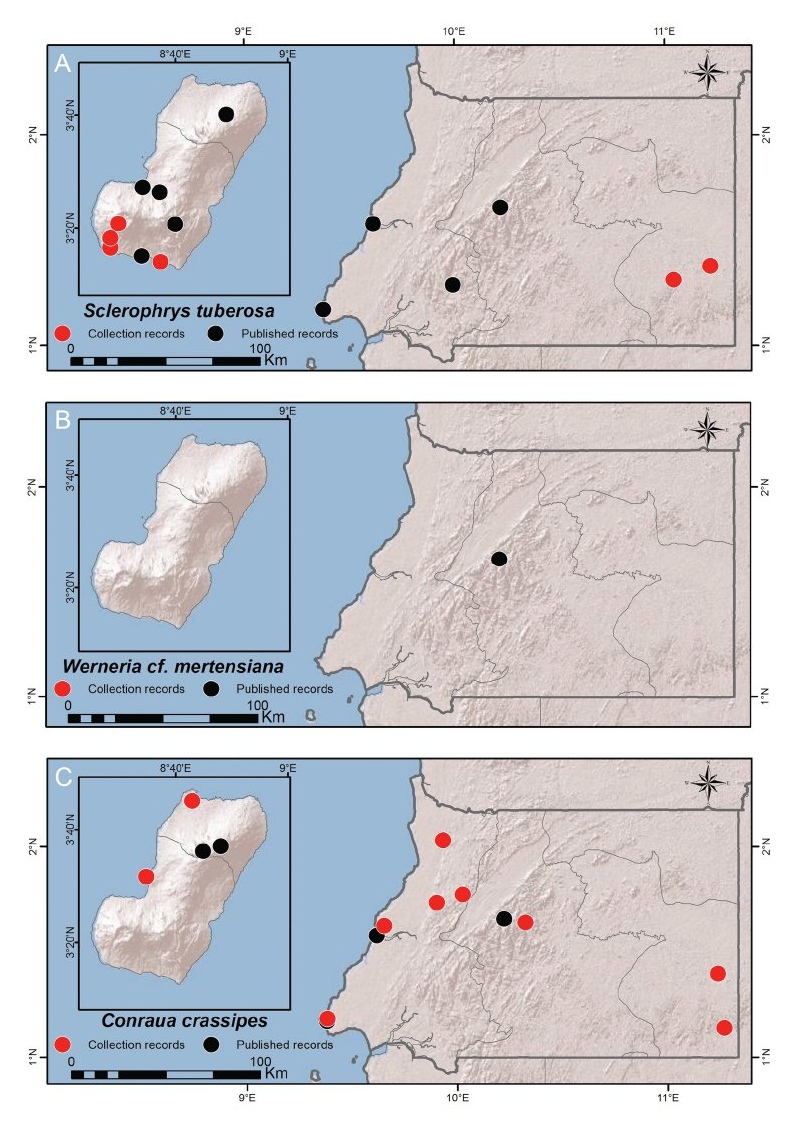
Conraua
Conraua, known as slippery frogs or giant frogs is a genus of large frogs from sub-Saharan Africa. Conraua is the only genus in the family Conrauidae. Alternatively, it may be placed in the family Petropedetidae.
Colostethus
Colostethus is a genus of poison dart frogs native to Central and South America, from Panama south to Colombia, Ecuador, and northern Peru. Their common name is rocket frogs, but this name may refer to frogs in other genera and families, following the taxonomic revision of the genus in 2006.

African reed frog
Hyperolius (commonly known as the African reed frogs or reed frogs) is a large genus of frogs in the family Hyperoliidae from Sub-Saharan Africa. The genus is known to exhibit sexual dichromatism, a trait that is otherwise rare in frogs.
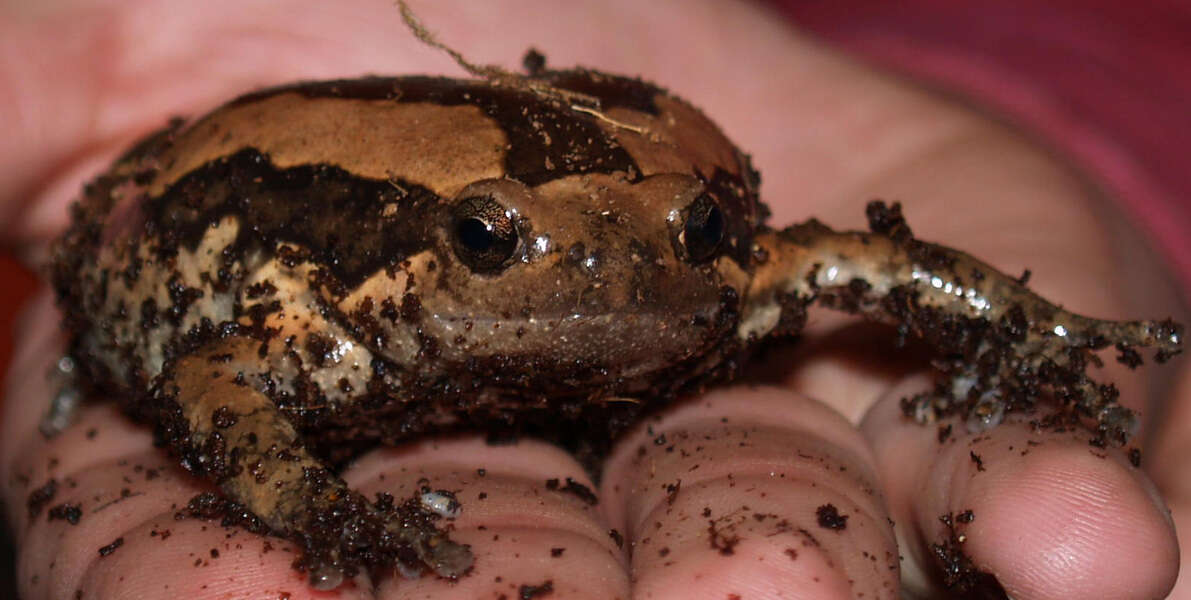
Kaloula
Kaloula is a genus of microhylid frogs found in southern and eastern Asia. They are sometimes known as the Asian narrowmouth toads.
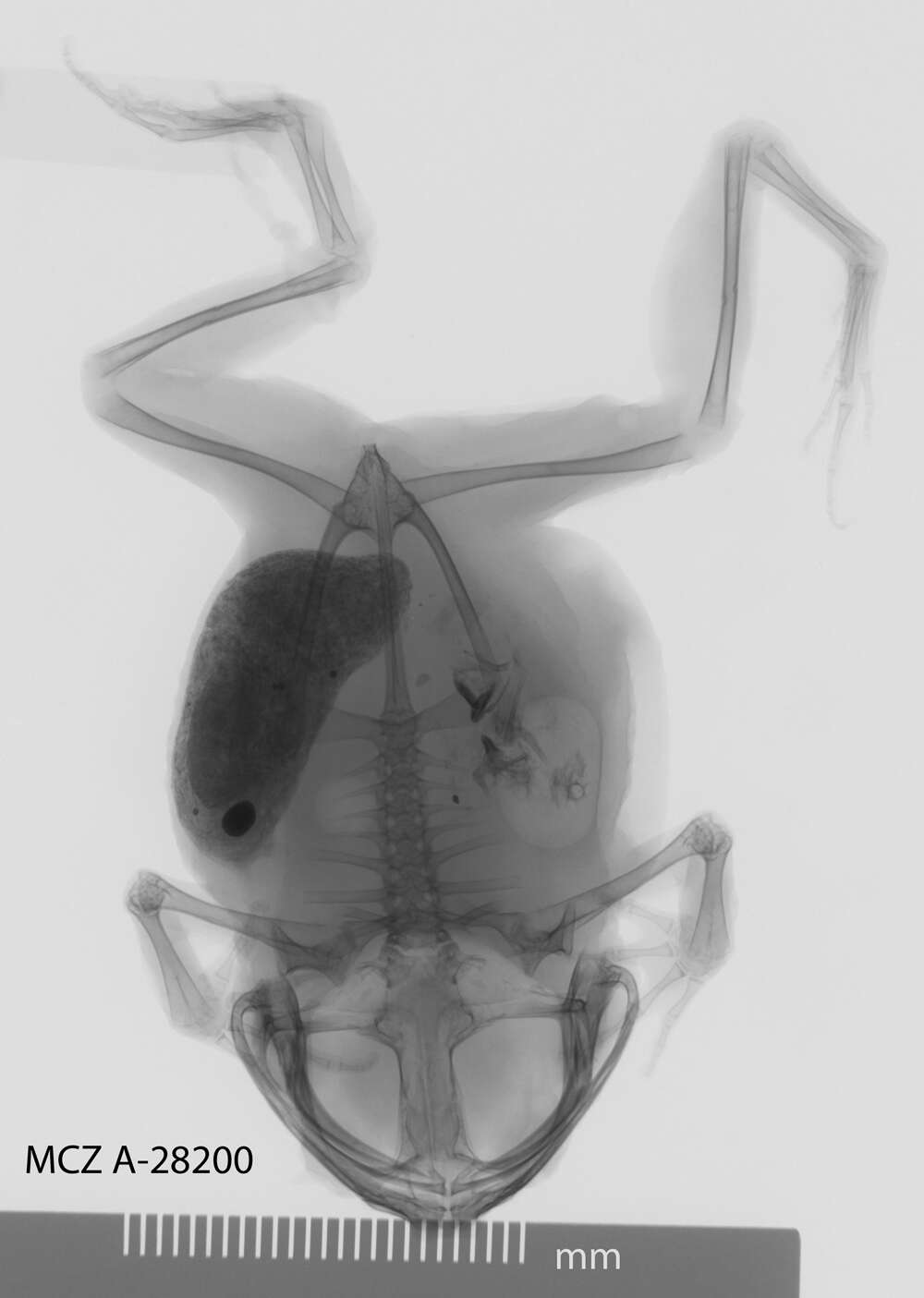
Asterophrys
Asterophrys is a genus of microhylid frogs found in New Guinea. Their common name is New Guinea bush frogs, although this name may also specifically refer to Asterophrys turpicola.
Melanophryniscus
Melanophryniscus is a genus of toads in the family Bufonidae. They are found in northern half of Argentina, southern Bolivia, southern Brazil, Paraguay, and Uruguay. Common name South American redbelly toads has been coined for them.

Pseudis
Pseudis is a genus of South American frogs (swimming frogs) in the family Hylidae. They are often common and frequently heard, but easily overlooked because of their camouflage and lifestyle, living in lakes, ponds, marshes and similar waters with extensive aquatic vegetation, often sitting at the surface among plants or on floating plants, but rapidly diving if disturbed. Whereas the adults are medium-sized frogs, their tadpoles are large; in some species the world's longest.

Hoplobatrachus
Hoplobatrachus is a genus of frogs in the family Dicroglossidae. This genus is found in both sub-Saharan Africa and southern and south-eastern Asia. It is the sister taxon of Euphlyctis, although there is some evidence that it might be paraphyletic with respect to Euphlyctis. These frogs are sometimes known as the crowned bullfrogs or the tiger frogs.
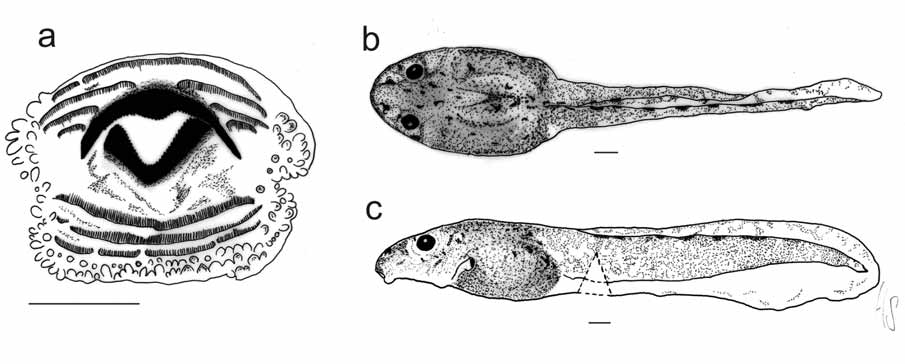
Mantidactylus
Mantidactylus is a frog genus in the mantellid subfamily Mantellinae. This genus is restricted to Madagascar. The genus is divided into several subgenera that form monophyletic genetic clusters and are ecologically similar.
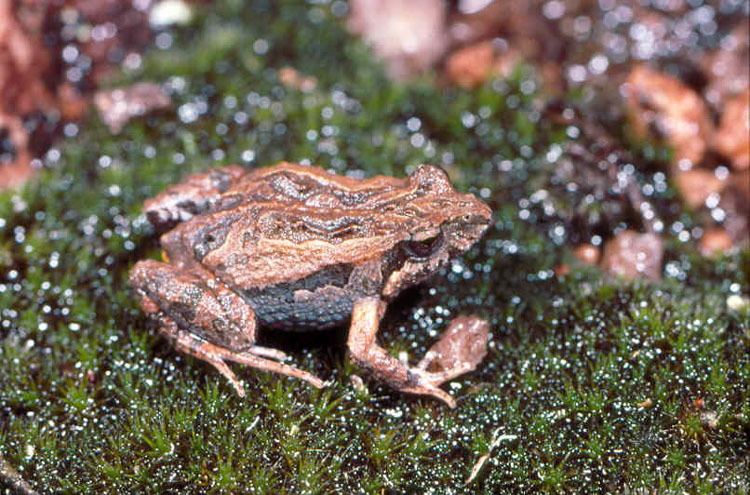
Crinia
Crinia is a genus of frog, native to Australia, and part of the family Myobatrachidae. It consists of small frogs, which are distributed throughout most of Australia, excluding the central arid regions. Many of the species within this genus are physically indistinguishable, and can only be identified by their calls.
%20Figure%203%20(cropped).png)
Dendropsophus
Dendropsophus is a genus of frogs in the family Hylidae. They are distributed in Central and South America, from southern Mexico to northern Argentina and Uruguay. They are sometimes known under the common name Fitzinger neotropical treefrogs or yellow treefrogs

Pristimantis
Pristimantis is a very speciose genus of frogs distributed in the southern Caribbean islands (Lesser Antilles) and in Central and South America from Honduras to northern Argentina and southern Brazil. With 626 described species (as of February 2026), the genus has more species than any other vertebrate genus. Many of these species are endemic to the Northwestern Andean montane forests ecoregion in north-western South America.

Trachycephalus
Trachycephalus is a genus of frogs, commonly known as the casque-headed tree frogs, in the family Hylidae. They are found in Mexico, Central America, and South America. In a recent revision, the seven species of the genus Phrynohyas were included in this genus, and Phrynohyas is now considered a synonym of Trachycephalus. These frogs inhabit the canopies of tropical rainforests, where they breed in tree cavities, and rarely, if ever, descend to the ground.

Bolitoglossa
Bolitoglossa is a genus of lungless salamanders, commonly called mushroom-tongued salamanders, tropical climbing salamanders, and web-footed salamanders, in the family Plethodontidae. Their combined geographic ranges extend from northern Mexico through Central America to Colombia, Venezuela, Ecuador, Peru, northeastern Brazil, and central Bolivia. Neotropical salamanders of the genus Bolitoglossa make up the largest genus in the order Caudata, consisting of approximately one-fifth of all known species of salamanders. Adult salamanders of the genus Bolitoglossa have a snout-to-vent length in th
Kassina
Kassina is a genus of hyperoliid frogs, commonly referred to as running frogs or kassinas. They are found throughout sub-Saharan Africa. They are characterized by preferring a distinctive "walking" with the back legs instead of the more traditional frog-hopping.
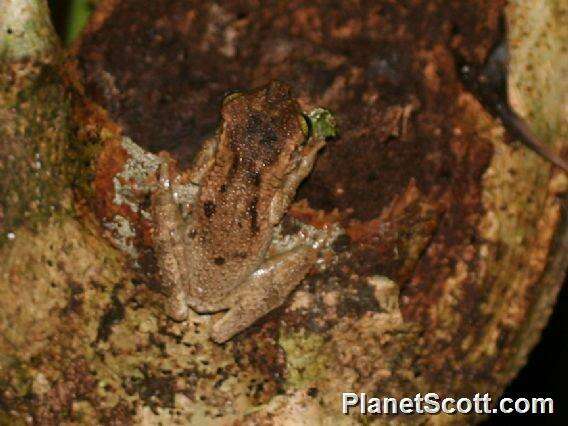
slender-legged treefrog
genus of amphibians
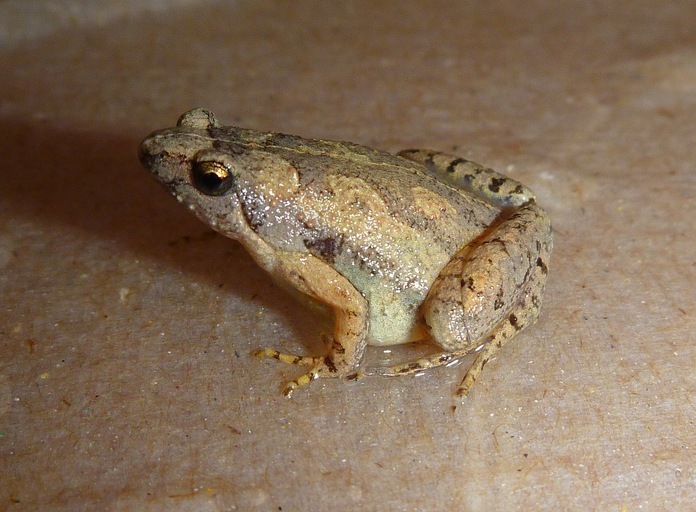
Microhyla
Microhyla, commonly known as the rice frogs or narrow-mouthed frogs, is a genus of frogs in the family Microhylidae. It consists of 42 species of diminutive frogs. Members of this genus are widespread from Ryukyu Is. in Japan, and throughout South-east Asia, (China, Sumatra, Java, Bali, Borneo, India and Sri Lanka).

Mountain Brook Frogs
Duellmanohyla is a genus of frogs (mountain brook frogs) in the family Hylidae found in Oaxaca, Mexico, as well as Central America. These are small stream-breeding frogs have bright red, bronze or yellow irises. Their dorsa are uniform pale green, olive, red-brown or lichenose, with green or olive spots on a black background. Several species have pale upper labial and lateral stripes. Some fingers or toes have moderate webbing.
Leptophryne
Leptophryne is a small genus of true toads, family Bufonidae, with only three species. The genus is found in Southeast Asia, in the Malay Peninsula (including Peninsular Thailand) and the Greater Sunda Islands. Its relationships within Bufonidae are uncertain; its closest relative might be Epidalea.
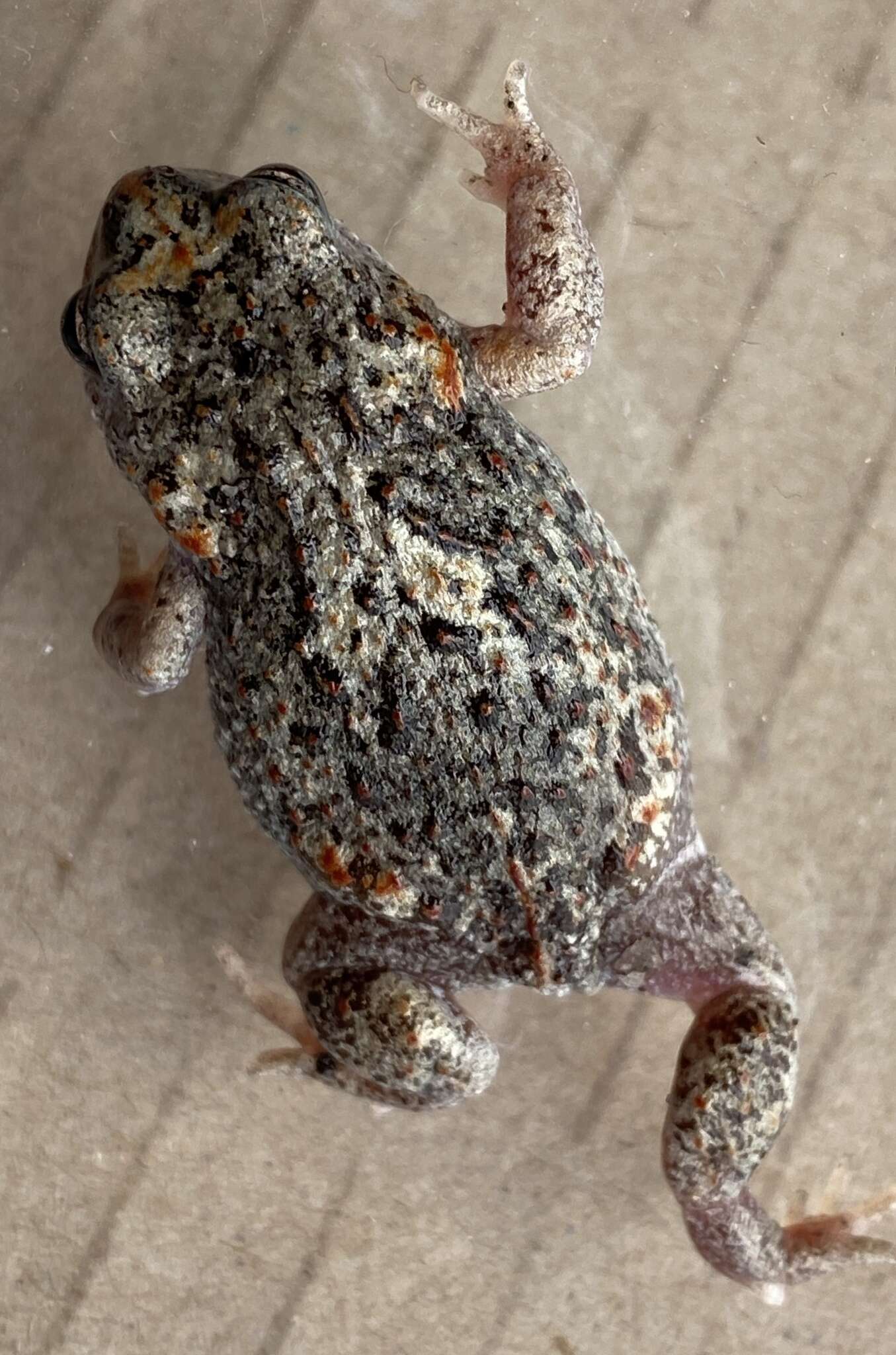
Pseudophryne
Pseudophryne is a genus of small myobatrachid frogs. All of these frogs are small terrestrial frogs, and as such, most species are commonly called toadlets (pseudo- meaning deceptive, phryne meaning toad).
Noblella
Noblella is a genus of frogs in the family Strabomantidae. They are found on the eastern slopes of the Andes and in the Amazon Basin in Colombia, Ecuador, Peru, Bolivia, and western Brazil. The name refers to Gladwyn K. Noble, who described the first species.

Calotriton
Calotriton, or the European brook newts, is a genus of newts native to the Pyrenees and central Catalonia (Catalan Pre-coastal Range). These amphibians were formerly placed within genus Euproctus, but the genus was resurrected in 2005. Instead of Euproctus, they seem more closely related to Triturus, their sister taxon.
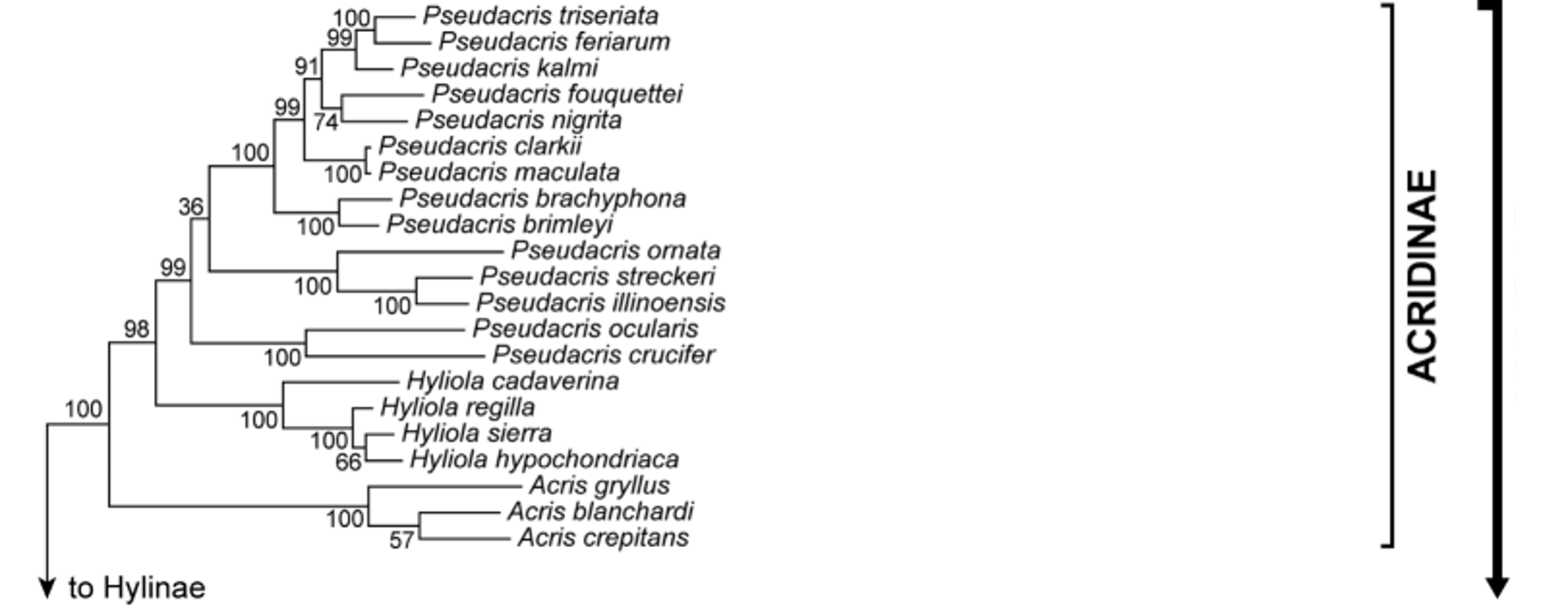
Scinax
Scinax is a genus of frogs, commonly known as snouted treefrogs, in the family Hylidae. The genus is found from eastern and southern Mexico to Argentina and Uruguay, and in Trinidad and Tobago, and Saint Lucia. Member species are small to moderate-sized tree frogs, drably colored. Duellman and Wiens resurrected this genus in 1992. The name originates from the Greek word skinax, meaning quick or nimble.
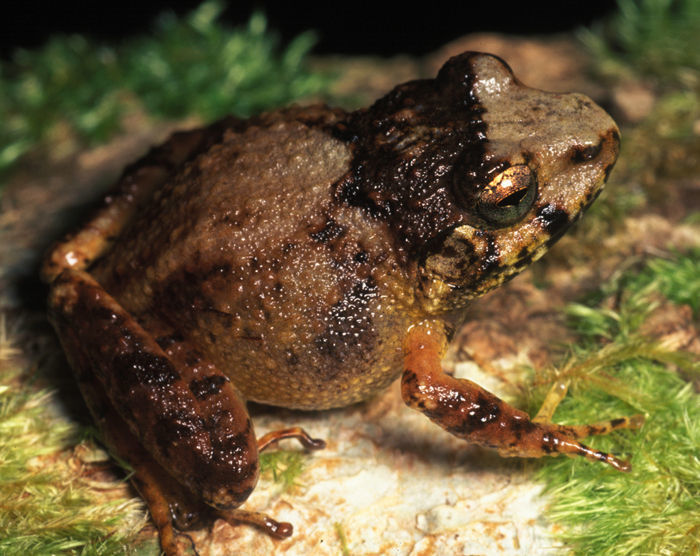
Platymantis
Platymantis is a genus of frogs in the family Ceratobatrachidae. They are commonly known as wrinkled ground frogs, ground frogs, and forest frogs.
Stefania
Stefania is a genus of frogs in the family Hemiphractidae. They are native to the highlands of the Guiana Shield in southern Venezuela, Guyana, and adjacent far northern Brazil. Most are restricted to the tepui highlands, but S. evansi also occurs in lowlands. On most mountains there are only 1–2 species from this genus, but five are known from Mount Ayanganna and the neighbouring Mount Wokomung has six species. They are usually found near streams at low levels on branches/leaves or on the ground among vegetation/rocks.
.jpg)
Hyloxalus
Hyloxalus is a genus of poison dart frogs, family Dendrobatidae. The genus is distributed in Central and South America, from Panama south to Peru (along the Pacific coast), along with Venezuela, Colombia, and Ecuador. They also inhabit the eastern foothills of the Andes in Bolivia to Venezuela, east to the upper Amazon Basin.
Nectophrynoides
Nectophrynoides is a genus of true toads, family Bufonidae. They are endemic to Eastern Arc forests and wetlands in Tanzania, and all except N. tornieri are threatened. Species of the genus are ovoviviparous: fertilization is internal, and the females give birth to fully developed, small toadlets. Together with the West Africa Nimbaphrynoides (which was included in Nectophrynoides in the past) and Limnonectes larvaepartus, they are the only frogs/toads in the world that do not lay eggs. The Ethiopian Altiphrynoides (includes Spinophrynoides), which lay eggs, were also part of Nectophrynoides i
Hyalinobatrachium
Hyalinobatrachium is a genus of glass frogs, family Centrolenidae. They are widely distributed in the Americas, from tropical Mexico to southeastern Brazil and Argentina.

Osteopilus
Osteopilus is a genus of frogs in the family Hylidae. These species have a bony co-ossification on the skull resulting in a casque, hence its name ‘bone-cap’, from osteo- (‘bone’) and the Greek '' (, ‘felt cap’).
Color varies between uniform brown, brown-gray, or olive with darker markings or marbled with greens, grays or brown, making a distinct pattern. The finger disks are round; the fingers with a reduced webbing; eyes and tympanum are large.
Their natural range includes the Greater Antilles (except Puerto Rico) and the Bahamas, but O. septentrionalis'' has also been introduced to the Le
Dendrophryniscus
Dendrophryniscus is a genus of true toads in the family Bufonidae, sometimes known as tree toads. They are endemic to the Atlantic Forest of Brazil.

Fejervarya
Fejervarya is a genus of frogs in the family Dicroglossidae found in Asia. First proposed in 1915 by István József Bolkay, a Hungarian naturalist, the genus did not see widespread adoption at first. As late as the 1990s it was generally included in Rana, but more recent studies have confirmed its distinctness.

Gastrophryne
Gastrophryne, the narrowmouth toads (also American narrowmouth toads, North American narrow-mouthed toads), is a genus of microhylid frogs found in the Americas between Honduras and southern United States.
Its name means ‘belly-toad’, referring to its large belly, from the Ancient Greek ' (, ‘belly, stomach’) and ' (, ‘toad’).
%20Montagne%20d%E2%80%99Ambre.jpg)
Boophis
thumb|Juvenile Boophis cf. roseipalmatusMontagne d'Ambre
thumb|Boophis entingae from Montagne d'Ambre, photographed in 2017
Adelphobates
Adelphobates is a small genus of poison dart frogs. They are found in the central and lower Amazon basin of Peru and Brazil, possibly Bolivia. It was originally erected as a sister group to the Dendrobates and Oophaga genera. The validity of the genus is still being discussed, with the alternative being "Dendrobates galactonotus group" within Dendrobates. One species originally placed in this genus as Adelphobates captivus has since been moved to the genus Excidobates erected in 2008.
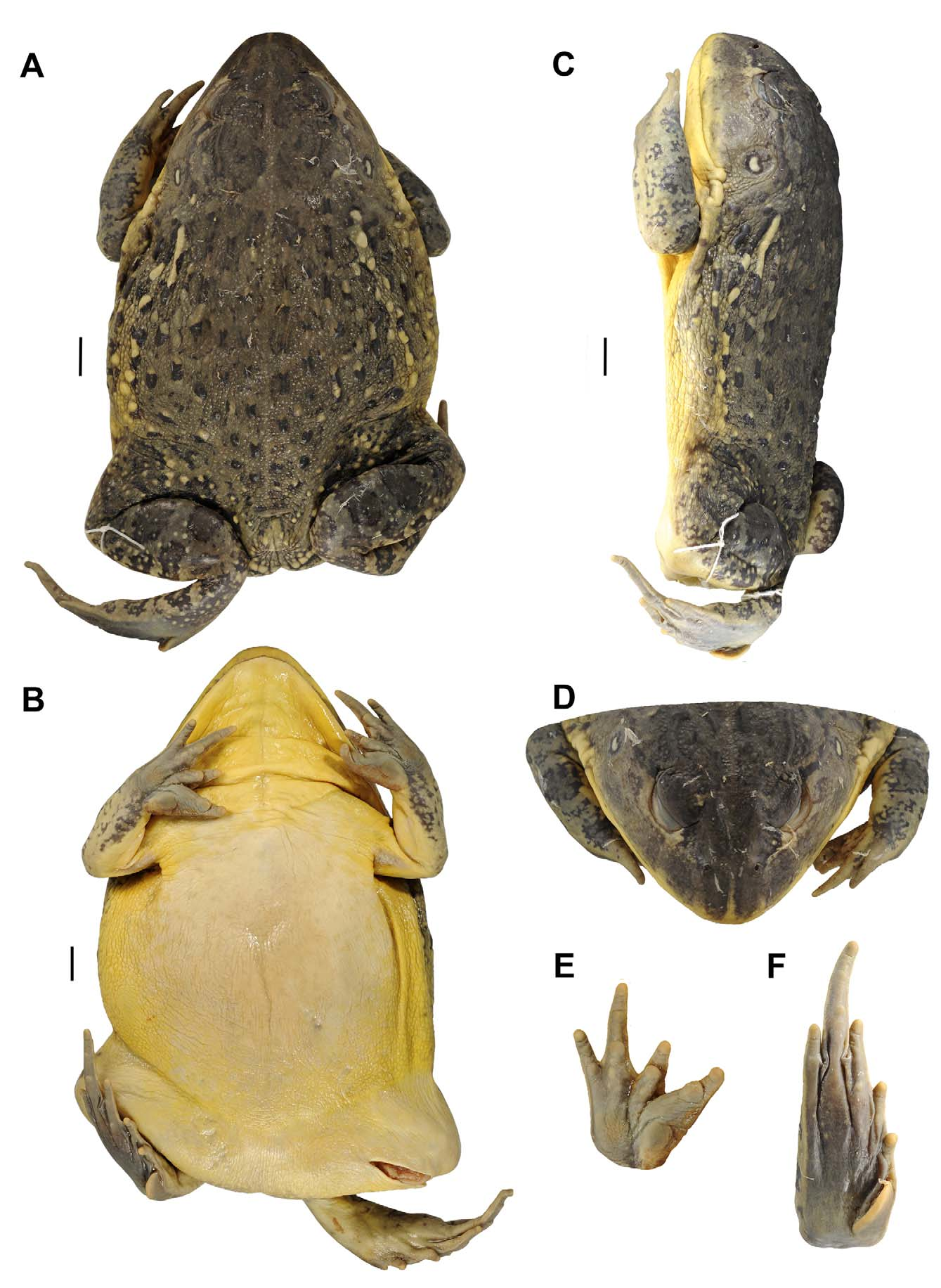
Pyxicephalus
Pyxicephalus (πυξίς, pyxis = "(round) box," κεφαλή, kephalē = "head") is a genus of true frogs from Sub-Saharan Africa, commonly referred to as African bull frogs or bull frogs. They are very large (P. adspersus) to large (remaining species) frogs, with females significantly smaller than males. They may take decades to reach their full size potential and they are some of the longest-living frogs, possibly able to reach ages as high as 45 years.
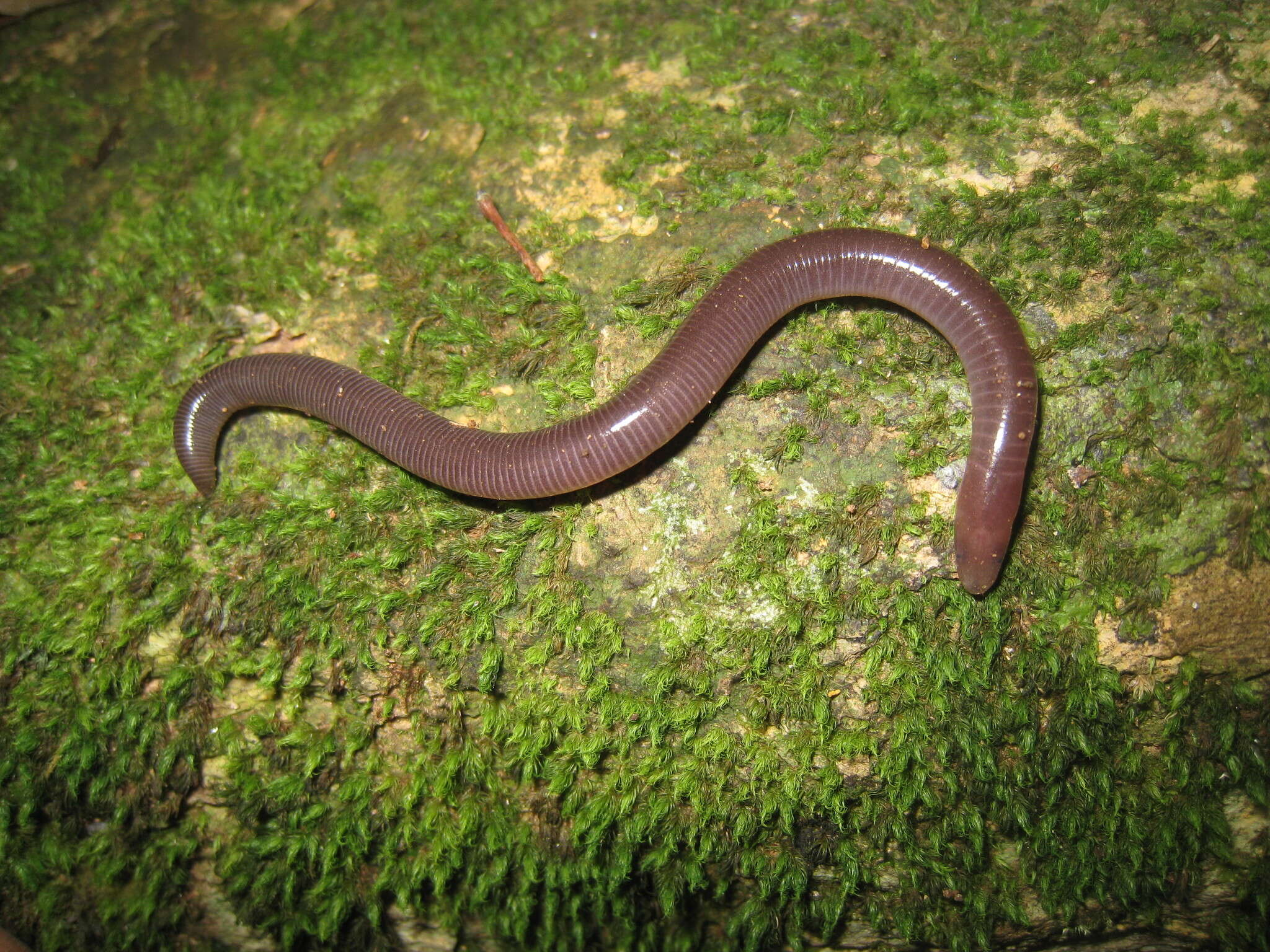
Uraeotyphlus
Uraeotyphlus is a genus of caecilians in the family Ichthyophiidae. There are seven species in this genus, all of which are endemic to the Western Ghats of southwestern India. Previously, the genus has also been placed in its own monotypic family Uraeotyphlidae.

Barbourula
Barbourula is a genus of amphibian commonly referred to as jungle toads. They are small toads of the fire-bellied toad family, Bombinatoridae, found in the Philippines and Borneo.
Chiromantis
Chiromantis is a genus of frogs in the family Rhacophoridae, commonly known as foam-nest frogs or foam-nest tree frogs. It contains species from the Sub-Saharan African tropics. Following the molecular genetic study by Chen and colleagues (2020), the Asian species formerly assigned to Chiromantis have now been reclassified to the resurrected genus Chirixalus.
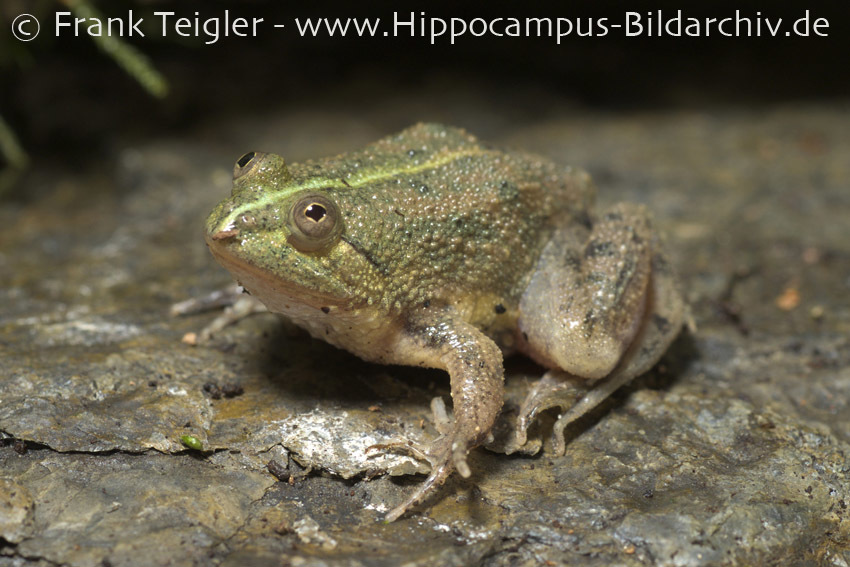
Occidozyga
Occidozyga is a genus of frogs in the family Dicroglossidae found in southeastern Asia between eastern India, southern China, and Java. They sometimes go under the common name Java frogs or floating frogs.

Woodland salamander
Plethodon is a genus of salamanders in the family Plethodontidae. They are commonly known as woodland salamanders. All members of the genus are endemic to North America (Canada and the United States). They have no aquatic larval stage. In some species, such as the red-backed salamander (Plethodon cinereus). Young hatch in the adult form. Members of Plethodon primarily eat small invertebrates. The earliest known fossils of this genus are from the Hemphillian of Tennessee in the United States.

Pleurodema
Pleurodema is a genus of frogs in the family Leptodactylidae. The genus is endemic to South America. Species in the genus Pleurodema are sometimes known under the common name four-eyed frogs, although this common name can also refer to a particular species, Pleurodema bibroni. The common name is a reference to two inguinal poison glands that resemble eyes. When threatened, the frog lowers its head and raises its rear. When the frog adopts this posture, the poison glands are also raised toward the predator. The predator may also confuse the frog's raised posterior for the head of a larger anima

Allobates
Allobates is a genus of frogs in the family Aromobatidae. They are native to the Central and South Americas, from Nicaragua to Bolivia and Brazil, with one species on Martinique.
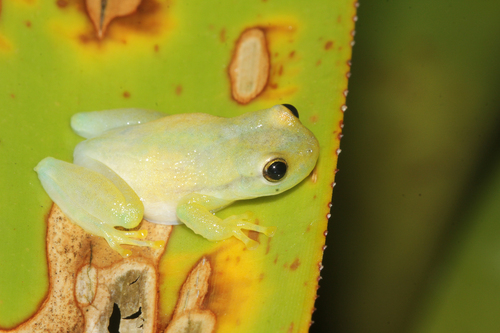
Phyllodytes
Phyllodytes is a genus of frogs (heart-tongued frogs) in the family Hylidae. It is endemic to eastern Brazil.
Charadrahyla
Charadrahyla is a genus of frogs in the family Hylidae. It is endemic to tropical southern Mexico. The generic name was derived from Greek charadra ("ravine") and Hyla, in reference to the habits of these frogs. Accordingly, common name ravine treefrogs has been coined for the genus.
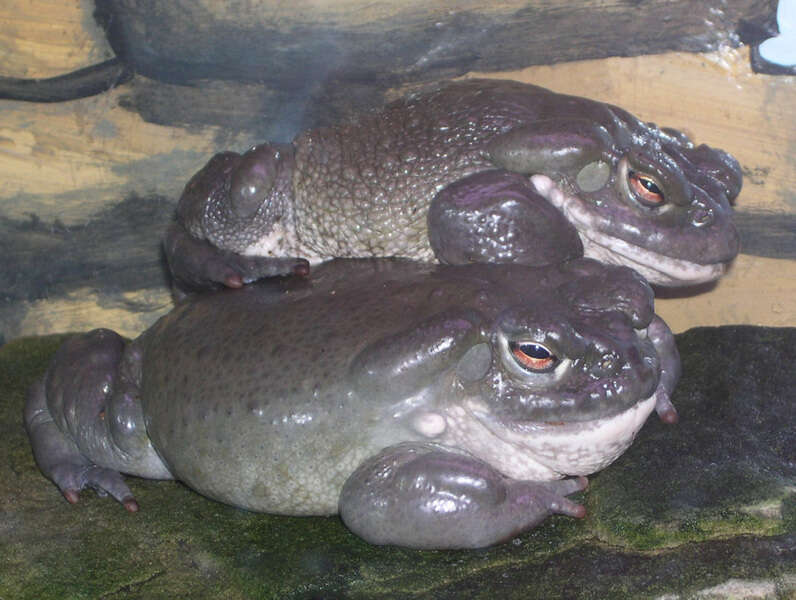
Incilius
Incilius is a genus of toads in the true toad family, Bufonidae. They are sometimes known as the Central American toads or Middle American toads and are found in southern USA, Mexico, Central America, and northern Pacific South America (Colombia and Ecuador). They are an ecologically and biogeographically diverse group of toads, including micro-endemic species such as Incilius spiculatus that are restricted to undisturbed cloud forests, and widespread lowland species such as Incilius valliceps that predominantly occur in disturbed habitats.
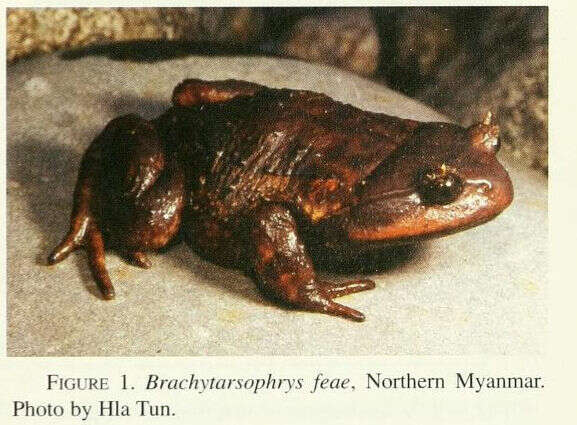
Megophrys
Megophrys is a genus of frogs in the family Megophryidae. They are endemic to Indonesia, where they are found on the islands of Java and Sumatra. They commonly have elongated upper "eyebrows" and are thus known as Indonesian horned toads. This group was thought to contain many more species and have a much wider distribution prior to recent taxonomic revisions.

mountain salamanders
Batrachuperus is a genus of salamander in the family Hynobiidae found in western China and adjacent Myanmar. Their common name is stream salamanders or mountain salamanders. Species now in Paradactylodon were formerly part of the then paraphyletic Batrachuperus.
.jpg)
Epipedobates
Epipedobates is a genus of poison dart frogs native to northern South America (Colombia and Ecuador) west of the Andes, including the western slopes. Common name phantasmal poison frogs has been suggested for the genus.
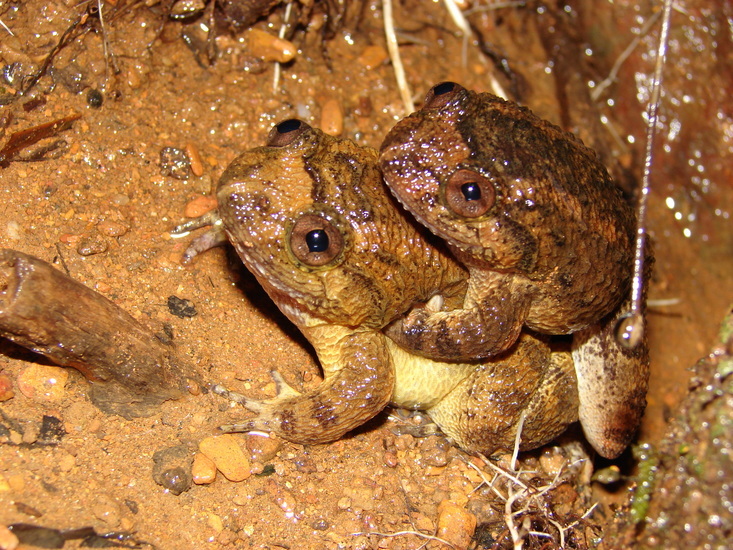
Nyctibatrachus
Nyctibatrachus is a genus of frogs endemic to the Western Ghats of southwestern India. Their common name is night frogs. Their scientific name also means "night frog", in reference to their habits and dark color. They are the only extant members of the monotypic subfamily Nyctibatrachinae. Currently, 35 species belong to Nyctibatrachus.

Mantophryne
Mantophryne is a genus of microhylid frogs. The genus is found in New Guinea, Louisiade Archipelago, and Woodlark Island.
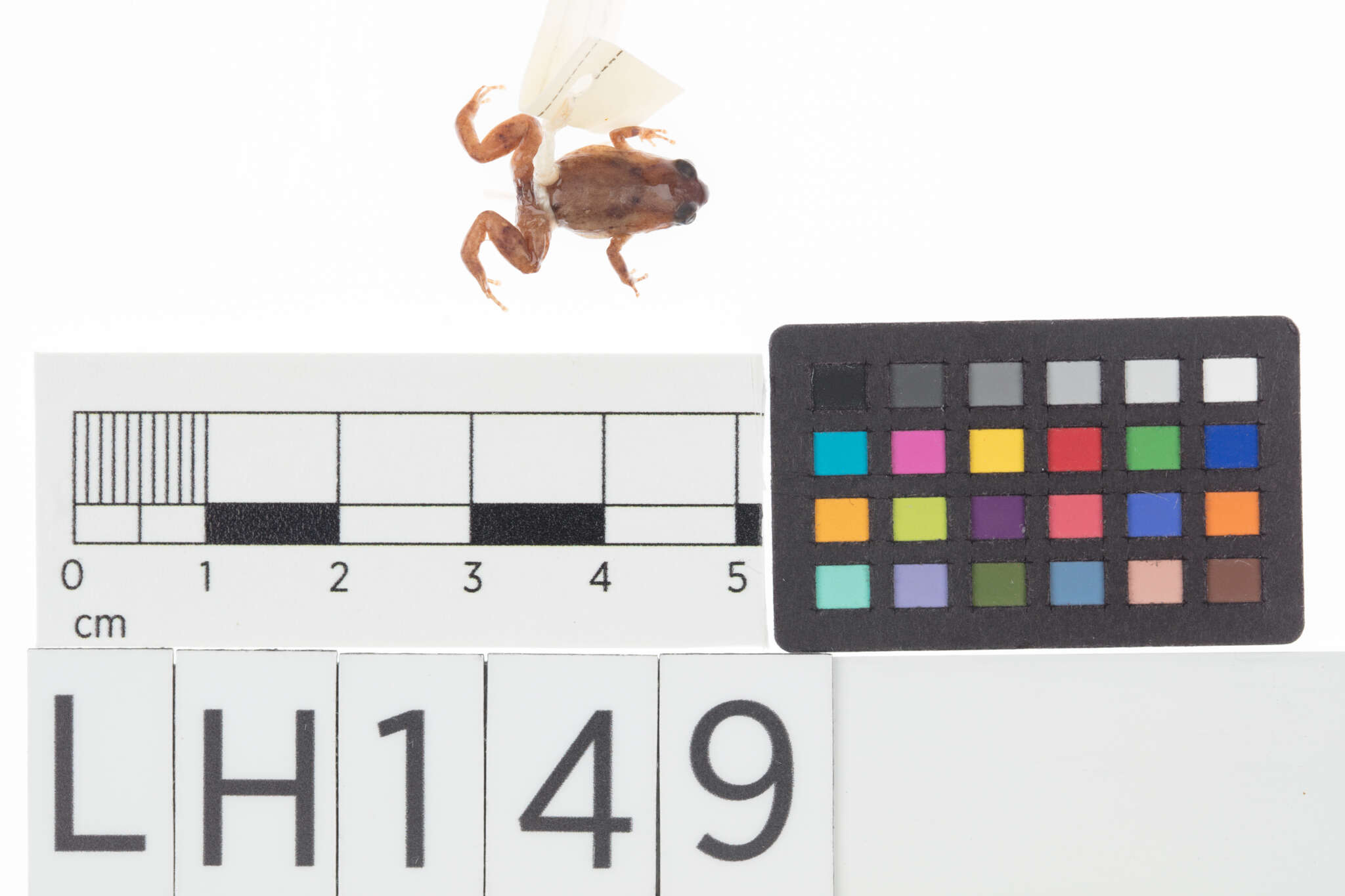
Cophixalus
Cophixalus (rainforest frogs or nursery frogs) is a genus of microhylid frogs. These are arboreal species with expanded toe-pads, endemic to Moluccan Islands, New Guinea and northeastern Queensland, Australia.
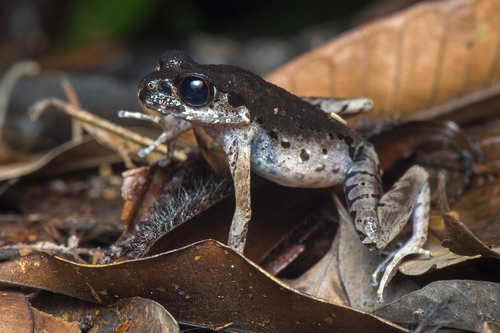
Leptobrachella
Leptobrachella is a genus of frogs in the family Megophryidae. Members of Leptobrachella are found throughout Asia including on Borneo and the Natuna Islands. They are sometimes referred to as Borneo frogs, slender-armed frogs, or dwarf litter frogs. The genus contains over 82 species with 25 found in China alone.
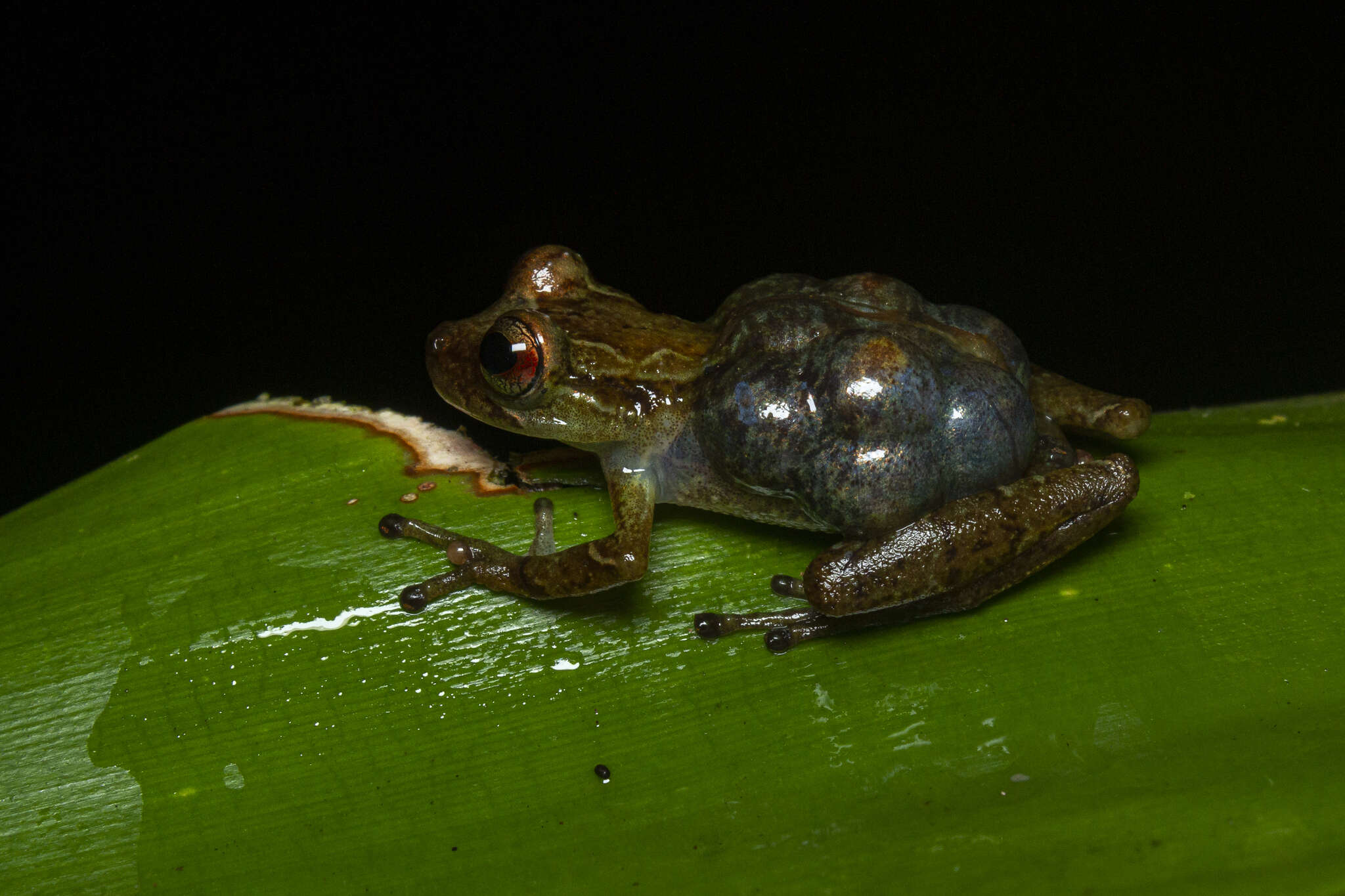
Flectonotus
Flectonotus is a genus of frogs of the family Hemiphractidae. They are found on the Andes of northeastern Colombia and adjacent Venezuela as well as in Trinidad and Tobago.

Notaden
Notaden is a genus of burrowing ground frogs native to central and northern Australia. Their common name is Australian spadefoot toads.
%20Figure%201%20(cropped).png)
Adelophryne
Adelophryne is a genus of frogs in the family Eleutherodactylidae. They are native to northern South America east of the Andes, known roughly from the area corresponding to the Guiana Shield, as well as to the coastal area of Bahia, Brazil. Whether the genus is truly distinct from Phyzelaphryne remains uncertain. Common name shield frogs has been proposed for this genus, although the stem flea frog is used for some species.