Category
page 1Anthelmintics
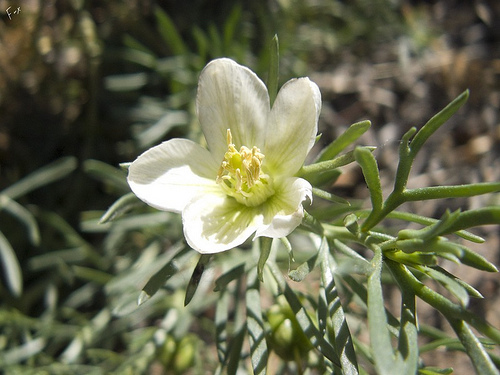
Peganum harmala
species of plant in the family Nitrariaceae

albendazol
Albendazole is a broad-spectrum antihelmintic and antiprotozoal agent of the benzimidazole type. It is used for the treatment of a variety of intestinal parasite infections, including ascariasis, pinworm infection, hookworm infection, trichuriasis, strongyloidiasis, taeniasis, clonorchiasis, opisthorchiasis, cutaneous larva migrans, giardiasis, and gnathostomiasis, among other diseases.
mebendazole
Mebendazole (MBZ), sold under the brand name Vermox among others, is a medication used to treat a number of parasitic worm infestations. This includes ascariasis, pinworm infection, hookworm infections, guinea worm infections and hydatid disease, among others. It has been used for treatment of giardiasis but is not a preferred agent. It is taken by mouth.
piperazine
Piperazine () is an organic compound with the formula . In terms of its structure, it can be described as cyclohexane with the 1- and 4-CH2 groups replaced by NH. Piperazine exists as a deliquescent solid with a saline taste. Piperazine is freely soluble in water and ethylene glycol, but poorly soluble in diethyl ether. Piperazine is commonly available industrially as the hexahydrate, , which melts at 44 °C and boils at 125–130 °C.
anthelmintic
thumb|Anthelmintic effect of papain on [[Heligmosomoides bakeri]]
Anthelmintics, anthelminthics, antihelmintics or antihelminthics are a group of antiparasitic drugs that expel parasitic worms (helminths) and other internal parasites from the body by either stunning or killing them without causing significant damage to the host. They may also be called vermifuges (those that stun) or vermicides (those that kill). Anthelmintics are used to treat people who are infected by helminths, a condition called helminthiasis. These drugs are used to treat infected animals, particularly small ruminants su

tetrachloroethylene
Tetrachloroethylene, also known as perchloroethylene or under the systematic name tetrachloroethene, and abbreviations such as perc, and PCE, is a chlorocarbon with the formula . It is a volatile, non-flammable, stable, colorless and dense liquid widely used for dry cleaning of fabrics and as a metal degreasing solvent, formerly as an oral anthelmintic. It has a mild, sweet, sharp odor, detectable by most people at a concentration of 50 ppm.
praziquantel
Praziquantel, sold under the brandname Biltricide among others, is a medication used to treat a number of types of parasitic worm infections in mammals, birds, amphibians, reptiles, and fish. In humans specifically, it is used to treat schistosomiasis, clonorchiasis, opisthorchiasis, tapeworm infections, cysticercosis, echinococcosis, paragonimiasis, fasciolopsiasis, and fasciolosis. It should not be used for worm infections of the eye. It is taken by mouth.
levamisole
Levamisole, sold under the brand name Ergamisol among others, is a medication used to treat parasitic worm infections, specifically ascariasis and hookworm infections. It is taken by mouth.
niclosamide
Niclosamide, sold under the brand name Niclocide among others, is an anthelmintic medication used to treat tapeworm infestations, including diphyllobothriasis, hymenolepiasis, and taeniasis. It is not effective against other worms such as flukes or roundworms. It is taken by mouth.
triclabendazole
Triclabendazole, sold under the brand name Egaten among others, is a medication used to treat fascioliasis and paragonimiasis. It is very effective for both conditions. Treatment in hospital may be required. It is taken by mouth with typically one or two doses being required.
suramin
Suramin is a medication used to treat African sleeping sickness and river blindness. It is the treatment of choice for sleeping sickness without central nervous system involvement. It is given by injection into a vein.
diatrizoic acid
Diatrizoate, also known as amidotrizoate, Gastrografin, is a contrast agent used during X-ray imaging. This includes visualizing veins, the urinary system, spleen, and joints, as well as computer tomography (CT scan). It is given by mouth, injection into a vein, injection into the bladder, through a nasogastric tube, or rectally.
ascaridole
Ascaridole is a natural organic compound classified as a bicyclic monoterpenoid that has an unusual bridging peroxide functional group. It is a colorless liquid with a pungent smell and taste that is soluble in most organic solvents. Like other low molecular weight organic peroxides, it is unstable and prone to rapid decomposition when heated or treated with organic acids. Ascaridole determines the specific flavor of the Chilean tree boldo and is a major constituent of the oil of Mexican tea (wormseed). It is a component of natural medicine, tonic drinks and food flavoring in Latin American cu
fenbendazole
Fenbendazole is a broad-spectrum benzimidazole anthelmintic used against gastrointestinal parasites including: roundworms, hookworms, whipworms, the tapeworm genus Taenia (but not effective against Dipylidium caninum, a common dog tapeworm), pinworms, Aelurostrongylus spp., paragonimiasis, strongyles, and strongyloides that can be administered to sheep, cattle, horses, fish, dogs, cats, rabbits, most reptiles, freshwater shrimp tanks as planaria and hydra treatments, and seals.
4-hexylresorcinol
4-Hexylresorcinol is an organic compound with local anaesthetic, antiseptic, and anthelmintic properties.
flubendazole
Flubendazole is an anthelmintic, used both in humans and for veterinarian purposes. It is very close chemically to mebendazole, the only difference being an added fluorine atom. Like mebendazole, flubendazole inhibits tubulin polymerization.
doramectin
Doramectin, sold under the brand name Dectomax among others, is a veterinary medication approved by the US Food and Drug Administration (FDA) for the treatment of parasites such as gastrointestinal roundworms, lungworms, eyeworms, grubs, sucking lice, and mange mites in cattle. It is available as a generic medication. It is available as a combination with levamisole under the brand name Valcor.
pyrvinium pamoate
Pyrvinium (Viprynium) is an anthelmintic effective for pinworms. Several forms of pyrvinium have been prepared with variable counter anions, such as halides, tosylate, triflate and pamoate. Pyrvinium was identified as a potent Wnt inhibitor, acting through activation of Casein kinase CK1α.
cyclobendazole
Ciclobendazole is an anthelmintic, that is a pharmaceutical drug against parasitic worms. It underwent a clinical trial in the 1970s, where it was found to be as effective as mebendazole in the treatment of hookworm infection and ascariasis, but significantly less effective in the treatment of trichuriasis.
moxidectin
Moxidectin is an anthelmintic drug used in animals to prevent or control parasitic worms (helminths), such as heartworm and intestinal worms, in dogs, cats, horses, cattle, sheep and wombats. Moxidectin kills some of the most common internal and external parasites by selectively binding to a parasite's glutamate-gated chloride ion channels. These channels are vital to the function of invertebrate nerve and muscle cells; when moxidectin binds to the channels, it disrupts neurotransmission, resulting in paralysis and death of the parasite.
rafoxanide
Rafoxanide is a salicylanilide used as an anthelmintic. It is most commonly used in ruminant animals to treat adult liver flukes of the species Fasciola hepatica and Fasciola gigantica.
epsiprantel
Epsiprantel (trade name Cestex) is a veterinary drug which is used as an anthelmintic against tapeworms such as Echinococcus granulosus.
desaspidin
Desaspidin is an anthelmintic. Desapidin may occur in natural form within some plants such as Coastal woodfern, Dryopteris arguta. Since the 1950s the inhibition effects of desapidins upon phosphorylation in chloroplasts has been noted and studied.
tribendimidine
Tribendimidine is a broad-spectrum anthelmintic agent developed in China, at the National Institute of Parasitic Diseases in Shanghai. It is a derivative of amidantel.
oxyclozanide
Oxyclozanide is a salicylanilide anthelmintic. It is used in the treatment and control of fascioliasis in ruminants, mainly domestic animals such as cattle, sheep, and goats. It mainly acts by uncoupling of oxidative phosphorylation in flukes. Along with niclosamide, another tapeworm drug, it has been recently found to display "strong in vivo and in vitro activity against methicillin-resistant Staphylococcus aureus (MRSA)".
milbemycin
The milbemycins are a group of macrolides chemically related to the avermectins and were first isolated in 1972 from Streptomyces hygroscopicus.
They are used in veterinary medicine as antiparasitic agents against worms, ticks and fleas. They also show insecticidal and acaricidal activity.
dithiazanine iodide
chemical compound
befuraline
Befuraline (DIV-154) is a psychoactive drug and member of the piperazine chemical class which was developed in Germany in the 1970s. Befuraline has stimulant and antidepressant effects and has seen some use in Germany and France, although it has never become widely used. Befuraline's active metabolite benzylpiperazine is likely to contribute to its effects.
morantel
Morantel is an anthelmintic drug used for the removal of parasitic worms in livestock. It affects the nervous system of worms given the drug is an inhibitor of acetylcholinesterase. It is derived in part from 3-methylthiophene. Morantel is closely related to pyrantel.
milbemycin oxime
chemical compound