Category
page 1Apioideae genera

Heracleum
genus of plants

Angelica
right|thumb|220px|Wild angelica (Angelica sylvestris) from Thomé, 1885
Angelica is a genus of about 90 species of tall biennial and perennial herbs in the family Apiaceae, native to temperate and subarctic regions of the Northern Hemisphere, reaching as far north as Iceland, Sápmi, and Greenland. They grow to tall, with large bipinnate leaves and large compound umbels of white or greenish-white flowers. It shows variations in fruit anatomy, leaf morphology, and subterranean structures. The genes are extremely polymorphic.

Daucus
Daucus is a worldwide genus of herbaceous plants of the celery family Apiaceae of which the best-known species is the cultivated carrot. Daucus has about 45 species. The oldest carrot fossil is 1.3 Ma, and was found on the island of Madeira in the Atlantic Ocean.

Apium
Apium is a genus, as currently circumscribed by Plants of the World Online, of 12 species of flowering plants in the family Apiaceae, with an unusual highly disjunct distribution with one species in the temperate Northern Hemisphere in the Western Palaearctic (Europe, western Asia, north Africa), and the rest in the temperate Southern Hemisphere in southern Africa, southern South America, Australia, and New Zealand. They are prostrate to medium-tall annual, biennial or perennial herbs growing up to 1 m high in wet soil, often marshes and salt marshes, and have pinnate to bipinnate leaves and s

Carum
Carum is a genus of flowering plants in the family Apiaceae, native to temperate regions of the Old World. A well-recognized species is caraway (C. carvi), the seeds of which are widely used as a spice.

Eryngium
Eryngium is a genus of flowering plants in the family Apiaceae. There are about 250 species. The genus has a cosmopolitan distribution, with centres of diversity in the western Mediterranean, South America and Mexico. Common names include eryngo and sea holly (though not to be confused with true hollies, of the genus Ilex). Less commonly known as sea thistle, although they are not true thistles of the family Asteraceae.

Pimpinella
alt=Wild Pimpinella in Behbahan, Iran|thumb|Wild Pimpinella in Behbahan, [[Iran]]
Pimpinella is a plant genus in the family Apiaceae; it includes the aromatic herb anise (P. anisum).

Ferula
Ferula (from Latin ferula ) is a genus of about 220 species of flowering plants in the family Apiaceae, native to the Mediterranean region east to central Asia, mostly growing in arid climates. Many plants of this genus, especially F. communis, are referred to as "giant fennel", although they are not fennel in the strict sense.

Aegopodium
Aegopodium is a plant genus of the family Apiaceae native to Europe and western Asia. It is represented by about twelve species, all are herbs. Flowers are compounded, umbels appearing in spring-summer and are visited by many types of insect pollinators. Fruit consists of two-winged or ribbed nuts that separate on ripening.

Cicuta
Cicuta, commonly known as water hemlock, is a genus of four species of highly poisonous plants in the family Apiaceae. They are perennial herbaceous plants which grow up to tall, having distinctive small green or white flowers arranged in an umbrella shape (umbel). Plants in this genus may also be referred to as cowbane or poison parsnip. Cicuta is native to temperate regions of the Northern Hemisphere, mainly North America and Europe, typically growing in wet meadows, along streambanks and other wet and marshy areas. In the United Kingdom it is frequently found along canals. These plants bear

Bupleurum
Bupleurum is a large genus of annual or perennial herbs or woody shrubs, with about 190 species, belonging to the family Apiaceae. The full size of its species may vary between a few cm to up to 3 m high. Their compound umbels of small flowers are adorned with bracteoles that are sometimes large and may play a role in attracting pollinators. Rare among the Apiaceae are the simple leaves, bracts (if present), and bracteoles. The genus is almost exclusively native in the Old World Northern Hemisphere, with one species native to North America and one species native to southern Africa.

Conium
Conium ( or ) is a genus of flowering plants in the family Apiaceae. , Plants of the World Online accepts six species.

Anthriscus
Anthriscus (chervils) is a common flowering plant genus of the family Apiaceae, which includes 14 species native to Europe, temperate Asia, northwest Africa, and the tropical African mountains. The genus grows in meadows and verges on slightly wet porous soils. One species, Anthriscus cerefolium is cultivated and used in the kitchen to flavor foods.

Petroselinum
Petroselinum is a genus of two parsley species of flowering plants in the family Apiaceae, native to western and southern Europe and northern Africa.

Peucedanum
Peucedanum is a genus of flowering plant in the carrot family, Apiaceae. Peucedanum boasts a global presence with diverse spread of morphological features. Peucedanum species are characterized by dorsally compressed mericarps, slightly prominent dorsal ribs, narrowly winged lateral ribs, and a broad commissure. However, the vast diversity of morphology, fruit forms, and phytochemical production makes classifying species in the Peucedanum challenging. Historically relevant in traditional medicine, Peucedanum's taxonomic complexity arises from its extensive diversity.

Pastinaca
Pastinaca (parsnips) is a genus of flowering plant in the family Apiaceae, comprising 15 species. Economically, the most important member of the genus is Pastinaca sativa, the parsnip.

Coriandrum
Coriandrum is a genus of herbs in the family Apiaceae containing the cultivated species Coriandrum sativum (coriander) and the wild species Coriandrum tordylium. The leaves and seeds of Coriandrum sativum are used in cooking. The leaves are often referred to as cilantro in North America.

Foeniculum
Foeniculum is a genus of flowering plants in the carrot family. It includes the commonly cultivated fennel, Foeniculum vulgare.
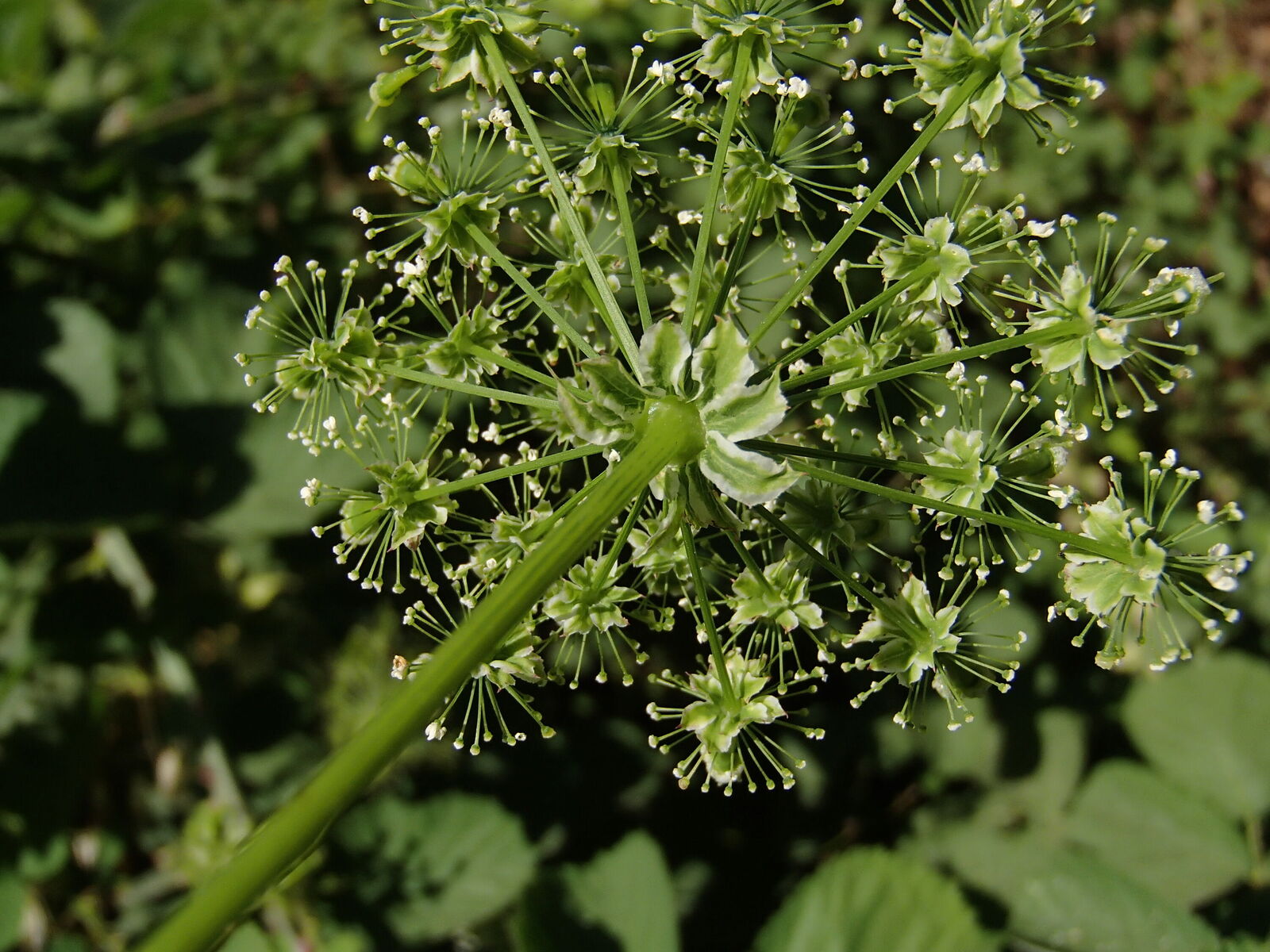
Chaerophyllum
Chaerophyllum is a genus of flowering plant in the family Apiaceae, with 35 species native to Europe, Asia, North America, and northern Africa. It includes the cultivated root vegetable Chaerophyllum bulbosum (turnip rooted chervil).
File:Chaerophyllum bulbosum W.jpg|Chaerophyllum bulbosum
File:Chaerophyllum procumbens - Spreading Chervil.jpg|Chaerophyllum procumbens

Seseli
Seseli is a genus of herbaceous perennial plants in the family Apiaceae. They are sometimes woody at base with a conic taproot. Leaf blades are 1–3-pinnate or pinnately decompound. Umbels are compound, with bracts few or absent. Petals are white or yellow, and the fruit ovoid or ellipsoid.
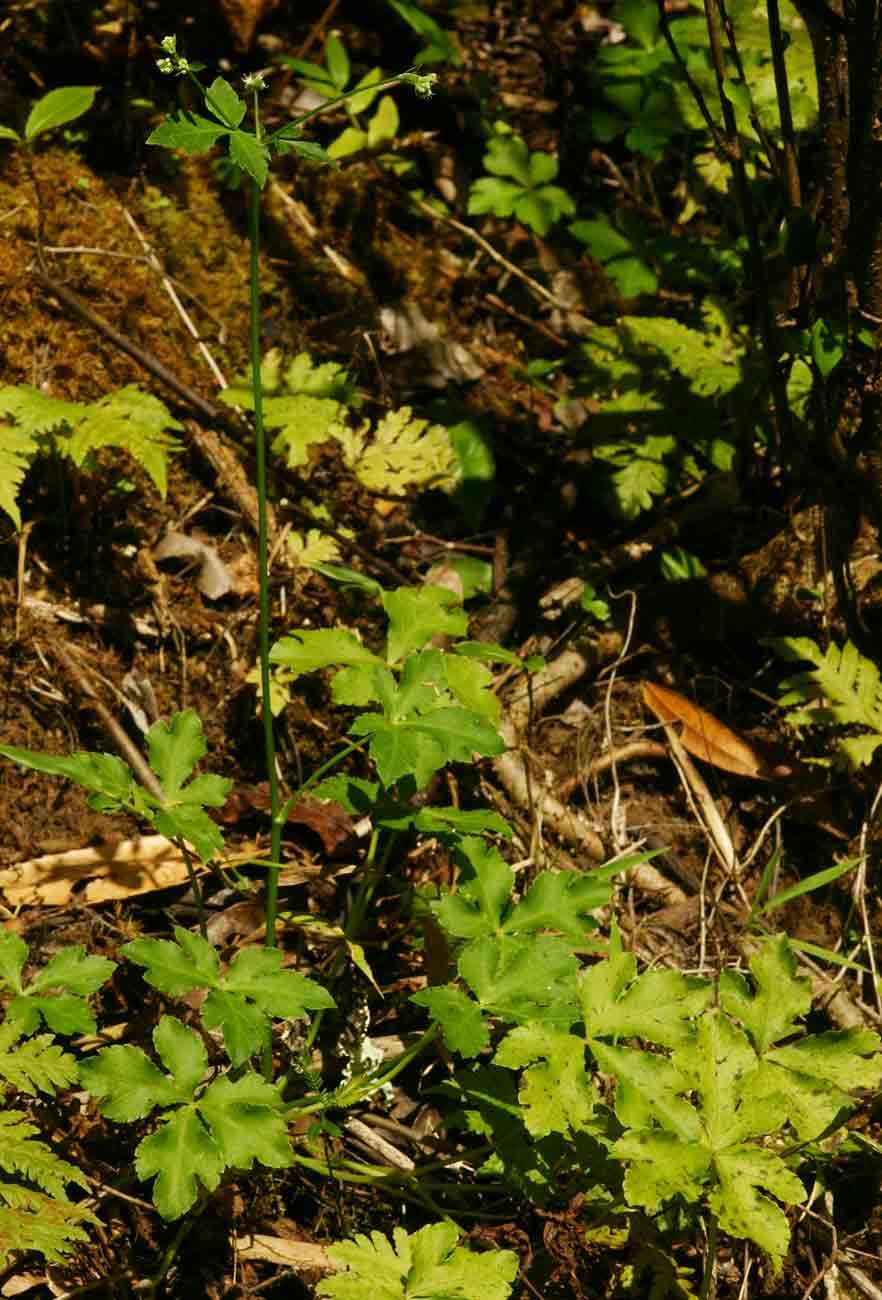
Sanicula
Sanicula is a genus of plants in family Apiaceae (or Umbelliferae), the same family to which the carrot and parsnip belong. This genus has about 45 species worldwide, with at least 22 in North America. The common names usually include the terms sanicle or black snakeroot.

Torilis
Torilis is a genus of plants in the family Apiaceae which are known generally as the hedge parsleys. They are native to Eurasia and North Africa but have been introduced to other continents. T. arvensis is quite widespread in North America but is facing population decline in the UK.

Oenanthe
genus of plants

Laserpitium
Laserpitium is a genus of flowering plants in the family Apiaceae. It includes eight species native to Europe and Morocco.

Sium
Sium is a genus of flowering plants in the family Apiaceae. It is widely distributed across Europe, Asia, Africa, and North America. Plants of this genus are commonly called water parsnips.

Anethum
Anethum is a flowering plant genus in the family Apiaceae, native to the Middle East and the Sahara in northern Africa.

Cnidium
Cnidium is a genus of flowering plants in the family Apiaceae, native to Eurasia and North America.
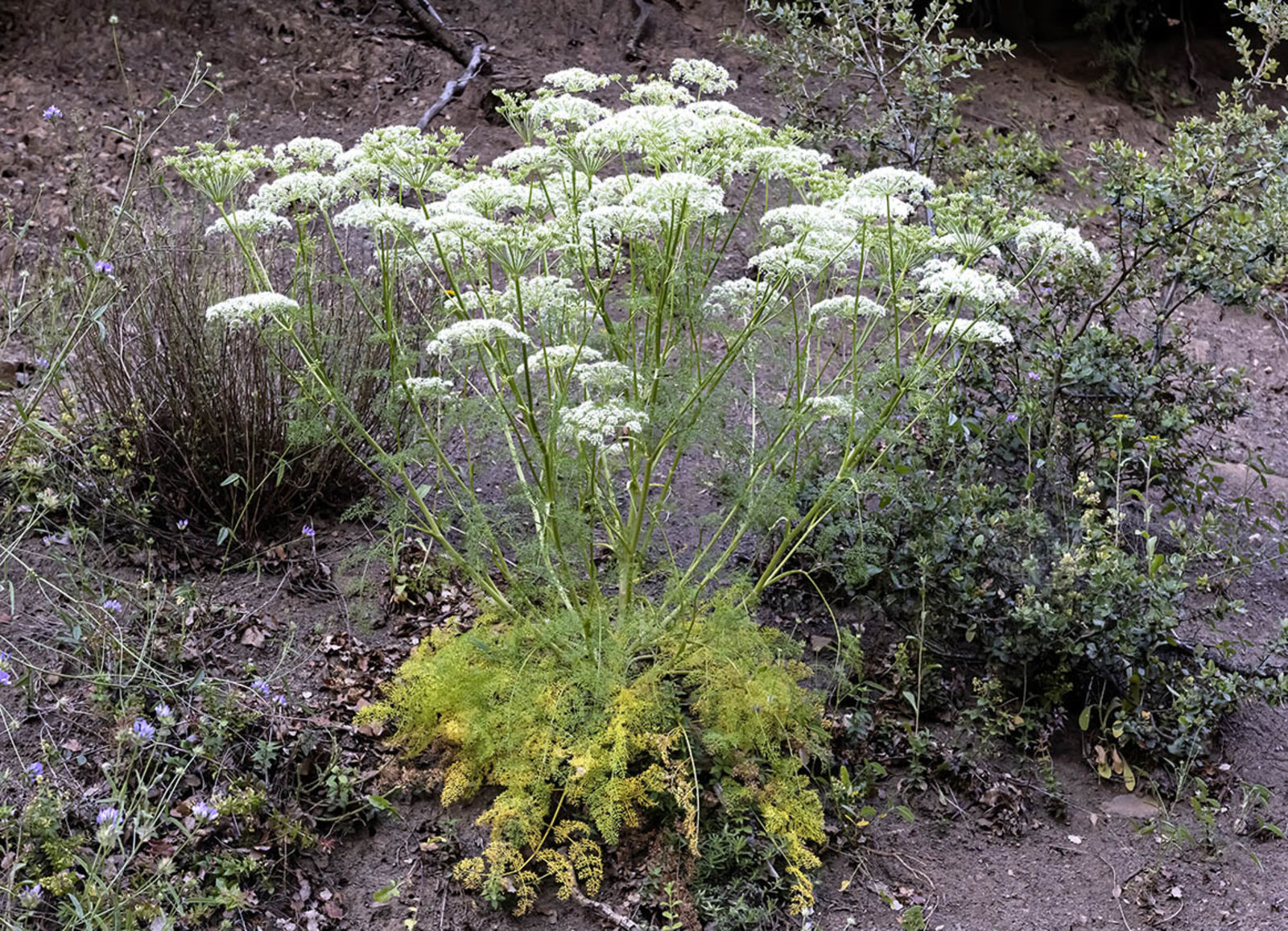
Ligusticum
Ligusticum (lovage, licorice root) is a genus of about 60 species of flowering plants in the family Apiaceae, native to cool temperate regions of the Northern Hemisphere. Its name is believed to derive from the Italian region of Liguria.

Ammi
genus of plants

Scandix
thumb|Scandix australis MHNT
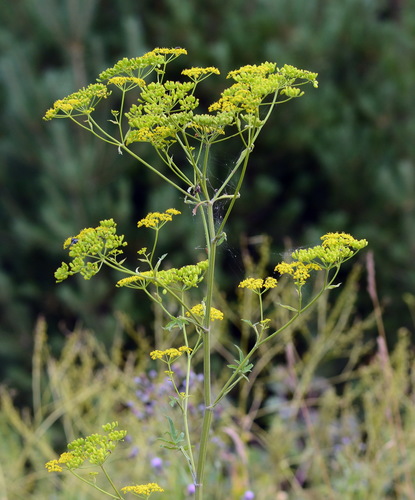
Selinum
Selinum is a Eurasiatic genus of flowering plants in the parsley family Apiaceae.

Bunium
Bunium is a genus of flowering plants in the family Apiaceae, with 45 to 50 species.

Prangos
Prangos is a genus of flowering plants of the family Apiaceae, native from Europe to Mongolia and the western Himalayas.

Smyrnium
Smyrnium is a genus of flowering plants in the family Apiaceae that naturally grows in a range stretching from Southern Europe to South Asia.

Aciphylla
Aciphylla is a genus of about 40 species of herbaceous plants in the family Apiaceae, all but two of them endemic to New Zealand (the remaining two species are found only in Australia). They range from small cushion plants to tall flower spikes surrounded by rosettes of stiff, pointed leaves, the latter probably adaptations to prevent browsing by moa. Their common name is speargrass or Spaniard. Most Aciphylla species preferred habitats are in subalpine or alpine habitats in the South Island. Fragrant oil extracted from some large species, known as taramea, is still used as a perfume by Māori.

Bifora
genus of plants

Conioselinum
Conioselinum is a genus of flowering plant in the family Apiaceae, native to Eurasia and North America. Its species are erect perennial plants with deeply toothed compound leaves and umbels of white flowers. Plants of this genus are known commonly as hemlock-parsley.
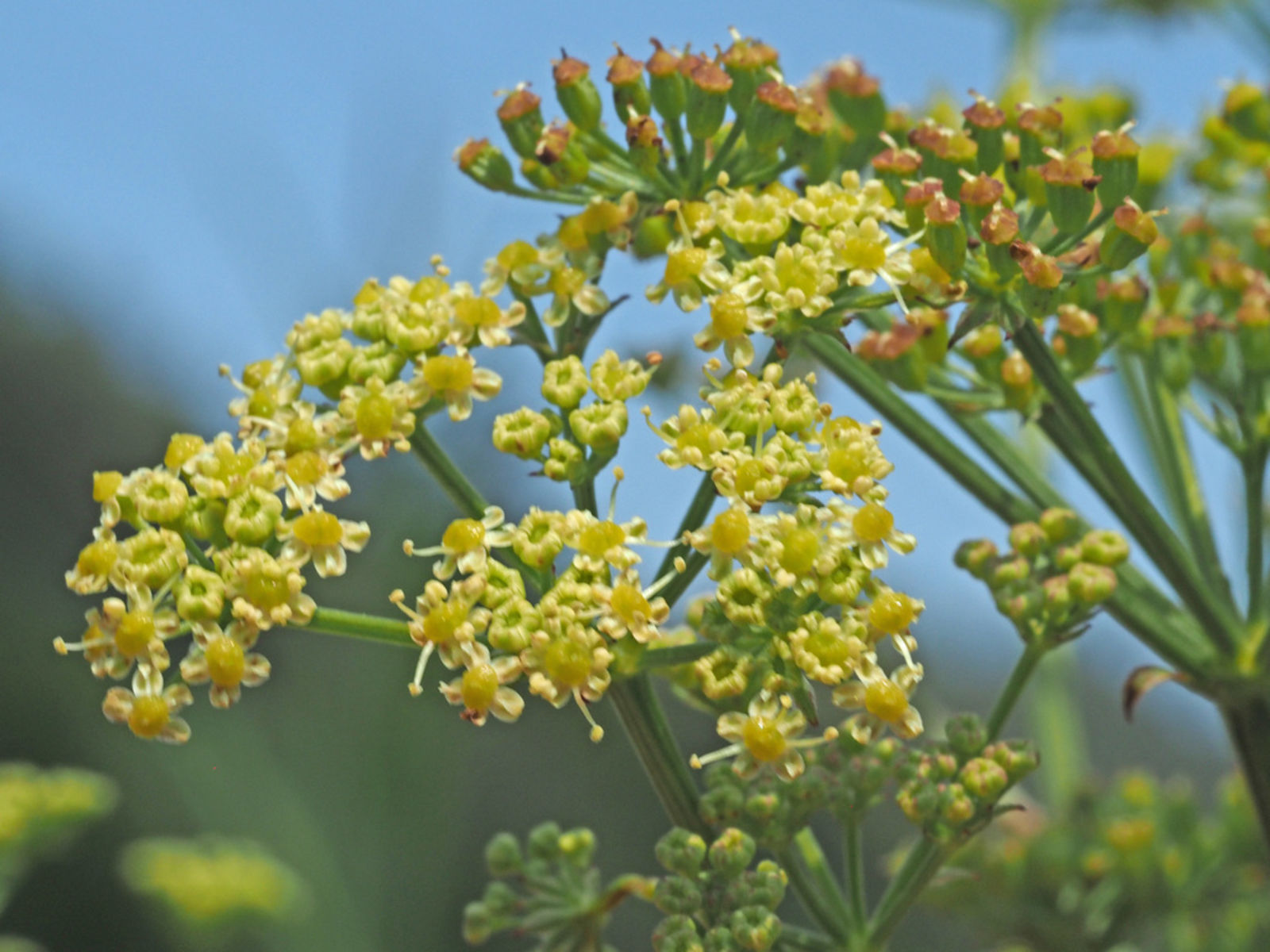
Silaum
Silaum is a genus of flowering plants in the carrot/parsley family, Apiaceae. There are currently ten species placed into the genus, a list of which is provided below.

Tordylium
Tordylium is a genus of flowering plants in the carrot family (Apiaceae). Members of the genus are known as hartworts.

Osmorhiza
Osmorhiza is a genus of perennial herbs, known generally as sweet cicely, sweetcicely, or sweetroot. Most species are native to North America, but some grow in South America and Asia. Some species are used for medicinal purposes, but have dangerous lookalikes. The fruits of this plant have barbs on the end allowing them to stick to clothing, fur, or feathers.

Berula
Berula is a cosmopolitan genus of flowering plants in the family Apiaceae, whose species are known as water parsnips, as are some other plants in Apiaceae such as Sium latifolium and Sium suave. It is easily confused with the highly toxic water hemlock (Cicuta maculata).

Echinophora
Echinophora is a genus of plants belonging to the parsley family, Apiaceae. The thistle-like spininess of the plants is reflected in the genus name, composed of the Greek prefix echino- meaning "spiny" (from ἐχῖνος echīnos "hedgehog") and the suffix -phora meaning "carrier", giving the meaning "spine-bearer".

Orlaya
thumb|Orlaya grandiflora - MHNT
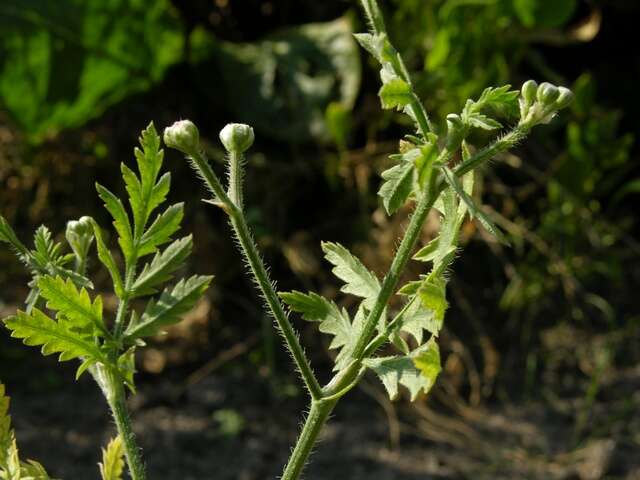
Turgenia
Turgenia is a genus of flowering plants in the family Apiaceae, containing up to seven species. The genus resembles Caucalis. False carrot is a common name for plants in this genus.
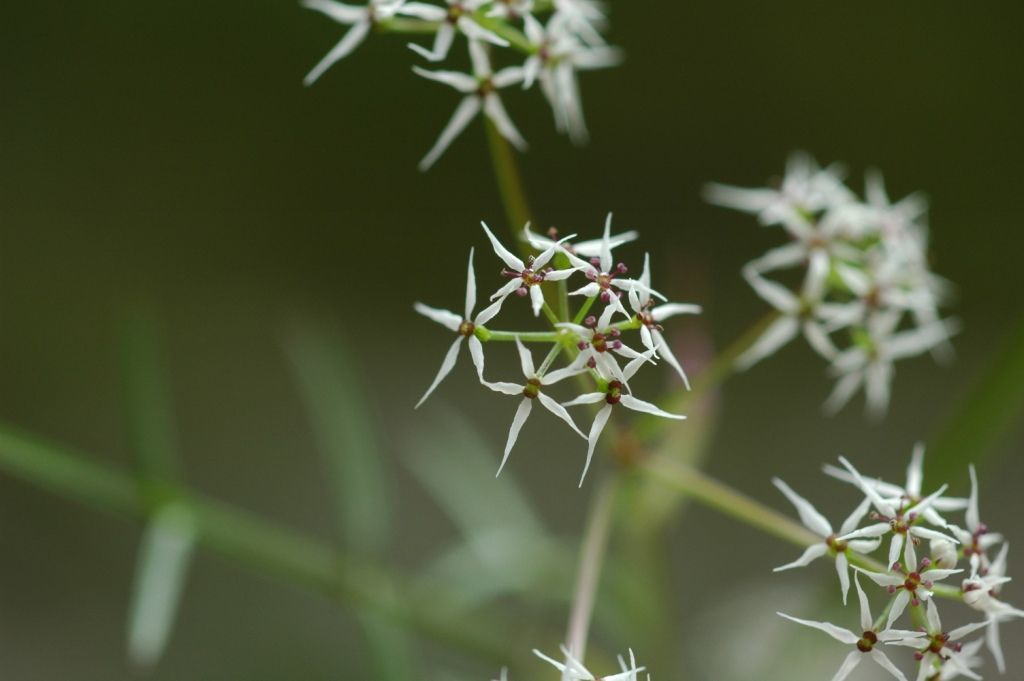
Acronema
The genus Acronema consists of 38 species of plants in the family Apiaceae found in the Sino-Himalayan region. Its also classified under the major group Angiosperms (flowering plants). It's in the Acronema clade with genera including Ligusticum and Ostericum.

Astrodaucus
Astrodaucus is a genus of flowering plants in the family Apiaceae, with three species native to southeastern Europe, the Caucasus, and western Asia.
Astrodaucus littoralis – Bulgaria, Romania, Ukraine, southern European Russia, and the Caucasus
Astrodaucus orientalis – Ukraine, Caucasus, and western Asia
Astrodaucus persicus – Caucasus and Iran

Opopanax
genus of plants

Ferulago
Ferulago is a genus of flowering plants in the family Apiaceae.

Arracacia
Arracacia is a genus of flowering plant in the Apiaceae. It is native to the Americas, Mexico to Bolivia. The most important member of the genus economically is the arracacha, Arracacia xanthorrhiza.

Laser
genus of plants

Thapsia
genus of plants
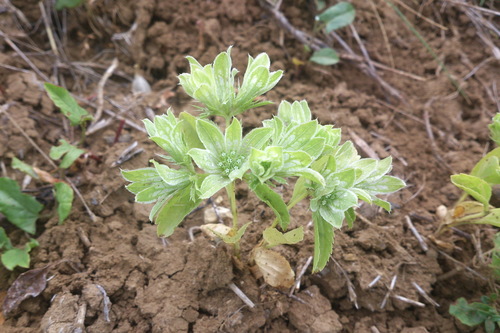
Actinolema
Actinolema is a genus of plants in the family Apiaceae. They are found in Southwest Asia and the Caucasus.

Ostericum
Ostericum is a genus of flowering plants belonging to the family Apiaceae.
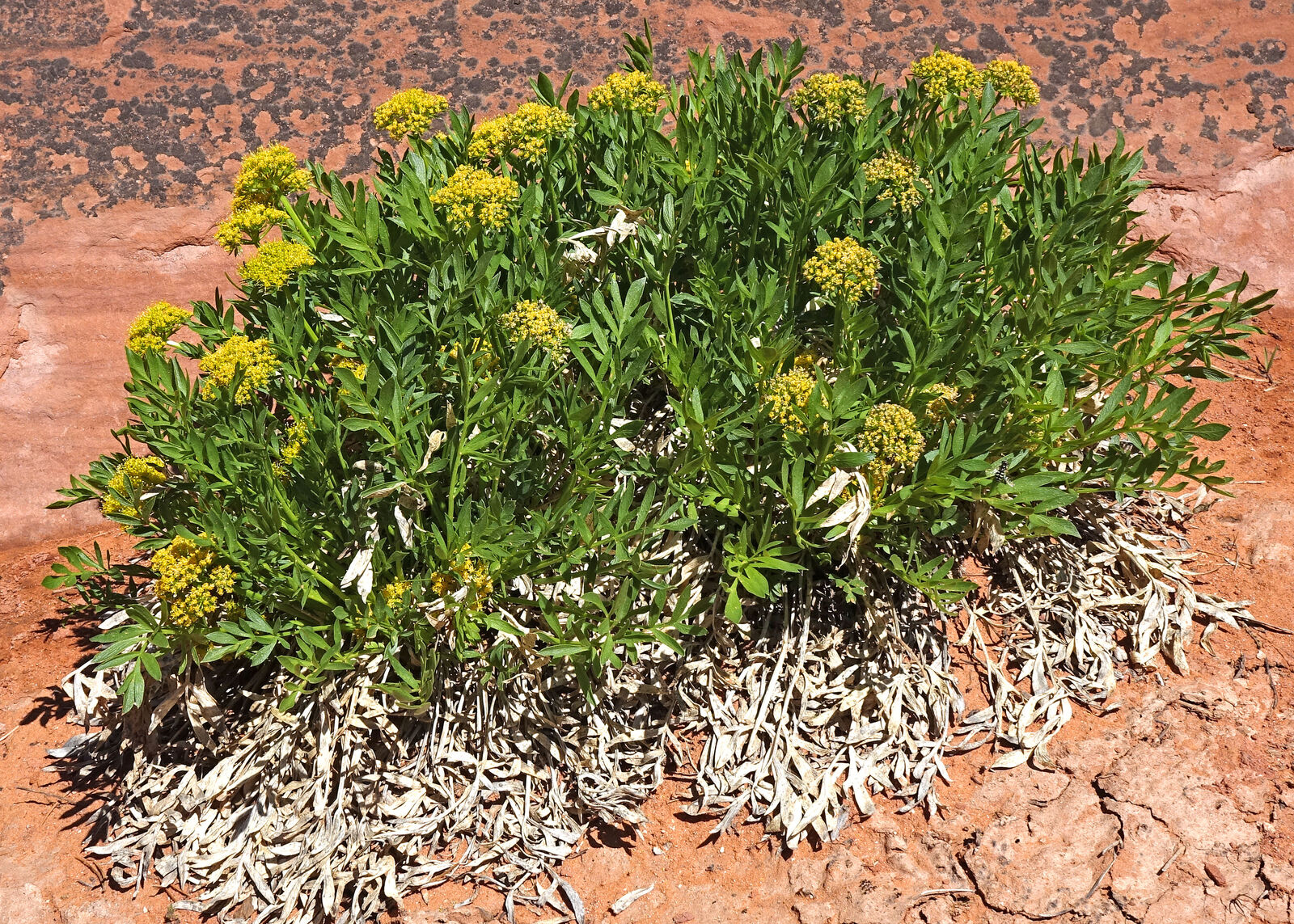
Lomatium
Lomatium is a genus in the family Apiaceae. It consists of about 100 species. Its common names include biscuitroot, Indian parsley, and desert parsley. It is in the family Apiaceae and therefore related to many familiar edible species such as carrots and celery. Native to western Northern America and northern Mexico, some Lomatium species are extensively used by Native Americans in the inland Pacific Northwest as a staple food.
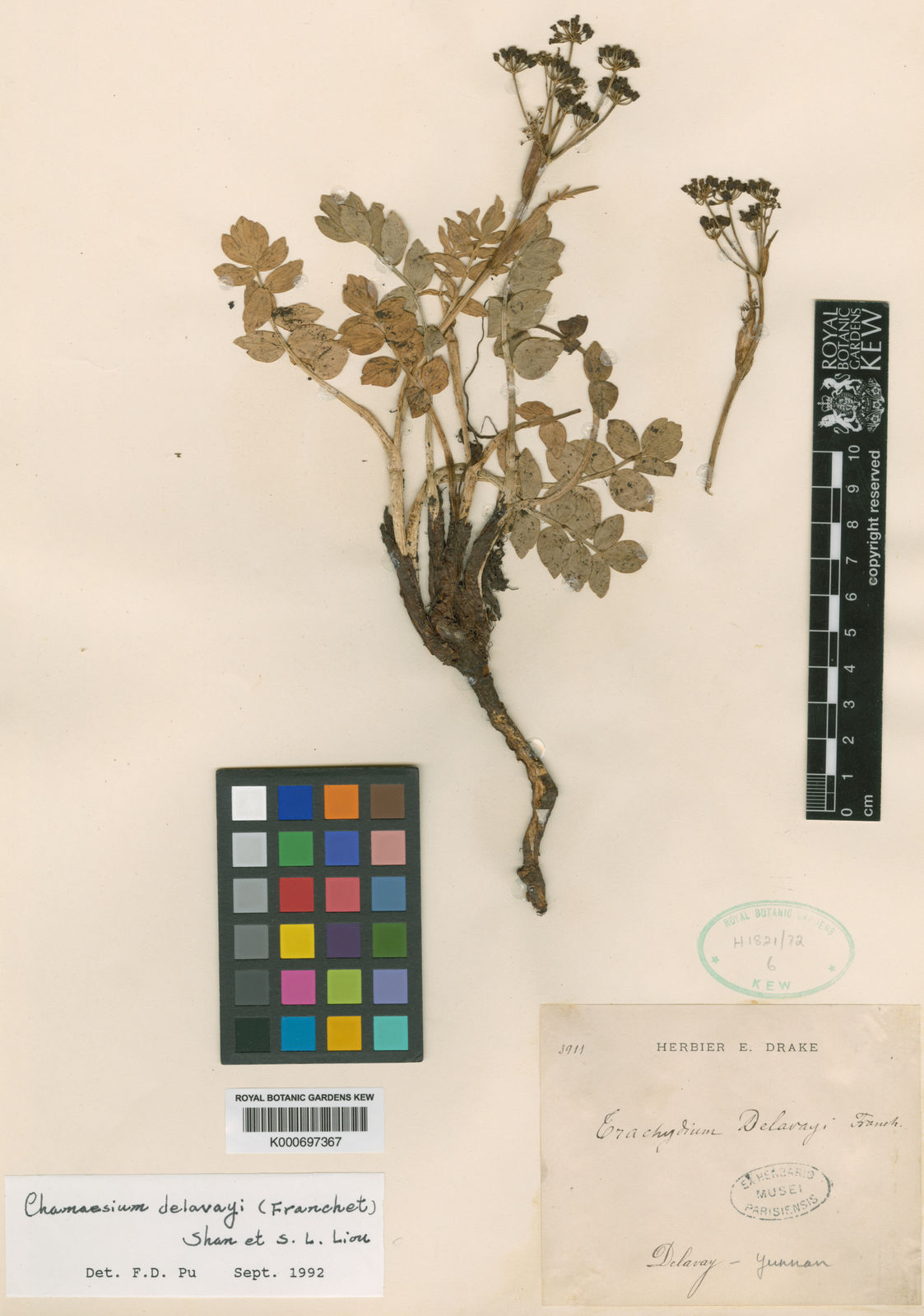
Chamaesium
Chamaesium is a genus of flowering plant in the family Apiaceae. It contains ten species native to the Himalayas and central China.

Pleurospermum
Pleurospermum is a genus of flowering plants in the family Apiaceae.
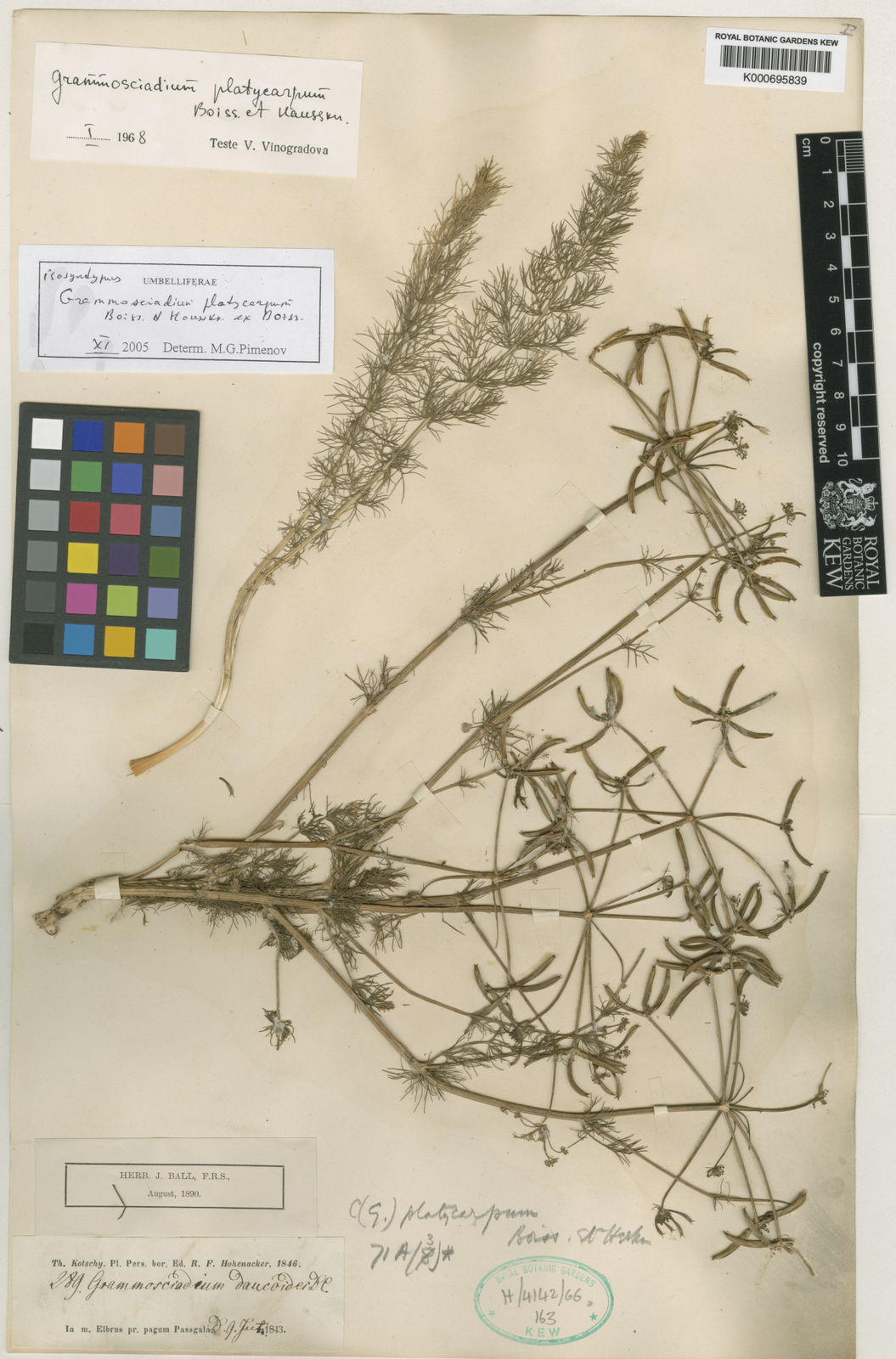
Grammosciadium
Grammosciadium is a genus of flowering plants belonging to the family Apiaceae.
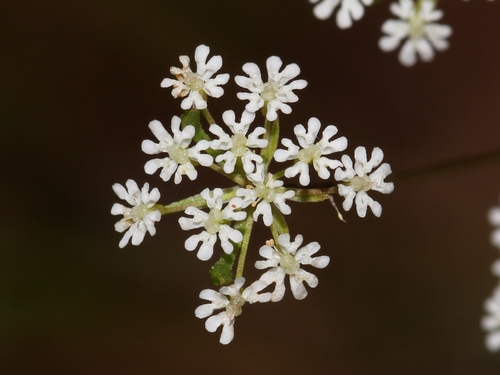
Ammoides
Ammoides is a genus of flowering plants in the Apiaceae, comprising 2 species. It is endemic to northern Africa and southern Europe.

Cachrys
Cachrys is a genus of flowering plant in the family Apiaceae. Its species are native around the Mediterranean and eastwards to Iran.
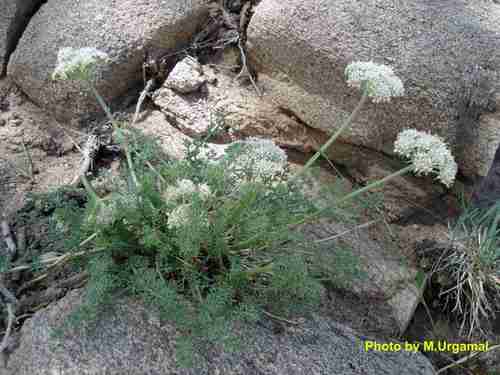
Phlojodicarpus
Phlojodicarpus is a genus of flowering plants belonging to the family Apiaceae.