Category
page 1Aquatic plants

Phragmites australis
species of plant (Phragmites)

Nymphaeaceae
thumb|Flowering Barclaya longifolia specimen, Thailand
thumb|Flower of Victoria cruziana, Santa Cruz water lily
thumb|Flowering Euryale ferox specimen cultivated in the Botanischer Garten Berlin-Dahlem, Germany
thumb|Flowering and fruiting Nuphar variegata specimen

Typha
Typha is a genus of about 30 species of monocotyledonous flowering plants in the family Typhaceae. These plants have a variety of common names, in British English bulrush or (mainly historically) reedmace, in American English cattail or punks, in Australia cumbungi or bulrush, in Canada bulrush or cattail, and in New Zealand raupō, bullrush, cattail, or reed.

Cyperus papyrus
species of aquatic flowering plant

aquatic plant
plant that has adapted to living in an aquatic environment

Typha latifolia
species of plant

Alismataceae
The water-plantains (Alismataceae) are a family of flowering plants, comprising 20 genera (17 extant and 3 fossil) and 119 species. The family has a cosmopolitan distribution, with the greatest number of species in temperate regions of the Northern Hemisphere. Most of the species are herbaceous aquatic plants growing in marshes and ponds.

Eichhornia crassipes
species of plant

Potamogeton
Potamogeton is a genus of aquatic, mostly freshwater, plants of the family Potamogetonaceae. Most are known by the common name pondweed, although many unrelated plants may be called pondweed, such as Canadian pondweed (Elodea canadensis). The genus name means "river neighbor", originating from the Greek potamos (river) and geiton (neighbor).

Lemna
Lemna is a genus of free-floating aquatic plants referred to by the common name "duckweed". They are morphologically divergent members of the arum family Araceae. These rapidly growing plants have found uses as a model system for studies in community ecology, basic plant biology, ecotoxicology, and production of biopharmaceuticals, and as a source of animal feeds for agriculture and aquaculture. Currently, 14 species of Lemna are recognised.

Hydrocharitaceae
Hydrocharitaceae is a flowering plant family which includes 14 accepted genera and a total of ca 135 known species (Christenhusz & Byng 2016). The family holds a number of species of aquatic plants, including tape-grass, the well-known Canadian waterweed, and frogbit.

Pistia stratiotes
Pistia is a genus of aquatic plants in the arum family, Araceae. It is the sole genus in the tribe Pistieae which reflects its systematic isolation within the family. The single species it comprises, Pistia stratiotes, is often called water cabbage, water lettuce, Nile cabbage, or shellflower. Its native distribution is uncertain but is probably pantropical; it was first scientifically described from plants found on the Nile near Lake Victoria in Africa. It is now present, either naturally or through human introduction, in nearly all tropical and subtropical fresh waterways and is considered a

Butomus umbellatus
species of plant

Potamogetonaceae
The Potamogetonaceae, commonly referred to as the pondweed family, is an aquatic family of monocotyledonous flowering plants. The roughly 110 known species are divided over five genera. The largest genus in the family by far is Potamogeton, which contains about 100 species.

Victoria amazonica
species of plant

Nuphar
Nuphar is a genus of aquatic plants in the family Nymphaeaceae, with a temperate to subarctic Northern Hemisphere distribution. Common names include water-lily (Eurasian species; shared with many other genera in the same family), pond-lily, alligator-bonnet or bonnet lily, and spatterdock (North American species).

Bacopa monnieri
species of plant

Juncaginaceae
Juncaginaceae is a family of flowering plants, recognized by most taxonomists for the past few decades. It is also known as the arrowgrass family. It includes 3 genera with a total of 34 known species (Christenhusz & Byng 2016 ).
Eleocharis
Eleocharis is a virtually cosmopolitan genus of 250 or more species of flowering plants in the sedge family, Cyperaceae. The name is derived from the Greek words ἕλειος (heleios), meaning "marsh dweller," and χάρις (charis), meaning "grace." Members of the genus are known commonly as spikerushes or spikesedges. The genus has a geographically cosmopolitan distribution, with centers of diversity in the Amazon rainforest and adjacent eastern slopes of the South American Andes, northern Australia, eastern North America, California, Southern Africa, and subtropical Asia. The vast majority of Eleoch
Azolla
Azolla (commonly called mosquito fern, water fern, and fairy moss) is a genus of seven species of aquatic ferns in the family Salviniaceae. They are extremely reduced in form and specialized, having a significantly different appearance to other ferns and more resembling some mosses or even duckweeds. Azolla filiculoides is one of two fern species for which a reference genome has been published. It is believed that this genus grew so prolifically during the Eocene (and thus absorbed such a large amount of carbon) that it triggered a global cooling event that has lasted to the present.

Victoria
genus of plants in the family Nymphaeaceae

Pontederiaceae
Pontederiaceae is a family of flowering plants.
thumb|Pontederia plantaginea in [[Kerala]]

Lemnoideae
Lemnoideae is a subfamily of flowering aquatic plants, known as duckweeds, water lentils, or water lenses. They float on or just beneath the surface of still or slow-moving bodies of fresh water and wetlands. Also known as bayroot, they arose from within the arum or aroid family (Araceae), so often are classified as the subfamily Lemnoideae within the family Araceae. Other classifications, particularly those created prior to the end of the twentieth century, place them as a separate family, Lemnaceae.

Aldrovanda vesiculosa
species of plant
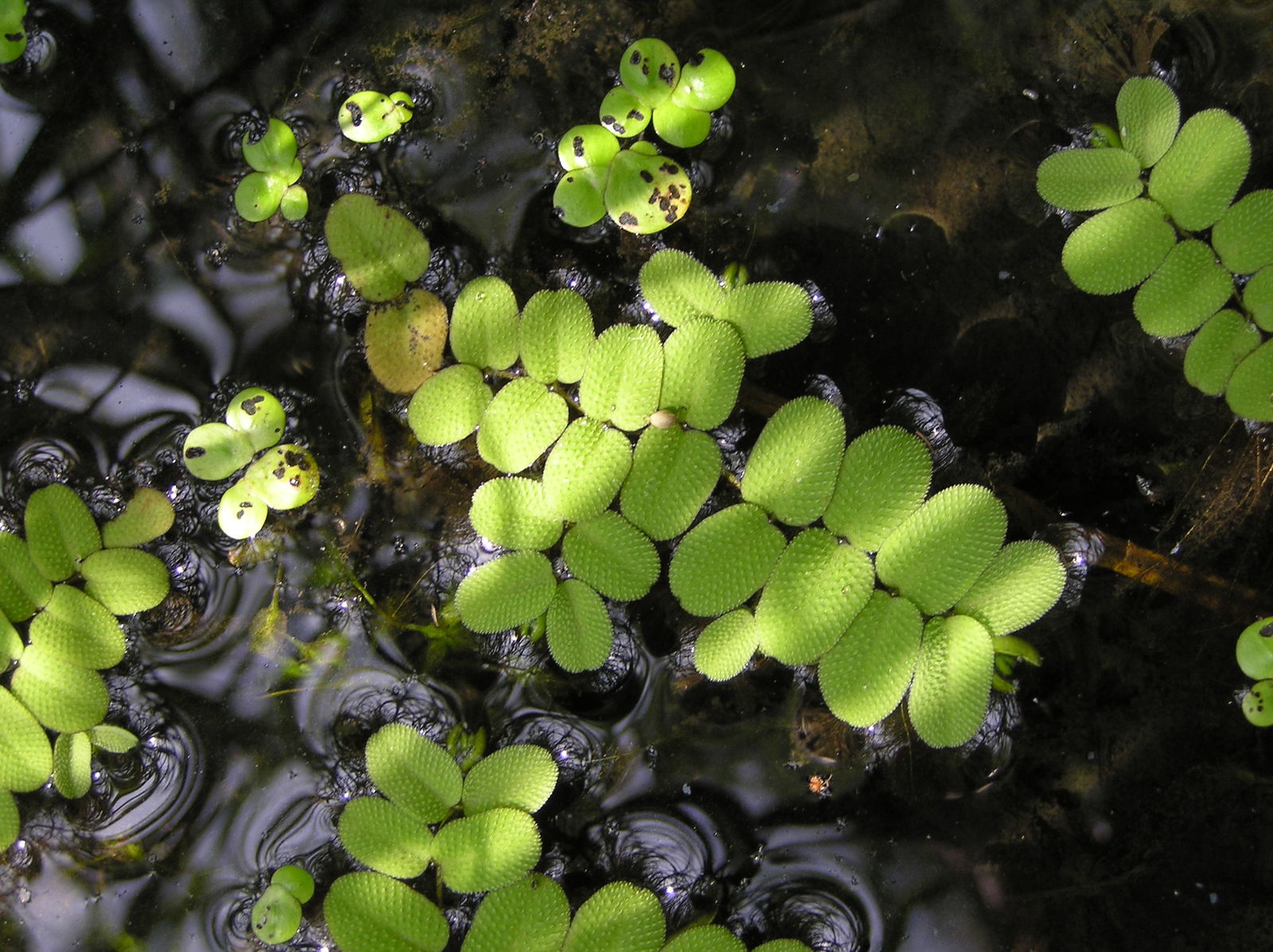
Salvinia natans
species of plants

Vaccinium macrocarpon
species of plant

Carex limosa
species of plant
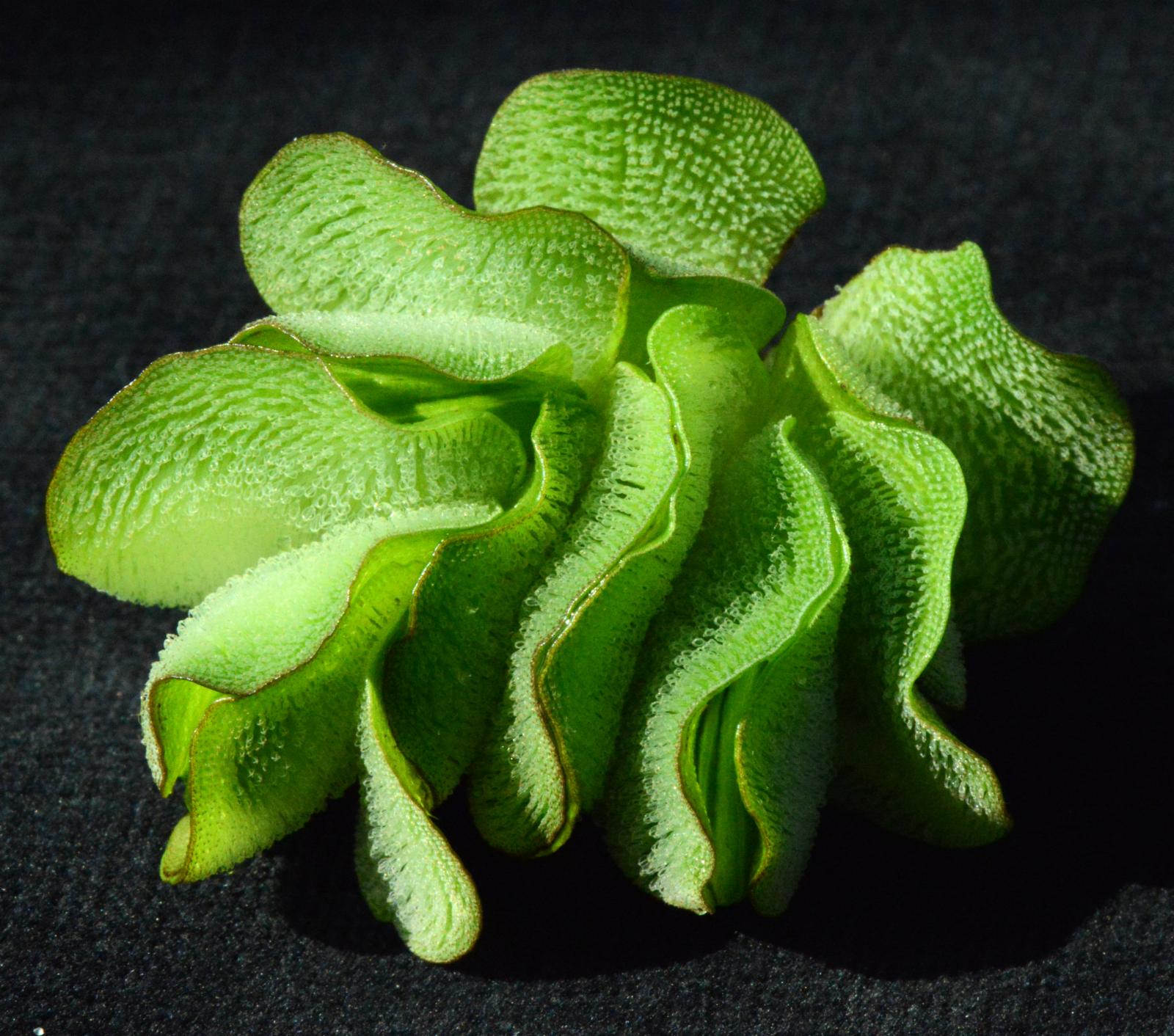
Salvinia
Salvinia or watermosses is a genus of free-floating aquatic ferns in the family Salviniaceae. The genus is named in honor of 17th-century Italian naturalist Anton Maria Salvini, and the generic name was first published in 1754 by French botanist Jean-François Séguier in Plantae Veronenses, a description of the plants found around Verona. Twelve species are recognized, at least three of which (S. molesta, S. herzogii, and S. minima) are believed to be hybrids in part because their sporangia are found to be empty.
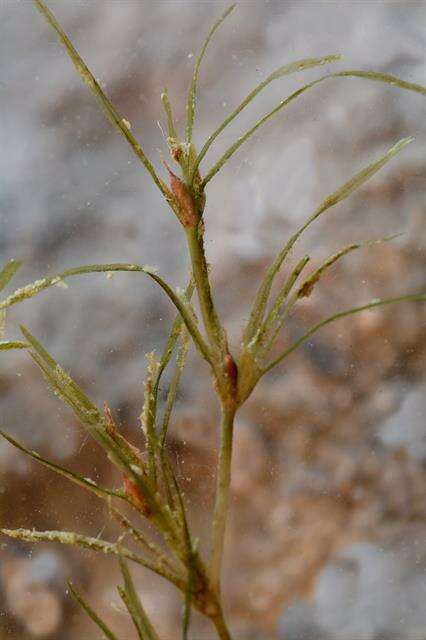
Najas
Najas, the water-nymphs or naiads, is a genus of aquatic plants. It is cosmopolitan in distribution, first described for modern science by Linnaeus in 1753. Until 1997, it was rarely placed in the Hydrocharitaceae, and was often taken as constituting (by itself) the family Najadaceae.
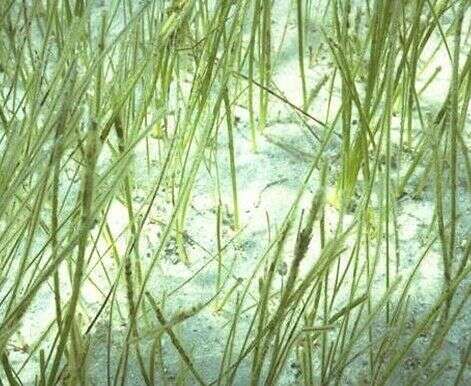
Cymodoceaceae
Cymodoceaceae is a family of flowering plants, sometimes known as the "manatee-grass family", which includes only marine species.

Najas marina
species of plant

Zannichellia palustris
species of plant

Hydrocharis
Hydrocharis is a genus of aquatic plants in the family Hydrocharitaceae described as a genus by Carl Linnaeus in 1753. Species range across much of Europe and Asia, northwestern and central Africa, New Guinea, and the Americas from the eastern and central United States to Argentina and Chile. Species are naturalized in parts of California, northeastern North America, southern tropical Africa, and Australia.

Potamogeton perfoliatus
species of plant

Marsilea
Marsilea is a genus of approximately 65 species of aquatic ferns of the family Marsileaceae. The name honours Italian naturalist Luigi Ferdinando Marsili (1656–1730).

Marsilea quadrifolia
species of plant

Echinodorus
Echinodorus, commonly known as burhead, is a genus of plant in the family Alismataceae. It contains a single species, Echinodorus berteroi, which is native to the Americas. The name is derived from Ancient Greek '''' 'rough husk', and '''' 'leathern bottle', alluding to ovaries, which in some species are armed with persistent styles, forming prickly head of fruit.

Crassula aquatica
species of plant

Hydrocotyle
Hydrocotyle, also called floating pennywort, water pennywort, dollar weed, marsh penny, thick-leaved pennywort and white rot, is a genus of prostrate, perennial aquatic or semi-aquatic plants formerly classified in the family Apiaceae, now in the family Araliaceae.
marine ecosystem
among the largest of Earth's aquatic ecosystems

Luronium natans
Luronium natans is a species of aquatic plant commonly known as the floating water-plantain. It is the only recognized species in the genus Luronium, native to western and central Europe, from Spain to Britain to Norway east to Ukraine.

Hottonia palustris
species of plant
Spirodela
Spirodela is a genus of aquatic plants, one of several genera containing plants commonly called duckweed. Spirodela species are members of the Araceae under the APG II system. They were formerly members of the Lemnaceae.
aquatic ecosystem
ecosystem in a body of water

Lobelia dortmanna
species of plant

Najas minor
species of plant

Callitriche stagnalis
species of plant

Aponogeton
The Aponogetonaceae (the Cape-pondweed family or aponogeton family) are a family of flowering plants in the order Alismatales.

Hydrilla
Hydrilla (waterthyme) is a genus of aquatic plants, usually treated as containing just one species — Hydrilla verticillata, but some botanists divide it into several species. It is native to the cool and warm waters of the Old World in Asia, Africa, and Australia, with a sparse, scattered distribution; in Australia it occurs from the Northern Territory to Queensland and New South Wales.

Riccia fluitans
species of liverwort

Pontederia
Pontederia is a genus of tristylous aquatic plants, members of which are commonly known as pickerel weeds. Pontederia is endemic to the Americas, distributed from Canada to Argentina, where it is found in shallow water or on mud. The genus was named by Linnaeus in honour of the Italian botanist Giulio Pontedera.

victory flower
species of plant

Typha domingensis
species of plant
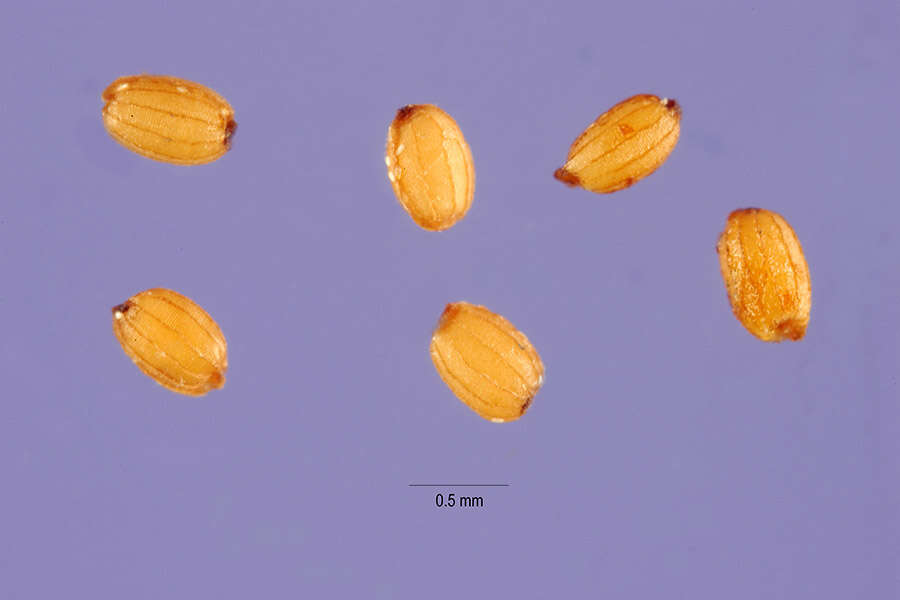
Monochoria vaginalis
species of plant

Najas flexilis
species of plant

Alternanthera philoxeroides
species of plant
.jpg)
Ceratopteris
Ceratopteris is the only genus among homosporous ferns that is exclusively aquatic. It is pan-tropical and classified in the Parkerioideae subfamily of the family Pteridaceae.

Typha laxmannii
species of plant

Ludwigia palustris
species of plant

Pontederia cordata
species of plant