Category
page 1Ascomycota families

Morchellaceae
The Morchellaceae are a family of ascomycete fungi in the order Pezizales. According to a standard reference work, the family has contained at least 49 species distributed among four genera. However, in 2012, five genera that produce ascoma that are sequestrate and hypogeous were added. The best-known members are the highly regarded and commercially picked true morels of the genus Morchella, the thimble morels of the genus Verpa, and a genus of cup-shaped fungi Disciotis. The remaining four genera produce the sequestrate fruit bodies.
Pezizaceae
The Pezizaceae (commonly referred to as cup fungi) are a family of fungi in the Ascomycota which produce mushrooms that tend to grow in the shape of a "cup". Spores are formed on the inner surface of the fruit body (ascoma). The cup shape typically serves to focus raindrops into splashing spores out of the cup. Additionally, the curvature enables wind currents to blow the spores out in a different manner than in most agarics and boletes.

Erysiphaceae
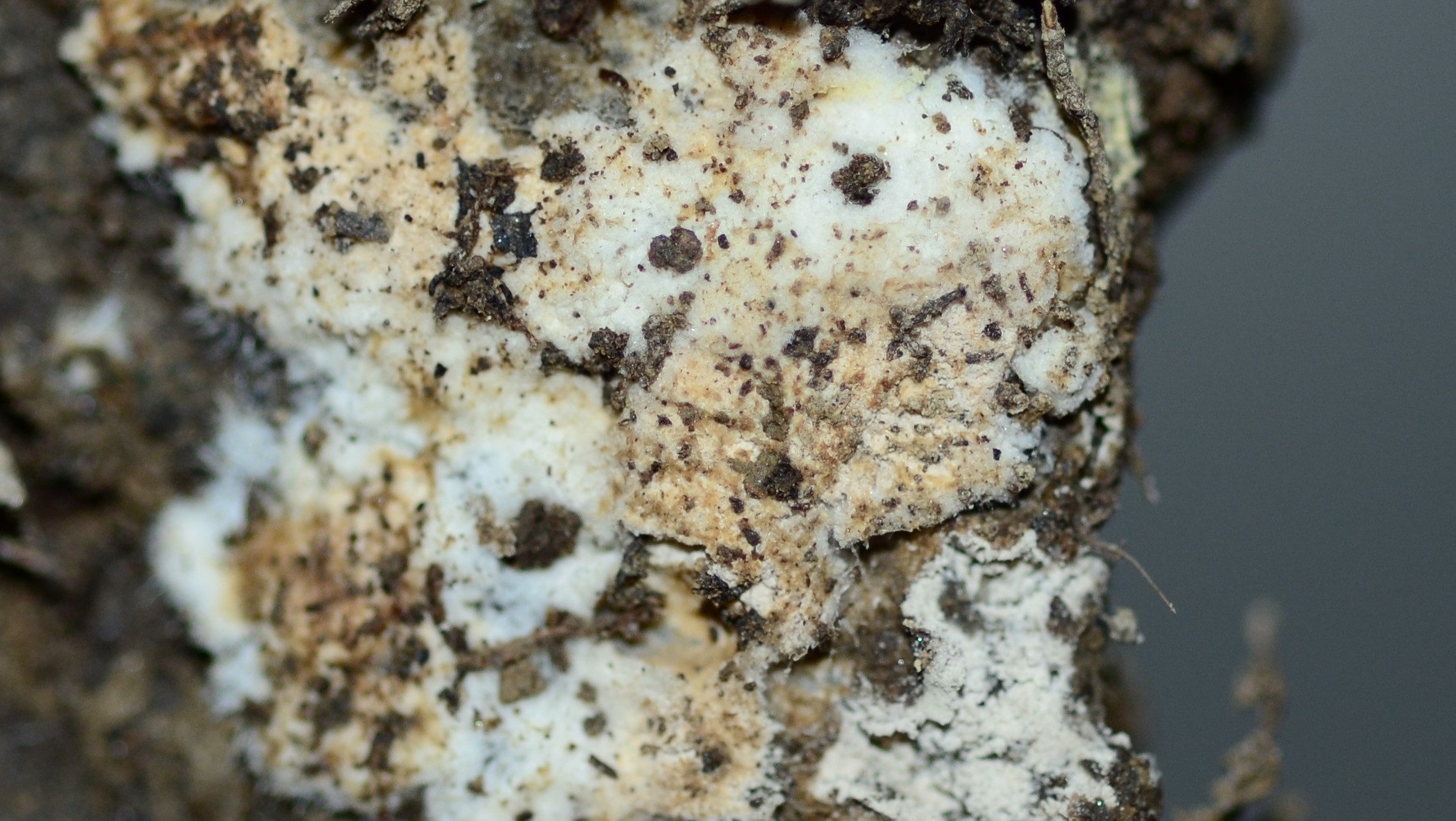
Erysiphaceae (commonly known as powdery mildews) is a family of ascomycete fungi in the order Helotiales. The members of this family are obligate parasites with a superficial mycelium that forms a characteristic white, powdery coating on their host plants.
Clavicipitaceae
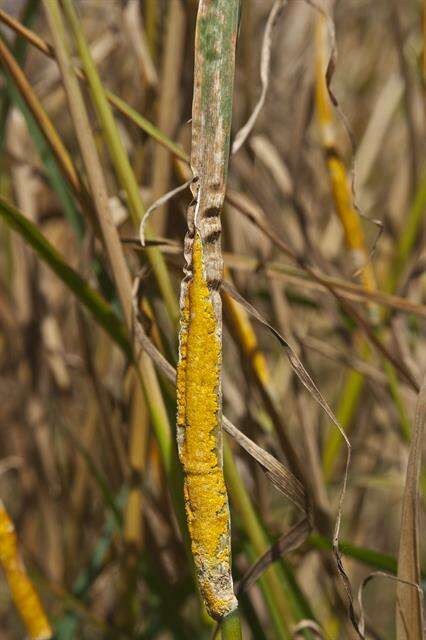
The Clavicipitaceae are a family of fungi within the order Hypocreales. A 2008 estimate placed 43 genera in the family, but a study in 2020 has increased this number to 50.
Helvellaceae
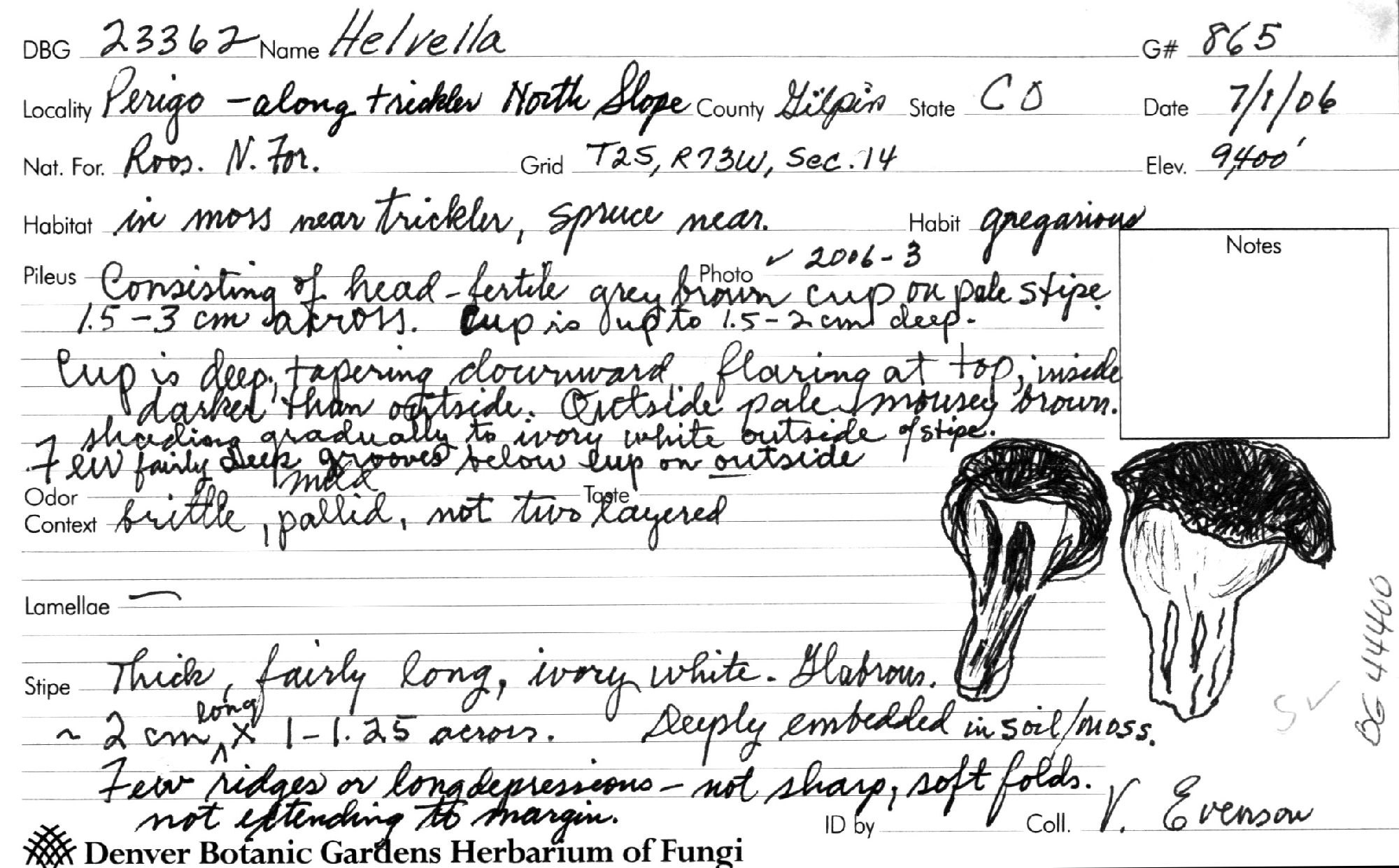
The Helvellaceae are a family of ascomycete fungi, the best-known members of which are the elfin saddles of the genus Helvella. Originally erected by Elias Magnus Fries in 1823 as Elvellacei, it contained many genera. Several of these, such as Gyromitra and Discina, have been found to be more distantly related in a molecular study of ribosomal DNA by mycologist Kerry O'Donnell in 1997, leaving a much smaller core clade now redefined as Helvellaceae. Instead, this narrowly defined group is most closely related to the true truffles of the Tuberaceae. Although the Dictionary of the Fungi (10th ed
Ophiocordycipitaceae
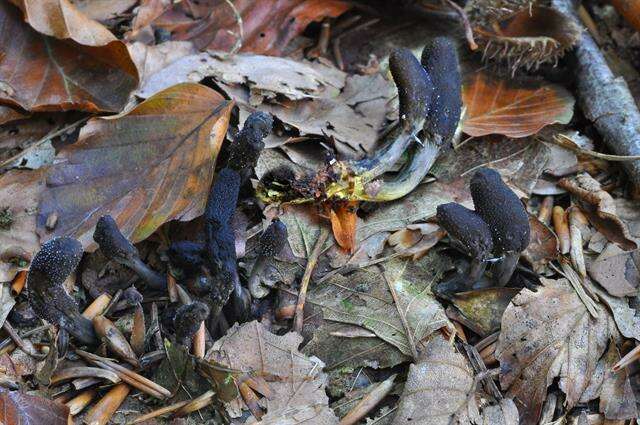
Ophiocordycipitaceae is a family of parasitic fungi in the phylum Ascomycota, class Sordariomycetes. It was created in 2007 to resolve the paraphyly of Calvicipitaceae. It was updated in 2020.

Nectriaceae
The Nectriaceae are a family of fungi in the order Hypocreales. The group was first circumscribed in 1865 by the French mycologists Charles and Louis Tulasne.

Hypocreaceae
The Hypocreaceae are a family within the class Sordariomycetes. Species are recognisable by their brightly coloured perithecial ascomata, typically yellow, orange or red. The family was proposed by Giuseppe De Notaris in 1844. According to the Dictionary of the Fungi (10th edition, 2008), the family has 22 genera and 454 species. In 2020, it was re-analysed and determined to have only 17 genera and about 658 species.

Tuberaceae
The Tuberaceae () are a family of mycorrhizal fungi, in the order Pezizales, that evolved during or after the first major adaptive radiation of Angiosperms in the Jurassic period (140–180 million years ago, Mya). It includes the genus Tuber, which includes the so-called "true" truffles. It was characterized by the Belgian botanist Barthélemy Charles Joseph du Mortier in 1822. A molecular study of ribosomal DNA by mycologist Kerry O'Donnell in 1997 found that a small clade now redefined as Helvellaceae is most closely related to the Tuberaceae. The mycologist Mary Cloyd Burnley Stifler studied

Saccharomycetaceae
The Saccharomycetaceae are a family of yeasts in the order Saccharomycetales that reproduce by budding. Species in the family have a cosmopolitan distribution, and are present in a wide variety of habitats, especially those with a plentiful supply of carbohydrate sources. The family contains the species Saccharomyces cerevisiae, perhaps the most economically important fungus.
Discinaceae
The Discinaceae are a family of ascomycete fungi, the best known members of which are the false morels of the genus Gyromitra. Originally erected by Erich Heinz Benedix in 1961, it was found to be a discrete clade in a molecular study of ribosomal DNA by mycologist Kerry O'Donnell in 1997. As of 2008, the family is thought to contain 5 genera and 58 species. As of 2022, the GBIF accepts Discina (27 spp), Gymnohydnotrya (4 spp), Gyromitra (73 spp), Hydnotrya (52 spp) and Maublancomyces (1 sp). But calls Neogyromitra and Pseudorhizina doubtful.

Ascobolaceae
The Ascobolaceae are a family of fungi in the order Pezizales. A 2008 estimate places 6 genera and 129 species in the family.

Pyronemataceae
The Pyronemataceae are a family of fungi in the order Pezizales. It is the largest family of the Pezizales, encompassing 75 genera and approximately 500 species. Phylogenetic analyses does not support the prior classifications of this family, and suggest that the family is not monophyletic as it is currently circumscribed.

Trichocomaceae
The Trichocomaceae are a family of fungi in the order Eurotiales. Taxa are saprobes with aggressive colonization strategies, adaptable to extreme environmental conditions. Family members are cosmopolitan in distribution, ubiquitous in soil, and common associates of decaying plant and food material.
Sclerotiniaceae
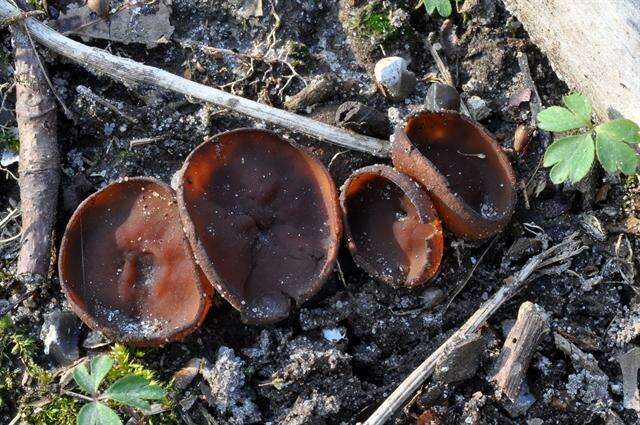
The Sclerotiniaceae are a family of fungi in the order Helotiales. Many species in this family are plant pathogens.

Sarcosomataceae
The Sarcosomataceae are a family of fungi in the order Pezizales. According to a 2008 estimate, the family contains 10 genera and 57 species. Most species are found in temperate areas, and are typically saprobic on rotten or buried wood.
Sarcoscyphaceae
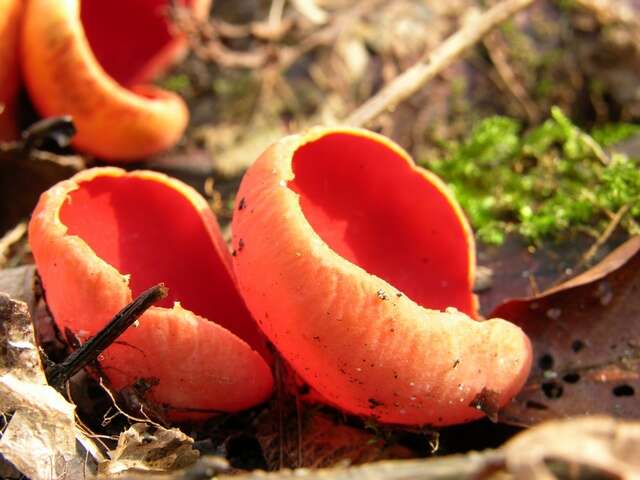
The Sarcoscyphaceae are a family of cup fungi in the order Pezizales. Members of the Sarcoscyphaceae are cosmopolitan in distribution, found in both tropical and temperate regions.

Gnomoniaceae
Gnomoniaceae is a family of fungi in the order Diaporthales. The family was circumscribed by German botanist Heinrich Georg Winter in 1886.
Cordycipitaceae
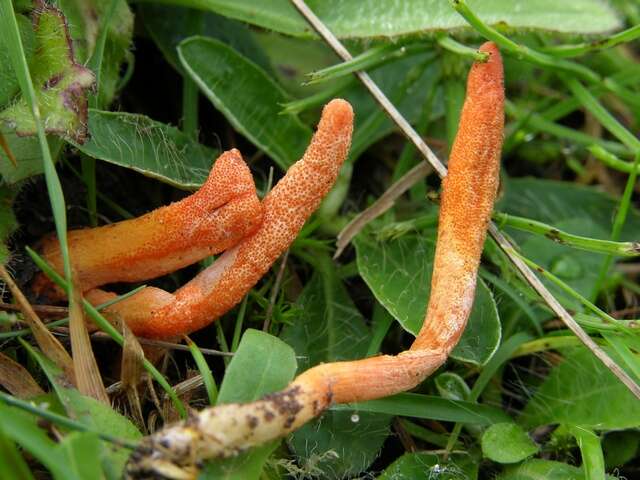
The Cordycipitaceae are a family of parasitic fungi in the Ascomycota, class Sordariomycetes and order Hypocreales. The family was first published in 1969 by mycologist Hanns Kreisel, but the naming was invalid according to the code of International Code of Nomenclature for algae, fungi, and plants. It was validly published in 2007 as a way to resolve the paraphyly of Clavicipitaceae.
Helotiaceae
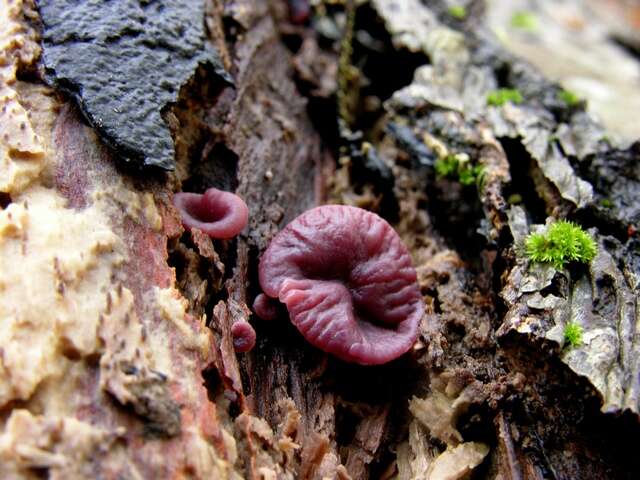
The Helotiaceae are a family of fungi in the order Helotiales. The distribution of species in the family are widespread, and typically found in tropical areas. There are 117 genera and 826 species in the family.

Ramalinaceae
The Ramalinaceae are a family of lichen-forming fungi in the order Lecanorales. First proposed by Carl Adolph Agardh in 1821, the family now comprises 71 genera and more than 1200 species. Ramalinaceae lichens exhibit diverse growth forms, including crustose, fruticose, squamulose, leprose, and byssoid thalli, and form symbiotic relationships primarily with green algae of the genus Trebouxia. The family is characterised by pale-coloured thalli, apothecia (fruiting bodies) that are typically pale but may darken with age, and ascospores that vary in shape and septation.
Geoglossaceae
Geoglossaceae is a family of fungi in the order Geoglossales, class Geoglossomycetes. These fungi are broadly known as earth tongues. The ascocarps of most species in the family Geoglossaceae are terrestrial and are generally small, dark in color, and club-shaped with a height of 2–8 cm. The ascospores are typically light-brown to dark-brown and are often multiseptate. Other species of fungi have been known to parasitize ascocarps. The use of a compound microscope is needed for accurate identification.
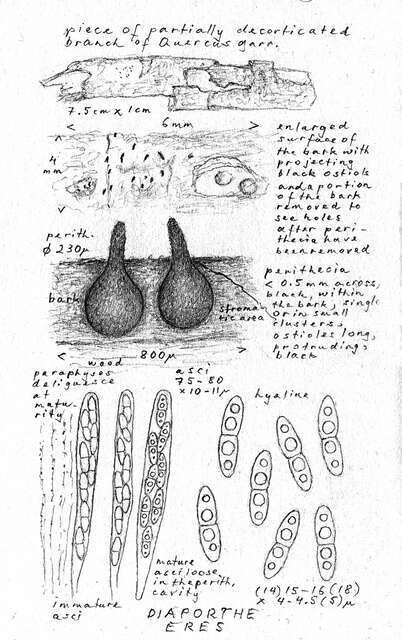
Diaporthaceae
Diaporthaceae is a family of fungal plant pathogens.
Sordariaceae
The Sordariaceae are a family of perithecial fungi within the Sordariales order.
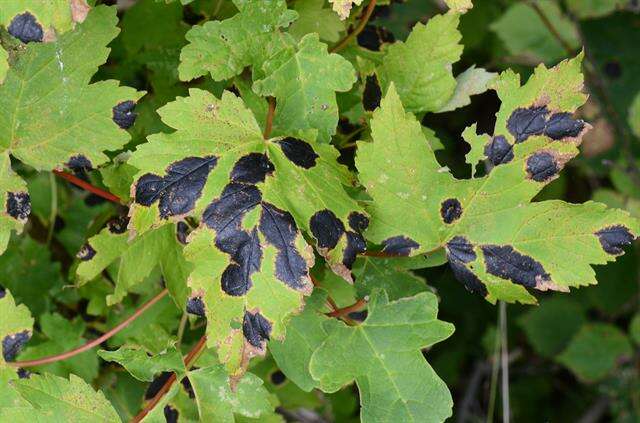
Rhytismataceae
The Rhytismataceae are a family of fungi in the Rhytismatales order. It contains 55 genera and 728 species.
Arthrodermataceae
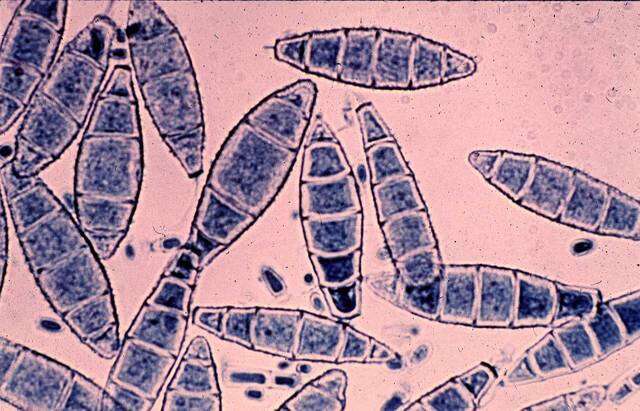
The Arthrodermataceae are a family of fungi containing nine dermatophyte genera — Epidermophyton, Microsporum, Nannizzia, Trichophyton, Paraphyton, Lophophyton, Guarromyces, Ctenomyces and Arthroderma.
Leotiaceae
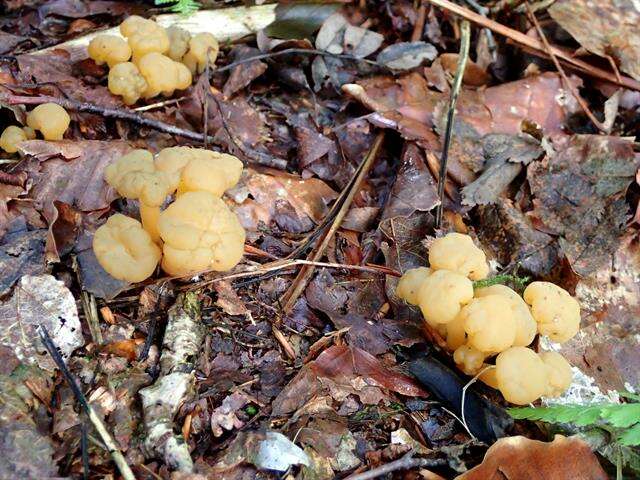
The Leotiaceae are a family of fungi in the order Leotiales. Species in this family are saprobic, and have a wide distribution, especially in temperate regions. The family contains 7 genera and 34 species.

Arthoniaceae
The Arthoniaceae are a family of lichenized, lichenicolous and saprobic fungi in the order Arthoniales. The Arthoniaceae is the largest family of Arthoniales, with around 800 species. Most species in Arthoniaceae belong in Arthonia which is the largest genus with 500 species. The second and third largest genus is Arthothelium with 80 species, and Cryptothecia with 60 species.
Ascodesmidaceae
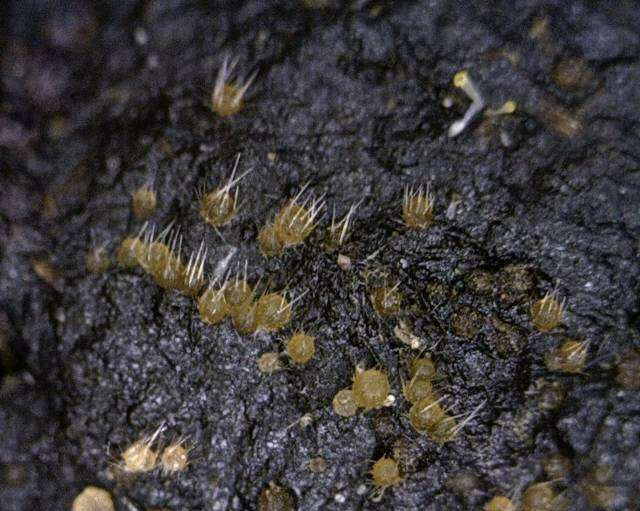
The Ascodesmidaceae are a family of fungi in the order Pezizales.
.JPG)
Candelariaceae
Candelariaceae is a family of lichen-forming fungi in the order Candelariales. It contains seven genera and about 73 species of lichens that are typically characterised by their bright yellow colour. These lichens have diverse growth forms, including crusty, scaly, and small leaf-like structures, and are found worldwide, particularly in arid and mountainous regions of both hemispheres. The family includes well-known genera such as Candelaria, Candelariella, and Placomaronea, with their classification continuing to evolve based on molecular studies. Recent phylogenies find Candelina and Placoma

Hyaloscyphaceae
The Hyaloscyphaceae are a family of fungi in the Helotiales order. Species in this family have a cosmopolitan distribution, and are saprobic, growing on dead wood and other plant matter.

Terfeziaceae
thumb|Desert truffle, from Yamchi, [[Iran]]
Taphrinaceae
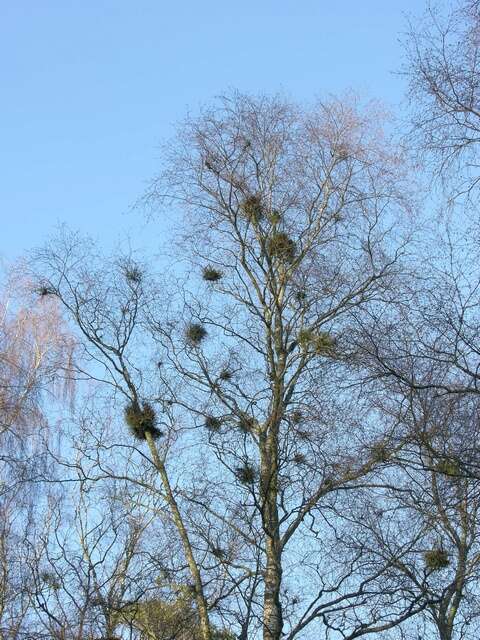
The Taphrinaceae are a family of fungi in the order Taphrinales. According to a 2008 estimate, the family contains 2 genera and 118 species.
Rhizinaceae
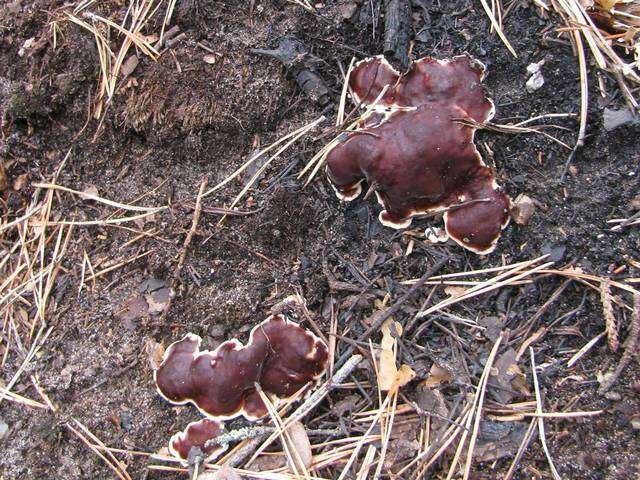
The Rhizinaceae are a family of ascomycete fungi in the order Pezizales. The family was circumscribed by German mycologist Hermann Friedrich Bonorden in 1851.
Bionectriaceae
The Bionectriaceae are a family of fungi in the order Hypocreales. A 2008 estimate places 35 genera and 281 species in the family. Species in the family tend to grow on plant material, including woody debris, while some species associate with algae, bryophytes, or other fungi.

Orbiliaceae
thumb|right|A fungus of the genus Arthrobotrys, showing adhesive nets that it uses to trap nematodes. Numbered ticks are 122 μm apart.
Onygenaceae
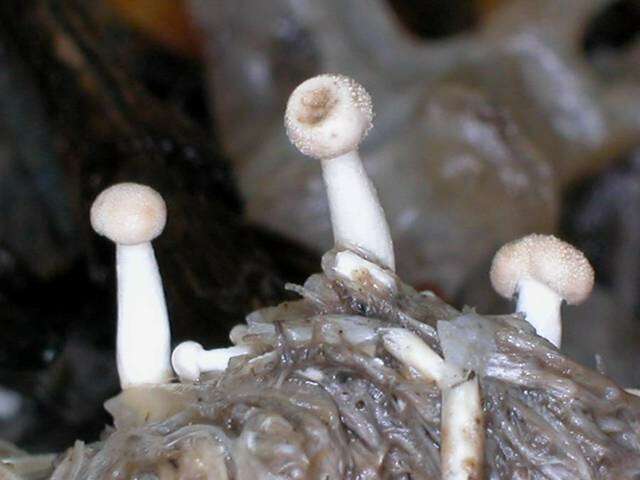
The Onygenaceae are a family of fungi in the Ascomycota, class Eurotiomycetes.

Lichinaceae
The Lichinaceae are a family of ascomycete fungi in the order Lichinales. Most species are lichenized with cyanobacteria, and have a distribution largely in temperate regions. In a 2024 molecular phylogenetics-informed revision, the circumscription of Lichinaceae was narrowed and the class Lichinomycetes was re‑structured into four families (three emended and one new), with many genera moved to Porocyphaceae, Phylliscaceae, or the newly erected Lichinellaceae. The family contain about 125 species in roughly 25 genera.

Roccellaceae
The Roccellaceae are a family of mostly lichen-forming fungi in the order Arthoniales, established by the French botanist François Fulgis Chevallier in 1826. Species in the family exhibit various growth forms, including crustose and fruticose (shrub-like) thalli, and diverse reproductive structures. Roccellaceae species typically have disc-like () or slit-like () fruiting bodies, often with distinct blackened () margins. Molecular phylogenetics studies have revealed considerable genetic diversity and complex evolutionary histories within the family.

Rustroemiaceae
Rutstroemiaceae is a family of fungi in the order Helotiales. Species in this family have a cosmopolitan distribution, especially in temperate areas.

Phacidiaceae
The Phacidiaceae are a family of fungi in the order Helotiales.
According to a 2008 estimate, the family contained seven genera and 148 species.

Verrucariaceae
The Verrucariaceae are a family of lichens and a few non-lichenised fungi in the order Verrucariales. The lichens have a wide variety of thallus forms, from crustose (crust-like) to foliose (bushy) and squamulose (scaly). Most of them grow on land, some in freshwater and a few in the sea. Many are free-living but there are some species that are parasites on other lichens, while one marine species always lives together with a leafy green alga.

Bulgariaceae
The Bulgariaceae are a family of fungi in the order Helotiales. Species are found in northern and southern temperate regions. The family contains four genera and seven species.

Cudoniaceae
The Cudoniaceae are a family of fungi in the Rhytismatales order. The family contains three genera: Cudonia and Spathularia, and Spathulariopsis. Species of Cudoniaceae are widespread in northern temperate regions.
Lasiosphaeriaceae
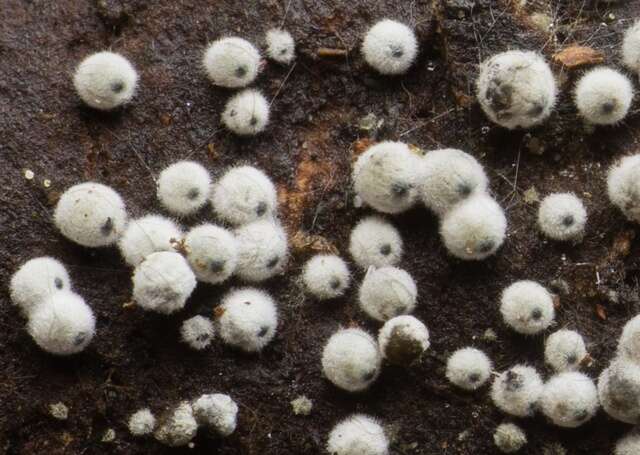
The Lasiosphaeriaceae are a family of fungi in the Ascomycota, class Sordariomycetes.
Chaetomiaceae
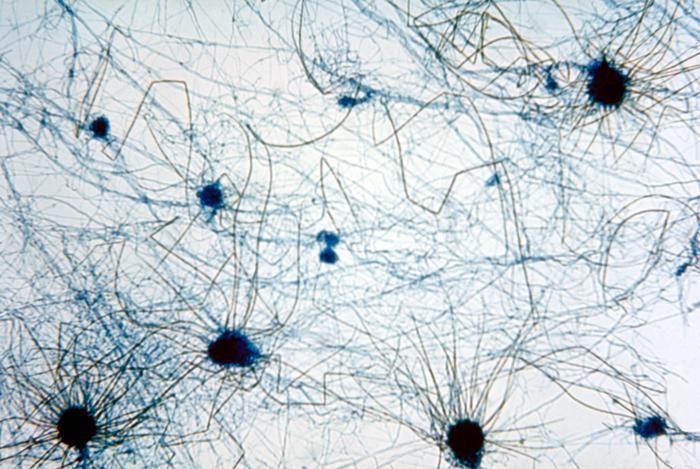
The Chaetomiaceae are a family of fungi in the Ascomycota, order Sordariales, class Sordariomycetes. Chaetomiaceae are usually saprobic or parasitic. Cheatomiaceae are a great source of enzymes with diverse biotechnological and industrial applications such as PMO (polysaccharide monooxygenase), L-methioninase, β-1,3-glucanase, laccase, dextranase, lipolytic, pectinolytic, amylolytic, chitinolytic, and proteolytic enzymes. The production of such compounds can be taken into account as candidates for the development of effective and novel lead compounds for medicine, biological control and produc
Dipodascaceae
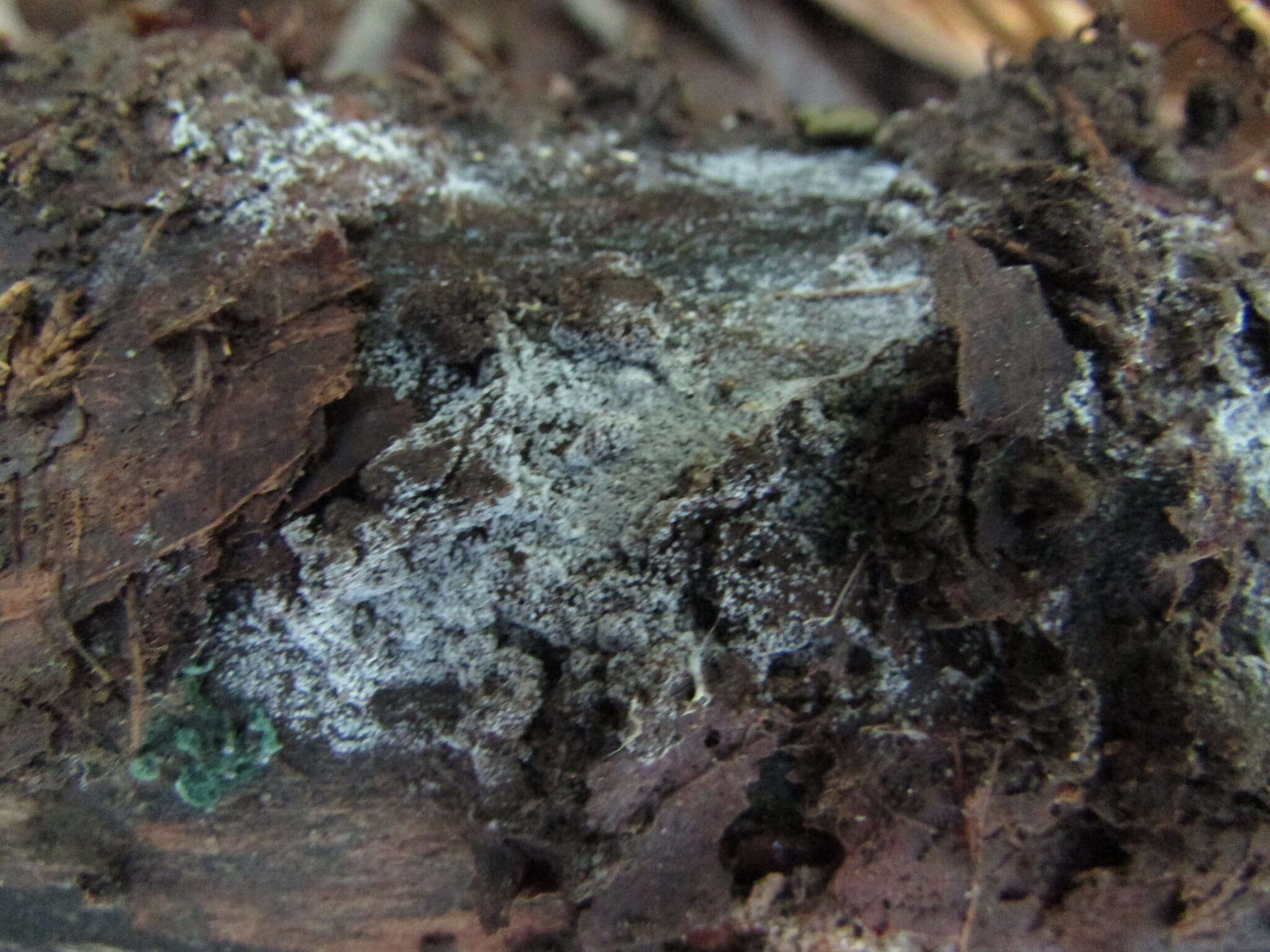
The Dipodascaceae are a family of yeasts in the order Saccharomycetales. According to the 2007 Outline of Ascomycota, the family contains four genera; however, the placement of Sporopachydermia and Yarrowia is uncertain.
GBIF accepted all the species and also added Magnusiomyces and Protendomycopsis to the family.
Species in the family have a widespread distribution, and are found in decaying plant tissue, or as spoilage organisms in the food industry.

Pyrenulaceae
The Pyrenulaceae are a family of mostly lichen-forming fungi in the order Pyrenulales, though a few members are secondarily non-lichenized. They form thin crusts on bark and, less often, on rock, and partner with species from the green algal genus Trentepohlia. The family is characterized by flask-shaped fruiting bodies (perithecia) that typically open through a pore, and by ascospores whose internal walls form distinctive rounded to diamond-shaped chambers. The number of accepted genera varies among sources—recent phylogenetic treatments have sampled about 13, while broader taxonomic outlines

Micropeltidaceae
thumb | right | Micropeltis asiatica.
The Micropeltidaceae are a family of fungi with an uncertain taxonomic placement in the class Dothideomycetes.

Amphisphaeriaceae
The Amphisphaeriaceae are a family of fungi that is mainly found in parts of New Zealand, South America, Asia and parts of Europe. According to the 2007 Outline of Ascomycota, there were 41 genera placed within the family, although the position of 13 of those genera is uncertain. The 2020 Outline of Fungi and fungus-like taxa severely reduced the family to 4 members.

Ophiostomataceae
The Ophiostomataceae are a family of fungi in the Ascomycota, class Sordariomycetes. The family was circumscribed by J.A. Nannfeldt in 1932. Species in the family have a widespread distribution, and are typically found in temperate regions, as pathogens of both coniferous and deciduous trees.

Chaetosphaeriaceae
The Chaetosphaeriaceae are a family of fungi in the Ascomycota, class Sordariomycetes. The family was circumscribed by Martina Réblová, Margaret Elizabeth Barr Bigelow, and Gary Samuels in 1999. Species in the family have a cosmopolitan distribution, and are found in both temperate and tropical climates. Fossils of the Chaetosphaeriaceae are known from the Carboniferous, Eocene, Oligocene, Miocene and more recent sediments.
Caloscyphaceae
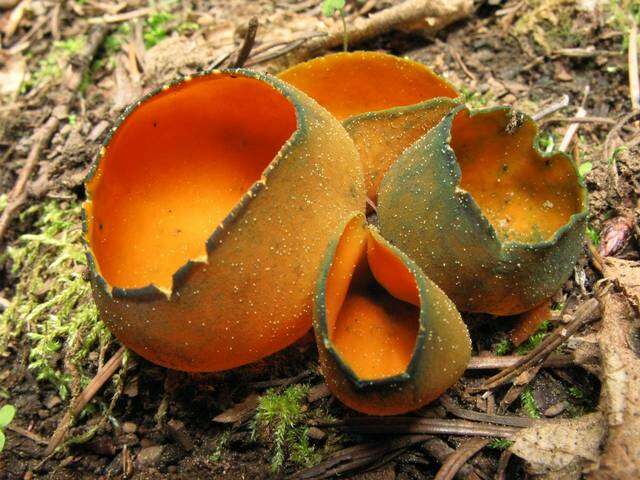
The Caloscyphaceae are a family of fungi in the order Pezizales. The family was circumscribed by Finnish mycologist Harri Harmaja in 2002. The genus Kallistoskypha was added in 2013 to accommodate the species formerly known as Caloscypha incarnata.

Elaphomycetaceae
The Elaphomycetaceae are a family of fungi in the order Eurotiales. According to a 2008 estimate, the family contains two genera and 27 species.
Ceratostomataceae
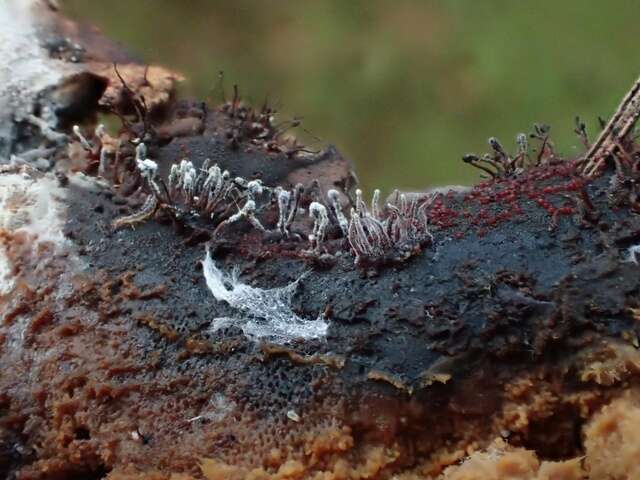
The Ceratostomataceae are a family of fungi in the phylum Ascomycota, class Sordariomycetes, subclass Hypocreomycetidae and order Coronophorales.
Chorioactidaceae
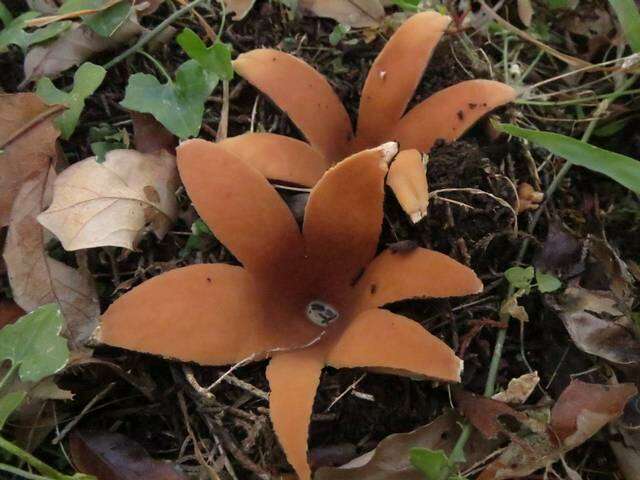
The Chorioactidaceae are a family of cup fungi in the order Pezizales, first described to contain seven species distributed among five genera. Pseudosarcosoma was added in 2013 to contain P. latahense when molecular phylogenetic studies demonstrated the fungus to be more closely related to the Chorioactidaceae than to Sarcosoma (family Sarcosomataceae). With the addition of Trichaleurina, the genus is currently composed of six genera.

Boliniaceae
The Boliniaceae are a family of fungi in the Boliniales order. The family consisted of seven genera and 40 species in 2008. A new study found more genera and species in 2020.
Annulatascaceae
The Annulatascaceae are a family of fungi in the monotypic order Annulatascales of the class Sordariomycetes of the Ascomycota. The family had not been assigned to any order, until 2020 when it was placed with a new order Annulatascales .
Hemiphacidiaceae
The Cenangiaceae are a family of fungi in the order Helotiales.
Magnaporthaceae
The Magnaporthaceae are a family of fungi in the order Magnaporthales. It was circumscribed by Paul F. Cannon in 1994 for a group of grass-associated fungi centered on Magnaporthe (Nakataea). Magnaporthaceae have a harpophora-like asexual morphology and are often associated with roots of grasses or cereals.