Category
page 1Bacterial diseases

leprosy
Leprosy, also known as '''Hansen's disease (HD'), is a long-term infection by the bacteria Mycobacterium leprae or Mycobacterium lepromatosis''. Infection can lead to damage of the nerves, respiratory tract, skin, and eyes. This nerve damage may result in the loss of nociception, which can lead to the loss of parts of a person's extremities from repeated injuries or infection through unnoticed wounds. An infected person may also experience muscle weakness and loss of eyesight. Leprosy symptoms may begin within one year or take 20 years or more.
%20on%20the%20surface%20of%20a%20tongue-CDC.jpg)
syphilis
Syphilis () is a sexually transmitted infection caused by the bacterium Treponema pallidum subspecies pallidum. The signs and symptoms depend on the stage it presents: primary, secondary, latent or tertiary. The primary stage classically presents with a single chancre (a firm, painless, non-itchy skin ulceration usually between 1 cm and 2 cm in diameter), though there may be multiple sores. In secondary syphilis, a diffuse rash occurs, which frequently involves the palms of the hands and soles of the feet. There may also be sores in the mouth or vagina. Latent syphilis has no symptom

pertussis
human disease caused by the bacteria Bordetella pertussis

tetanus
Tetanus (), also known as lockjaw, is a bacterial infection caused by Clostridium tetani and characterized by muscle spasms. In the most common type, the spasms begin in the jaw and then progress to the rest of the body. Each spasm usually lasts for a few minutes. Spasms occur frequently for three to four weeks. Some spasms may be severe enough to fracture bones. Other symptoms of tetanus may include fever, sweating, headache, trouble swallowing, high blood pressure, and a fast heart rate. The onset of symptoms is typically 3 to 21 days following infection. Recovery may take months; about 10%

diphtheria
Diphtheria is an infection caused by the bacterium Corynebacterium diphtheriae. Most infections are asymptomatic or have a mild clinical course, but in some outbreaks, the mortality rate approaches 10%. Signs and symptoms may vary from mild to severe, and usually start two to five days after exposure. Symptoms often develop gradually, beginning with a sore throat and fever. In severe cases, a grey or white patch develops in the throat called a pseudomembrane. This tough, leathery membrane slowly blocks the airway. Starting with a barking cough similar to what is observed in croup, the neck may

Lyme disease
infectious disease caused by Borrelia bacteria, spread through the bite of blacklegged ticks

Yersinia pestis
species of bacteria, cause of plague

Staphylococcus aureus
species of bacterium

erysipelas
Erysipelas () is a relatively common bacterial infection of the superficial layer of the skin (upper dermis), extending to the superficial lymphatic vessels within the skin, characterized by a raised, well-defined, tender, bright-red rash, typically on the face or legs, but which can occur anywhere on the skin. It is a form of cellulitis and is potentially serious.

Buruli ulcer disease
tropical disease

Mycobacterium
Mycobacterium is a genus of over 190 species of Gram-positive bacteria in the phylum Actinomycetota, assigned its own family, Mycobacteriaceae. This genus includes pathogens known to cause serious diseases in mammals, including tuberculosis (M. tuberculosis) and leprosy (M. leprae) in humans. The Greek prefix myco- means 'fungus', alluding to this genus's mold-like colony surfaces. Since this genus has cell walls with a waxy lipid-rich outer layer containing high concentrations of mycolic acid, acid-fast staining is used to emphasize their resistance to acids, compared to other cell types.

osteomyelitis
Osteomyelitis (OM) is the infectious inflammation of bone. It may be acute or chronic and can be classified as hematogenous or non-hematogenous. It is commonly caused by bacterial infection, but rarely can be due to fungal infection.

necrotizing fasciitis
infection that results in the death of the body's soft tissue

Q fever
disease caused by infection with Coxiella burnetii
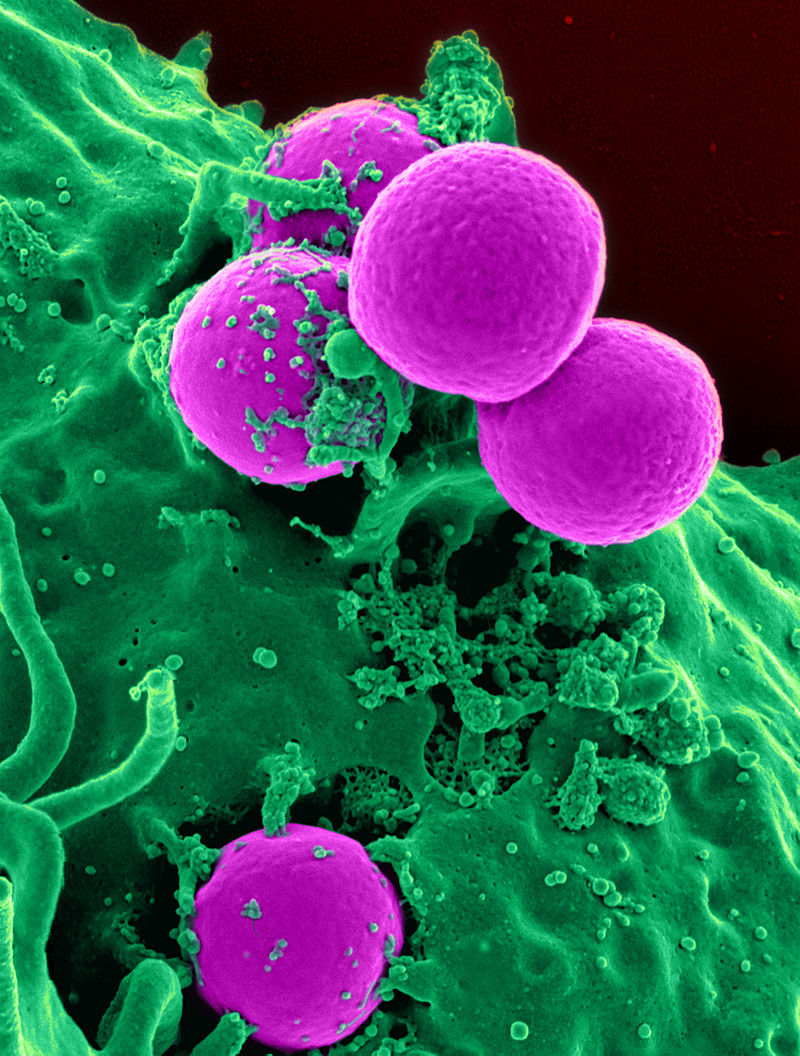
methicillin-resistant Staphylococcus aureus
bacterium responsible for difficult-to-treat infections in humans

toxic shock syndrome
condition caused by bacterial toxins

pelvic inflammatory diseases
infection of uterus, fallopian tubes, ovaries or the inner surface of pelvis

ornithosis
Psittacosis, also known as parrot fever or ornithosis, is a zoonotic infectious disease caused by the bacterium Chlamydia psittaci. Birds are the main reservoir, and human infection usually follows inhalation of aerosolised dried droppings or respiratory secretions from infected birds. Although many human infections are mild, psittacosis can cause pneumonia and occasionally severe complications including endocarditis, hepatitis, and neurologic disease.

actinomycosis
Actinomycosis is a rare and chronic infectious bacterial disease caused by the gram-positive Actinomyces species. The name refers to ray-like appearance of the organisms in the granules. About 70% of infections are due to either Actinomyces israelii or A. gerencseriae. Infection can also be caused by Streptomyces somaliensis and Propionibacterium propionicus. The condition is likely to be a polymicrobial anaerobic infection.

Legionella
Legionella is a genus of Gram-negative bacteria that can be seen using a silver stain or grown in a special media that contains cysteine, an amino acid. Most Legionella species are intracellular pathogens whose primary hosts are amoebae, however many Legionella are accidental pathogens of humans. Legionella bacteria are known to cause legionellosis (all illnesses caused by Legionella) including a pneumonia-type illness called Legionnaires' disease and a mild flu-like illness called Pontiac fever. These bacteria are common in many places, like soil and water. Legionella are aerobic and motile.
bacteremia
presence of bacteria in the blood
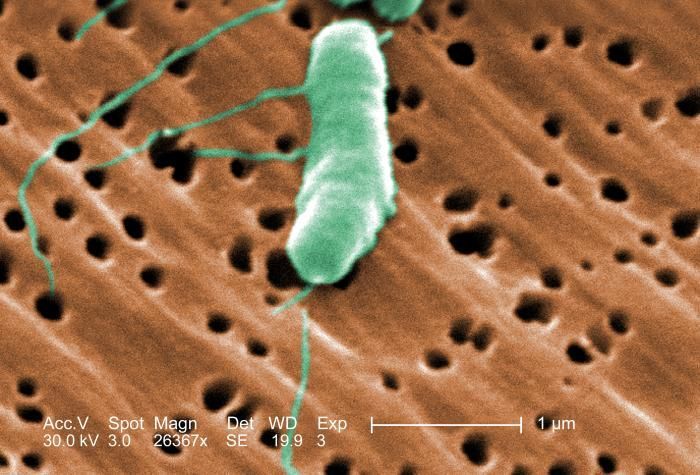
Vibrio vulnificus
species of bacterium

epiglottitis
Epiglottitis is the inflammation of the epiglottis—the flap at the base of the tongue that prevents food entering the trachea (windpipe). Symptoms are usually rapid in onset and include trouble swallowing which can result in drooling, changes to the voice, fever, and an increased breathing rate. As the epiglottis is in the upper airway, swelling can interfere with breathing. People may lean forward in an effort to open the airway. As the condition worsens, stridor and bluish skin may occur.

Acinetobacter baumannii
species of bacterium
relapsing fever borreliosis
primary bacterial infectious disease that results in infection, has material basis in Borrelia, which is transmitted by tick or transmitted by body louse
shigellosis
noma
gangrenous infection of the mouth and face
peritonsillar abscess
pus due to an infection behind the tonsil
trench fever
human disease
meningococcal disease
human disease

pasteurella multocida
species of bacterium

campylobacteriosis
Campylobacteriosis is among the most common infections caused by a bacterium in humans, often as a foodborne illness. It is caused by the Campylobacter bacterium, most commonly C. jejuni. It produces an inflammatory, sometimes bloody, diarrhea or dysentery syndrome, and usually cramps, fever and pain.

proctitis
Proctitis or anusitis is an inflammation of the anus and the lining of the rectum, affecting only the last 6 inches of the rectum.
granuloma inguinale
sexually transmitted bacterial disease
Waterhouse-Friderichsen syndrome
adrenal gland disease that is characterized by failure of the adrenal gland due to bleeding into the gland
Vincent's angina
Human disease
Ritter's disease
Human disease
pathogenic bacteria
disease-causing bacteria
Lemierre's syndrome
Human disease: infectious thrombophlebitis of the internal jugular vein

Nanobacterium
thumb|Structures found on meteorite fragment Allan Hills 84001
acute prostatitis
serious bacterial infection of the prostate gland
Pott disease
tuberculosis of the spine
nocardiosis
Nocardiosis is an infectious disease affecting either the lungs (pulmonary nocardiosis) or the whole body (systemic nocardiosis). It is due to infection by a bacterium of the genus Nocardia, most commonly Nocardia asteroides or Nocardia brasiliensis.
omphalitis of newborn
inflammation of the umbilical cord stump
orbital cellulitis
Human disease
retropharyngeal abscess
medical condition
yersiniosis
Yersiniosis is an infectious disease of the gastrointestinal tract caused by bacteria of the genus Yersinia other than Y. pestis. Most cases of yersiniosis in humans are caused by Y. enterocolitica, with a small minority being caused by Y. pseudotuberculosis. Rarely, other species of the genus can cause yersiniosis.
contagious bovine pleuropneumonia
contagious bacterial disease
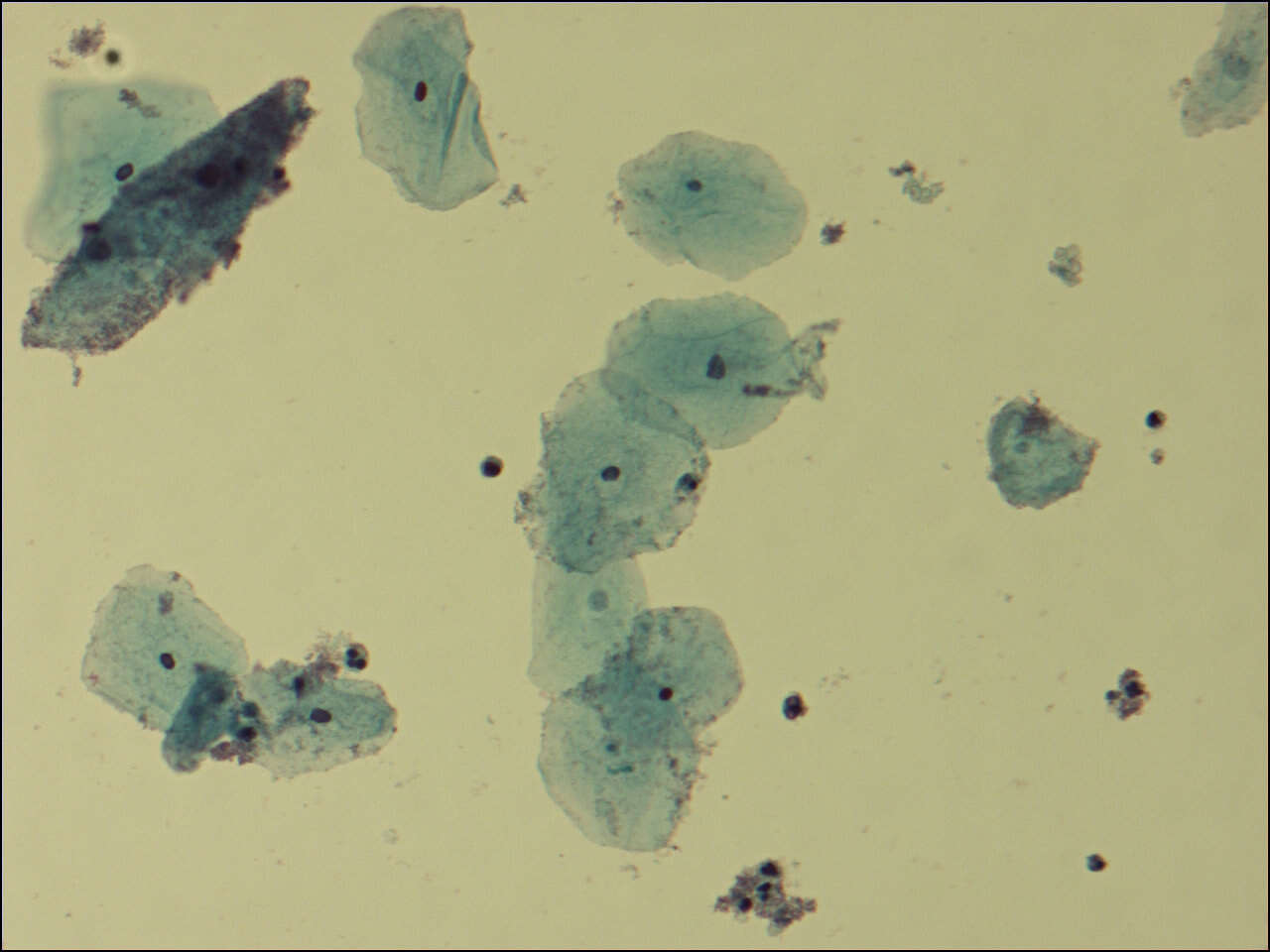
Gardnerella vaginalis
species of facultative anaerobic bacteria
Capnocytophaga canimorsus
Bacteria
Carrion's disease
infectious disease produced by Bartonella bacilliformis infection
bacterial pneumonia
pneumonia involving inflammation of the lungs caused by bacteria
foot rot
hoof infection commonly found in sheep, goats, and cattle
tubo-ovarian abscess
one of the late complications of pelvic inflammatory disease

Widal test
microbiological method using antibodies
chronic bacterial prostatitis
bacterial infection of the prostate gland
nontuberculous mycobacteria
certain bacteria that do not cause tuberculosis
Vibrio harveyi
species of bacterium
pyaemia
Pyaemia (or pyemia) is a type of sepsis that leads to widespread abscesses of a metastatic nature. It is usually caused by the pus-forming organisms in the blood. Apart from the distinctive abscesses, pyaemia exhibits the same symptoms as other forms of septicaemia. It was almost universally fatal before the introduction of antibiotics.
bartonellosis
Bartonellosis is an infectious disease caused by bacteria of the genus Bartonella. Bartonella species cause diseases such as Carrión's disease, trench fever, cat-scratch disease, bacillary angiomatosis, peliosis hepatis, chronic bacteremia, endocarditis, chronic lymphadenopathy, and neurological disorders.