Category
page 1Causes of death

Suicide

myocardial infarction
interruption of blood supply to a part of the heart

stroke

Black Death
1346–1353 pandemic in Eurasia and North Africa

HIV
Human immunodeficiency viruses (HIVs) are two species of Lentivirus (a subgroup of retrovirus) that infect humans. Over time, they cause acquired immunodeficiency syndrome (AIDS), a condition in which progressive failure of the immune system allows life-threatening opportunistic infections and cancers to thrive. Without treatment, the average survival time after infection with HIV is estimated to be 9 to 11 years, depending on the HIV subtype.

gangrene
thumb|Gangrenous toes in a diabetic

domestic violence
acts of violence between people living in the same household

edema
Edema (American English), also spelled oedema (Commonwealth English), and also known as fluid retention, swelling, dropsy and hydropsy, is the build-up of fluid in the body's tissue. Most commonly, the legs or arms are affected. Symptoms may include skin that feels tight, the area feeling heavy, and joint stiffness. Other symptoms depend on the underlying cause.

traffic collision
collision of a vehicle with another vehicle, pedestrian, animal, or other object

homicide
thumb|Cain Slays [[Abel by Gustave Doré]]

shock
medical condition of insufficient blood flow to the tissues of the body

cardiac arrest
sudden stop in effective blood flow due to the failure of the heart to contract effectively
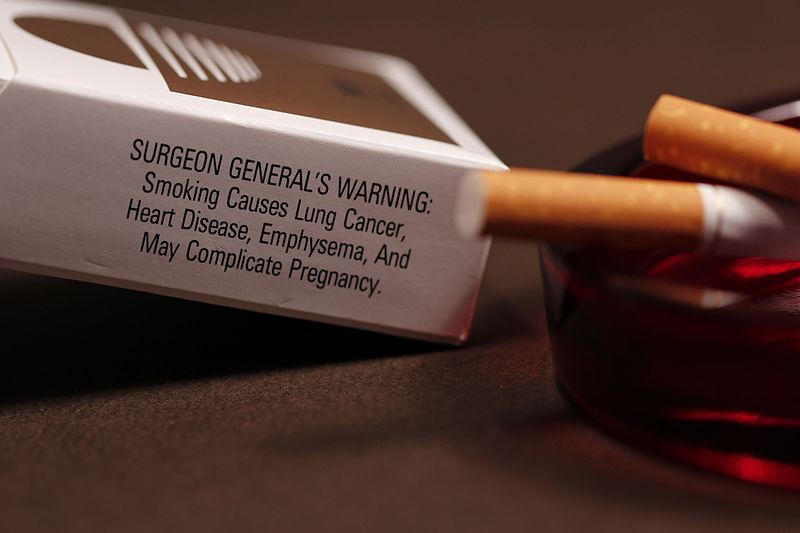
tobacco smoking
practice of burning tobacco and inhaling the resulting smoke

dehydration
In physiology, dehydration is a lack of total body water that disrupts metabolic processes. It occurs when free water loss exceeds intake, often resulting from excessive sweating, health conditions, or inadequate consumption of water. Mild dehydration can also be caused by immersion diuresis, which may increase risk of decompression sickness in divers.

hypothermia

injury
physiological wound caused by an external source

asphyxia
Asphyxia or asphyxiation is a condition of deficient supply of oxygen to the body which arises from abnormal breathing. Asphyxia causes generalized hypoxia, which affects all the tissues and organs, some more rapidly than others. There are many circumstances that can induce asphyxia, all of which are characterized by the inability of a person to acquire sufficient oxygen through breathing for an extended period of time. Asphyxia can cause coma or death. In 2015, about 9.8 million cases of unintentional suffocation occurred which resulted in 35,600 deaths. The word asphyxia is from Ancient Gree

decapitation
thumb|Beheadings in an illumination from Jean Froissart|Froissart's Chronicles from the beginning of the 15th century – the execution of Guillaume Sans and his secretary in [[Bordeaux on the orders of Thomas Felton]]
thumb|Perseus using the severed head of [[Medusa to turn King Polydectes to stone]]
thumb|Depiction of an Ethiopian Empire|Ethiopian emperor executing people, 18th century
Decapitation is the total separation of the head from the body. This injury is fatal to humans and all vertebrate animals, since it deprives the brain of oxygenated blood by way of severing the jugular vein and

drowning
Drowning is a type of suffocation induced by the submersion of the mouth and nose in a liquid. Submersion injury refers to both drowning and near-miss incidents. Most instances of fatal drowning occur alone or in situations where others present are either unaware of the victim's situation or unable to offer assistance. After successful resuscitation, drowning victims may experience breathing problems, confusion, or unconsciousness. Occasionally, victims may not begin experiencing these symptoms until several hours after they are rescued. An incident of drowning can also cause further complicat

infarction
Infarction is tissue death (necrosis) due to inadequate blood supply to the affected area. It may be caused by artery blockages, rupture, mechanical compression, or vasoconstriction. The resulting lesion is referred to as an infarct (from the Latin infarctus, "stuffed into").

hyperthermia
Hyperthermia, also known as overheating, is a condition in which an individual's body temperature is elevated beyond normal due to failed thermoregulation. The person's body produces or absorbs more heat than it dissipates. According to the International Emergency Medicine Education Project, severe hyperthermia (body temperature elevation of beyond ) "becomes a medical emergency requiring immediate treatment to prevent disability or death". Almost half a million deaths are recorded every year from hyperthermia.

electrical injury
physiological reaction or injury caused by electric current

radiation syndrome
health problems caused by exposure to very high levels of ionizing radiation

substance abuse
patterned use of a drug in which the user consumes the psychoactive/chemical substance substances in amounts or with methods which are harmful to themselves or others
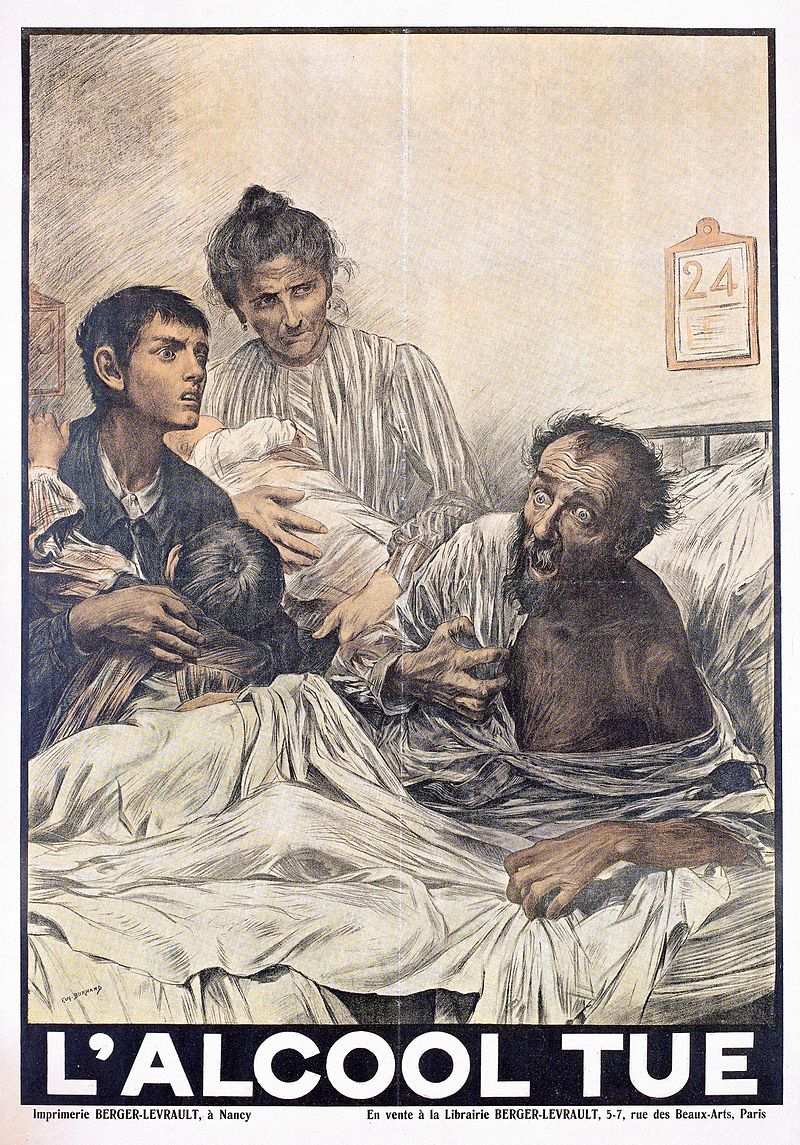
delirium tremens
rapid onset of confusion caused by alcohol withdrawal

carbon monoxide poisoning
toxicity due to exposure to carbon monoxide
sudden infant death syndrome
Sudden infant death syndrome (SIDS), sometimes known as cot death or crib death, is the sudden, unexplained death of a child of less than one year of age. Diagnosis requires that the death remain unexplained even after a thorough autopsy and detailed death scene investigation. SIDS usually occurs between the hours of midnight and 9:00 a.m., or when the baby is sleeping. There is usually no noise or evidence of struggle. SIDS remains one of the leading causes of infant mortality in Western countries, constituting almost 1/3 of all post-neonatal deaths.

starvation
Starvation is a severe deficiency in caloric energy intake, below the level needed to maintain an organism's life. It is the most extreme form of malnutrition. In humans, prolonged starvation can cause permanent organ damage and eventually, death. The term inanition refers to the symptoms and effects of starvation. Starvation may have a natural cause or be man-made. Deliberately inflicting starvation upon a population is a crime according to international criminal law and may also be used as a means of torture or execution.

death by burning
execution method

karōshi
thumb|upright=1.34|A "No More Karoshi" protest in Tokyo, 2018
thumb|500px|Deaths due to long working hours per 100,000 people in 2016 (15+)
thumb|right|500px|Average annual hours actually worked per worker in OECD countries from 1970 to 2020
, which can be translated into 'overwork death', is a Japanese term relating to occupation-related sudden death.
drug overdose
ingestion or application of a drug or other substance in quantities greater than recommended amount

ventricular fibrillation
disorganized electrical activity in the ventricles

respiratory failure
inadequate gas exchange by the respiratory system
acute kidney injury
abrupt loss of kidney function that develops within 48 hours
median lethal dose
a measure of the lethal dose of a toxin, radiation, or pathogen required to kill half of a tested population

acute respiratory distress syndrome
human disease
spontaneous human combustion
term encompassing reported cases of the combustion of a human body without an apparent external source of ignition

choking
Choking, also known as foreign body airway obstruction (FBAO), is a phenomenon that occurs when breathing is impeded by a blockage inside of the respiratory tract. An obstruction that prevents oxygen from entering the lungs results in oxygen deprivation. Although oxygen stored in the blood and lungs can keep a person alive for several minutes after breathing stops, choking often leads to death.

aortic dissection
injury to the innermost layer of the aorta
gunshot wound
form of physical trauma sustained from the discharge of arms or munitions
septic shock
medical condition defined as sepsis that has circulatory, cellular and metabolic abnormalities, is associated with clinical severity and greater risk of dying.
brain damage
destruction or degeneration of brain cells

strangling
thumb|225px|A cheetah strangling an [[impala, Timbavati Game Reserve, South Africa]]
Strangling or strangulation is the compression of the neck leading to an increasingly hypoxic state in the brain, which can lead to unconsciousness or even death. Fatal strangulation typically occurs in cases of violence, accidents, and is one of two main ways that hanging causes death (alongside breaking the victim's neck).

senescence
Senescence () or biological aging is the gradual deterioration of functional characteristics in living organisms. Whole organism senescence involves an increase in death rates or a decrease in fecundity with increasing age, at least in the later part of an organism's life cycle. However, the effects of senescence can be delayed. The 1934 discovery that calorie restriction can extend lifespans by 50% in rats, the existence of species having negligible senescence, and the existence of potentially immortal organisms such as members of the genus Hydra have motivated research into delaying senescen
lethal dose
sufficient amount to kill
death from laughter
cause of death
major trauma
injury that could cause prolonged disability or death
multiple organ dysfunction syndrome
altered organ function in an acutely ill patient requiring medical intervention to achieve homeostasis.
asystole
Asystole (from New Latin, from Greek privative a| 'not', 'without' + 'contraction') is the absence of ventricular contractions in the context of a lethal heart arrhythmia, in contrast to an induced asystole on a cooled patient on a heart-lung machine, and general anesthesia during surgery necessitating stopping the heart. Asystole is the most serious form of cardiac arrest and is usually irreversible. Also referred to as cardiac flatline, asystole is the state of total cessation of electrical activity from the heart, which means no tissue contraction from the heart muscle and therefore no bloo
fan death
South Korean misconception relating to the use of electric fans

Incilius alvarius
species of amphibian
systemic inflammatory response syndrome
human disease
dowry death
deaths of young women who are murdered or driven to suicide in an effort to extort an increased dowry
electrolyte imbalance
abnormalities in the levels of electrolytes which are medically significant

stabbing
thumb|A detail from The Haywain Triptych by [[Hieronymus Bosch]]
basilar skull fracture
break of a bone in the base of the skull
cause of death
specific disease or injury resulting in a human's death, which may be recorded on a death certificate
methanol poisoning
hazardous chemical exposure

inhalant
Inhalants are a broad range of household and industrial chemicals whose volatile vapors or pressurized gases can be concentrated and breathed in via the nose or mouth to produce intoxication, in a manner not intended by the manufacturer. They are inhaled at room temperature through volatilization (in the case of gasoline or acetone) or from a pressurized container (e.g., nitrous oxide or butane), and do not include drugs that are sniffed after burning or heating.
physical dependence
physical condition caused by chronic use of a tolerance-forming drug