Category
page 2Dioecious plants

Myrica gale
species of plant

Garryales
The Garryales are a small order of dicotyledons, including only two families and three genera.
Toxicodendron radicans
species of plant

Ribes alpinum
species of plant
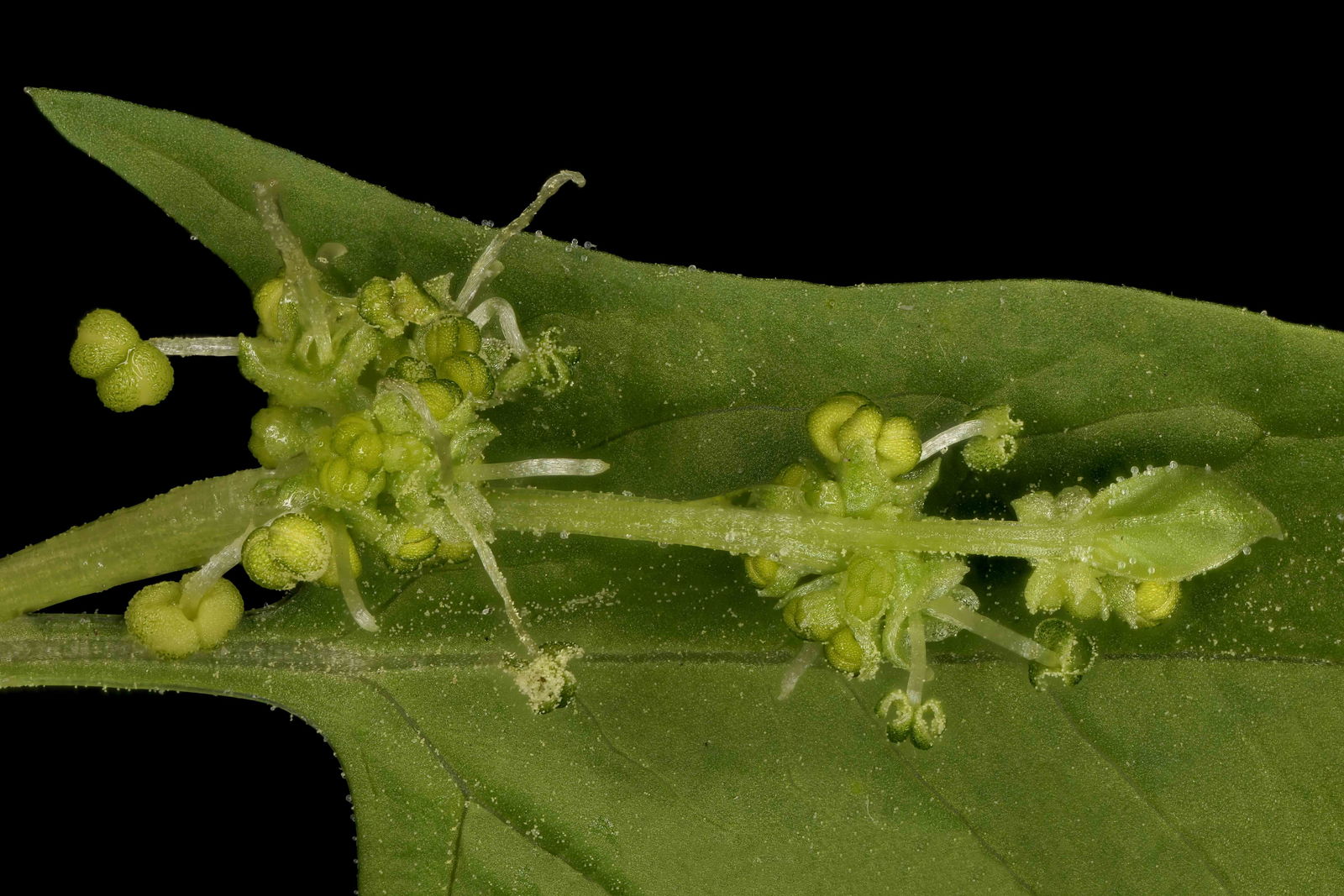
Spinacia
Spinacia is a flowering plant genus in the subfamily Chenopodioideae of the family Amaranthaceae. The most common member is spinach.

Smilax
Smilax is a genus of about 300–350 species, found in the tropics and subtropics worldwide. They are climbing flowering plants, many of which are woody and/or thorny, in the monocotyledon family Smilacaceae, native throughout the tropical and subtropical regions of the world.
Common names include catbriers, greenbriers, prickly-ivys and smilaxes. Sarsaparilla (also zarzaparrilla, sarsparilla) is a name used specifically for the Neotropical S. ornata as well as a catch-all term in particular for American species. Occasionally, the non-woody species such as the smooth herbaceous greenbrier (S. h

Schinus molle
species of plant
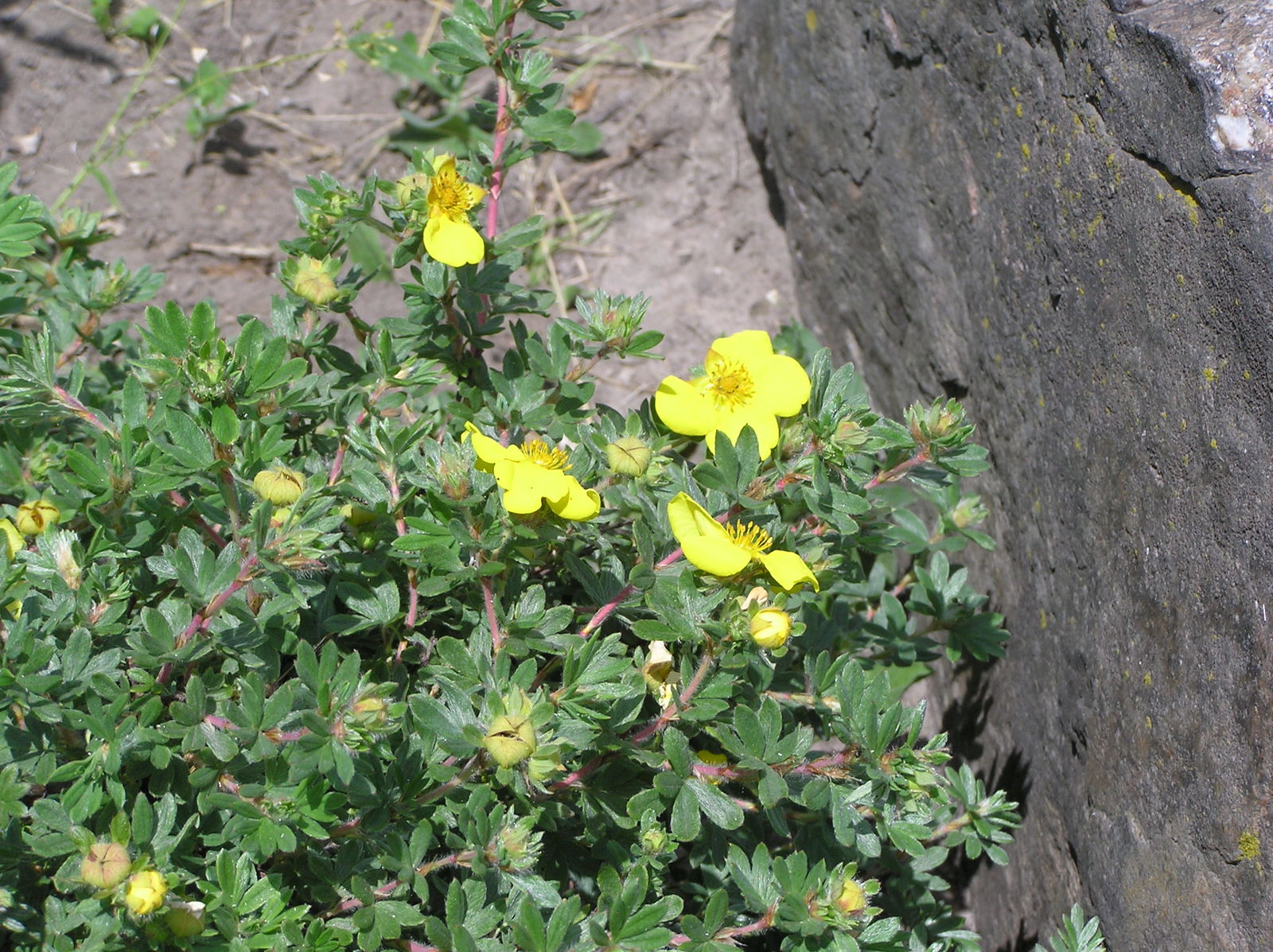
Dasiphora fruticosa
species of plant

Vallisneria
Vallisneria (named in honor of Antonio Vallisneri) is a genus of freshwater aquatic plant, commonly called eelgrass, tape grass or vallis. The genus is widely distributed in tropical and subtropical regions of Asia, Africa, Australia, Europe, and North America.

Garcinia
Garcinia is a genus of flowering plants in the family Clusiaceae native to the Sundaland bioregion of Asia, America, Australia, tropical and southern Africa, and Polynesia. The number of species is disputed; Plants of the World Online (POWO) recognise up to 400. Commonly, the plants in this genus are called saptrees, mangosteens (which may also refer specifically to Garcinia mangostana), or garcinias, and is one of several plants known as by the name "monkey fruit". The genus is named after French botanist Laurent Garcin (1683–1751).
Gunnerales
The Gunnerales are an order of flowering plants. In the APG III (2009) and APG IV systems (2016), the order contains two genera: Gunnera (family Gunneraceae) and Myrothamnus (Myrothamnaceae). In the Cronquist system (1981), the Gunneraceae were in the Haloragales and Myrothamnaceae in the Hamamelidales. DNA analysis proved definitive, but the grouping of the two families was a surprise, given their very dissimilar morphologies. In the older systems of Cronquist (1981, 1988) and Takhtajan (1997), the Gunneraceae were in the Rosidae, and the Myrothamnaceae were in the Hamamelids. In modern class

Trachycarpus
Trachycarpus, is a genus of ten species of palms native to Asia, from the Himalaya east to eastern China. They are fan palms (subfamily Coryphoideae), with the leaves with a bare petiole terminating in a rounded fan of numerous leaflets. The leaf bases produce persistent fibres that often give the trunk a characteristic hairy appearance. All species are dioecious, with male and female flowers produced on separate plants although female plants will sometimes produce male flowers, allowing occasional self-pollination.

Acalypha hispida
species of plant
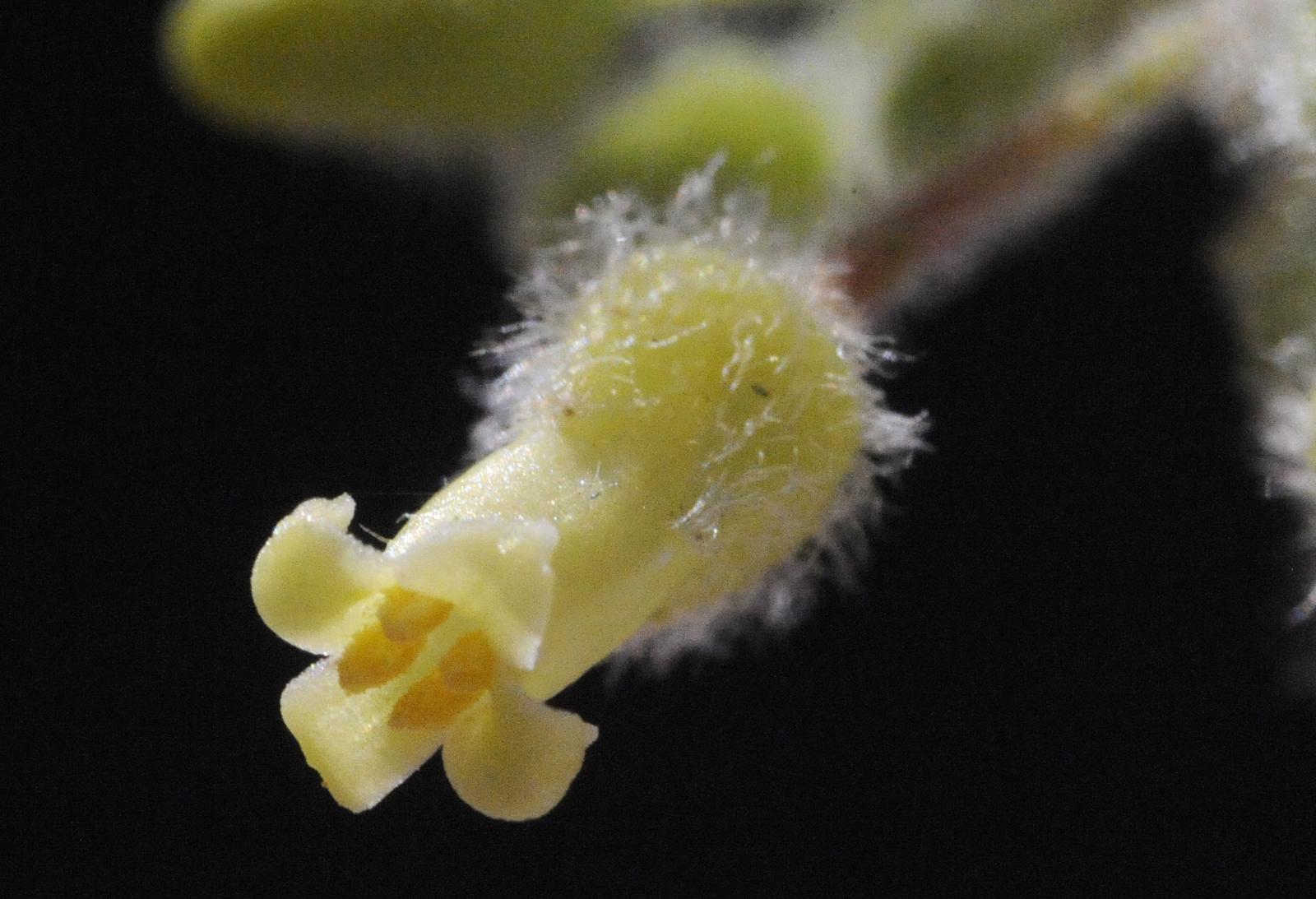
Commiphora
Commiphora is the most species-rich genus of flowering plants in the frankincense and myrrh family, Burseraceae. The genus contains approximately 190 species of shrubs and trees, which are distributed throughout the (sub-) tropical regions of Africa, the western Indian Ocean islands, the Arabian Peninsula, India, and South America. The genus is drought-tolerant and common throughout the xerophytic scrub, seasonally dry tropical forests, and woodlands of these regions.

Momordica cochinchinensis
Gac, from the Vietnamese (), scientific name Momordica cochinchinensis, is a species of plant in the melon and cucumber family Cucurbitaceae native to countries throughout Southeast Asia and to Queensland, Australia. It is notable for its vivid orange-reddish color resulting from a mix of beta-carotene and lycopene.

Mercurialis annua
species of plant

Actinidia chinensis
species of plant

Actinidia chinensis var. deliciosa
variety of plants

Restionaceae
The Restionaceae, also called restiads and restios, are a family of flowering plants native to the Southern Hemisphere; they vary from a few centimeters to 3 meters in height. Following the APG IV (2016): the family now includes the former families Anarthriaceae, Centrolepidaceae and Lyginiaceae, and as such includes 51 genera with 572 known species. Based on evidence from fossil pollen, the Restionaceae likely originated more than 65 million years ago during the Late Cretaceous period, when the southern continents were still part of Gondwana.

Cymodoceaceae
Cymodoceaceae is a family of flowering plants, sometimes known as the "manatee-grass family", which includes only marine species.

Fraxinus pennsylvanica
species of plant

Mercurialis perennis
species of plant

Cecropia
Cecropia is a Neotropical genus consisting of 61 recognized species with a highly distinctive lineage of dioecious trees.
The genus consists of pioneer trees in the more or less humid parts of the Neotropics, with the majority of the species being myrmecophytic. Berg and Rosselli state that the genus is characterized by some unusual traits: spathes fully enclosing the flower-bearing parts of the inflorescences until anthesis, patches of dense indumenta (trichilia) producing Müllerian bodies (food) at the base of the petiole, and anthers becoming detached at anthesis. Cecropia is most studied

Pandaceae
The family Pandaceae consists of three genera that were formerly classified as the tribe Galearieae in the subfamily Acalyphoideae of family Euphorbiaceae. Those are:
Galearia
Microdesmis
Panda

Stratiotes aloides
species of plant

Schinus terebinthifolia
species of plant

Najas marina
species of plant

Myrica rubra
species of plant

Juniperus excelsa
species of plant

Vitis amurensis
species of grape

Fraxinus americana
species of plant

Calamus
genus of palms

Juniperus drupacea
species of plant

Sterculia foetida
species of plant

Cercidiphyllum
Cercidiphyllum is a genus containing two species of plants, both commonly called katsura. They are the sole members of the monotypic family Cercidiphyllaceae. The genus is native to Japan and China and unrelated to Cercis (redbuds).

Achatocarpaceae
The Achatocarpaceae are a family of woody flowering plants consisting of two genera and 11 known species, and has been recognized by most taxonomists. The family is found from the southwestern United States south to tropical and subtropical South America.

Juniperus thurifera
species of plant

Myrica
Myrica is a genus of about 35–50 species of small trees and shrubs in the family Myricaceae, order Fagales. The genus has a wide distribution, including Africa, Asia, Europe, North America, and South America, and missing only from Antarctica and Oceania. Some botanists split the genus into two genera on the basis of the catkin and fruit structure, restricting Myrica to a few species, and treating the others in Morella.

Borassus
Borassus (palmyra palm) is a genus of five species of fan palms, native to tropical regions of Africa, Asia, and Papua New Guinea.

dioecy
Dioecy (; adj. dioecious) is a characteristic of certain species that have distinct unisexual individuals, each producing either male or female gametes, either directly (in animals) or indirectly (in seed plants). Dioecious reproduction is biparental reproduction. Dioecy has costs, since only the female part of the population directly produces offspring. It is one method for excluding self-fertilization and promoting allogamy (outcrossing), and thus tends to reduce the expression of recessive deleterious mutations present in a population. Plants have several other methods of preventing self-fe

Coccoloba uvifera
species of plant
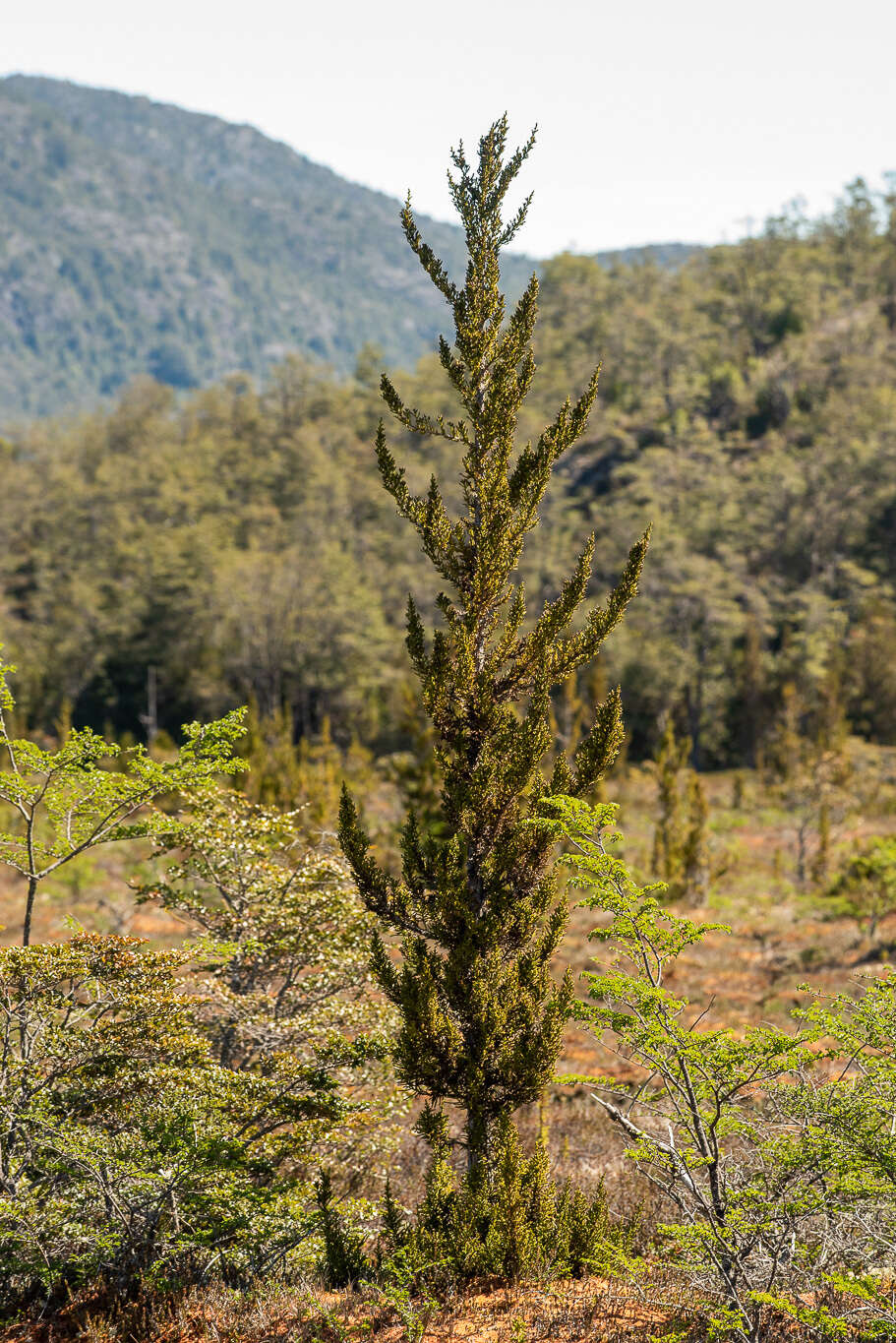
Pilgerodendron uviferum
Pilgerodendron is a genus of conifer belonging to the cypress family Cupressaceae. It has only one species, Pilgerodendron uviferum, which is endemic to the Valdivian temperate rain forests and Magellanic subpolar forests of southern Chile and southwestern Argentina. It grows from 40 to 54°20' S in Tierra del Fuego, where it is the southernmost conifer in the world. It is a member of subfamily Callitroideae, a group of distinct Southern Hemisphere genera associated with the Antarctic flora.

Melicoccus bijugatusss
species of plant

Baccharis
Baccharis is a genus of perennials and shrubs in the aster family (Asteraceae). They are not at all related to these however, but belong to an entirely different lineage of eudicots. B. halimifolia is commonly known as "groundsel bush", however true groundsels are found in the genus Senecio.

Maclura
Maclura is a genus of flowering plants in the mulberry family, Moraceae. It includes the inedible Osage orange, which is used as mosquito repellent and grown throughout the United States as a hedging plant. It is dioecious, with male and female flowers borne on separate plants.

Nolina
Nolina is a genus of temperate and tropical xerophytic flowering plants belonging to the family Asparagaceae. The native distribution of the genus includes most of Mexico and the southern regions of the United States north to Nevada and Colorado. Especially in the USA, members of the genus are known as beargrass, some of which are cultivated as ornamental plants.

Aglaia
genus of plants in the family Meliaceae

Eurycoma longifolia
species of flowering shrub native to Indochina
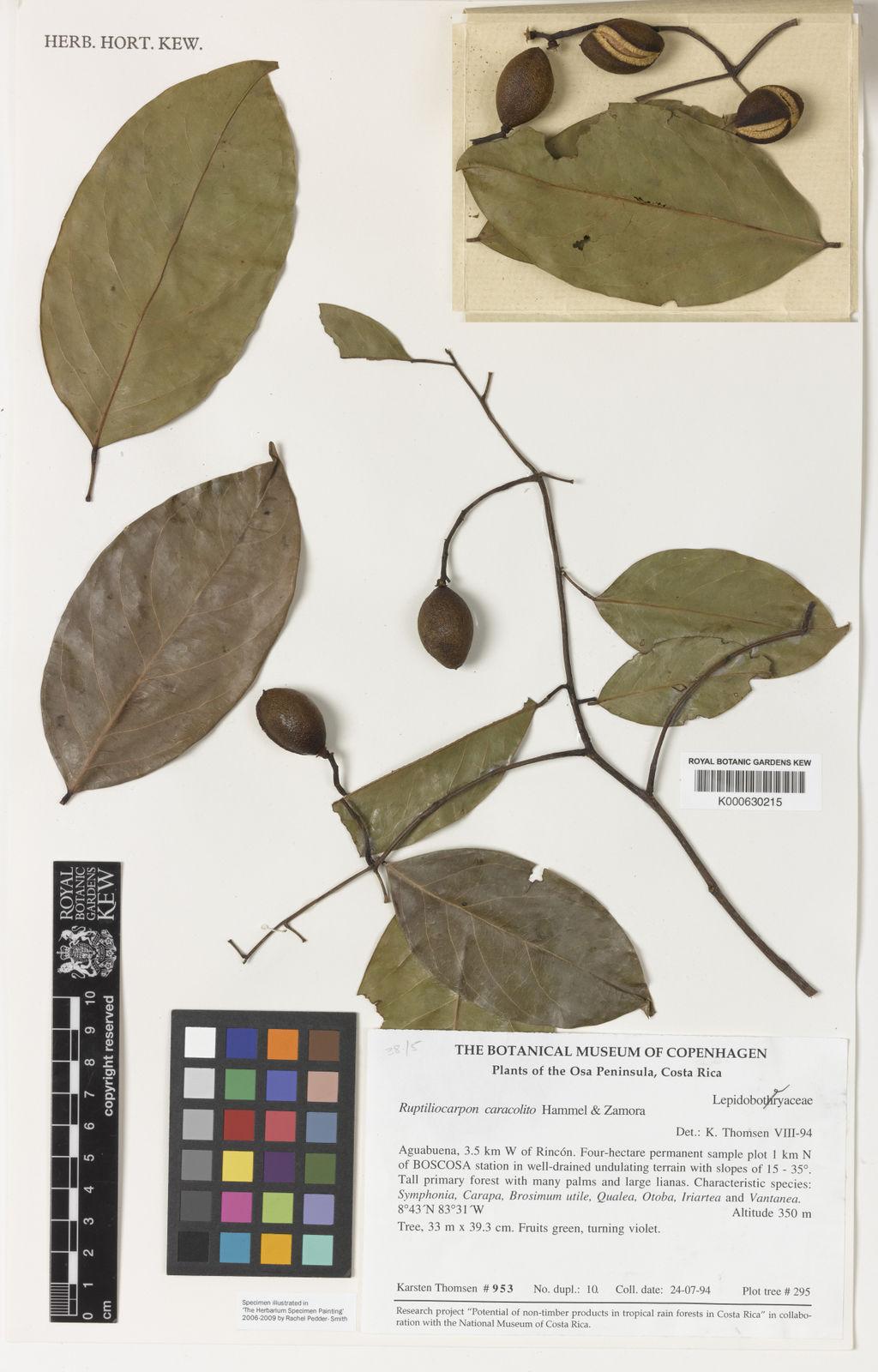
Lepidobotryaceae
Lepidobotryaceae is a family of plants in the order Celastrales. It contains only two species: Lepidobotrys staudtii (native to tropical Africa) and Ruptiliocarpon caracolito (native to South and Central America).

Adenia
thumb|right|Adenia hondala

Egeria densa
species of plant

Asparagus acutifolius
species of plant

Hyphaene thebaica
species of plant

Juniperus procera
species of plant

Rhapis
Rhapis is a genus of about 10 species of small palms native to southeastern Asia from southern Japan and southern China south to Sumatra. The species are commonly known as lady palms.
They are fan palms (subfamily Coryphoideae), with the leaves with a bare petiole terminating in a rounded fan of numerous leaflets. The plants have thin stems growing to 3–4 m tall, branching at the base, forming clumps and are dioecious, with male and female flowers produced on separate plants.
{| class="wikitable"
! Image !! Species !! Distribution
|-
| || Rhapis cochinchinensis (Lour.) Mart. || Thailand; Laos

Dacrydium
Dacrydium is a genus of conifers belonging to the podocarp family Podocarpaceae. Sixteen species of evergreen dioecious trees and shrubs are presently recognized. The genus was first described by Solander in 1786, and formerly included many more species, which were divided into sections A, B, and C by Florin in 1931. The revisions of de Laubenfels and Quinn (see references), reclassified the former section A as the new genus Falcatifolium, divided Section C into new genera Lepidothamnus, Lagarostrobos and Halocarpus, and retained Section B as genus Dacrydium.

Diospyros virginiana
species of plant

Diselma archeri
Diselma archeri (dwarf pine or Cheshunt pine) is a species of plant of the family Cupressaceae and the sole species in the genus Diselma. It is endemic to the alpine regions of Tasmania's southwest and Central Highlands, on the western coast ranges and Lake St. Clair. It is a monotypic genus restricted to high elevation rainforest and moist alpine heathland. Its distribution mirrors very closely that of other endemic Tasmanian conifers Microcachrys tetragona and Pherosphaera hookeriana.

Phellodendron
Phellodendron, or cork-tree, is a genus of deciduous, dioecious trees in the family Rutaceae, native to east and northeast Asia. It has leathery, pinnate leaves and yellow, clumped flowers. The name refers to the thick and corky bark of some (but not all) species in the genus.

Canarium
Canarium is a genus of about 120 species of tropical and subtropical trees, in the family Burseraceae. They grow naturally across tropical Africa, south and southeast Asia, Indochina, Malesia, Australia and western Pacific Islands; including from southern Nigeria east to Madagascar, Mauritius, Sri Lanka and India; from Burma, Malaysia and Thailand through the Malay Peninsula and Vietnam to south China, Taiwan and the Philippines; through Borneo, Indonesia, Timor and New Guinea, through to the Solomon Islands, Vanuatu, New Caledonia, Fiji, Samoa, Tonga and Palau.