Category
page 1Edible Apiaceae

carrot
The carrot (Daucus carota subsp. sativus) is a root vegetable, typically orange in colour, though heirloom variants including purple, black, red, white, and yellow cultivars exist, all of which are domesticated forms of the wild carrot, Daucus carota, native to Europe and Southwestern Asia. The plant probably originated in Iran and was originally cultivated for its leaves and seeds.

Coriandrum sativum
Coriander (), or Coriandrum sativum, is an annual herb in the family Apiaceae. The leaves are known as cilantro () in the United States (but not in the United Kingdom). Most people perceive the leaves as having a fresh, slightly citrus taste. Due to variations in the gene OR6A2, some people perceive its flavor to be more soaplike or rotten.

Foeniculum vulgare
Fennel (Foeniculum vulgare) is a flowering plant species in the carrot family. It is a hardy, perennial herb with yellow flowers and feathery leaves. It is indigenous to the shores of the Mediterranean but has become widely naturalized in many parts of the world, especially on dry soils near the sea coast and on riverbanks.

parsley
Parsley, or garden parsley (Petroselinum crispum), is a species of flowering plant in the family Apiaceae that is native to the Balkans. It has been introduced and naturalized in Europe and elsewhere in the world with suitable climates, and is widely cultivated as a herb and a vegetable.

Anethum graveolens
Dill (Anethum graveolens) is an annual herb in the celery family Apiaceae. Native to North Africa and West Asia, dill is grown widely in Eurasia, where its leaves and seeds are used as a herb or spice for flavouring food.

Pimpinella anisum
Anise (; '''''), also called aniseed or rarely anix', is a flowering plant in the family Apiaceae native to the eastern Mediterranean region and Southwest Asia.

Carum carvi
Caraway (Carum carvi), also known as meridian fennel, is a biennial plant in the family Apiaceae, native to western Asia, Europe, and North Africa.

Cuminum cyminum
Cumin (, ; ; Cuminum cyminum) is a flowering plant in the family Apiaceae, native to the Irano-Turanian Region. Its seeds – each one contained within a fruit, which is dried – are used in the cuisines of many cultures in both whole and ground form. Although cumin is used in traditional medicine, there is no high-quality evidence that it is safe or effective as a therapeutic agent.

Pastinaca sativa
thumb|Pastinaca sativa fruits and seeds
thumb|right|Flowering parsnip, second year

garden chervil
Chervil (; Anthriscus cerefolium), sometimes called French parsley or garden chervil (to distinguish it from similar plants also called chervil), is a delicate annual herb related to parsley. It was formerly called myrhis due to its volatile oil with an aroma similar to the resinous substance myrrh. It is commonly used to season mild-flavoured dishes and is a constituent of the French herb mixture .

Angelica archangelica
species of plant

Centella asiatica
species of plant

Levisticum officinale
Lovage ( ; Levisticum officinale) is a perennial plant, the sole species in the genus Levisticum in the family Apiaceae, subfamily Apioideae. It is native to Afghanistan and Iran.

Trachyspermum ammi
Ajwain or ajowan (Trachyspermum ammi) () —also known as ajowancaraway,
thymol seeds, '''bishop's weed, or carom'''—is an annual herb in the family Apiaceae. Both the leaves and the seed‑like fruit (often mistakenly called seeds) of the plant are consumed by humans. The name "bishop's weed" also is a common name for other plants. The "seed" (i.e., the fruit) is often confused with lovage seed.

Aegopodium podagraria
species of plant

Anthriscus sylvestris
species of plant

celery
Celery ('''Apium graveolens Dulce Group or Apium graveolens var. dulce') is a cultivated plant belonging to the species Apium graveolens'' in the family Apiaceae that has been used as a vegetable since ancient times.

cicely
Myrrhis odorata, with common names cicely ( ), sweet cicely, myrrh, garden myrrh, and sweet chervil, is a herbaceous perennial plant belonging to the celery family Apiaceae. It is the only species in the genus Myrrhis.

Crithmum maritimum
thumb|Crithmum maritimum
thumb|upright|Rock samphire growing wild on a wall in Biscay, Basque Country, [[Spain]]
thumb|C. maritimum – MHNT

Eryngium foetidum
species of plant

asafoetida
Asafoetida (/æsəˈfɛtɪdə/; also spelled asafetida) is the dried latex (gum oleoresin) exuded from the rhizome or tap root of several species of Ferula, perennial herbs of the carrot family. It is produced in Iran, Afghanistan, India, Central Asia and north-western China (Xinjiang). Different regions have different botanical sources.

Smyrnium olusatrum
species of plant

celeriac
Celeriac ('''Apium graveolens Rapaceum Group, synonyms Apium graveolens Celeriac Group and Apium graveolens var. rapaceum), also called celery root, knob celery, and turnip-rooted celery' (although it is not a close relative of the turnip), is a group of cultivars of Apium graveolens'' cultivated for their edible bulb-like hypocotyl, and shoots.

silphium
thumb|right|Ancient silver coin from Cyrene depicting a stalk of silphium
Silphium (also known as laserwort or laser; Ancient Greek: , ) is an unidentified plant that was used in classical antiquity as a seasoning, perfume, aphrodisiac, and medicine.
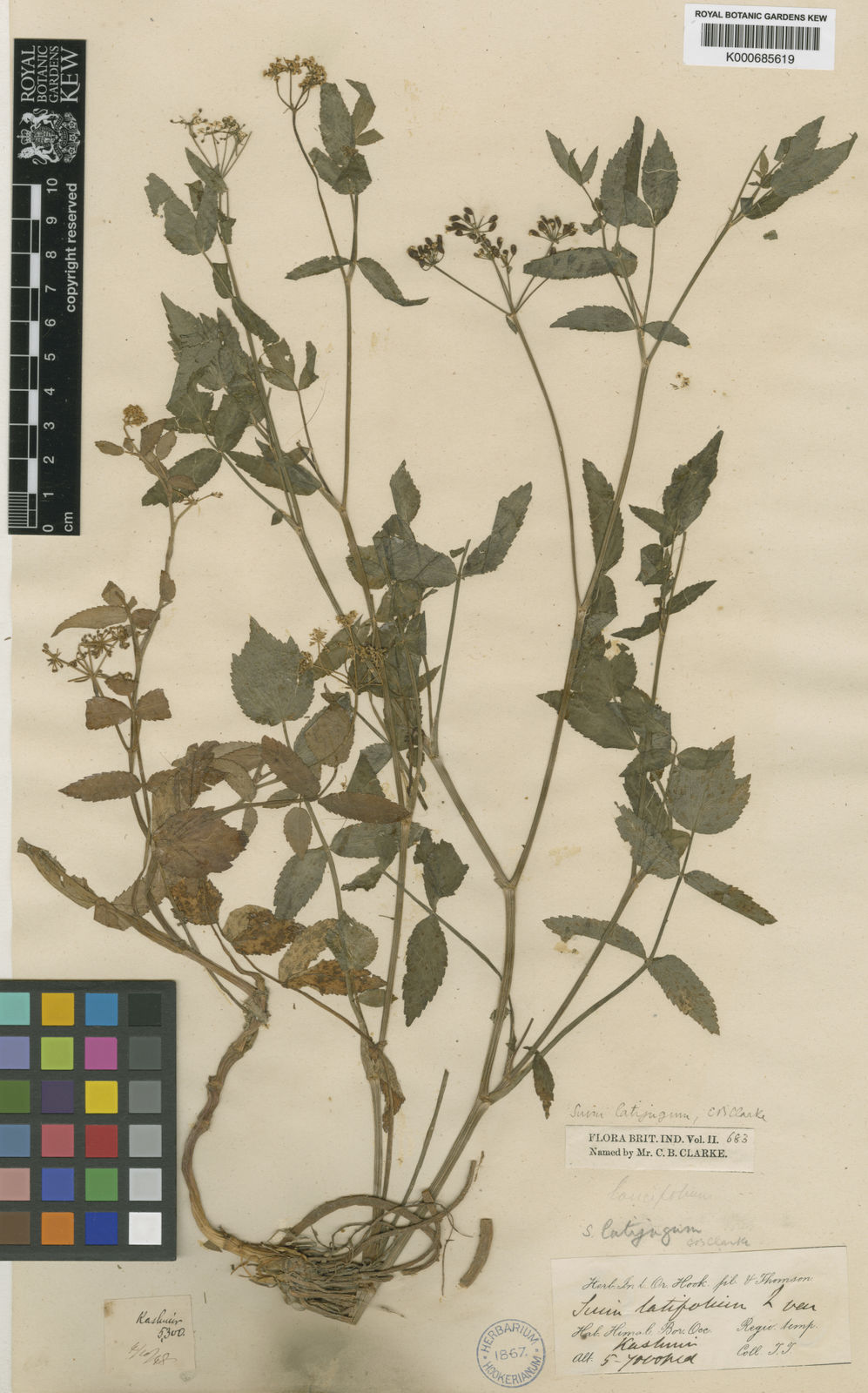
Sium sisarum
species of plant

Bunium bulbocastanum
species of plant

Chaerophyllum bulbosum
species of plant

Peucedanum ostruthium
species of plant

Heracleum persicum
species of plant

Arracacia xanthorrhiza
species of plant

Seseli libanotis
species of plant

Oenanthe javanica
species of plant

Peucedanum palustre
species of plant

Ligusticum scothicum
species of plant

Osmorhiza
Osmorhiza is a genus of perennial herbs, known generally as sweet cicely, sweetcicely, or sweetroot. Most species are native to North America, but some grow in South America and Asia. Some species are used for medicinal purposes, but have dangerous lookalikes. The fruits of this plant have barbs on the end allowing them to stick to clothing, fur, or feathers.

Ridolfia segetum
Ridolfia segetum, called false fennel, corn parsley, or false caraway, is an annual weed of the Mediterranean region. Its height is . The stem is erect, striate, and branched. The glabrous leaves are finely divided several times with filiform leaflets. The upper leaves frequently reduced and the base of the petiole enlarged. The flowers are yellow, arranged in small umbels with almost uniform rays (10–60).
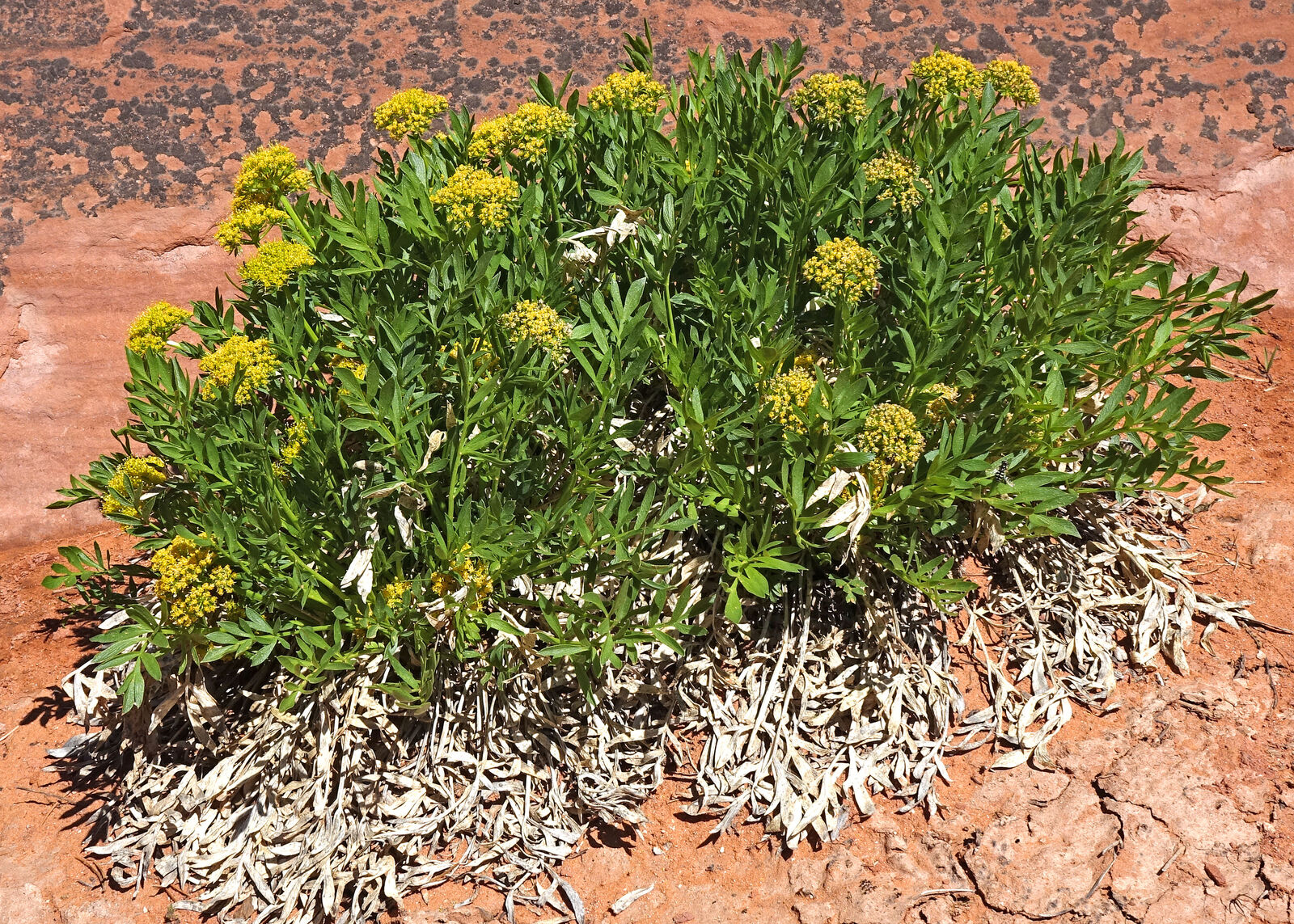
Lomatium
Lomatium is a genus in the family Apiaceae. It consists of about 100 species. Its common names include biscuitroot, Indian parsley, and desert parsley. It is in the family Apiaceae and therefore related to many familiar edible species such as carrots and celery. Native to western Northern America and northern Mexico, some Lomatium species are extensively used by Native Americans in the inland Pacific Northwest as a staple food.

Cryptotaenia
Cryptotaenia, or honewort, is a genus of herbaceous perennial plants, native to North America, Africa, and eastern Asia, growing wild in moist, shady places.

Daucus pusillus
species of plant

Apium prostratum
species of plant

leaf celery
variety of plants
.jpg)
Perideridia
Perideridia is a genus of plants in the family Apiaceae. Plants in this genus are known generally as yampah or yampa. They are native to western North America. Similar in appearance to other plants of the family Apiaceae, they have umbels of white flowers.
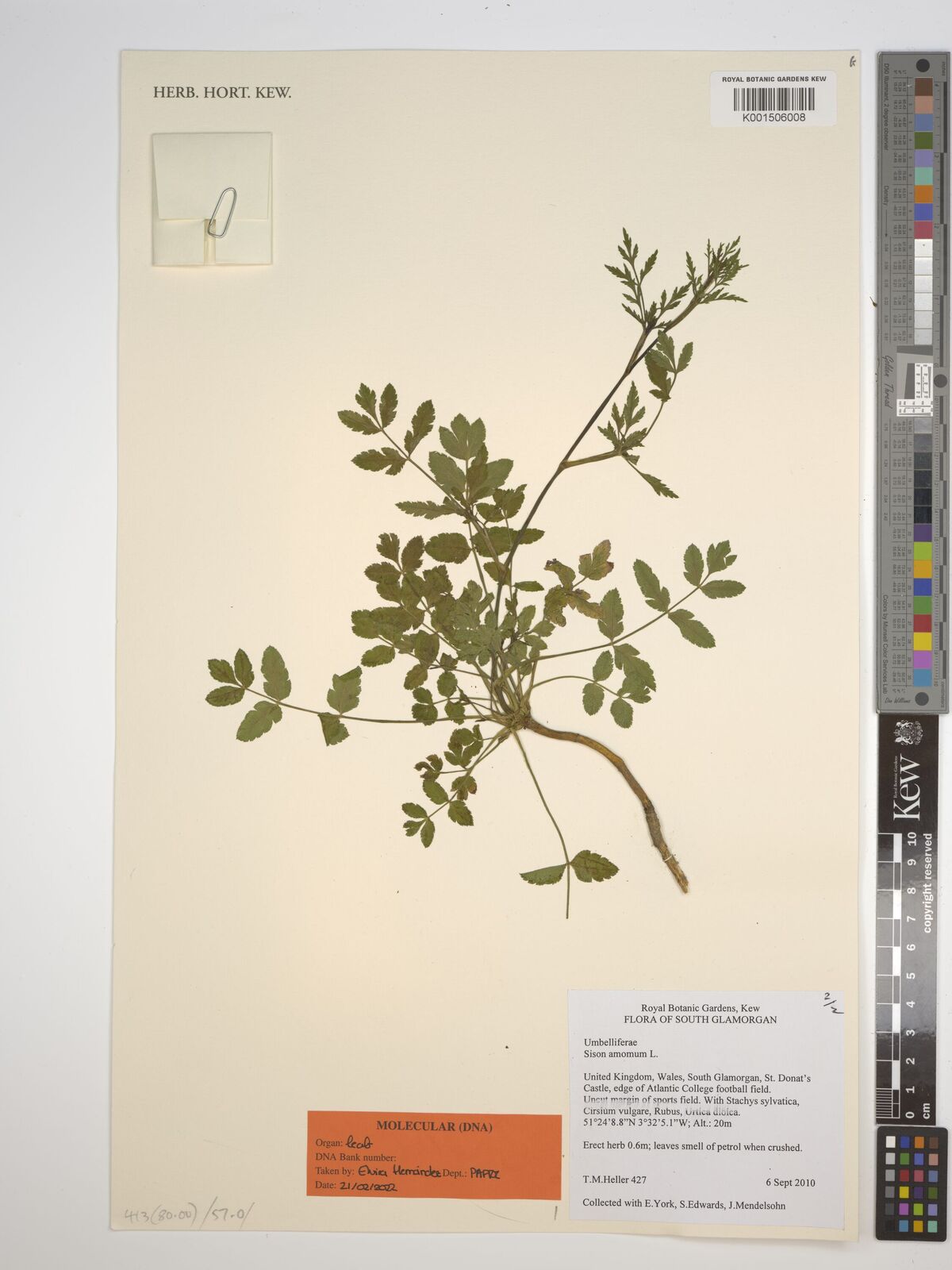
Sison amomum
species of plant
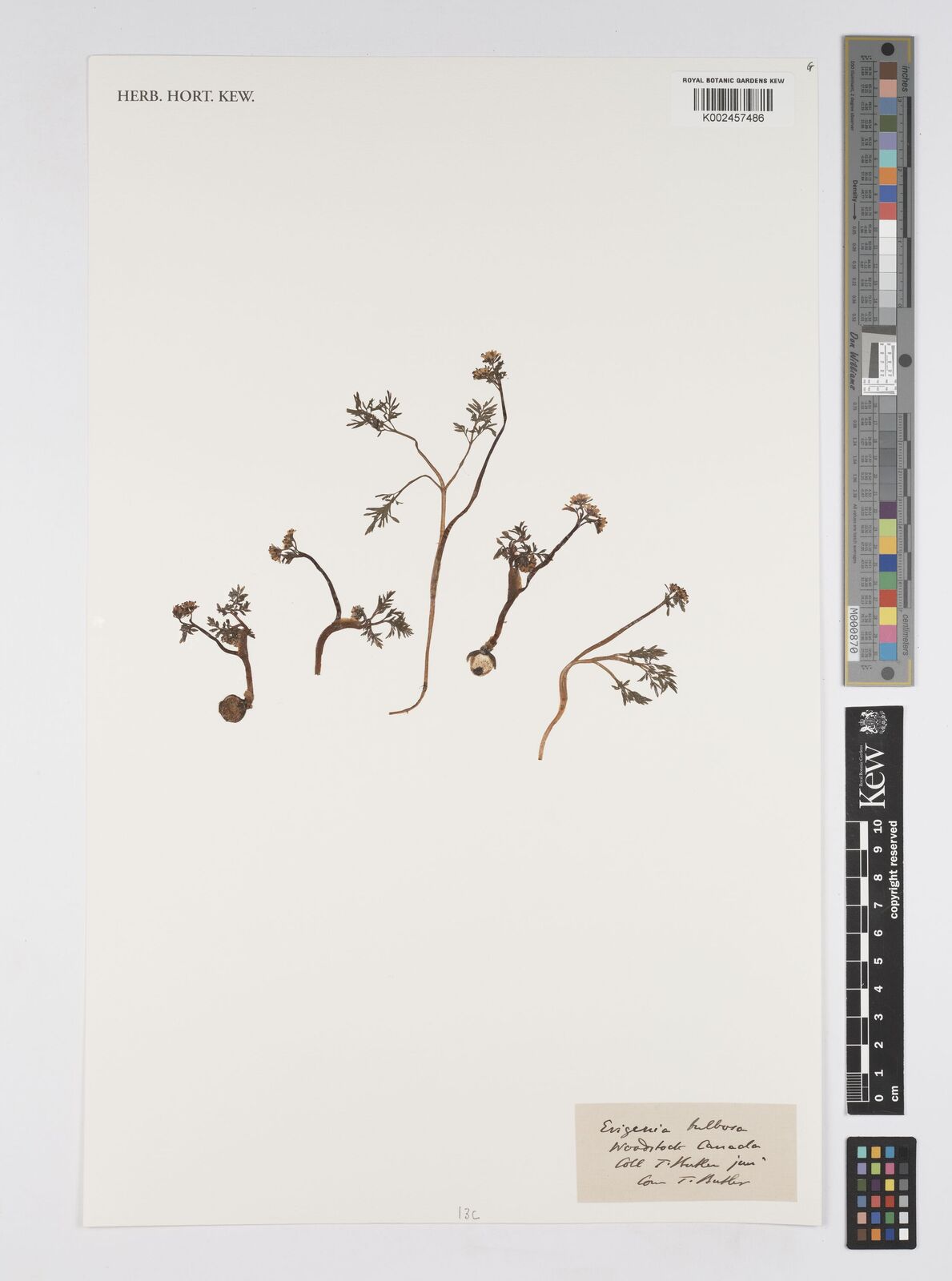
Erigenia
Erigenia bulbosa, also known as harbinger of spring or pepper and salt, is a flowering perennial plant in the family Apiaceae. E. bulbosa is the only species in the genus Erigenia and tribe Erigenieae. This plant is known as harbinger of spring because it is one of the earliest blooming native wildflowers of rich forests in the mid-latitude United States. Throughout most of its range it blooms from late February through early April.
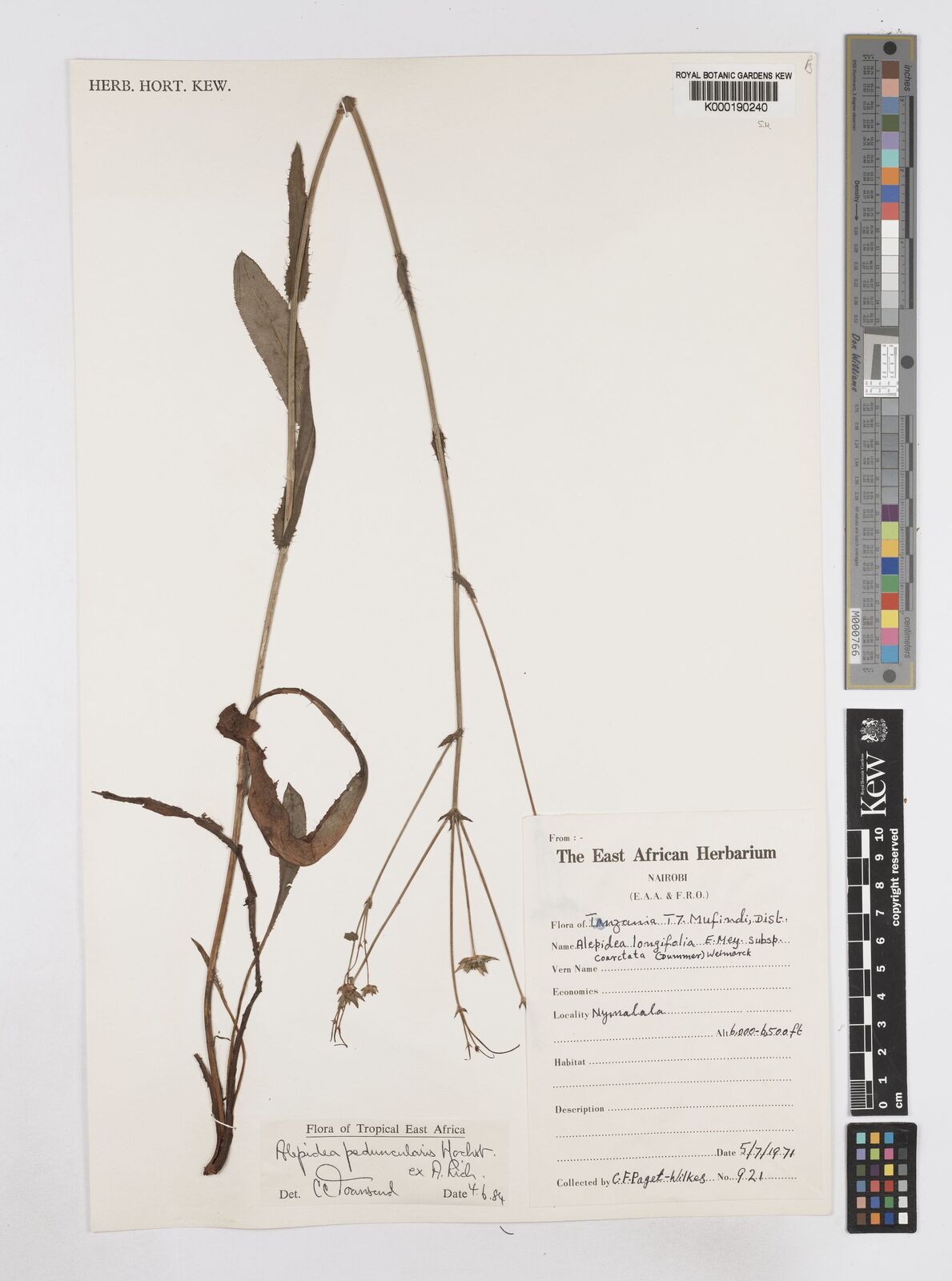
Alepidea peduncularis
species of plant

Perideridia gairdneri
species of plant
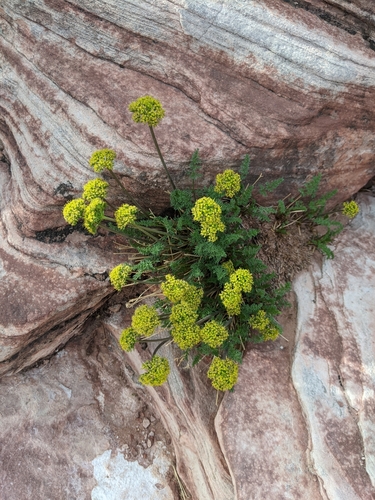
Lomatium parryi
species of plant
list of carrot dishes
Wikimedia list article
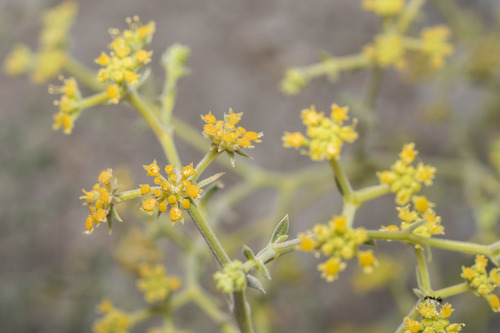
Echinophora sibthorpiana
species of plant