Category
page 1English Anglicans

Isaac Newton
Sir Isaac Newton was an English polymath who was a mathematician, physicist, astronomer, alchemist, theologian, author and inventor. He was a key figure in the Scientific Revolution and the Enlightenment that followed. His book Philosophiæ Naturalis Principia Mathematica, first published in 1687, achieved the first great unification in physics and established classical mechanics. Newton also made seminal contributions to optics, and shares credit with the German mathematician Gottfried Wilhelm Leibniz for formulating infinitesimal calculus, although he developed calculus years before Leibniz. Newton contributed to and refined the scientific method, and his work is considered the most influential in bringing forth modern science.

Charles Darwin
English naturalist and biologist (1809-1882)
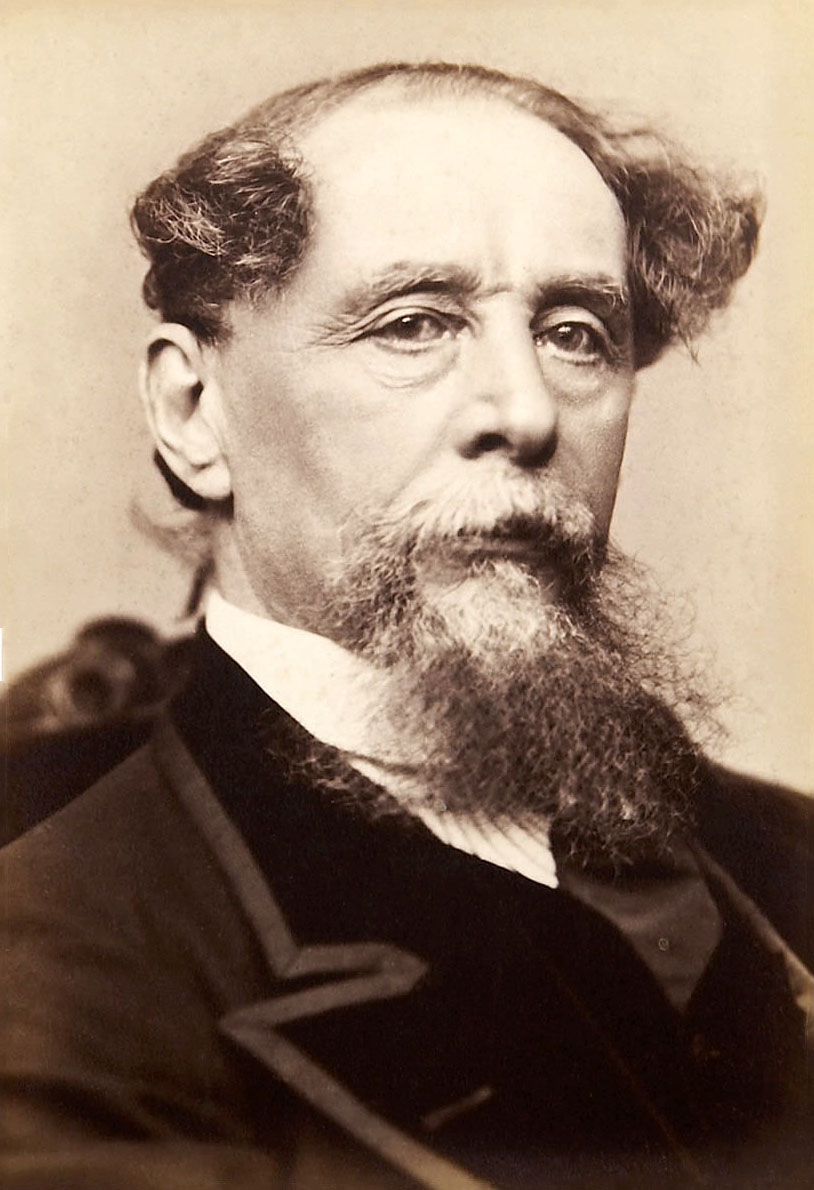
Charles Dickens
Charles John Huffam Dickens was an English writer and journalist. He created some of literature's best-known fictional characters, and is regarded by many as the greatest novelist of the Victorian era. His works enjoyed unprecedented popularity during his lifetime and, by the 20th century, critics and scholars had recognised him as a literary genius. His novels and short stories are widely read today.
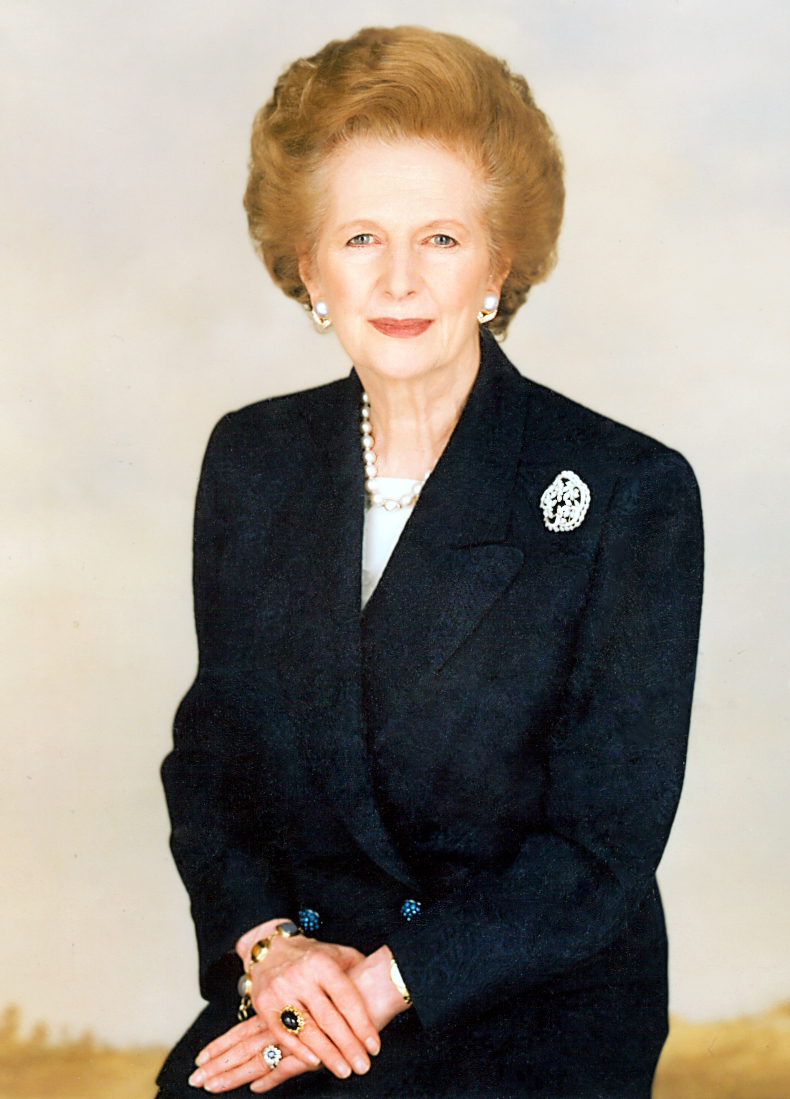
Margaret Thatcher
Margaret Hilda Thatcher, Baroness Thatcher, was a British stateswoman who served as Prime Minister of the United Kingdom from 1979 to 1990 and Leader of the Conservative Party from 1975 to 1990. She was the longest-serving British prime minister of the 20th century and the first woman to hold the office. As prime minister, she implemented policies that came to be known as Thatcherism. A Soviet journalist dubbed her the "Iron Lady", a nickname that became associated with her uncompromising politics and leadership style.

John Locke
English philosopher and physician (1632-1704)
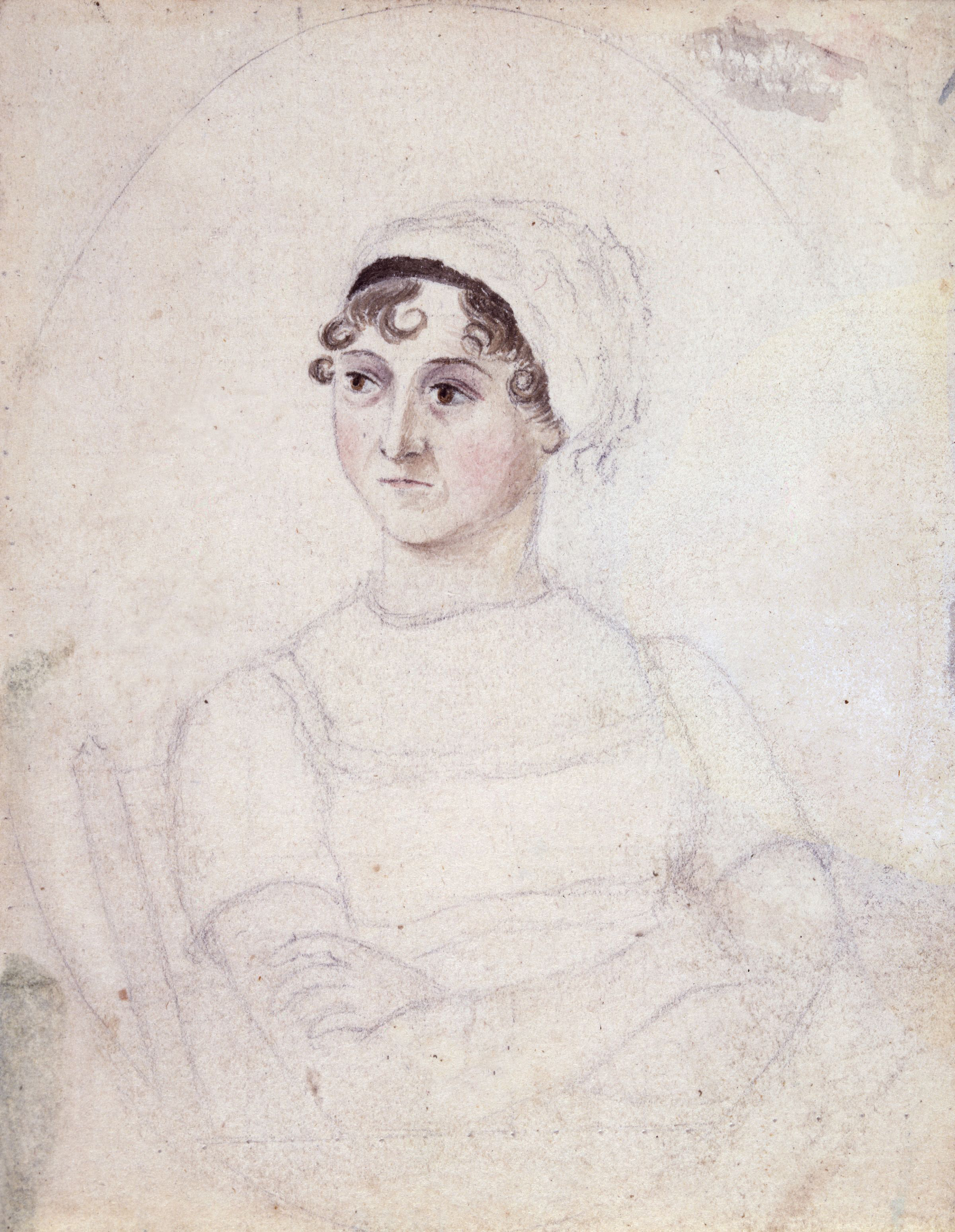
Jane Austen
Jane Austen was an English writer known primarily for her six novels, which implicitly interpret, critique, and comment on the English landed gentry at the end of the 18th century.

Francis Bacon
English philosopher and statesman (1561–1626)
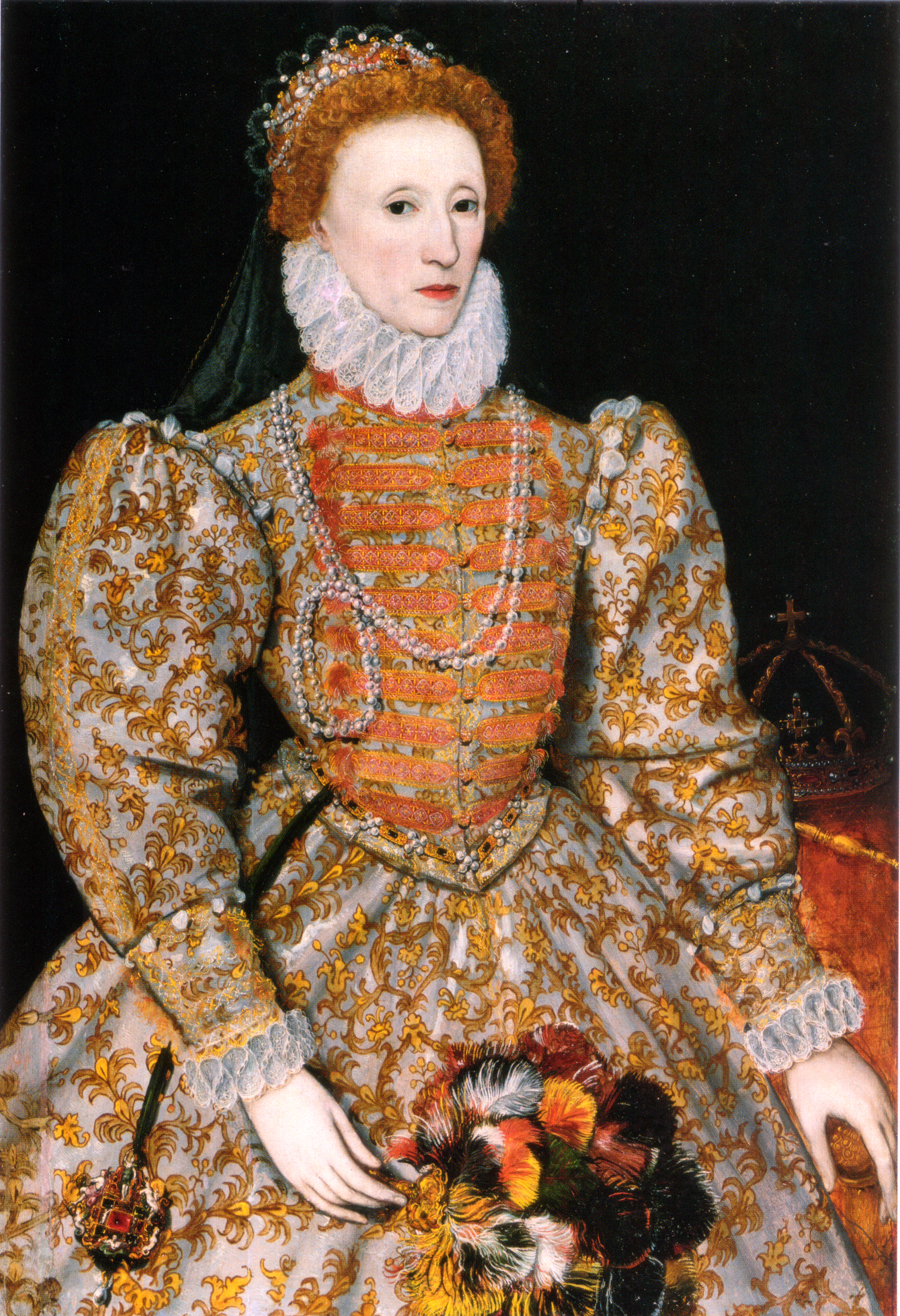
Elizabeth I
Elizabeth I was Queen of England and Ireland from 17 November 1558 until her death in 1603. She was the last and longest reigning monarch of the House of Tudor. Her eventful reign, and its effect on history and culture, gave name to the Elizabethan era.
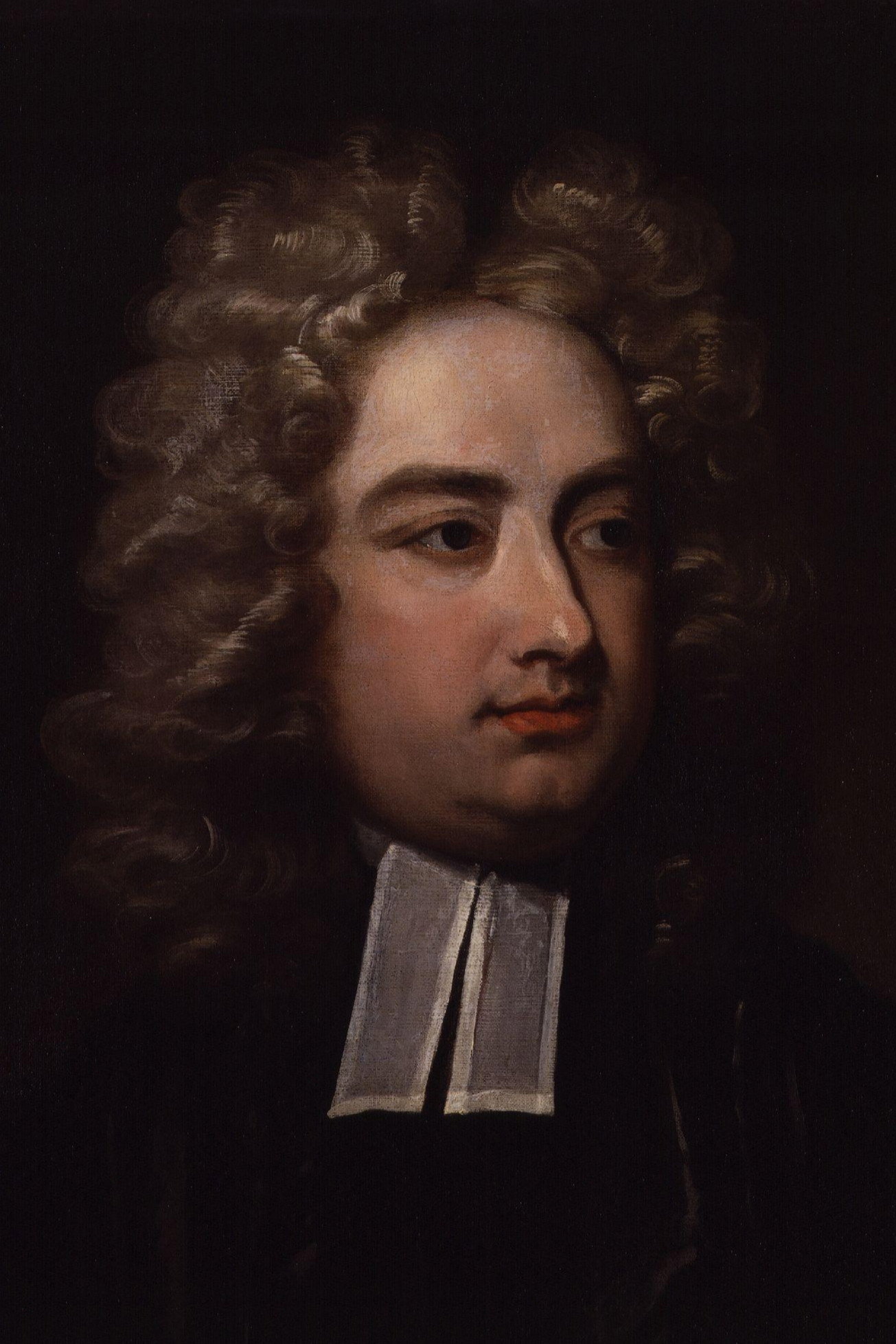
Jonathan Swift
Anglo-Irish satirist and essayist (1667–1745)

Lewis Carroll
British author and scholar (1832–1898)

David Cameron
British politician (born 1966)

Theresa May
Prime Minister of the United Kingdom from 2016 to 2019

William Wordsworth
English Romantic poet (1770–1850)

Benjamin Disraeli
British statesman (1804–1881)

Samuel Johnson
English writer and lexicographer (1709–1784)
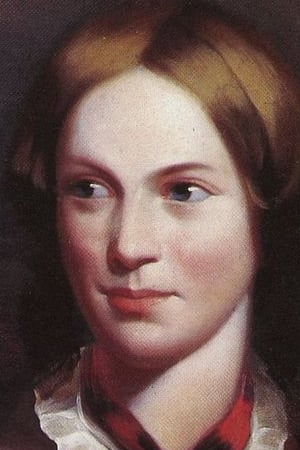
Charlotte Brontë
British novelist and poet (1816-1855)

Emily Brontë
Emily Jane Brontë was an English writer best known for her 1847 novel Wuthering Heights. She also co-authored a book of poetry with her sisters Charlotte and Anne entitled Poems by Currer, Ellis, and Acton Bell.
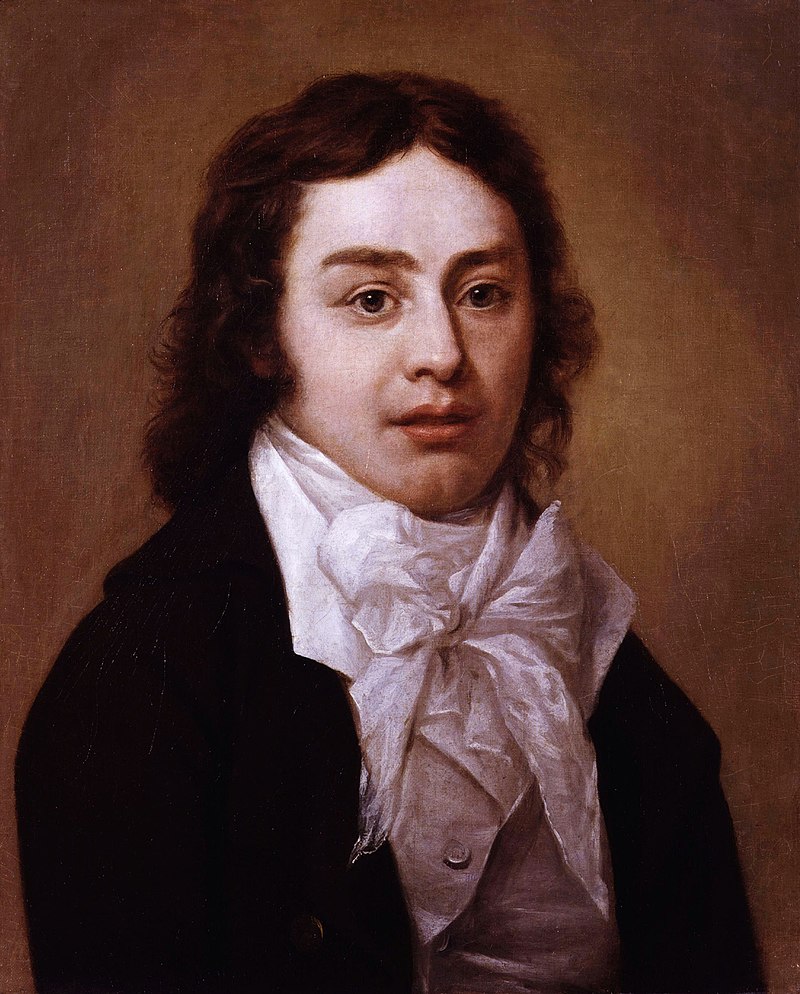
Samuel Taylor Coleridge
English poet, literary critic and philosopher (1772–1834)
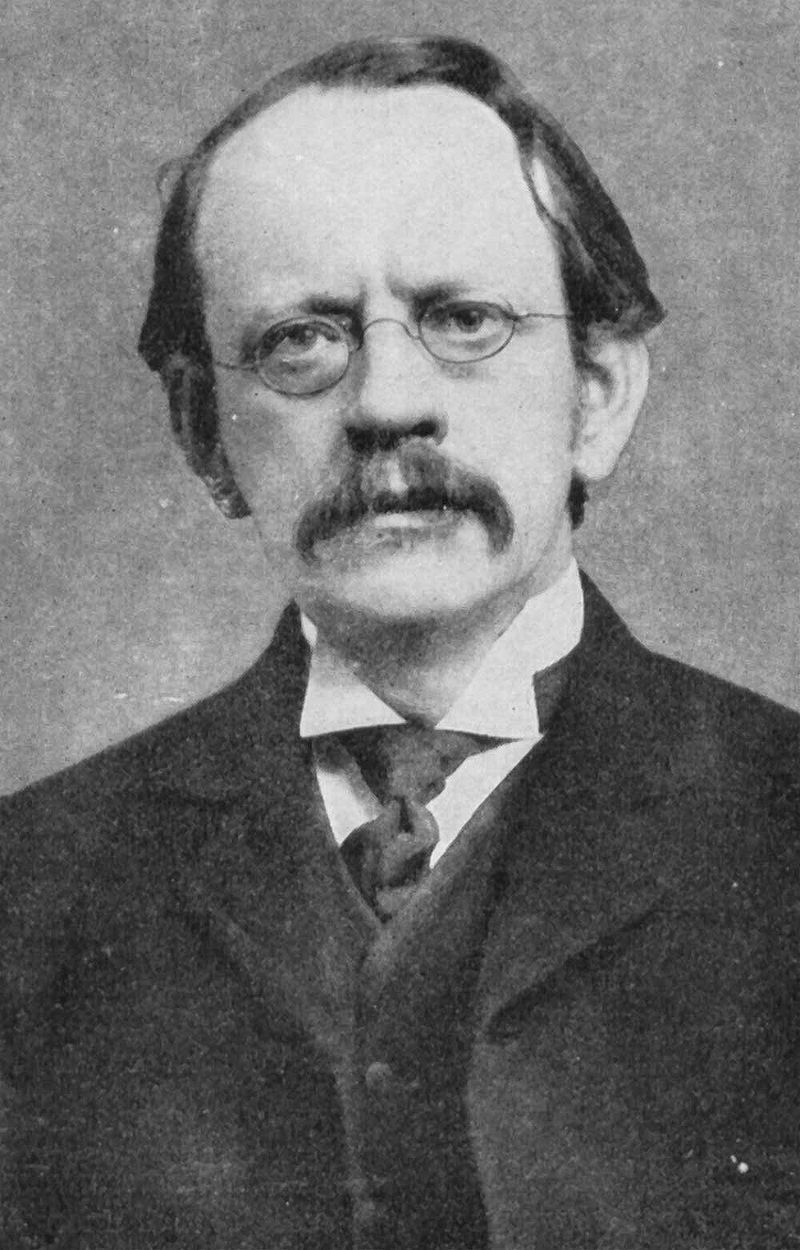
J. J. Thomson
British physicist (1856-1940)

Henry VIII
Henry VIII was King of England from 22 April 1509 until his death in 1547. After the Pope refused to annul his marriage to Catherine of Aragon, Henry passed legislation that severed England and Ireland from the Roman Catholic Church and established the monarch as Supreme Head of the Church of England, initiating the English Reformation. He subsequently married five more times; two marriages were annulled, and two wives were executed.
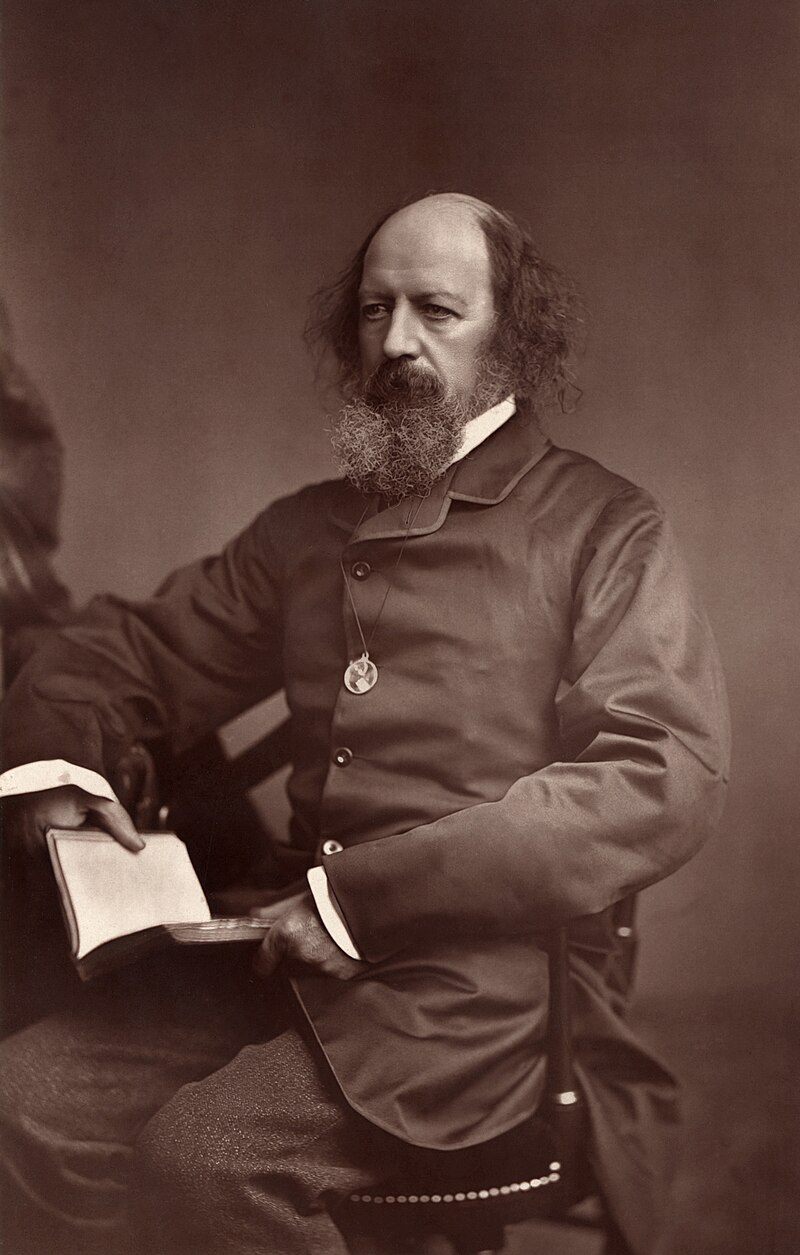
Alfred Tennyson
British Poet Laureate (1809–1892)

Catherine, Princess of Wales
member of the British Royal Family and princess of Wales since 2022

Anne Brontë
British novelist and poet (1820-1849)

Ozzy Osbourne
John Michael "Ozzy" Osbourne was an English singer, songwriter, and media personality. Dubbed the "Prince of Darkness", he is widely credited as a pioneer of heavy metal music. He co-founded the band Black Sabbath in 1968, and rose to prominence in the 1970s as their lead vocalist. He performed on the band's first eight studio albums, including Black Sabbath, Paranoid and Master of Reality (1971), before he was fired in 1979 due to his problems with alcohol and other drugs.

Robert Baden-Powell, 1st Baron Baden-Powell
lieutenant-general in the British Army, writer, founder and Chief Scout of the Scout Movement (1857-1941)

John Major
former prime minister of the United Kingdom (born 1943)

Anne Boleyn
second wife of Henry VIII of England (died 1536)

Robert Hooke
English natural philosopher, architect and polymath (1635 — 1703)

William Makepeace Thackeray
British novelist (1811–1863)
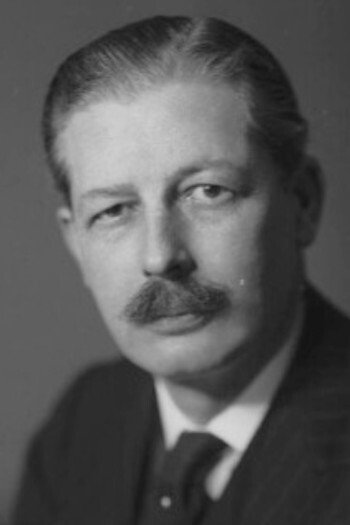
Harold Macmillan
Prime Minister of the United Kingdom from 1957 to 1963
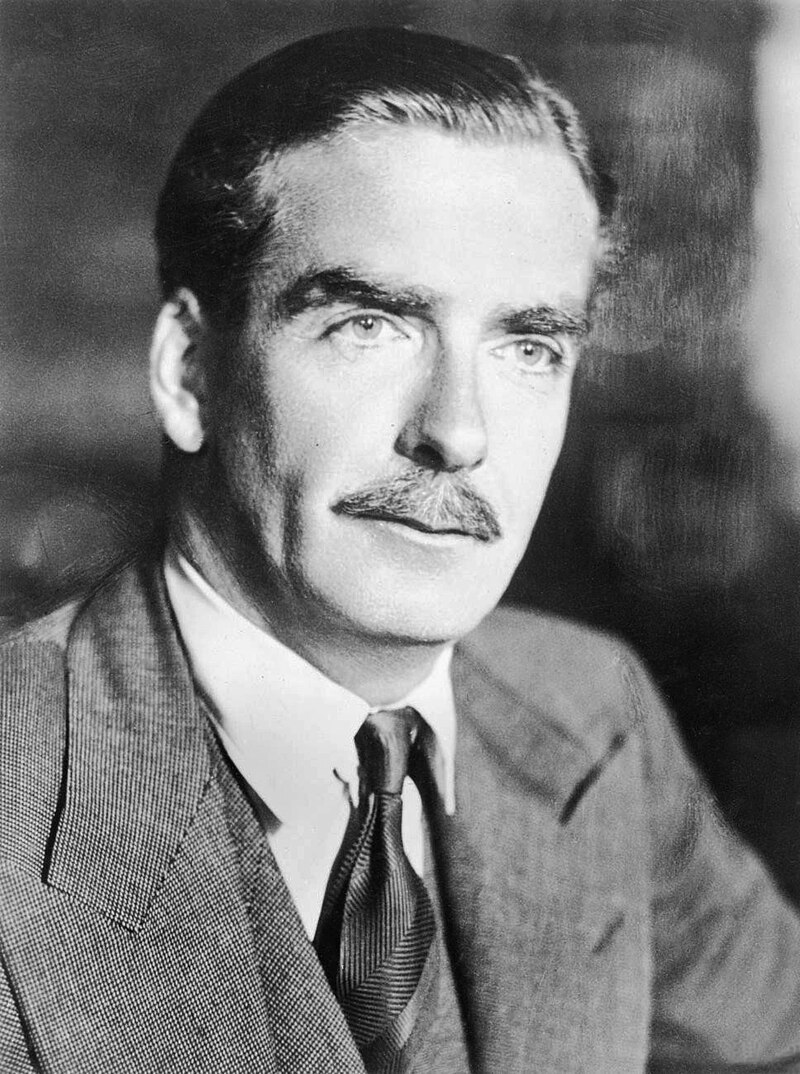
Anthony Eden
British soldier, diplomat and politician (1897–1977)

William Ewart Gladstone
British Liberal prime minister (1809–1898)

John Strutt, 3rd Baron Rayleigh
English physicist (1842–1919)

William Harvey
English physician (1578-1657)

Joseph Addison
English essayist, poet, playwright and politician (1672–1719)

Dante Gabriel Rossetti
English poet, illustrator, painter, and translator (1828-1882)

Arnold J. Toynbee
British historian (1889–1975)

Edward Heath
Prime Minister of the United Kingdom from 1970 to 1974 (1916–2005)

Nigel Farage
Nigel Paul Farage is a British politician who has been Leader of Reform UK since 2024. He has been Member of Parliament (MP) for Clacton since 2024. He was the leader of the UK Independence Party (UKIP) from 2006 to 2009 and from 2010 to 2016. Farage served as a member of the European Parliament (MEP) for South East England from 1999 until the United Kingdom's withdrawal from the European Union (EU) in 2020.

Lady Jane Grey
Queen of England and Ireland in July 1553

Ellie Goulding
British singer (born 1986)

Edmund Spenser
English poet (c. 1552 – 1599)

Stanley Baldwin
British statesman (1867–1947)
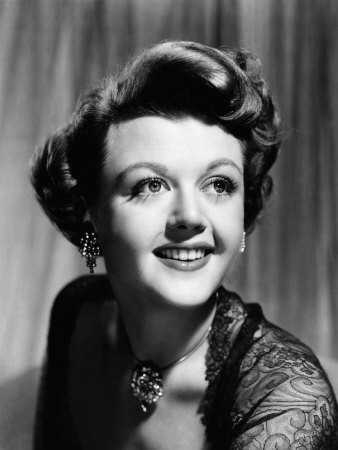
Angela Lansbury
Dame Angela Brigid Lansbury was a British-American-Irish actress and singer. In a career spanning 80 years, she played various roles across film, stage, and television. Although based for much of her life in the United States, her work attracted international attention.

Andrew Mountbatten-Windsor
Andrew Albert Christian Edward Mountbatten-Windsor, formerly Prince Andrew, Duke of York, is the third child and second son of Queen Elizabeth II and Prince Philip, Duke of Edinburgh, and a younger brother of King Charles III. Andrew was born second in the line of succession to the British throne and is eighth as of 2026.

Matthew Arnold
British poet and cultural critic (1822–1888)

Thomas Babington Macaulay, 1st Baron Macaulay
British historian and politician (1800–1859)

Anne, Princess Royal
Anne, Princess Royal, is a member of the British royal family. She is the second child and only daughter of Queen Elizabeth II and Prince Philip, Duke of Edinburgh, and the sister of King Charles III. Third in the line of succession to the British throne at birth, she is 18th in line as of 2026. She has held the title of Princess Royal since 1987.
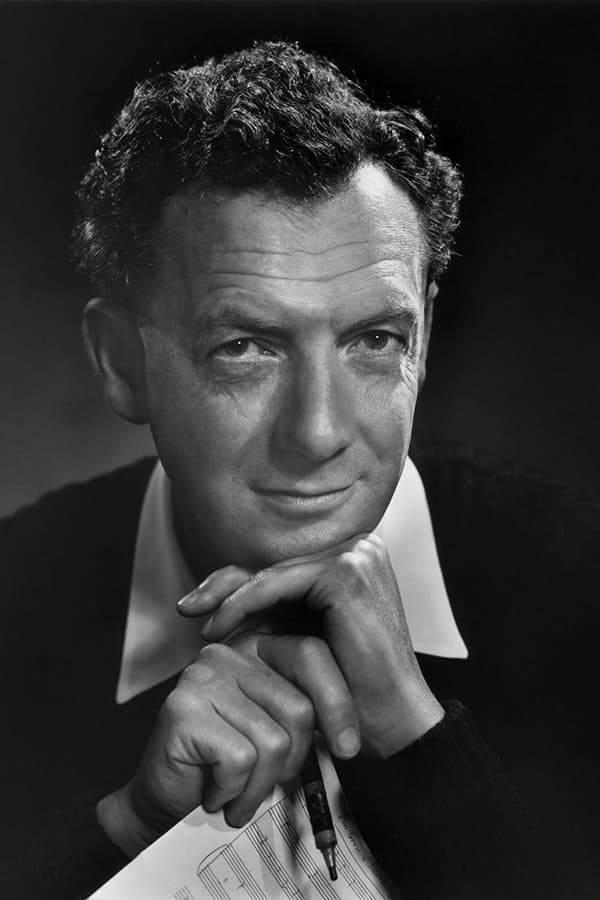
Benjamin Britten
English composer, conductor, and pianist (1913-1976)

Robert Gascoyne-Cecil, 3rd Marquess of Salisbury
British politician and prime minister (1830-1903)
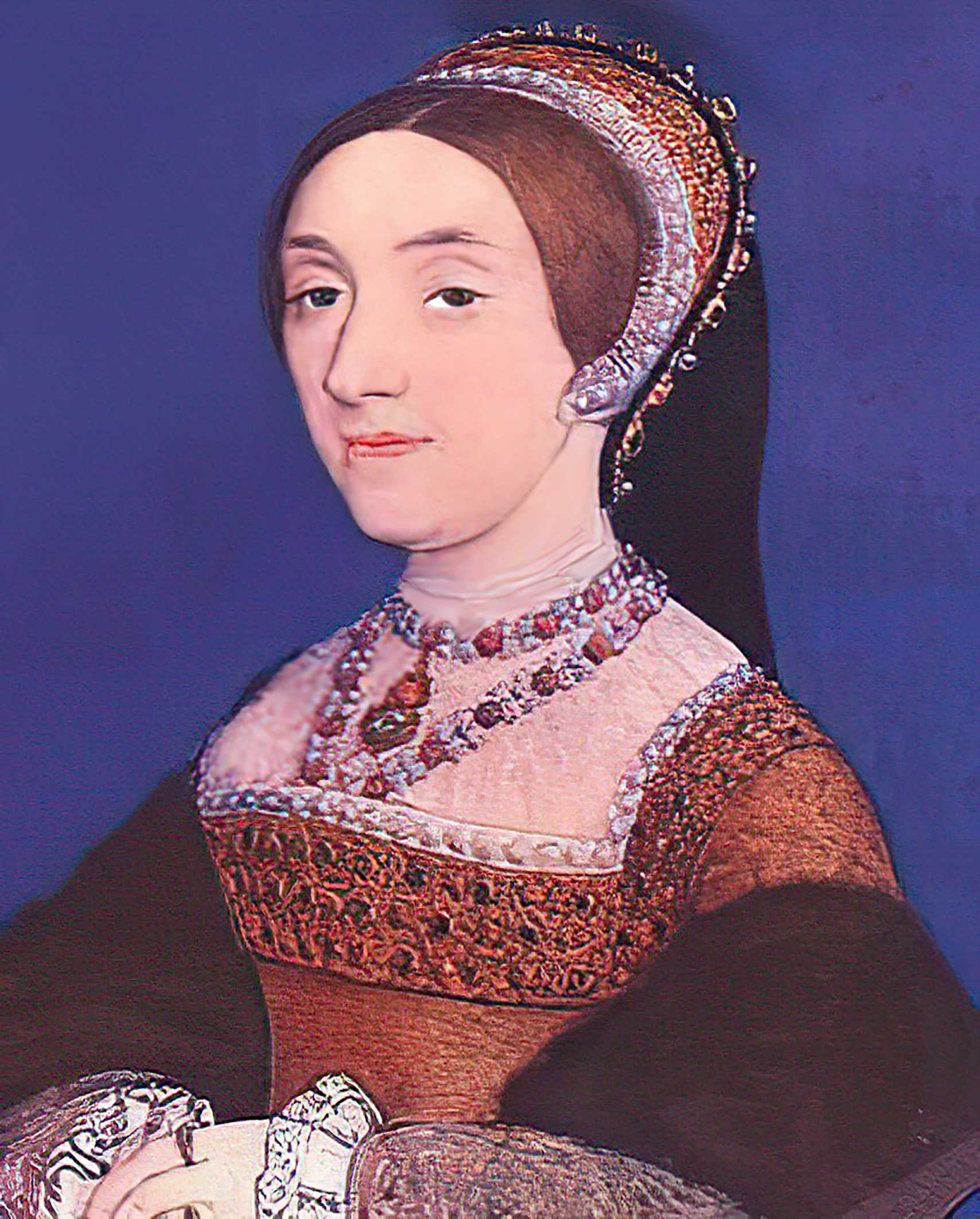
Catherine Howard
fifth wife of Henry VIII of England
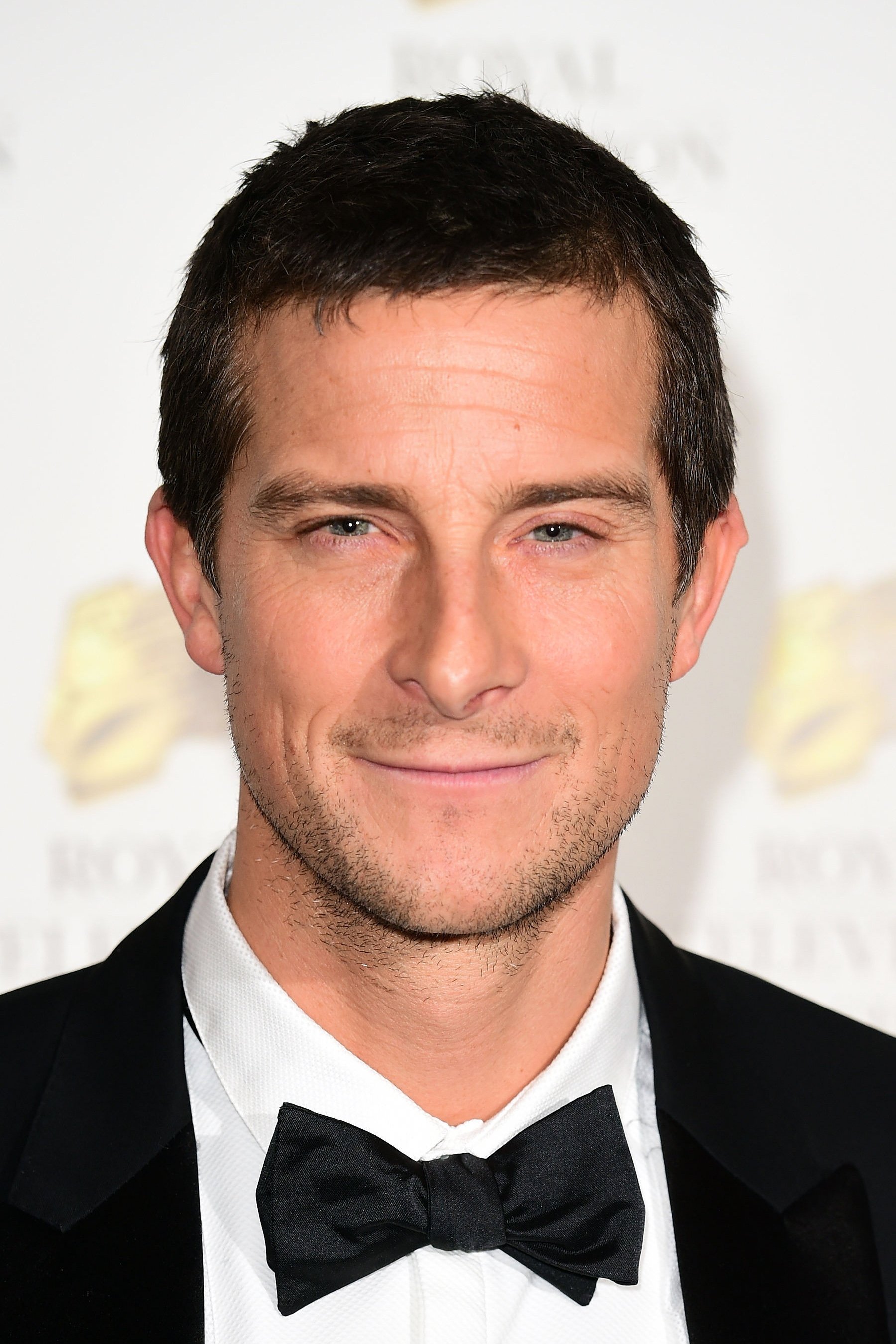
Bear Grylls
English adventurer, writer and television presenter (born 1974)

John Hurt
British actor (1940–2017)

Ronald Fisher
British statistician, evolutionary biologist and geneticist (1890–1962)

Thomas Cranmer
leader of the English Reformation and Archbishop of Canterbury

Catherine Parr
sixth wife of Henry VIII; final queen consort of the House of Tudor

Roger Scruton
English conservative philosopher and writer (1944–2020)

William Cowper
English poet and hymnodist (1731–1800)

Sarah Ferguson
Sarah Margaret Ferguson, formerly Sarah, Duchess of York, and commonly known as Fergie, is a British author, spokesperson, and television personality. She is the former wife of Andrew Mountbatten-Windsor, then Prince Andrew, Duke of York, the second son of Queen Elizabeth II and Prince Philip, Duke of Edinburgh, and the younger brother of King Charles III.

Boris Karloff
British actor (1887–1969)