Category
page 1Fern families
.jpg)
Aspleniaceae
The Aspleniaceae (spleenworts) are a family of ferns, included in the order Polypodiales. The composition and classification of the family have been subject to considerable changes. In particular, there is a narrow circumscription, Aspleniaceae s.s. (adopted here), in which the family contains only two genera, and a very broad one, Aspleniaceae s.l., in which the family includes 10 other families kept separate in the narrow circumscription, with the Aspleniaceae s.s. being reduced to the subfamily Asplenioideae. The family has a worldwide distribution, with many species in both temperate and t

Polypodiaceae
Polypodiaceae is a family of ferns. In the Pteridophyte Phylogeny Group classification of 2016 (PPG I), the family includes around 65 genera and an estimated 1,650 species and is placed in the order Polypodiales, suborder Polypodiineae. A broader circumscription has also been used, in which the family includes other families kept separate in PPG I. Nearly all species are epiphytes, but some are terrestrial.

Dryopteridaceae
The Dryopteridaceae are a family of leptosporangiate ferns in the order Polypodiales. They are known colloquially as the wood ferns. In the Pteridophyte Phylogeny Group classification of 2016 (PPG I), the family is placed in the suborder Polypodiineae. Alternatively, it may be treated as the subfamily Dryopteridoideae of a very broadly defined family Polypodiaceae sensu lato.

Pteridaceae
thumb|240px|Adiantum lunulatum
Pteridaceae is a family of ferns in the order Polypodiales, including some 1150 known species in ca 45 genera (depending on taxonomic opinions), divided over five subfamilies. The family includes four groups of genera that are sometimes recognized as separate families: the adiantoid, cheilanthoid, pteridoid, and hemionitidoid ferns. Relationships among these groups remain unclear, and although some recent genetic analyses of the Pteridales suggest that neither the family Pteridaceae nor the major groups within it are all monophyletic, as yet these analyses are i

Blechnaceae
thumb|x300px|Blechnopsis orientalis. The young opening fronds of many species are usually tinged with red.
Dennstaedtiaceae
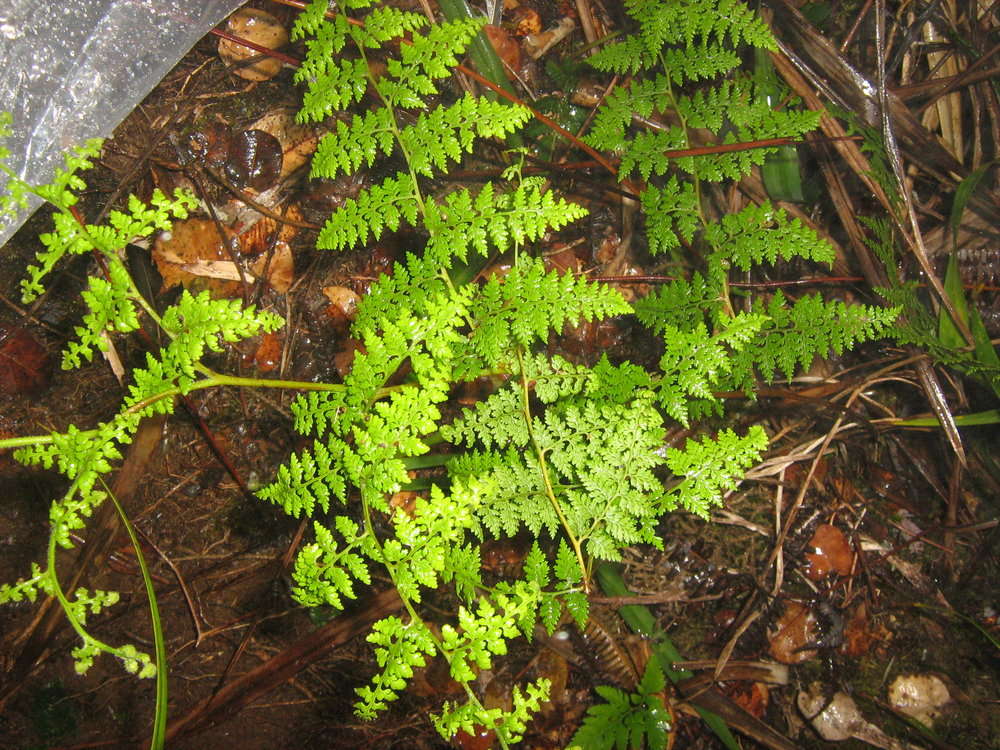
Dennstaedtiaceae is one of fifteen families in the order Polypodiales, the most derived families within monilophytes (ferns). It comprises 10 genera with ca 240 known species, including one of the world's most abundant ferns, Pteridium aquilinum (bracken). Members of the order generally have large, highly divided leaves and have either small, round intramarginal sori with cup-shaped indusia (e.g. Dennstaedtia) or linear marginal sori with a false indusium formed from the reflexed leaf margin (e.g. Pteridium). The morphological diversity among members of the order has confused past taxonomy, bu
Osmundaceae
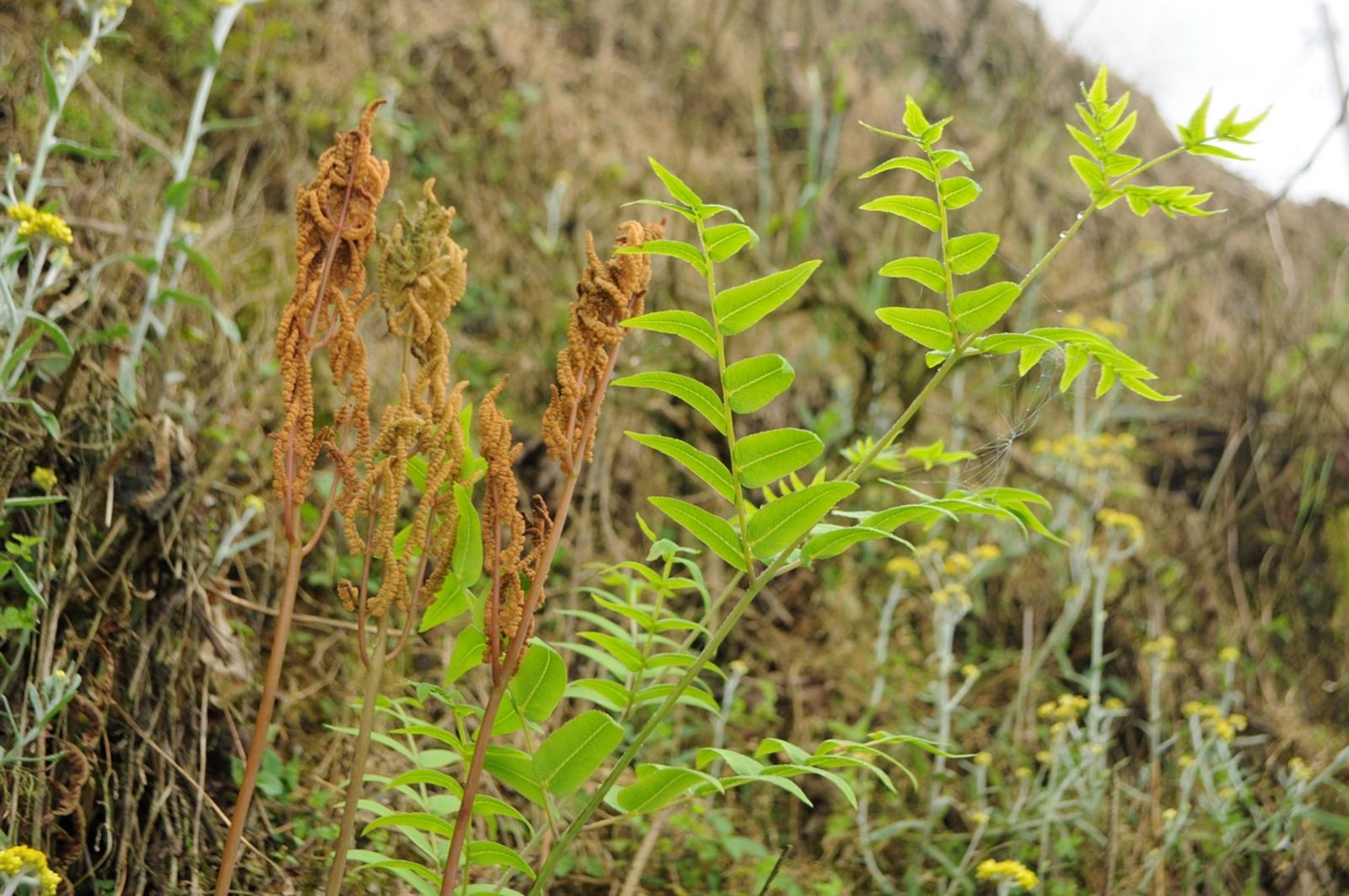
Osmundaceae (royal fern family) is a family of ferns containing four to six extant genera and 18–25 known species. It is the only living family of the order Osmundales in the class Polypodiopsida (ferns) or in some classifications the only order in the class Osmundopsida. This is an ancient (known from the Upper Permian) and fairly isolated group that is often known as the "flowering ferns" because of the striking aspect of the ripe sporangia in Claytosmunda, Osmunda, Osmundastrum, and Plensium (subtribe Osmundinae). In these genera the sporangia are borne naked on non-laminar pinnules, while

Ophioglossaceae
Ophioglossaceae, from Ancient Greek ὄφις (óphis), meaning "snake", and γλῶσσα (glôssa), meaning "tongue", also known as the '''adder's-tongue family, is a small family of ferns. In the Pteridophyte Phylogeny Group classification of 2016 (PPG I), it is the only family in the order Ophioglossales''', which together with the Psilotales is placed in the subclass Ophioglossidae. The Ophioglossidae are one of the groups traditionally known as eusporangiate ferns. Members of the family differ from other ferns in a number of ways. Many have only a single fleshy leaf at a time. Their gametophytes are s
Marattiaceae
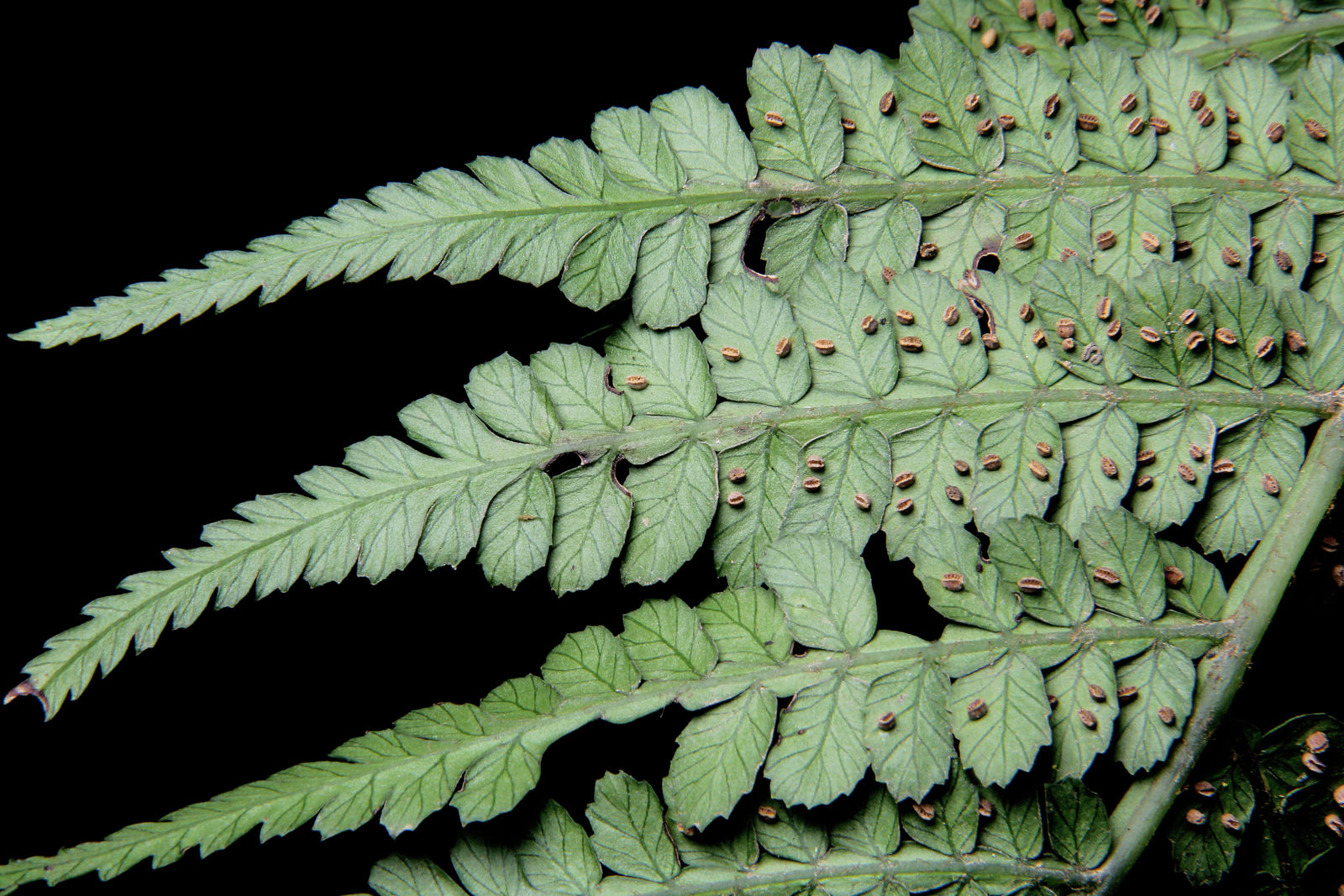
Marattiaceae is the only family of extant (living) ferns in the order Marattiales. In the Pteridophyte Phylogeny Group classification of 2016 (PPG I), Marattiales is the only order in the subclass Marattiidae. The family has six genera and about 110 species. Many are different in appearance from other ferns, having large fronds and fleshy rootstocks.

Cyatheaceae
The Cyatheaceae are a family of ferns, the scaly tree ferns, one of eight families in the order Cyatheales in the Pteridophyte Phylogeny Group classification of 2016 (PPG I). Alternatively, the family may defined much more broadly (Cyatheaceae sensu lato) as the only family in the Cyatheales, with the PPG I family treated as the subfamily Cyatheoideae. The narrower circumscription is used in this article.
Woodsiaceae
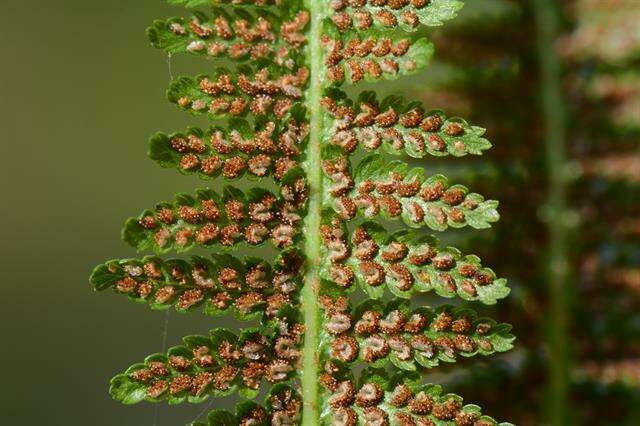
Woodsiaceae is a family of ferns. In the Pteridophyte Phylogeny Group classification of 2016 (PPG I), it is placed in the suborder Aspleniineae. The family can also be treated as the subfamily Woodsioideae of a very broadly defined family Aspleniaceae sensu lato. In PPG I, the family contained only one genus, Woodsia. In 2020, Physematium was split off from Woodsia on the basis of molecular phylogenetic evidence. , Plants of the World Online continued to treat Physematium as a synonym of Woodsia.

Thelypteridaceae
Thelypteridaceae is a family of about 900 species of ferns in the order Polypodiales. In the Pteridophyte Phylogeny Group classification of 2016 (PPG I), it is placed in the suborder Aspleniineae. Alternatively, the family may be submerged in a very broadly defined family Aspleniaceae as the subfamily Thelypteridoideae.

Marsileaceae
Marsileaceae is a small family of heterosporous aquatic and semi-aquatic ferns, though at first sight they do not physically resemble other ferns. The group is commonly known as the "pillwort family" after the genus Pilularia (pillwort), "pepperwort family" or as the "water-clover family" because the leaves of the genus Marsilea superficially resemble the leaves of a four-leaf clover. The family contains three genera; most of the species are in Marsilea. It is sister to the Salviniaceae, which is also aquatic and heterosporous. Fossils of the family are known as far back as the Triassic. The f
Psilotaceae
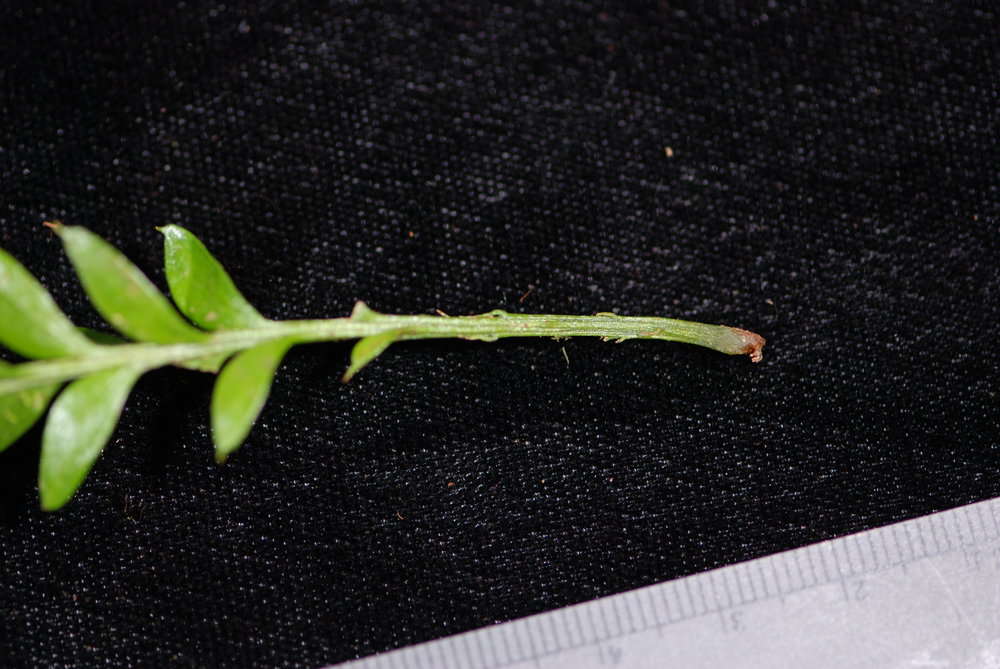
Psilotaceae is a family of ferns (class Polypodiopsida) consisting of two genera, Psilotum and Tmesipteris with about a dozen species. It is the only family in the order Psilotales.

Onocleaceae
Onocleaceae is a small family of terrestrial ferns in the order Polypodiales. It is placed in the suborder Aspleniineae in the Pteridophyte Phylogeny Group classification of 2016 (PPG I). Alternatively, the family, along with Blechnaceae, may be placed in a very broadly defined family Aspleniaceae as the subfamily Blechnoideae. The family may contain from one to four genera, consisting of five species largely in north temperate climes. The four genera, Matteuccia, Onoclea, Onocleopsis and Pentarhizidium, may be included under the single genus Onoclea.
Salviniaceae
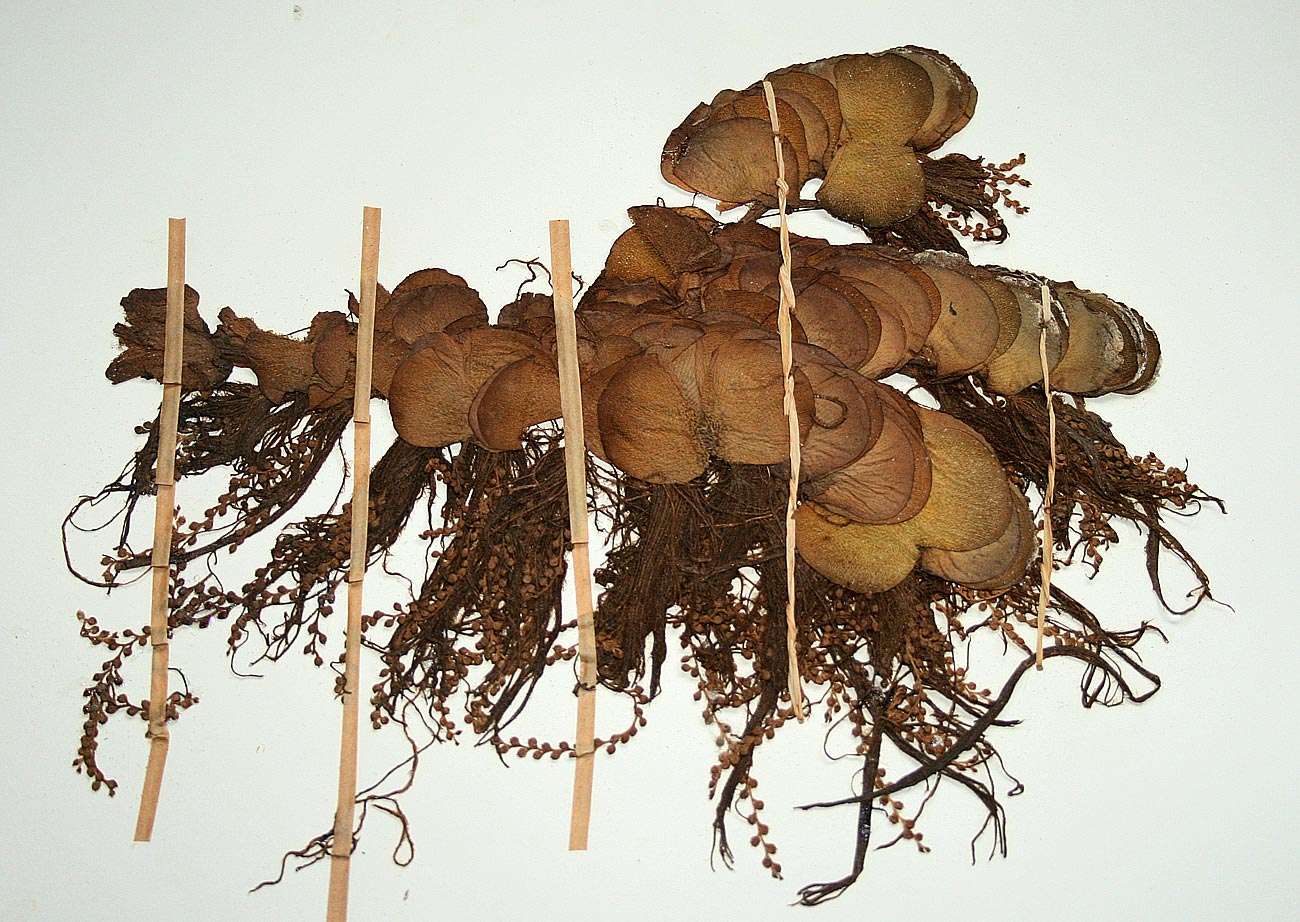
Salviniaceae (), is a family of heterosporous ferns in the order Salviniales. The Salviniaceae contain the two genera Azolla and Salvinia, with about 20 known species in total. The oldest records of the family date to the Late Cretaceous. Azolla was previously placed in its own family, Azollaceae, but research has shown Azolla and Salvinia to be sister genera with the likely phylogenic relationship shown in the following diagram.

Equisetaceae
Equisetaceae, also known as the horsetail family, is a family of ferns and the only surviving family of the order Equisetales, with one surviving genus, Equisetum, comprising about twenty species.
Hymenophyllaceae
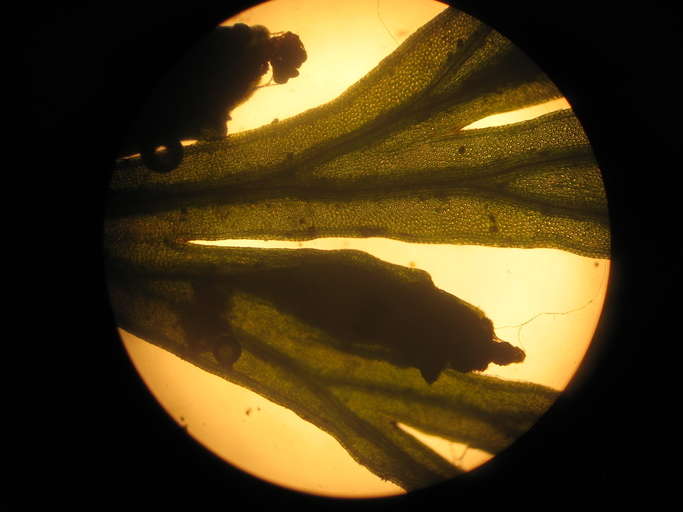
The Hymenophyllaceae, the filmy ferns and bristle ferns, are a family of two to nine genera (depending on classification system) and about 650 known species of ferns, with a subcosmopolitan distribution, but generally restricted to very damp places or to locations where they are wetted by spray from waterfalls or springs. Fossil evidence shows that ferns of the family Hymenophyllaceae have existed since at least the Upper Triassic.

Dicksoniaceae
Dicksoniaceae is a group of tropical, subtropical and warm temperate ferns, treated as a family in the Pteridophyte Phylogeny Group classification of 2016 (PPG I), and counting 30-40 species. Alternatively, the family may be sunk into a very broadly defined family Cyatheaceae sensu lato as the subfamily Dicksonioideae. Most of the genera in the family are terrestrial ferns or have very short trunks compared to tree ferns of the family Cyatheaceae sensu stricto. However, some of the larger species can reach several metres in height. A number of others are epiphytes. They are found mostly in tro
Lindsaeaceae
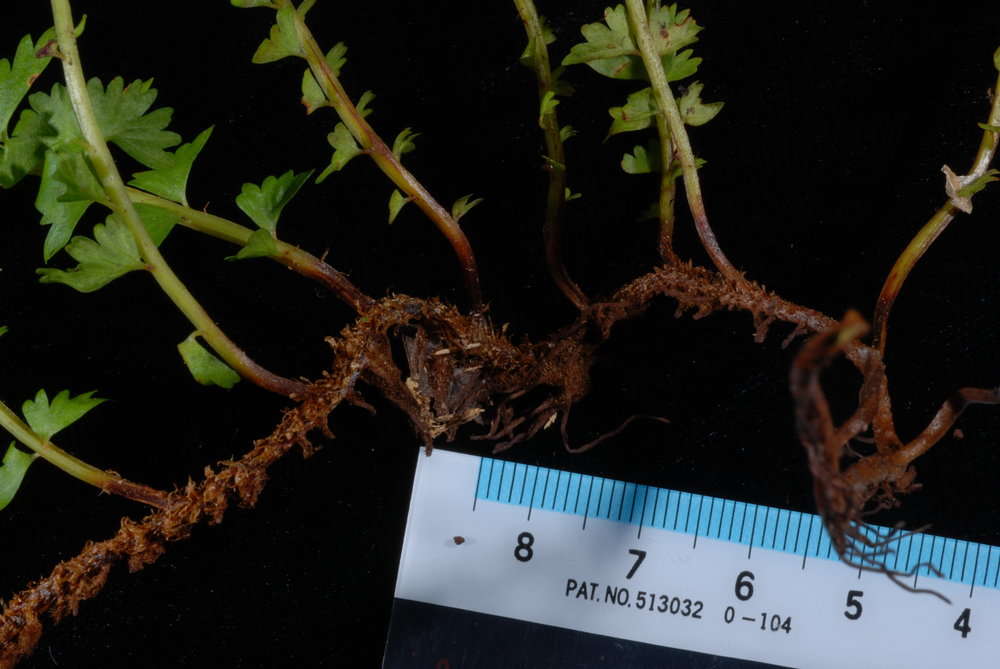
Lindsaeaceae is a pantropical family of ferns in the order Polypodiales. It contains six or seven genera with about 220 known species, some of which also extend into the more temperate regions of eastern Asia, New Zealand, and South America.
Lomariopsidaceae
The Lomariopsidaceae is a family of ferns with a largely tropical distribution. In the Pteridophyte Phylogeny Group classification of 2016 (PPG I), the family is placed in the suborder Polypodiineae (eupolypods I) of the order Polypodiales. Alternatively, it may be treated as the subfamily Lomariopsidoideae of a very broadly defined family Polypodiaceae sensu lato.

Cystopteridaceae
Cystopteridaceae is a family of ferns in the order Polypodiales. In the Pteridophyte Phylogeny Group classification of 2016 (PPG I), the family is placed in the suborder Aspleniineae of the order Polypodiales, and includes three genera. Alternatively, it may be treated as the subfamily Cystopteridoideae of a very broadly defined family Aspleniaceae.

Athyriaceae
The Athyriaceae (ladyferns and allies) are a family of terrestrial ferns in the order Polypodiales. In the Pteridophyte Phylogeny Group classification of 2016 (PPG I), the family is placed in the suborder Aspleniineae, and includes two genera. Alternatively, it may be treated as the subfamily Athyrioideae of a very broadly defined family Aspleniaceae. The family has a cosmopolitan distribution.

Gleicheniaceae
The forked ferns are the family Gleicheniaceae, which includes eight genera and about 160 known species. The formerly independent families Dicranopteridaceae and Stromatopteridaceae are generally included in the Gleicheniaceae, whereas the Dipteridaceae and Matoniaceae, although closely related, are considered separate families by most authors.
Schizaeaceae
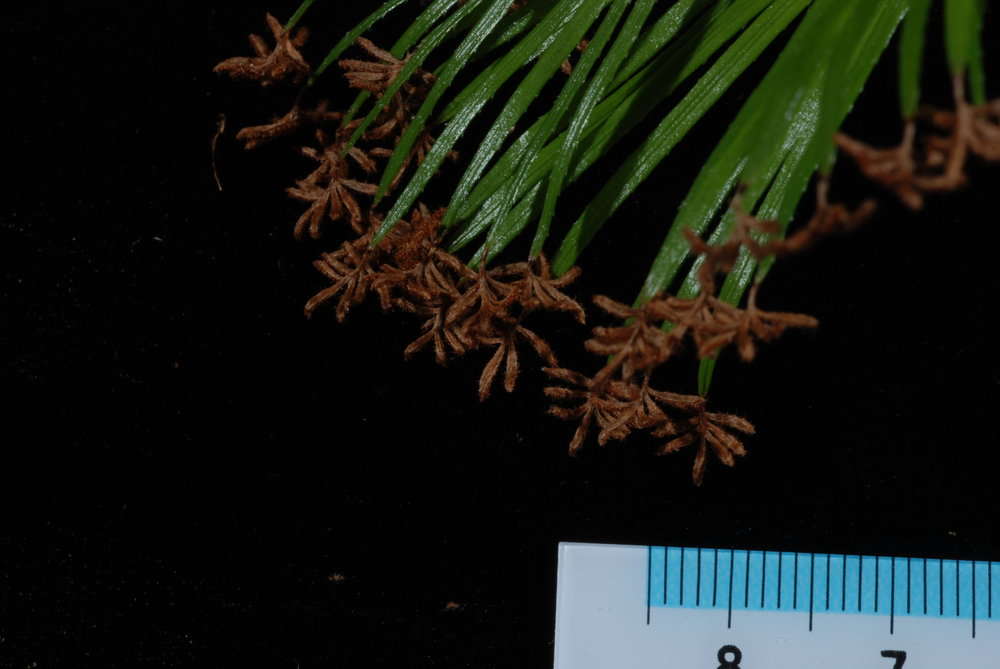
Schizaeaceae is a family of ferns in the order Schizaeales. In the Pteridophyte Phylogeny Group classification of 2016 (PPG I), it includes only two genera. Alternatively, two families kept separate in PPG I, Lygodiaceae and Anemiaceae, may be included in Schizaeaceae (as the subfamilies Lygodioideae and Anemioideae) so that the family has four genera. In this approach, the Schizaeaceae of PPG I is treated as the subfamily Schizaeoideae.
Loxsomataceae
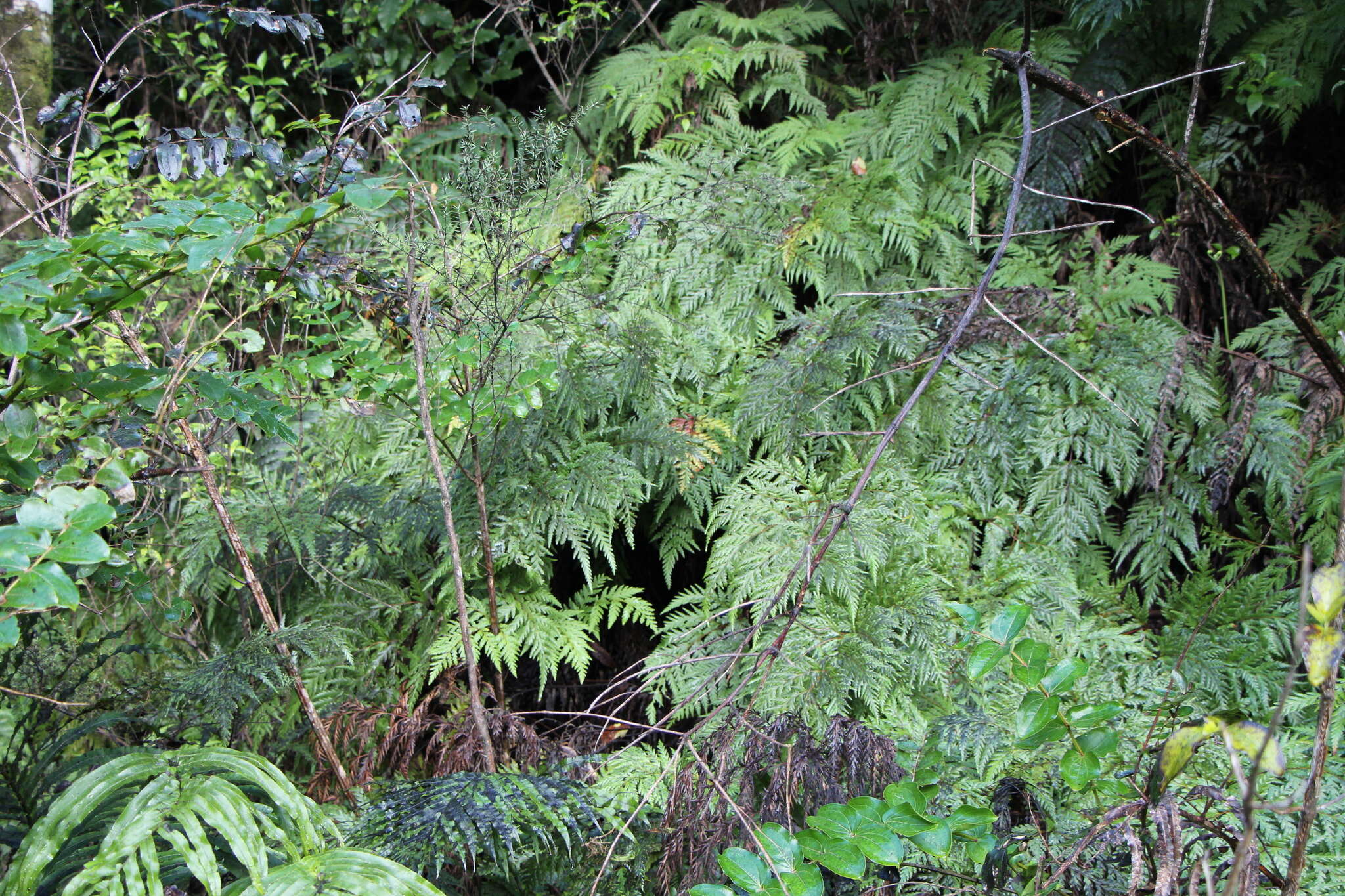
The Loxsomataceae are a family of ferns in the order Cyatheales with two extant genera in the Pteridophyte Phylogeny Group classification of 2016 (PPG I). Alternatively, the family may be treated as the subfamily Loxsomatoideae of a very broadly defined family Cyatheaceae, the system used in Plants of the World Online .
Dipteridaceae
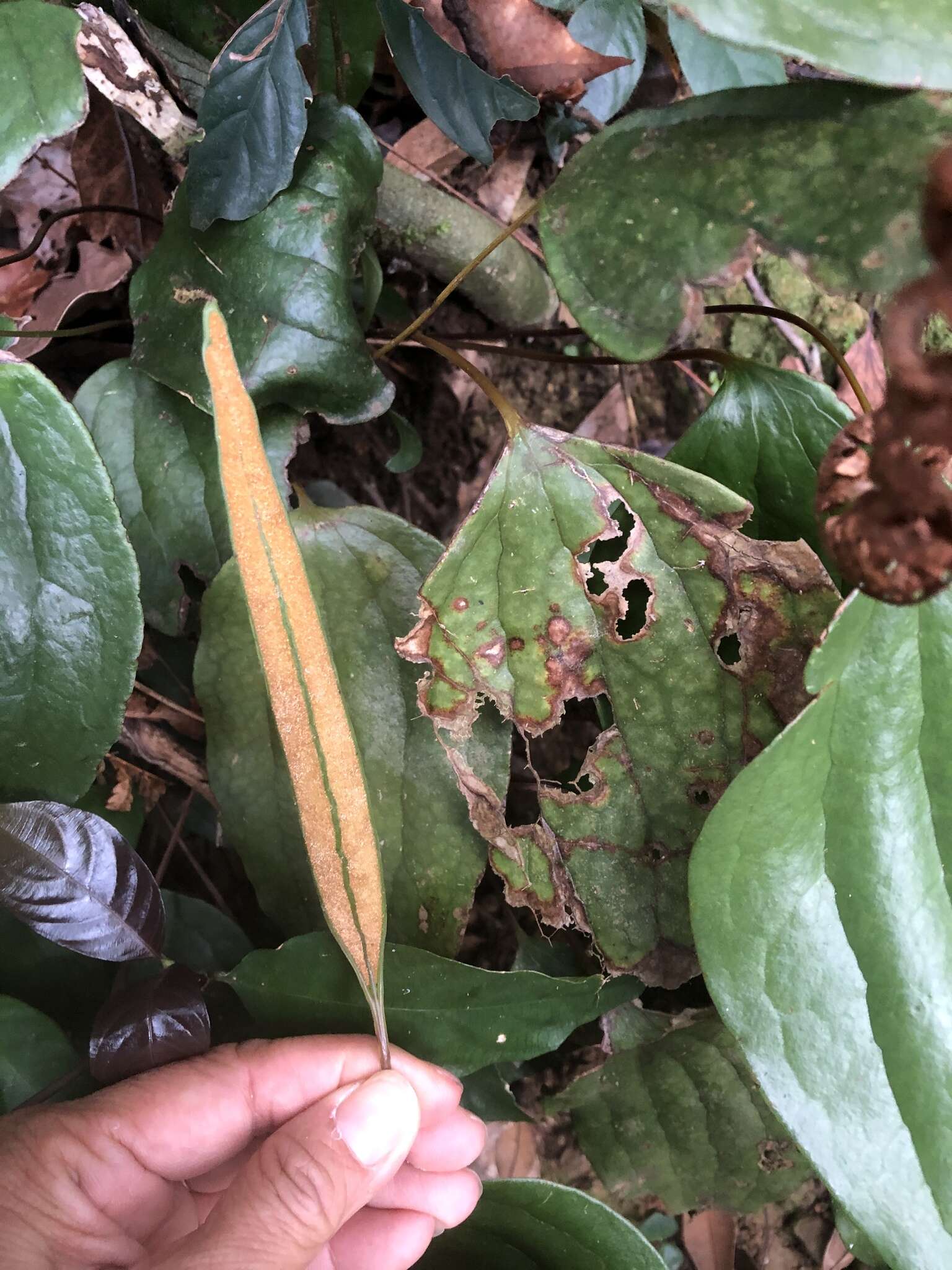
The Dipteridaceae is a family of ferns in the order Gleicheniales of the class Polypodiopsida. They are commonly known as umbrella ferns and contain two genera, Cheiropleuria and Dipteris, with a total of nine species confined to Asia, New Guinea and northern Australia While currently a small family, they were much more abundant in the Mesozoic era, with the oldest fossils being known from the Middle Triassic of Italy, Australia and Argentina. Seven fossil genera are recognised, including Hausmannia, Clathropteris, Dictyophyllum, Thaumatopteris, Camptopteris, and Polyphacelus.

Matoniaceae
Matoniaceae is one of the three families of ferns in the Gleicheniales order of the Polypodiopsida class. Fossil records reveal that Matoniaceae ferns were abundant during the Mesozoic era (about 250-million to 66-million years ago), during which they lived on every continent, including Antarctica, with eight genera and 26 species, with the oldest known specimens being from the Middle Triassic of Antarctica. Today the family is much less abundant, and also less diverse, with only two extant genera and four species, which are limited to portions of southeastern Asia.

Tectariaceae
Tectariaceae is a family of leptosporangiate ferns in the order Polypodiales. In the Pteridophyte Phylogeny Group classification of 2016 (PPG I), the family is placed in the suborder Polypodiineae. Alternatively, it may be treated as the subfamily Tectarioideae of a very broadly defined family Polypodiaceae sensu lato. The family comprises seven genera, of which Tectaria is by far the largest.

Calamitaceae
Calamitaceae is an extinct family of equisetalean plants related to the modern horsetails, known from the Carboniferous and Permian periods. Some members of this family like Arthropitys attained tree-like stature, with heights over , with extensive underground rhizomes. They were largely found in wetland environments.

Saccolomataceae
Saccolomataceae is a family of ferns in the order Polypodiales with about 19 species. It has been formerly treated as part of the Dennstaedtiaceae, however it has been classified as its own family according to Smith et al. (2006) The genus Saccoloma has been classified to include Orthiopteris, but the phylogeny of the group not yet fully understood. The family includes a dozen known species.
Hypodematiaceae
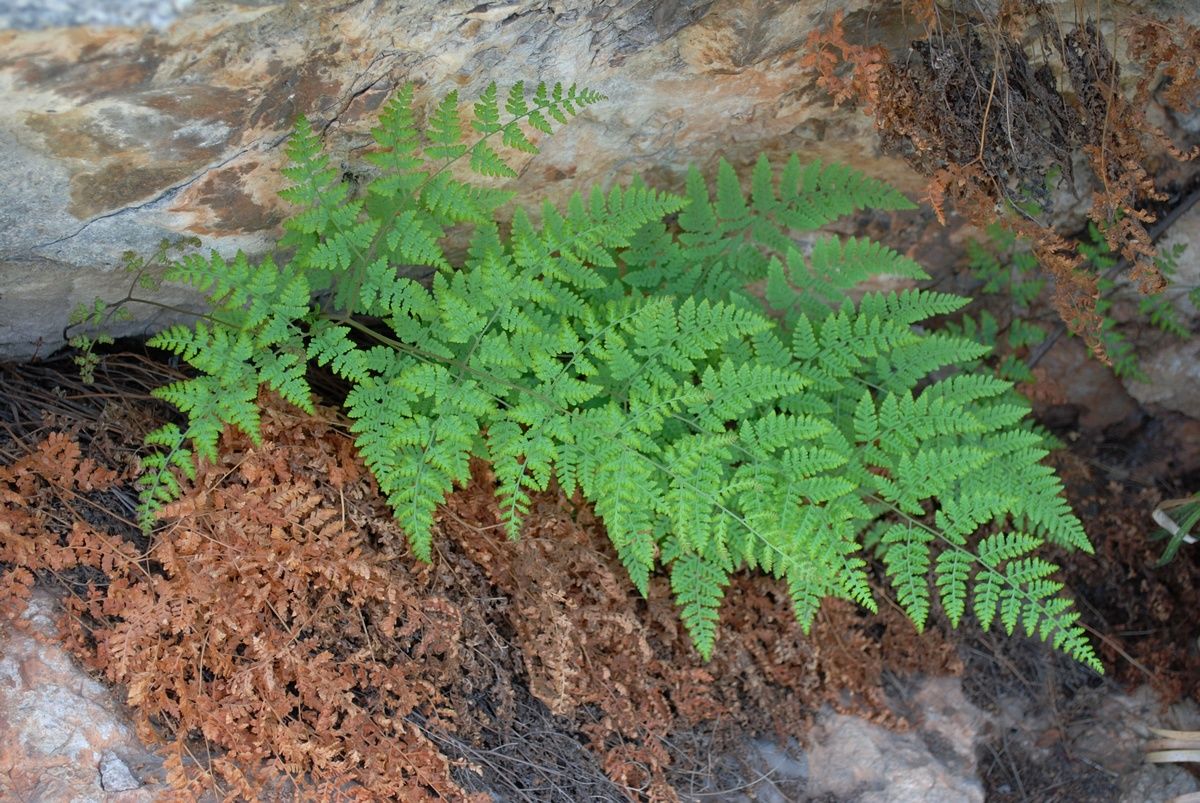
Hypodematiaceae is a family of ferns in the order Polypodiales. In the Pteridophyte Phylogeny Group classification of 2016 (PPG I), the family is placed in the suborder Polypodiineae. Alternatively, it may be treated as the subfamily Hypodematioideae of a very broadly defined family Polypodiaceae sensu lato. The family consists of two, or in some versions three, small genera.
Diplaziopsidaceae
Diplaziopsidaceae is a family of ferns in the order Polypodiales. In the Pteridophyte Phylogeny Group classification of 2016 (PPG I), the family is placed in the suborder Aspleniineae, and includes two genera. Alternatively, it may be treated as the subfamily Diplaziopsidoideae of a broadly defined family Aspleniaceae.