Category
page 1Fiber plants

banana
A banana is an elongated, edible fruit—botanically a berry—produced by several kinds of large treelike herbaceous flowering plants in the genus Musa. In some countries, cooking bananas are called plantains, distinguishing them from dessert bananas. The fruit is variable in size, color and firmness, but is usually elongated and curved, with soft flesh rich in starch covered with a peel, which may have a variety of colors when ripe. It grows upward in clusters near the top of the plant. Almost all modern edible seedless (parthenocarp) cultivated bananas come from two wild species – Musa acuminat
%20READY%20FOR%20HARVEST.jpg)
cotton
Cotton (from Arabic qutn) is a soft, fluffy staple fiber that grows in a boll, or protective case, around the seeds of the cotton plants of the genus Gossypium in the mallow family Malvaceae. The fiber is almost pure cellulose and may contain minor percentages of waxes, fats, pectins, and water. Under natural conditions, cotton bolls facilitate the dispersal of the seeds.
soybean
The soybean, soy bean, or soya bean (Glycine max) is a species of legume native to East Asia, widely grown for its edible bean. Soy is a staple crop, the world's most grown legume, and an important animal feed.
.JPG)
Abelmoschus esculentus
Okra (, ), Abelmoschus esculentus, known in some English-speaking countries as '''lady's fingers''', is a flowering plant in the mallow family native to East Africa. Cultivated in tropical, subtropical, and warm temperate regions around the world for its edible green (red in some cultivars) seed pods, okra is used in the cuisines of many countries.

Linum usitatissimum
Flax, also known as common flax or linseed, is a flowering plant, Linum usitatissimum, in the family Linaceae. It is cultivated as a food and fiber crop in regions of the world with temperate climates.

Gossypium
Gossypium () is a genus of flowering plants in the tribe Gossypieae of the mallow family, Malvaceae, from which cotton is harvested. It is native to tropical and subtropical regions of the Old and New Worlds. There are about 50 Gossypium species, making it the largest genus in the tribe Gossypieae, and new species continue to be discovered. The name of the genus is derived from the Arabic word goz, which refers to a soft substance.

Urtica dioica
species of plant

Ceiba pentandra
species of plant

Cyperus papyrus
species of aquatic flowering plant
.jpg)
Yucca
Yucca ( ) is both the scientific name and common name for a genus native to North America from Panama to southern Canada. It contains 50 accepted species. In addition to yucca, they are also known as '''Adam's needle or Spanish-bayonet'. The genus is generally classified in the asparagus family in a subfamily with the Agave'', though historically it was part of the lily family. The species range from small shrubby plants to tree-like giants, such as the Joshua tree. All yuccas have rosettes of leaves that taper to points and inflorescences with many flowers that are mainly cream white with thi
.jpg)
sisal
Sisal (, ; Agave sisalana) is a species of flowering plant native to southern Mexico, but widely cultivated and naturalized in many other countries. It yields a stiff fibre used in making rope and various other products. The sisal fiber is traditionally used for rope and twine, and has many other uses, including cloth, footwear, hats, bags, carpets, geotextiles, and dartboards. It is also used as fiber reinforcements for composite fiberglass, rubber, and concrete products. Like other agaves, the pith of the leaves can be fermented and distilled to make mezcal.

Hibiscus sabdariffa
species of plant, Roselle

Agave americana
species of plant

Musa textilis
Abacá ( ; ), also known as Manila hemp, is a species of banana, Musa textilis, endemic to the Philippines. The plant grows to , and averages about . The plant has great economic importance, being harvested for its fiber extracted from the leaf-stems.
Broussonetia papyrifera
species of plant

Boehmeria nivea
species of plant

Luffa aegyptiaca
species of plant

Asimina triloba
species of plant

Sansevieria
thumb|Sansevieria ehrenbergii in habitat.
Sansevieria is a historically recognized genus of flowering plants, native to Africa, notably Madagascar, and southern Asia, now included in the genus Dracaena on the basis of molecular phylogenetic studies. Common names for the 70 or so species formerly placed in the genus include '''mother-in-law's tongue, devil's tongue, jinn's tongue, bow string hemp, snake plant and snake tongue'. In the APG III classification system, Dracaena'' is placed in the family Asparagaceae, subfamily Convallarioideae (formerly subfamily Nolinoideae); before that it was pl

industrial hemp
thumb|A hemp field in Côtes-d'Armor, Brittany, France, which is Europe's largest hemp producer as of 2022

Corchorus
Corchorus is a genus of about 40–100 species of flowering plants in the family Malvaceae, native to tropical and subtropical regions throughout the world.

Hibiscus cannabinus
Kenaf [etymology: Persian], Hibiscus cannabinus, is a plant in the family Malvaceae also called Deccan hemp and Java jute. Hibiscus cannabinus is in the genus Hibiscus and is native to Africa, though its exact origin is unknown. The name also applies to the fibre obtained from this plant. Kenaf is one of the allied fibres of jute and shows similar characteristics.
%20(5661614812).jpg)
rattan
thumbnail|Calamus thwaitesii in southwestern [[India]]
thumb|Juvenile Calamus oblongus subsp. mollis in a forest [[understory in the Philippines]]

coir
right|thumb|A close-up view of coir fibre
right|thumb|Segregation of coir fibre
Coir (), also called coconut fibre, is a natural fibre extracted from the outer husk of coconut, used in products such as floor mats, doormats, brushes, and mattresses, as well as horticulturally in potting mixes and soil amendments. In some countries it is locally called coprah (not to be confused with copra, a dry coconut meat). Coir is the fibrous material found between the hard, internal shell and the outer coat of a coconut. Brown coir, made from ripe coconut, is further used in upholstery padding, sacking, an

Gossypium herbaceum
species of plant

Phormium tenax
species of plant

Musa basjoo
species of plant

Gossypium hirsutum
species of plant

Gossypium barbadense
species of plant

Mulukhiyah
Mulukhiyah (Arabic: ملوخية, romanized: mulūkhiyyah), also known as mulukhiyya , molokhiyya, melokhiyya, molohiya or ewédú, is a type of jute plant and a dish made from the leaves of Corchorus olitorius, commonly known in English as jute, '''Jew's-mallow, nalta jute, or tossa jute'. It is used as a vegetable and is mainly eaten in Egypt, the Levant (Lebanon, Syria, Palestine, Jordan and Israel), Sudan, Cyprus, Libya, Tunisia, Nigeria, and Algeria. It is called saluyot in the Philippines. Mulukhiyah'' is rather bitter, and when boiled, the resulting liquid is a thick, highly mucilaginous broth;

Gossypium arboreum
species of plant

Agave fourcroydes
species of plant

Apocynum cannabinum
species of plant
bast fibre
fibre obtained from the phloem tissues of many plants, used for textiles, rope, and paper

Yucca glauca
species of plant
fiber plant
plant grown for fiber

Crotalaria juncea
species of plant

Yucca schidigera
species of plant

Linum bienne
species of plant
tapa cloth
barkcloth made in the island cultures of the Pacific Ocean

Apocynum venetum
species of plant

piña
Piña ( ) is a traditional Philippine fiber made from the leaves of the pineapple plant. Pineapples are indigenous to South America but have been widely cultivated in the Philippines since the 17th century, and used for weaving lustrous lace-like luxury textiles known as nipis fabric. The name is derived from Spanish piña, meaning "pineapple".

Salix exigua
species of plant

Castilla
genus of plants

Sansevieria ehrenbergii
species of plant
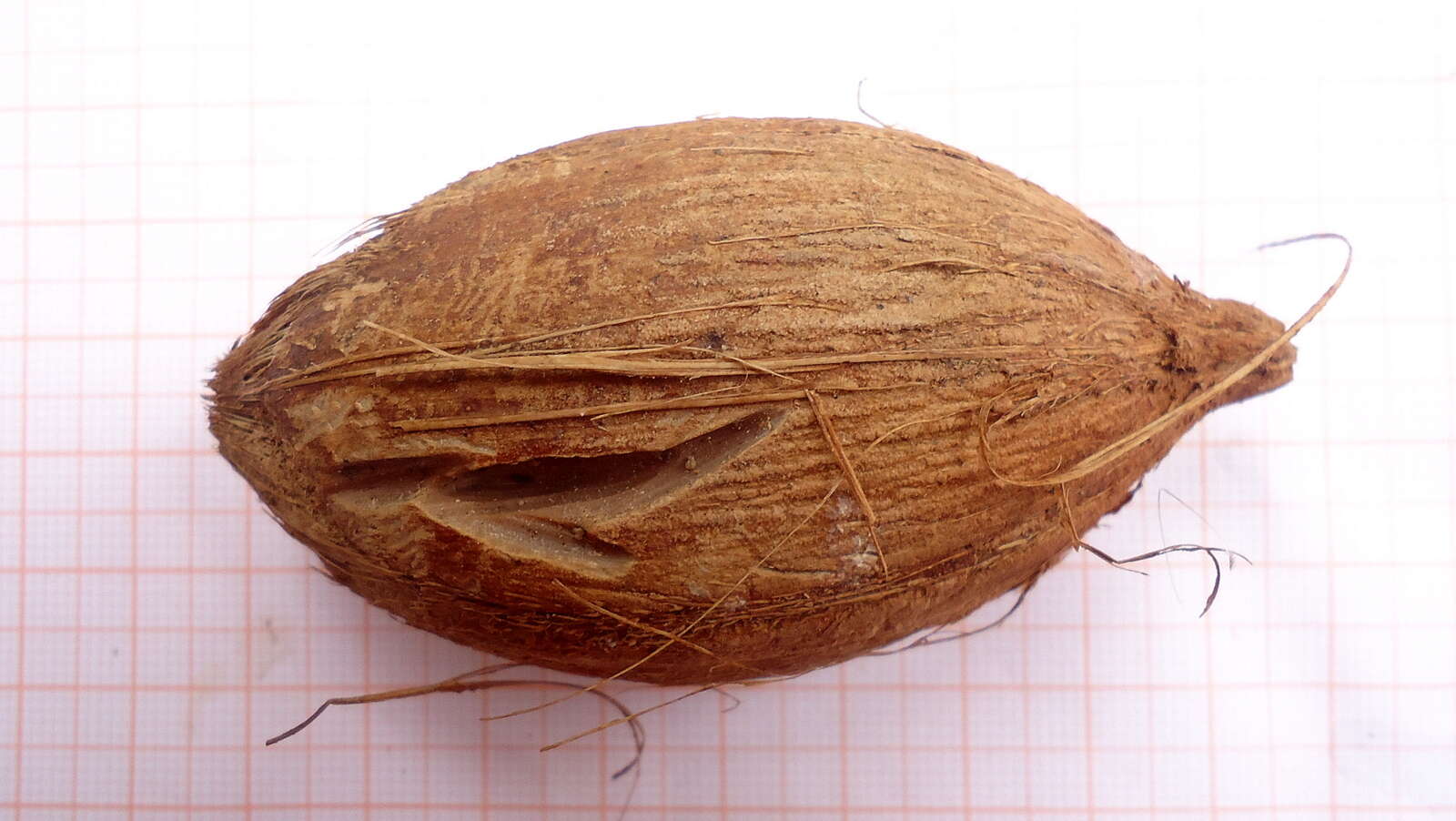
Attalea funifera
species of plant
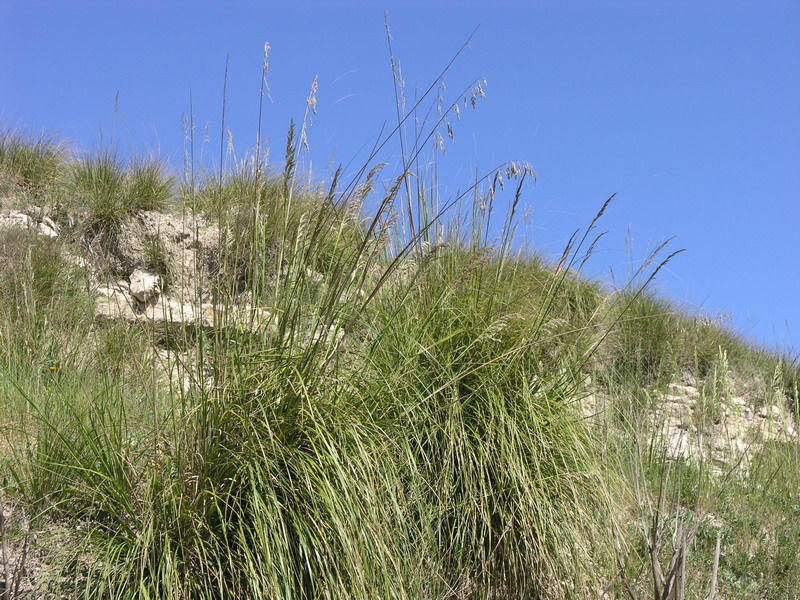
Ampelodesmos
Ampelodesmos is a genus of Mediterranean plants in the grass family, which is known by the common names stramma, Mauritania grass, rope grass, and dis(s) grass. It is classified in its own tribe Ampelodesmeae within the grass subfamily Pooideae.

hemp hurds
thumb|Raw hemp shives
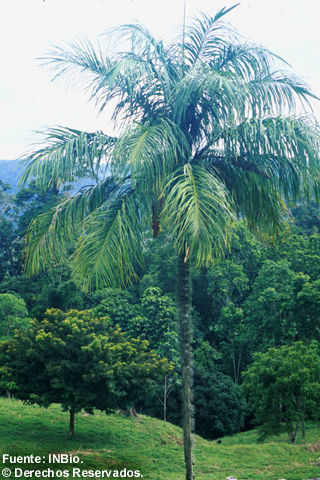
Astrocaryum standleyanum
species of plant

Freycinetia banksii
species of plant

Ichnocarpus frutescens
species of flowering plant

Lygeum
thumb|right|Lygeum spartum MHNT

Neoglaziovia
thumb|Neoglaziovia variegata in bloom.
Neoglaziovia is a genus in the plant family Bromeliaceae, subfamily Bromelioideae.
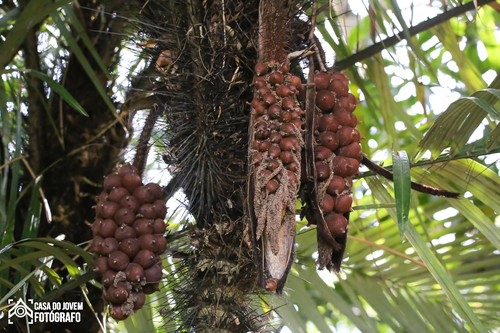
Astrocaryum aculeatissimum
species of plant

Asclepias subverticillata
species of plant

Sesbania bispinosa
species of plant

Rhus trilobata
species of plant

Linum strictum
species of plant

Pueraria thomsonii
thumb|300px|Kudzu smothering trees in Atlanta, Georgia, US

Iris macrosiphon
species of plant