Category
page 1Flora of the Afrotropical realm

Cocos nucifera
The coconut (Cocos nucifera) is a member of the palm family (Arecaceae) and the only living species of the genus Cocos. The term "coconut" (or the archaic "cocoanut") can denote the whole coconut palm tree or the large hard fruit. Originally native to Central Indo-Pacific, they are ubiquitous in coastal tropical regions.
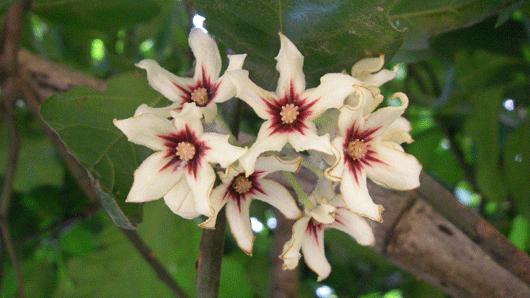
Cola
genus of plants
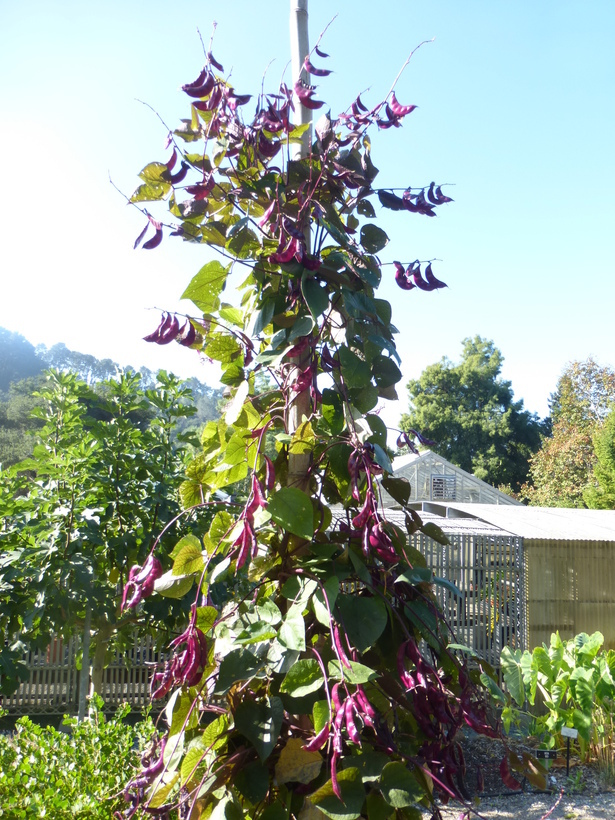
Lablab purpureus
thumb|Lablab purpureus, illustration from the Japanese agricultural encyclopedia Seikei Zusetsu (1804)Lablab purpureus is a species of bean in the family Fabaceae. It is native to sub-Saharan Africa and it is cultivated throughout the tropics for food. English language common names include hyacinth bean, lablab-bean bonavist bean/pea, dolichos bean, seim or sem bean, lablab bean, Egyptian kidney bean, Indian bean, bataw and Australian pea. Lablab is a monotypic genus.

Freesia
Freesia is a genus of herbaceous perennial flowering plants in the family Iridaceae, first described as a genus in 1866 by Christian Friedrich Ecklon (1886) and named after the German botanist and medical practitioner, Friedrich Freese (1795–1876). It is native to the eastern side of southern Africa, from Kenya south to South Africa, most species being found in Cape Provinces. Species of the former genus Anomatheca are now included in Freesia. The plants commonly known as "freesias", with fragrant funnel-shaped flowers, are cultivated hybrids of a number of Freesia species. Some other species

Protea
Protea () is a genus of South African flowering plants, also called sugarbushes (Afrikaans: suikerbos). It is the type genus of the Proteaceae family.
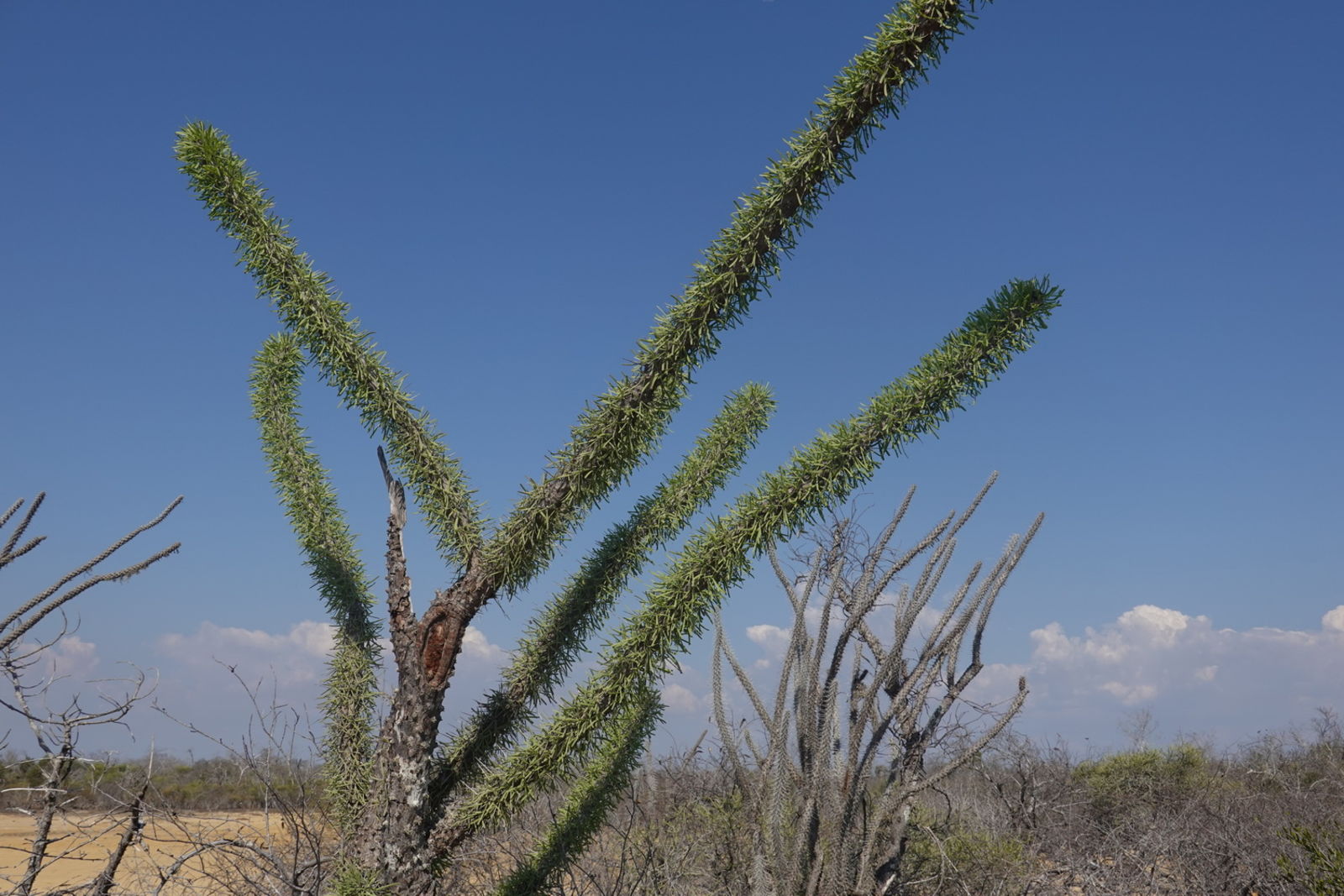
Didiereaceae
Didiereaceae is a family of flowering plants found in continental Africa and Madagascar.
It contains 20 species classified in three subfamilies and six genera. Species of the family are succulent plants, growing in sub-arid to arid habitats. Several are known as ornamental plants in specialist succulent collections. The subfamily Didiereoideae is endemic to the southwest of Madagascar, where the species are characteristic elements of the spiny thickets.
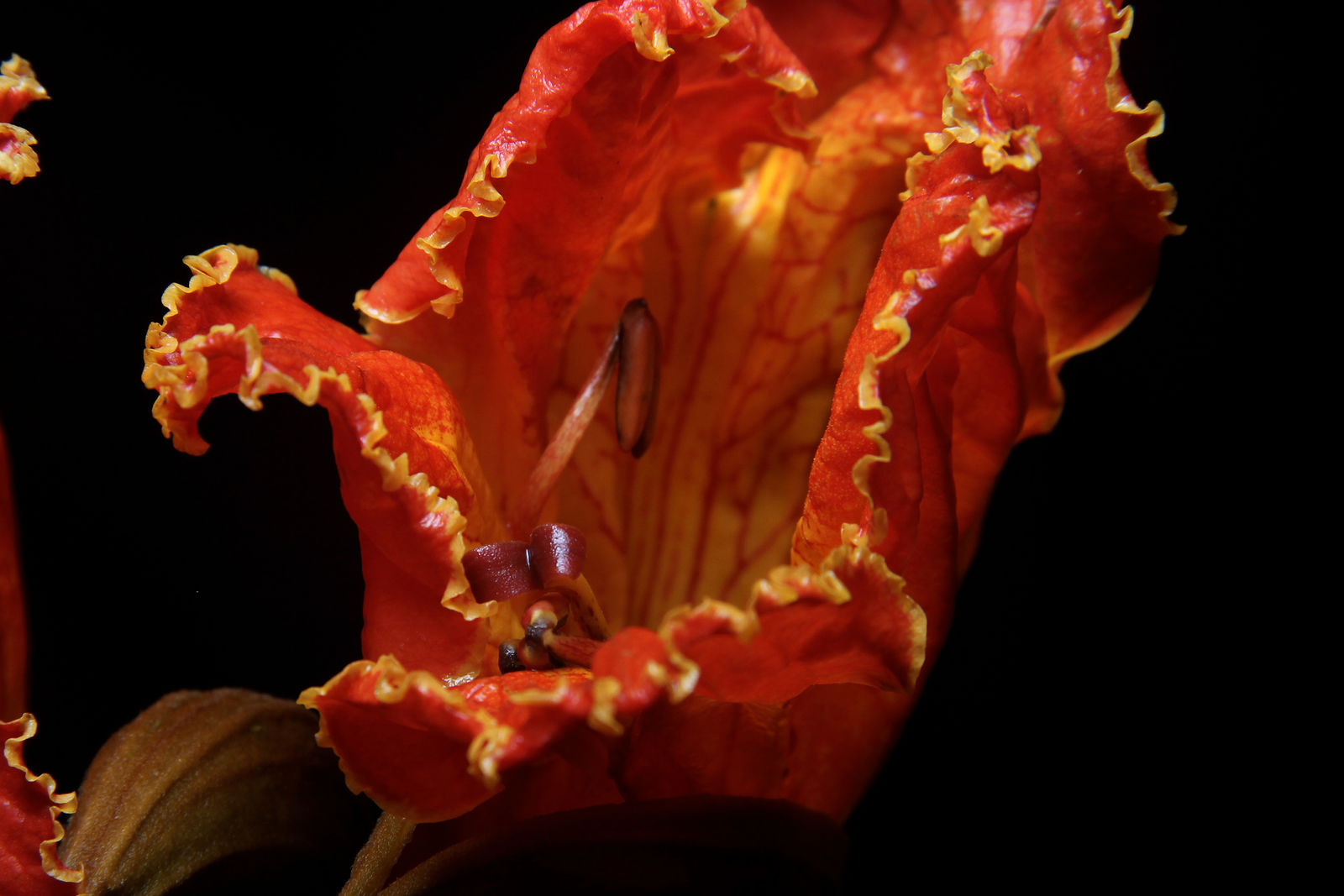
Spathodea campanulata
species of plant
Montiniaceae
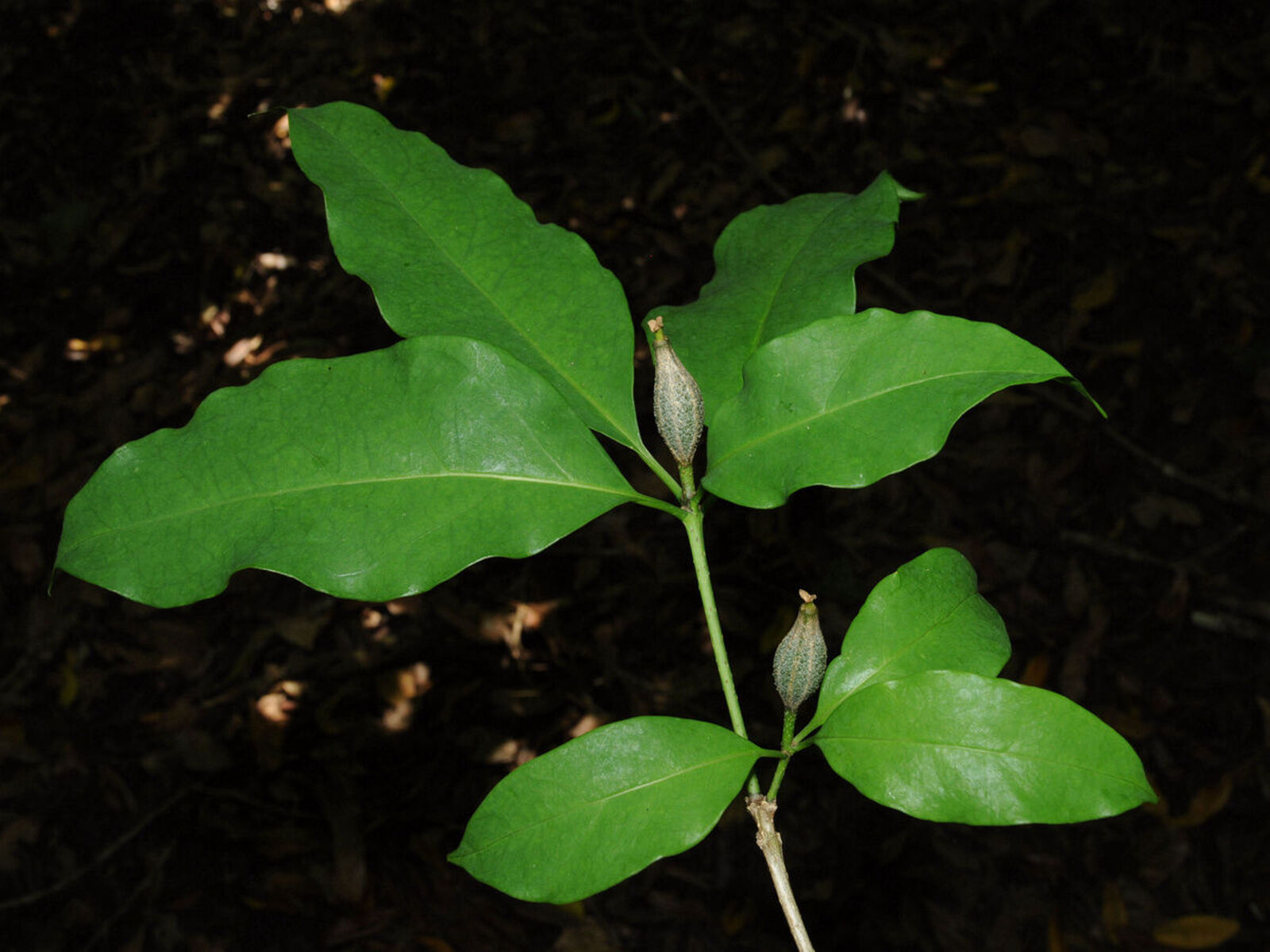
Montiniaceae is a family of flowering plants. It includes two or three genera of shrubs and small trees, native to southwest Africa and tropical East Africa as well as Madagascar. The genera Grevea and Montinia are included in most classification systems. The genus Kaliphora is included in the Montiniaceae in many newer classification systems, including the APG II, but other classification systems, including that of Armen Takhtajan, include Kaliphora in its own family, the Kaliphoraceae.

Kniphofia
Kniphofia (, , ) is a genus of perennial flowering plants in the family Asphodelaceae, first described as a genus in 1794. All species of Kniphofia are native to Africa. Common names include tritoma, red hot poker, torch lily and poker plant.
Crocosmia
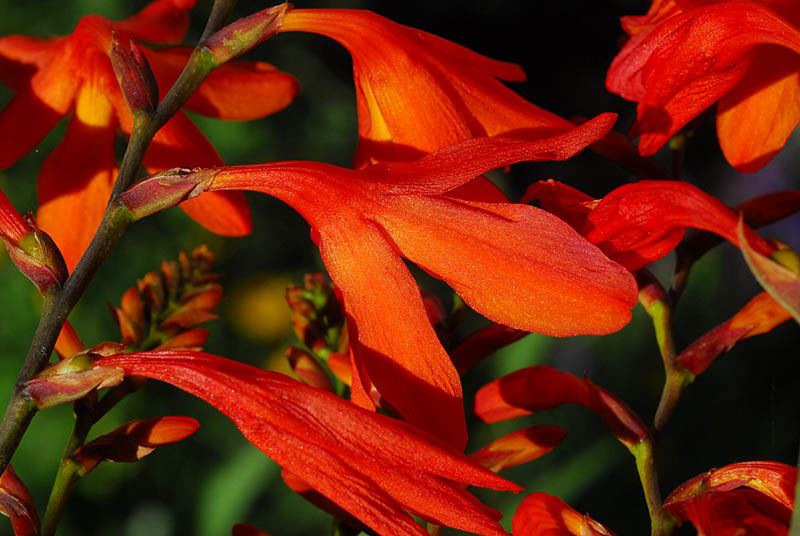
Crocosmia (), also known as montbretia (), is a small genus of flowering plants in the iris family, Iridaceae. It is native to the grasslands of southern and eastern Africa, ranging from South Africa to Sudan. One species is endemic to Madagascar.
Cineraria
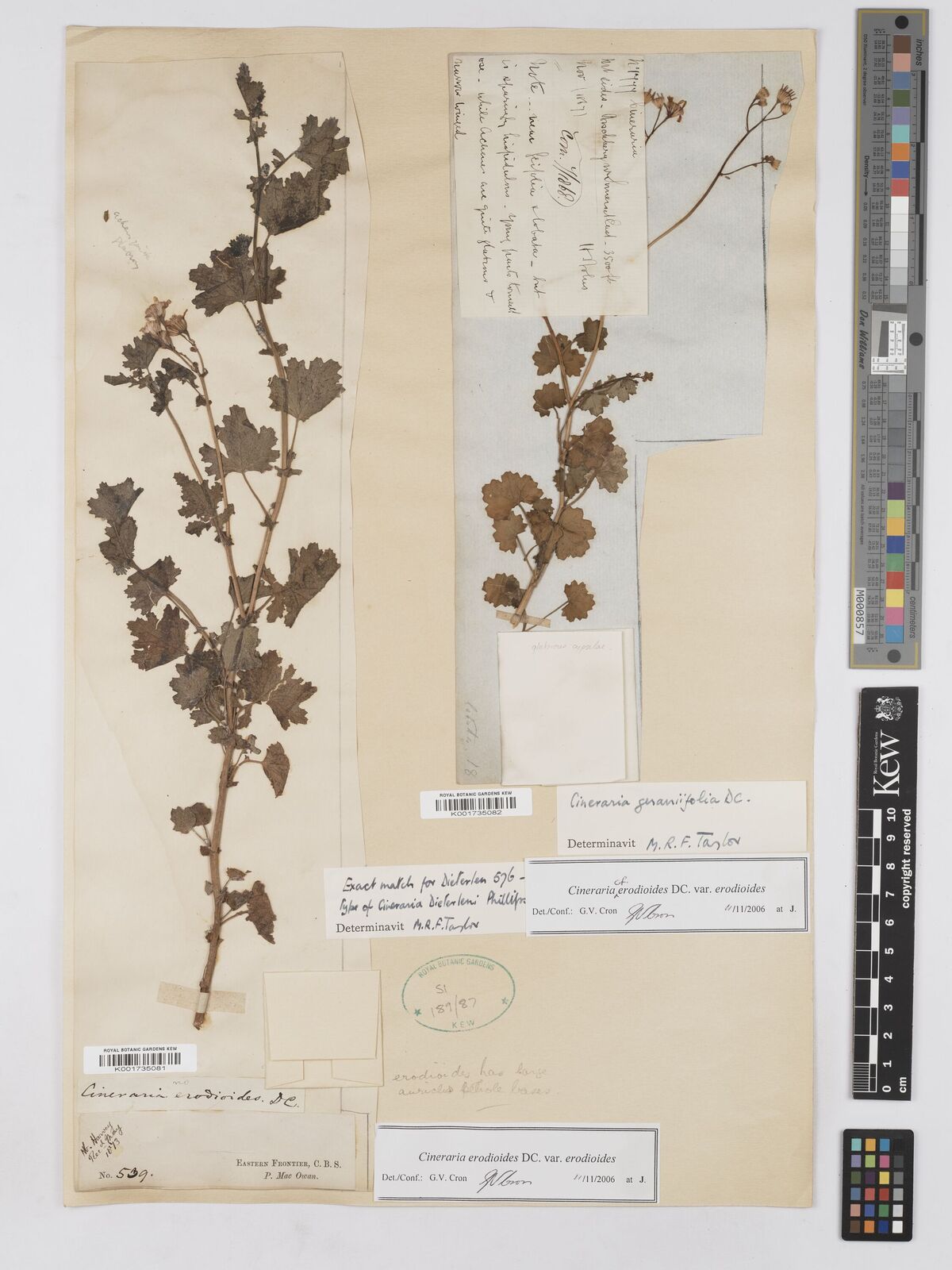
Cineraria is a genus of flowering plants in the sunflower family, native primarily to southern Africa with a few species further north. The genus includes herbaceous plants and small subshrubs.
Avicennia marina
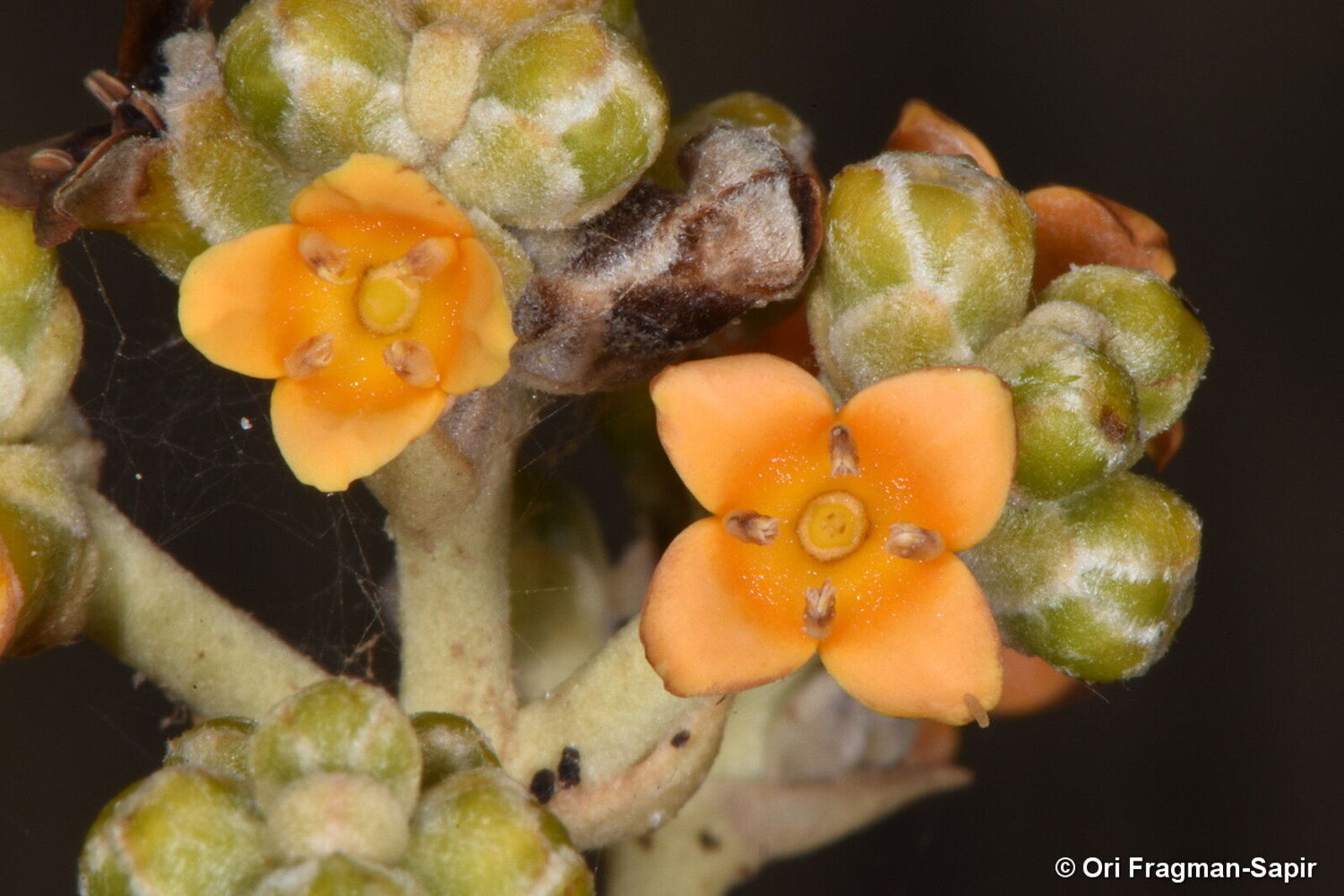
species of plant

Ocotea
Ocotea is a genus of flowering plants belonging to the family Lauraceae. Many are evergreen trees with lauroid leaves.

Ximenia americana
species of plant
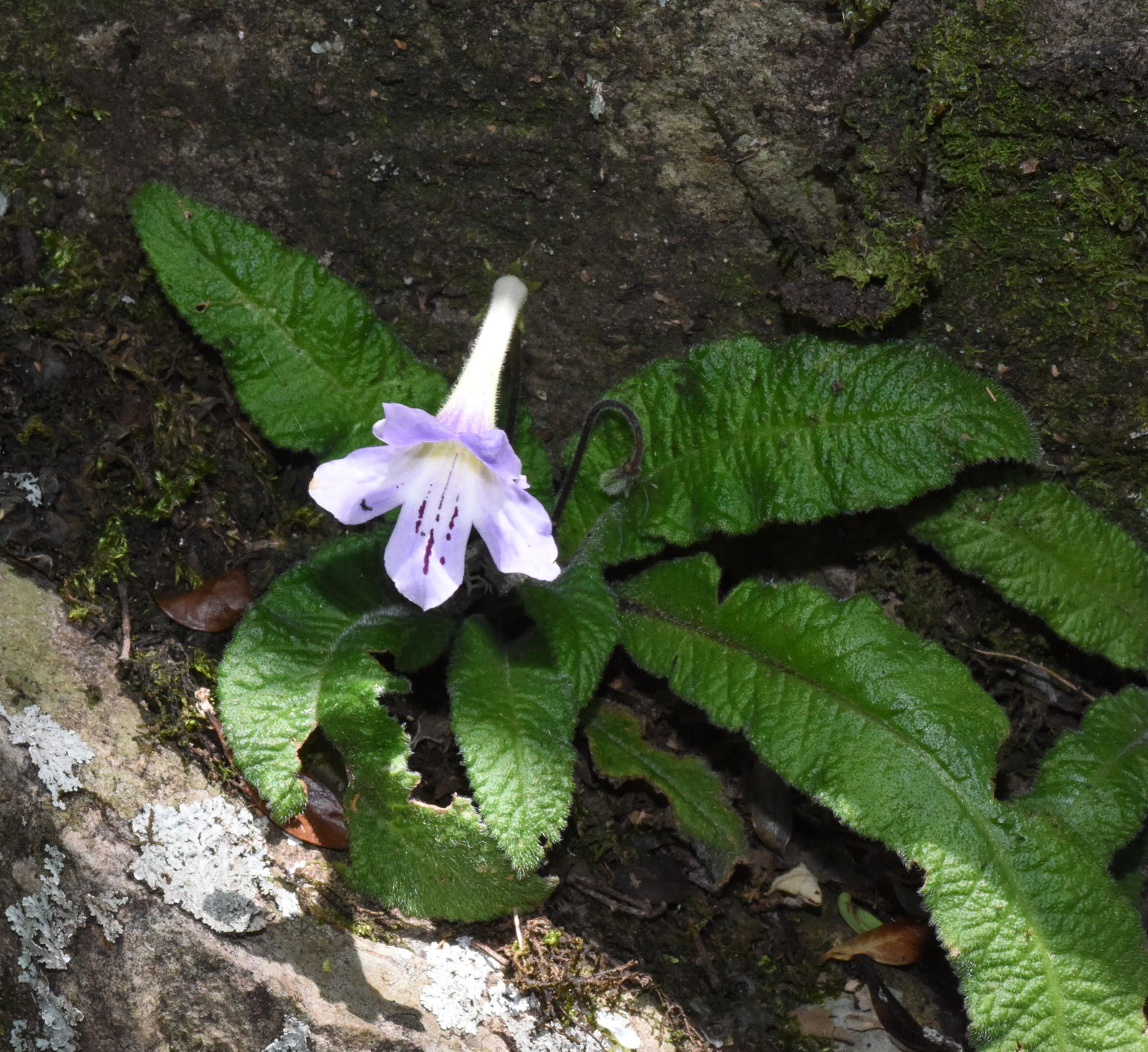
Streptocarpus
Streptocarpus ("twisted fruit" from Greek στρεπτός (streptos) "twisted" and καρπός (karpos) "fruit") is an Afrotropical genus of flowering plants in the family Gesneriaceae. The genus is native to Afromontane biotopes from central, eastern and southern Africa, including Madagascar and the Comoro Islands. The flowers are five-petalled, salverform tubes, almost orchid-like in appearance, and hover or arch over the plant, while the pointed, elongate fruit is of a helical form similar to that of the "tusk" of a narwhal. In the wild, species can be found growing on shaded rocky hillsides or cliffs,
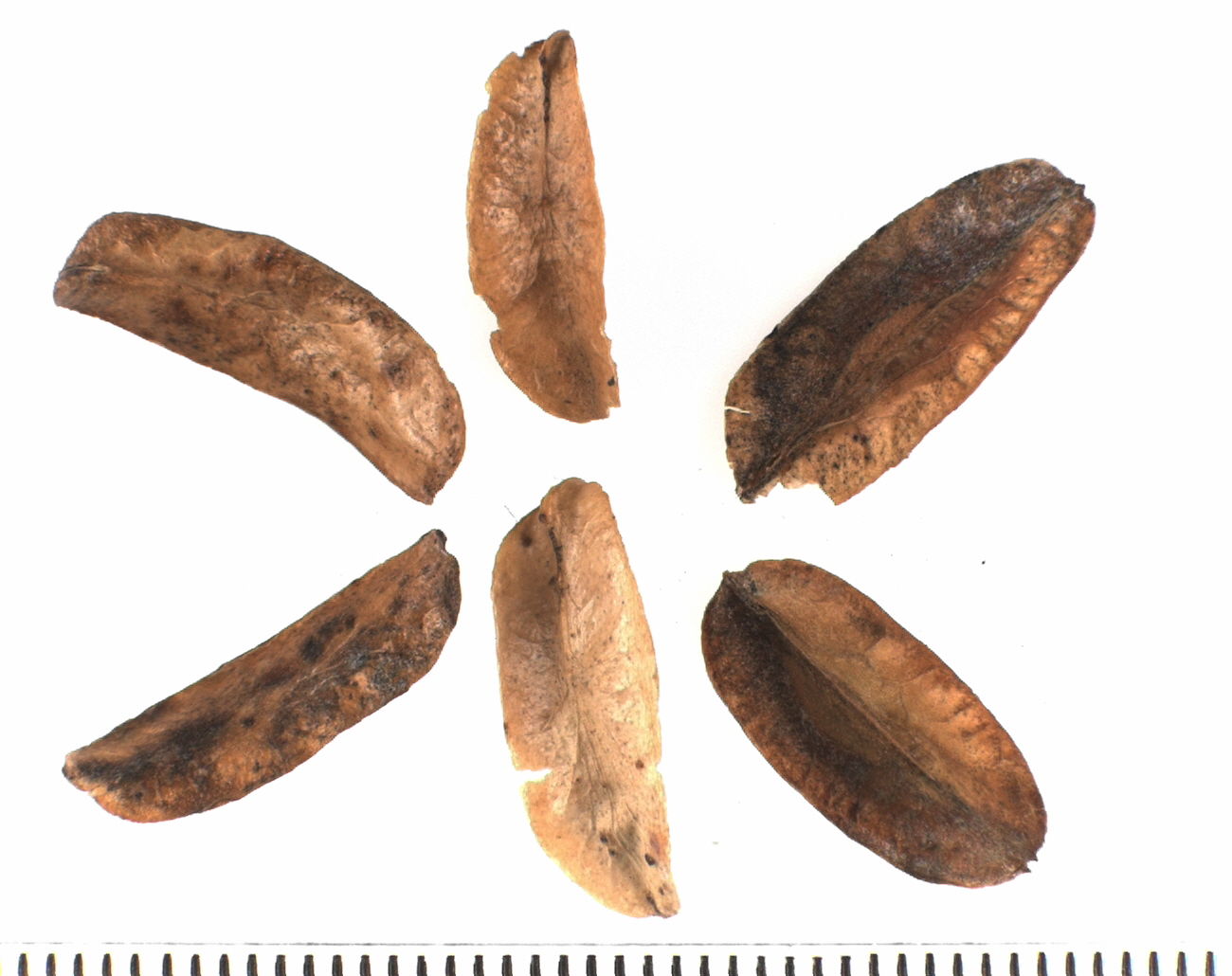
Kirkiaceae
Kirkiaceae is a family of flowering plants in the order Sapindales. It comprises one (or two) genera, Kirkia (and Pleiokirkia now included in Kirkia), totalling six species. These two genera were previously placed in family Simaroubaceae, but were transferred into their own family because they produce neither quassinoids nor limonoids. Kirkia is named for Captain John Kirk (explorer) of the famous Zambesi Expedition.
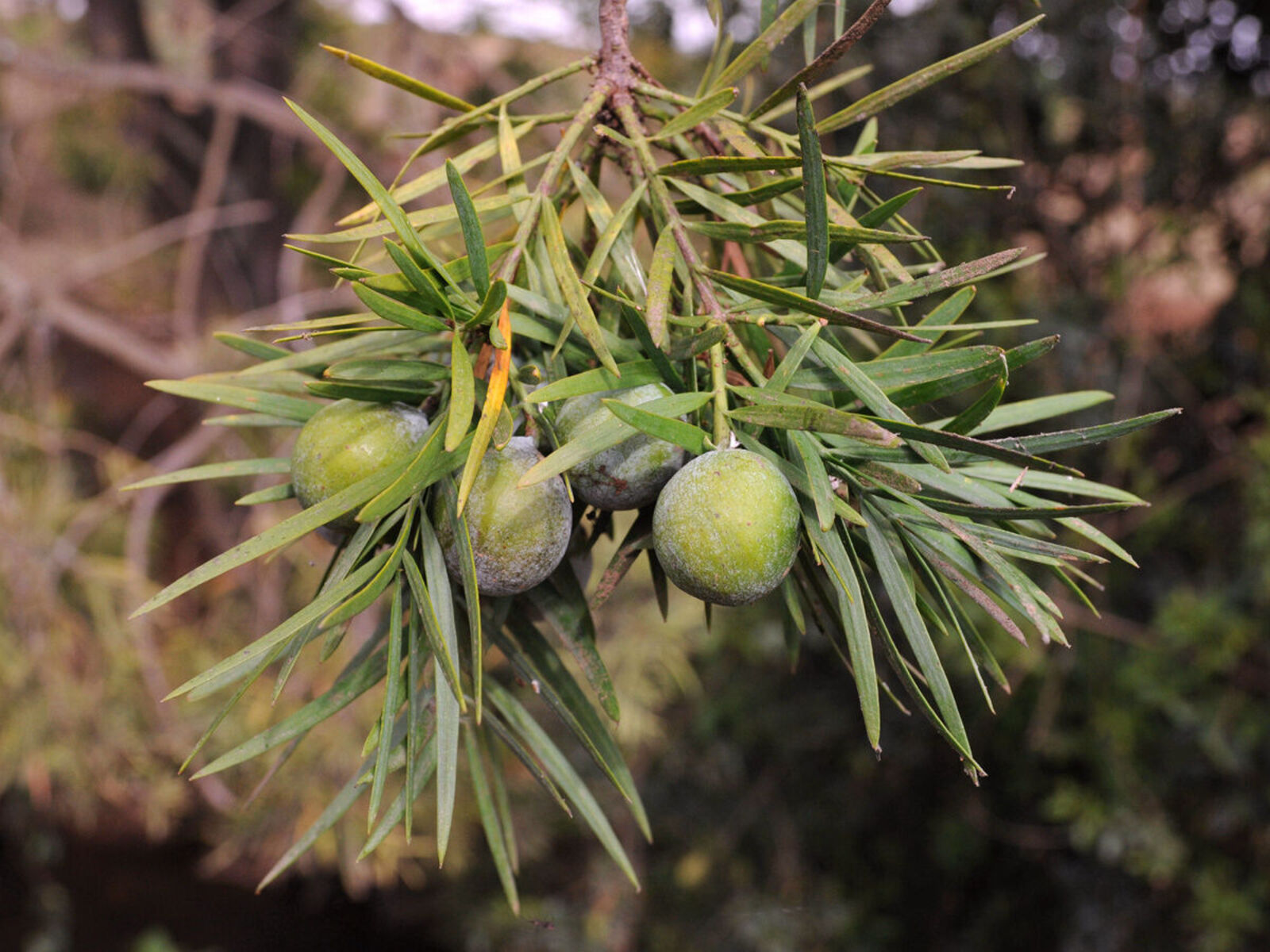
Afrocarpus
Afrocarpus is a genus of conifer of the family Podocarpaceae. Five species are recognized. They are evergreen trees native to Africa. Afrocarpus was designated a genus in 1989, when several species formerly classified in Podocarpus and Nageia were reclassified.

Annona senegalensis
species of plant
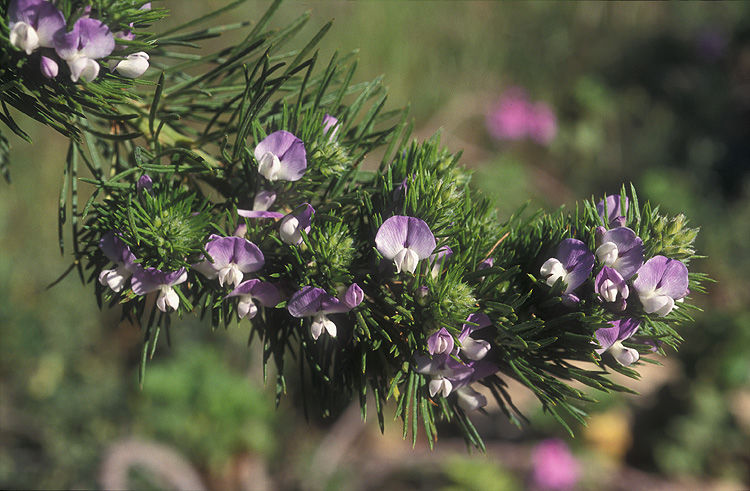
Psoralea
Psoralea is a genus in the legume family (Fabaceae) with 121 species of shrubs, trees, and herbs native to southern and eastern Africa, ranging from Kenya to South Africa. In South Africa they are commonly referred to as fountainbush (English); fonteinbos, bloukeur, or penwortel (Afrikaans); and umHlonishwa (Zulu).
Brachystegia
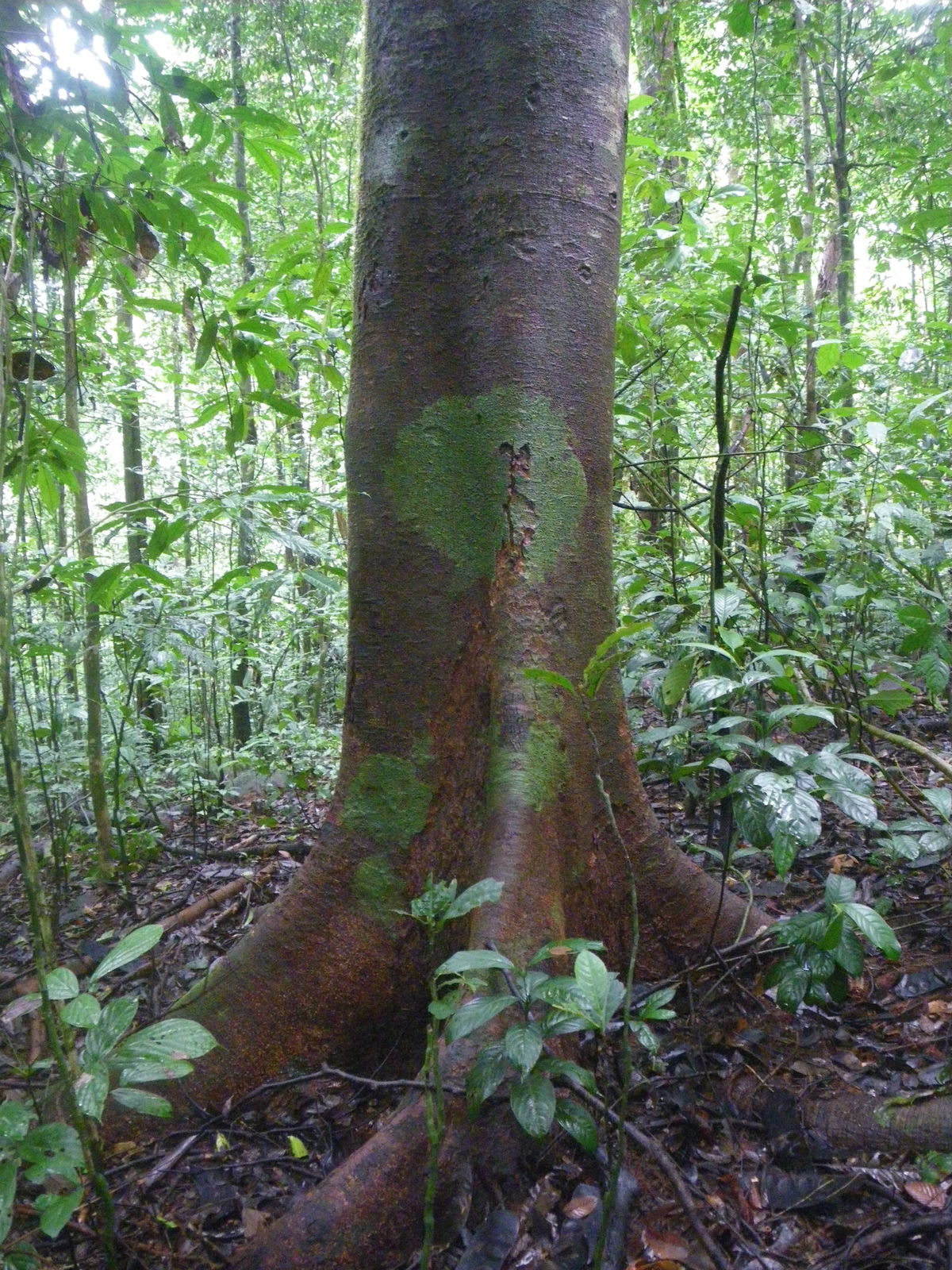
Brachystegia is a genus of tree of the subfamily Detarioideae that is native to tropical Africa.

Syzygium guineense
species of plant
Canthium
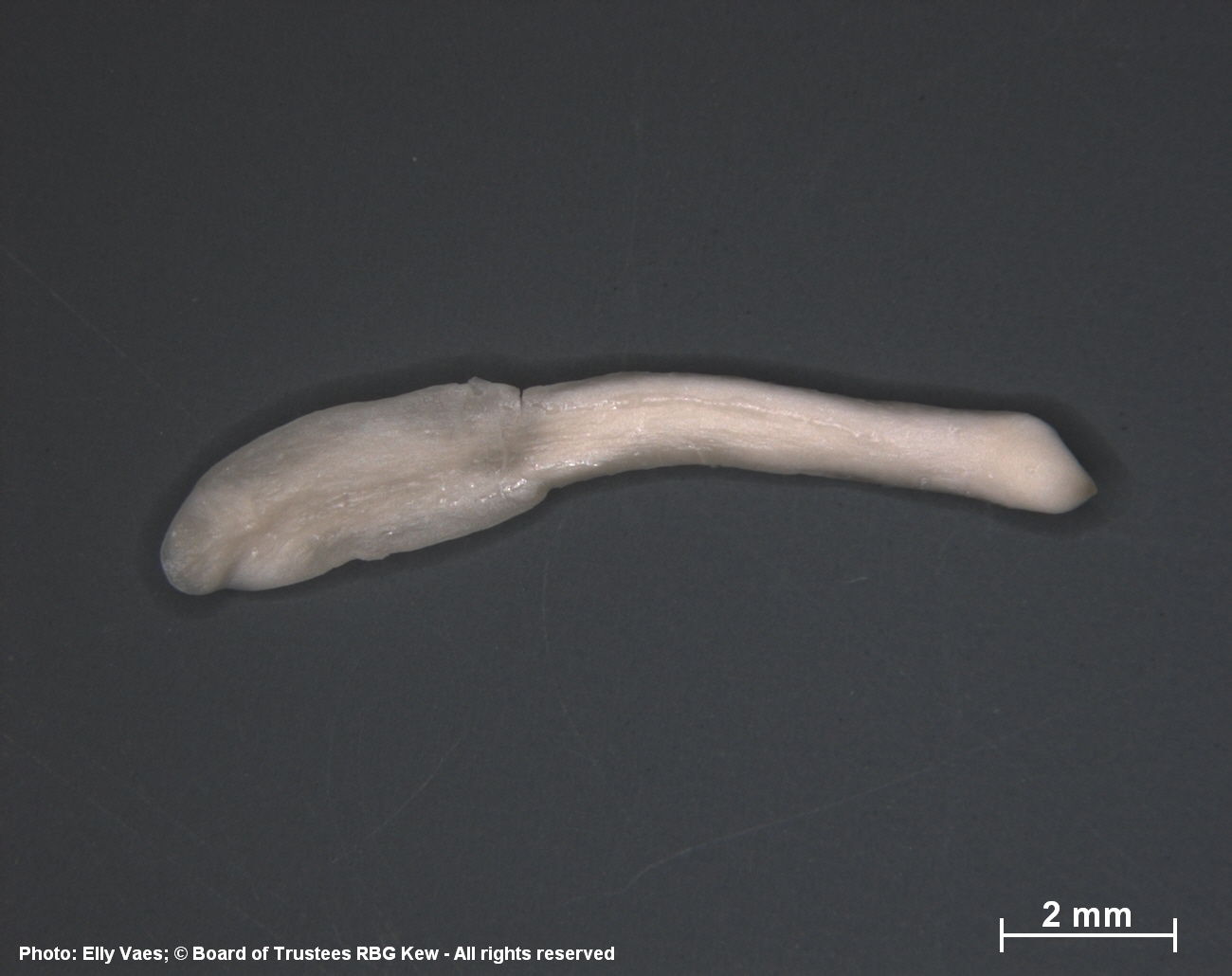
thumb|250px|Canthium coromandelicum
Sclerocarya
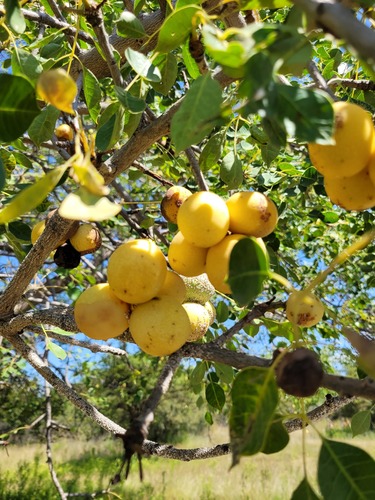
Sclerocarya is a genus of plants in the family Anacardiaceae.
Avicennia germinans
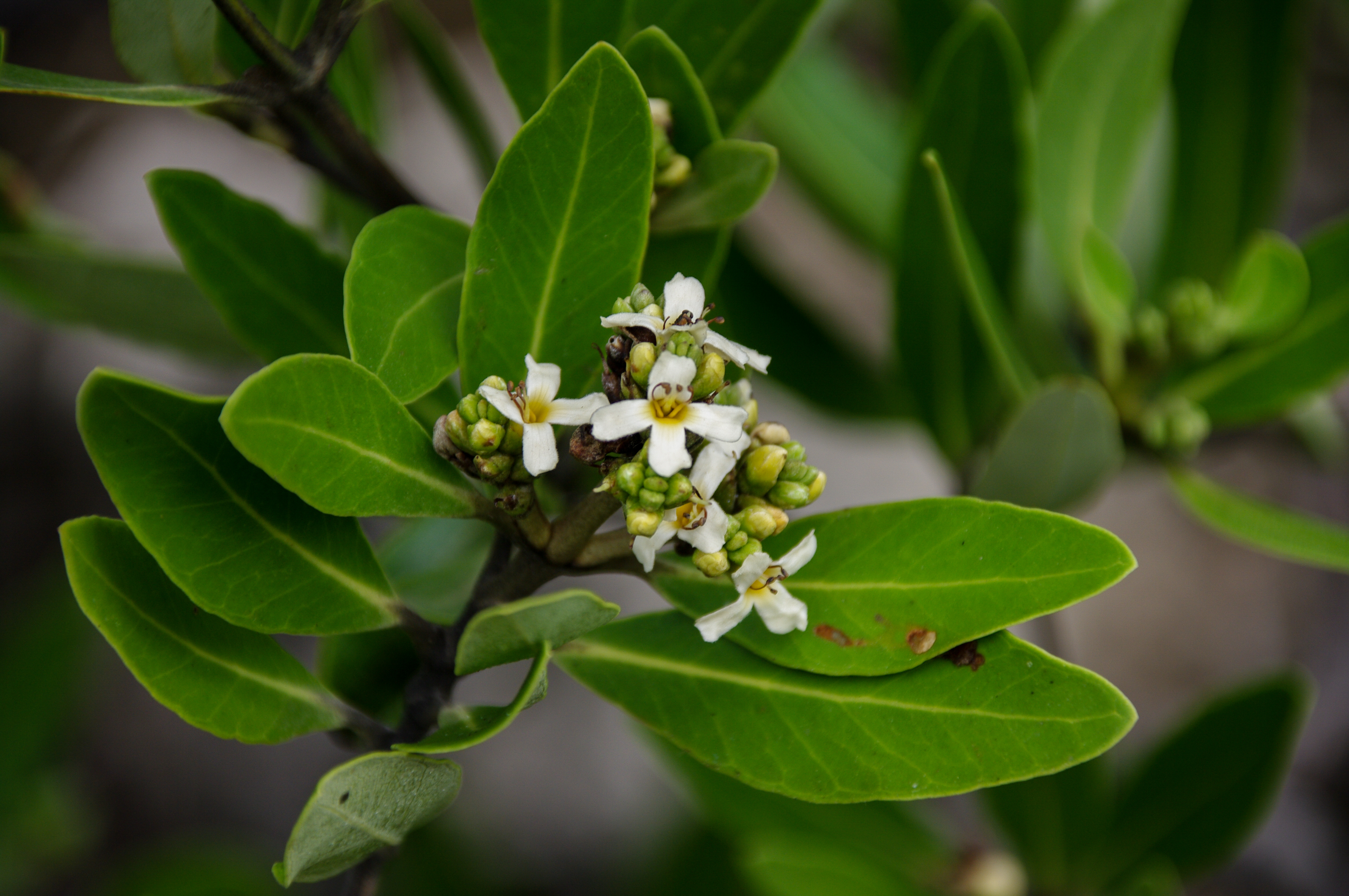
species of plant

Aristea
thumb|Aristea spiralis
Dombeya
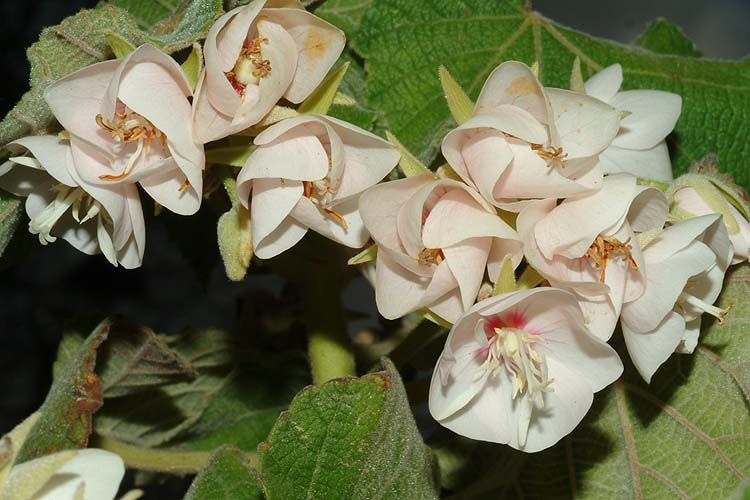
Dombeya is a flowering plant genus. Traditionally included in the family Sterculiaceae, it is included in the expanded Malvaceae in the APG and most subsequent systematics. These plants are known by a number of vernacular names which sometimes, misleadingly, allude to the superficial similarity of flowering Dombeya to pears or hydrangeas (which are unrelated). Therefore, the genus as a whole is often simply called dombeyas. The generic name commemorates Joseph Dombey (1742–1794), a French botanist and explorer in South America, involved in the notorious "Dombey affair", embroiling scientists a
Dorstenia
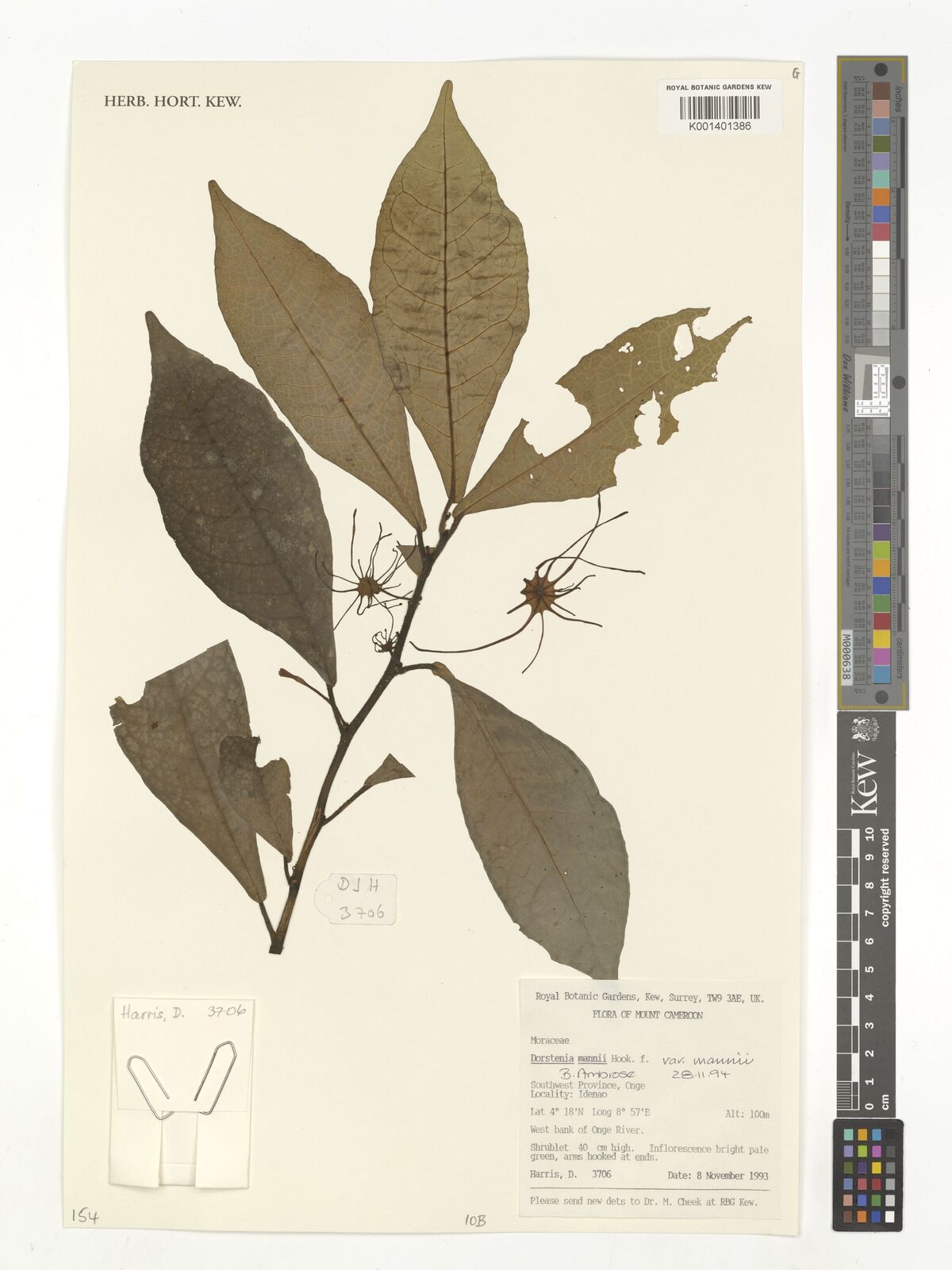
thumb|right|Dorstenia contrajerva, the type species, by von Jacquin, 1793.
Holothrix
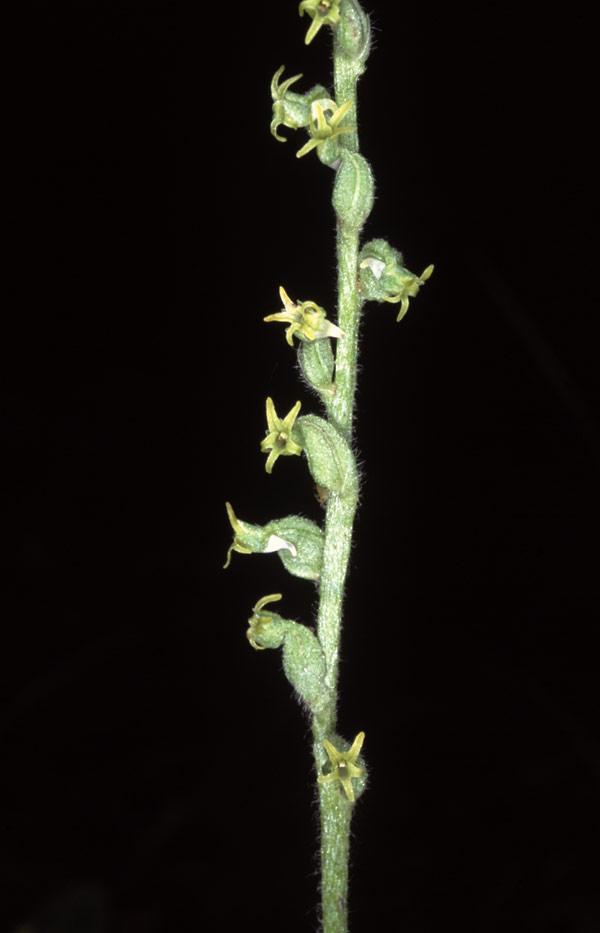
Holothrix is a genus of flowering plants in family Orchidaceae. It includes 48 species native to sub-Saharan Africa and the southwestern Arabian Peninsula.
Trachyandra
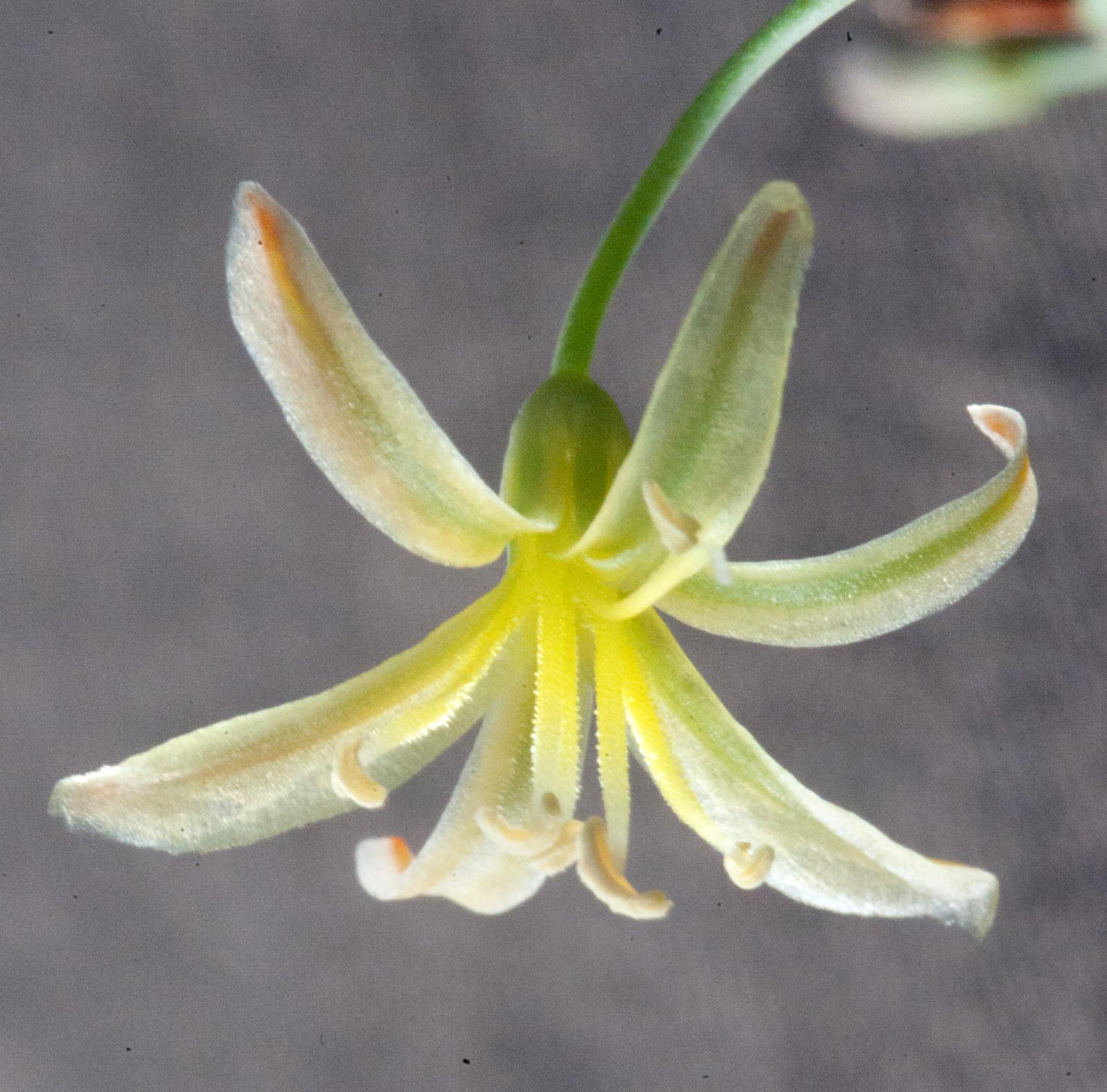
Trachyandra is a genus of plant in the family Asphodelaceae, subfamily Asphodeloideae, first described as a genus in 1843. It is native to eastern and southern Africa, as well as to Yemen and Madagascar. Many of the species are endemic to South Africa.
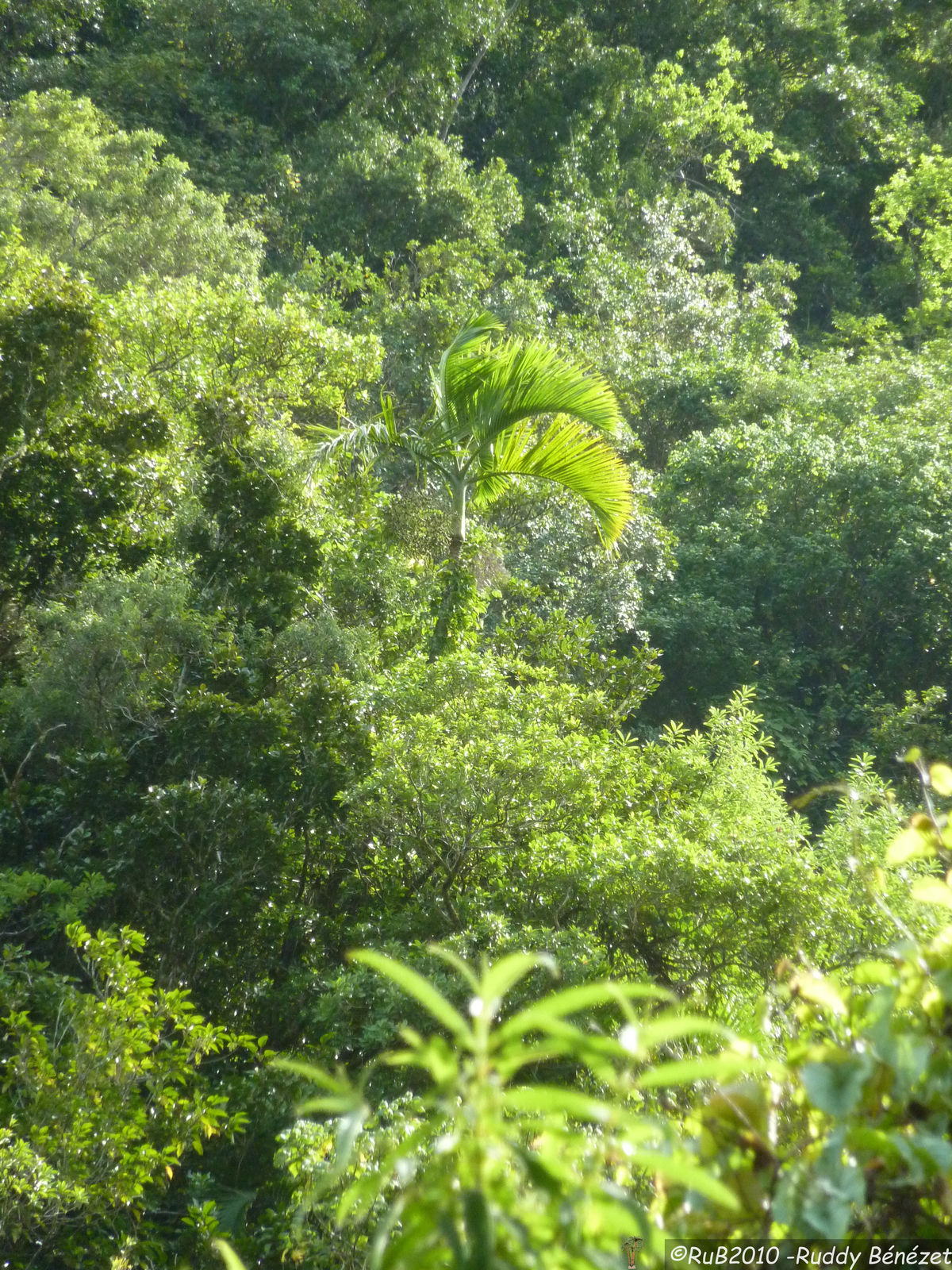
Hyophorbe
Hyophorbe is a genus of five known species of flowering plants in the family Arecaceae, native to the Mascarene Islands in the Indian Ocean. All five species can attain heights of over 6 meters, and two of the species develop swollen trunks that have made them popular as ornamentals, but all of them are endangered in the wild.
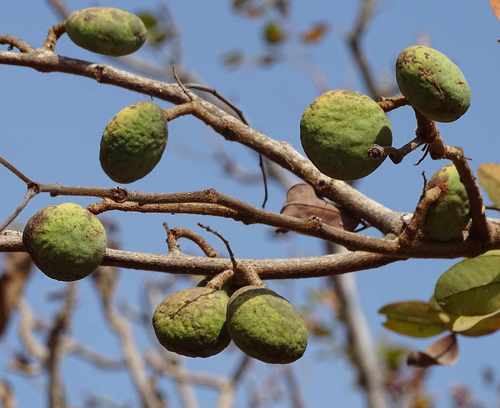
Detarium
Detarium is a plant genus of the family Fabaceae. It contains 3 species of tree native to sub-Saharan Africa, from Senegal to Sudan and Democratic Republic of the Congo.

Baikiaea
Baikiaea is a genus of flowering plants in the legume family, Fabaceae. It includes six species of trees native to sub-Saharan Africa. Species range from Nigeria eastwards to Uganda and Tanzania and south to Zimbabwe, Botswana, and Namibia. Habitats range from lowland tropical rain forest to seasonally dry forest and woodland or savannas on well-drained soils.
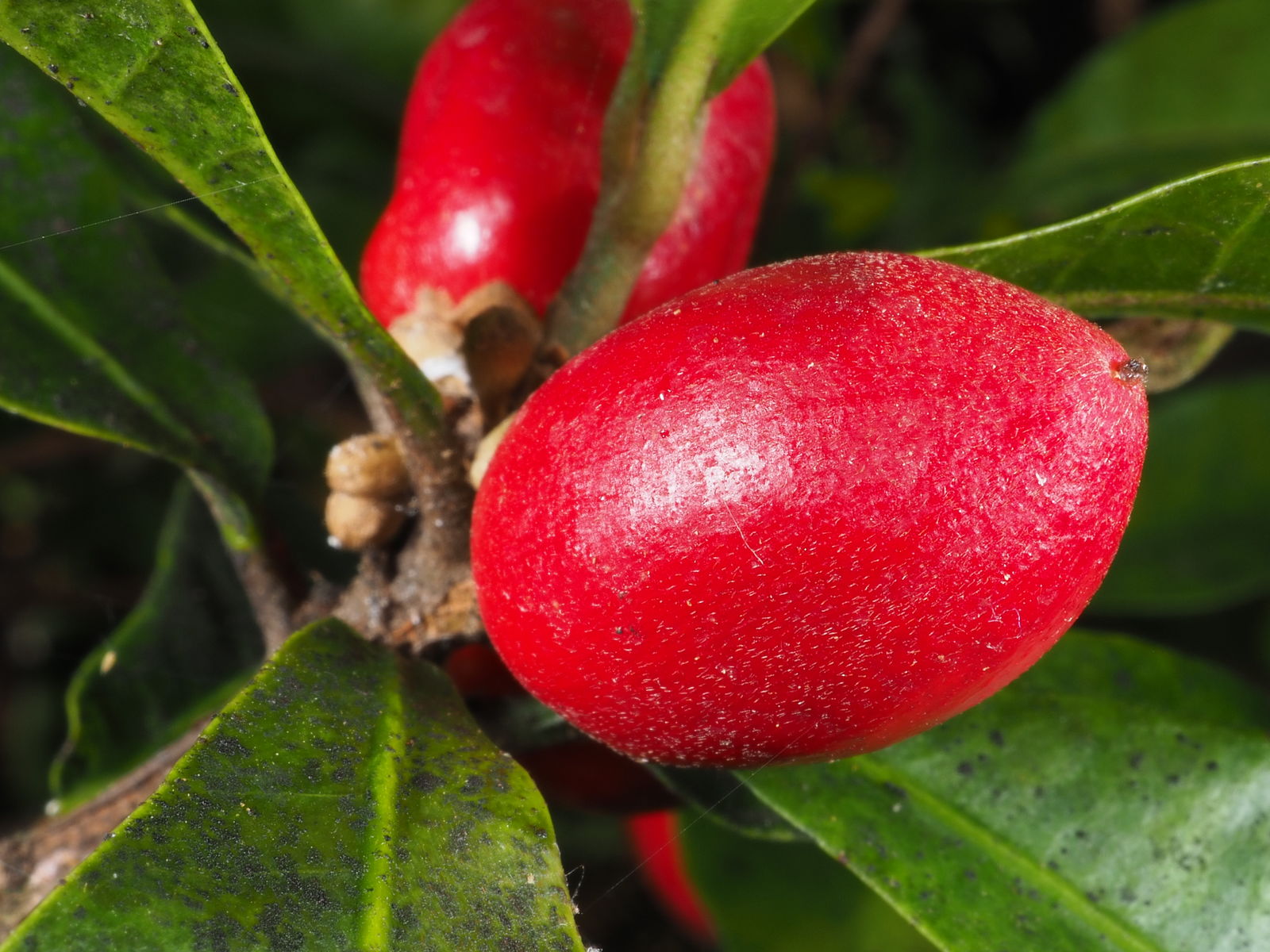
Synsepalum
Synsepalum is a genus of trees and shrubs in the chicle family Sapotaceae described as a genus in 1852.

Duparquetia orchidacea
Duparquetia orchidacea is a liana which is native to tropical west Africa. It is the only species in the subfamily Duparquetioideae. It is found in humid tropical forests in West and Central Africa. It is a basal member of the Fabaceae, as evidenced by the distinctive structure of its flowers and wood, and phylogenetic studies.
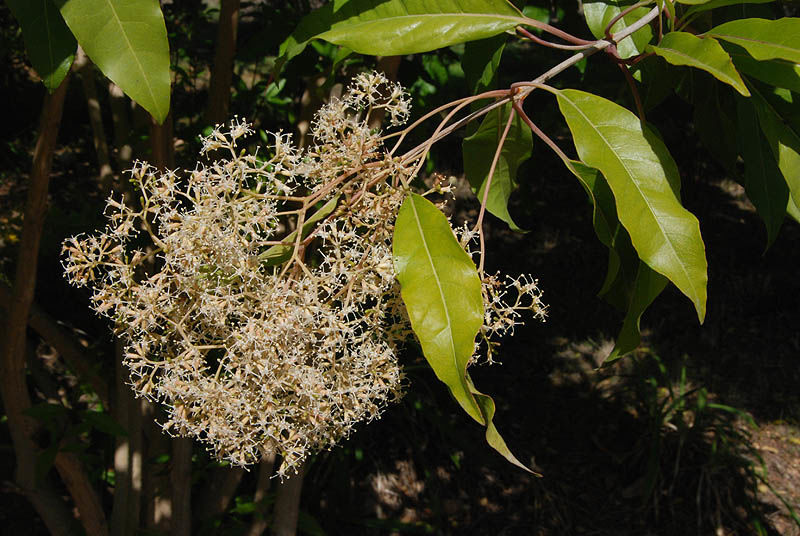
Nuxia
Nuxia is a genus of plants in the family Stilbaceae described as a genus in 1791. It was formerly placed in the Loganiaceae and Buddlejaceae families.
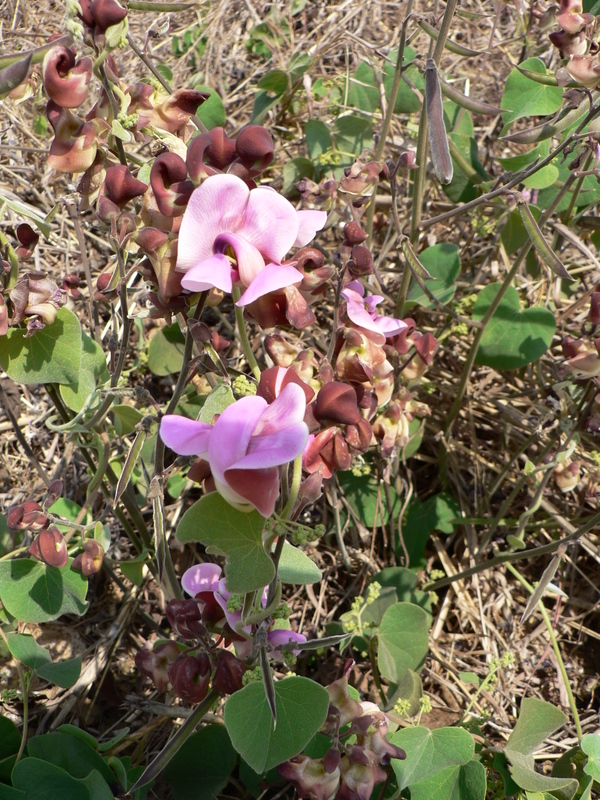
Physostigma
Physostigma is a genus of flowering plants in the family Fabaceae. It includes five species of erect or climbing herbs and subshrubs native to sub-Saharan Africa. They grow in tropical swamp and riverine vegetation and seasonally-dry forest, open woodland, and grassland in the Guineo-Congolian and Zambezian regions. The genus belongs to subfamily Faboideae.
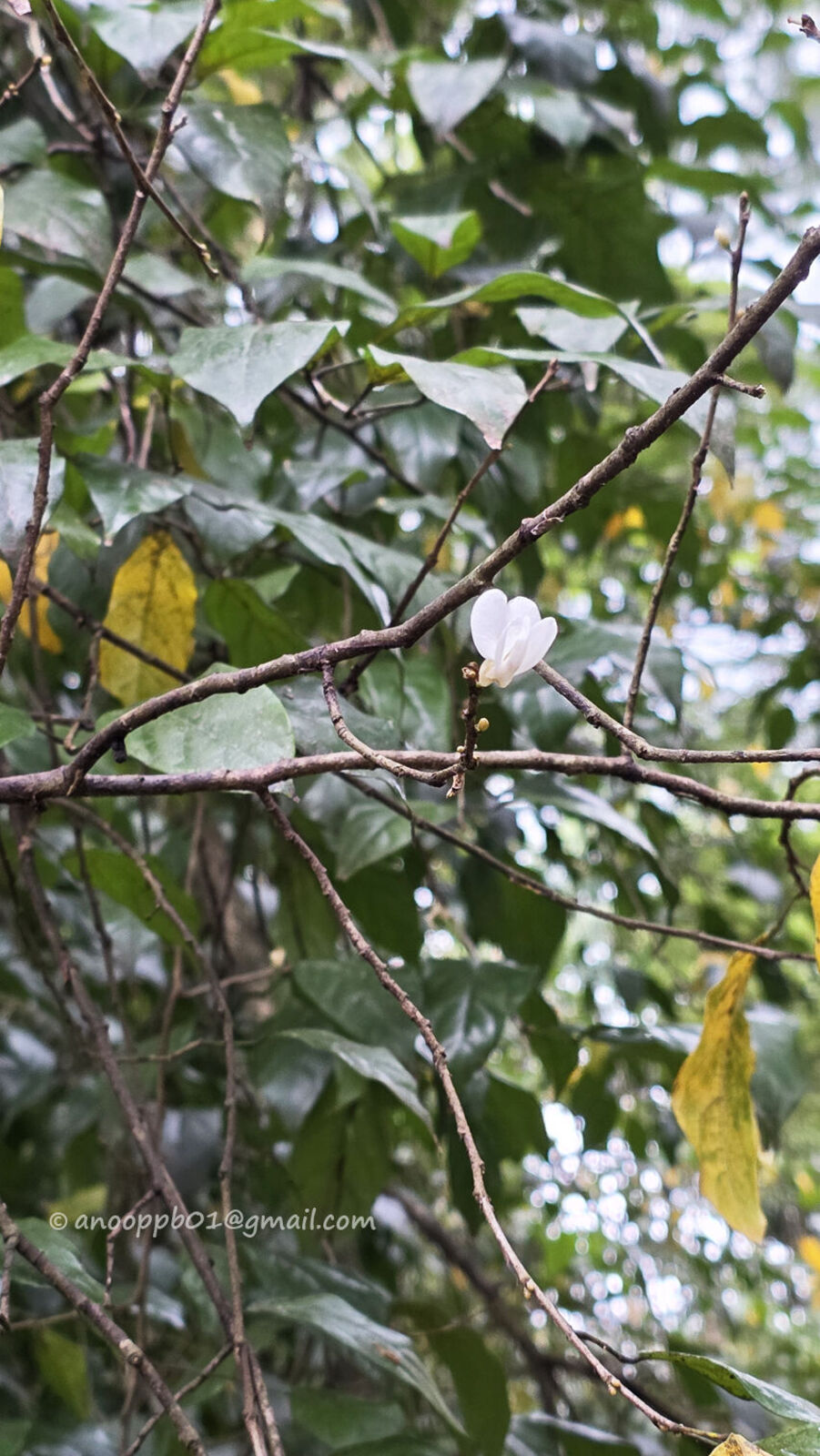
Baphia
Baphia is a small genus of legumes that bear simple leaves. Baphia is from the Greek word βάπτω (báptō-, "to dip" or "to dye"), referring to a red dye that is extracted from the heartwood of tropical species. The genus is restricted to the African tropics. Baphia was traditionally assigned to the tribe Sophoreae; however, recent molecular phylogenetic analyses reassigned Baphia to the tribe Baphieae.
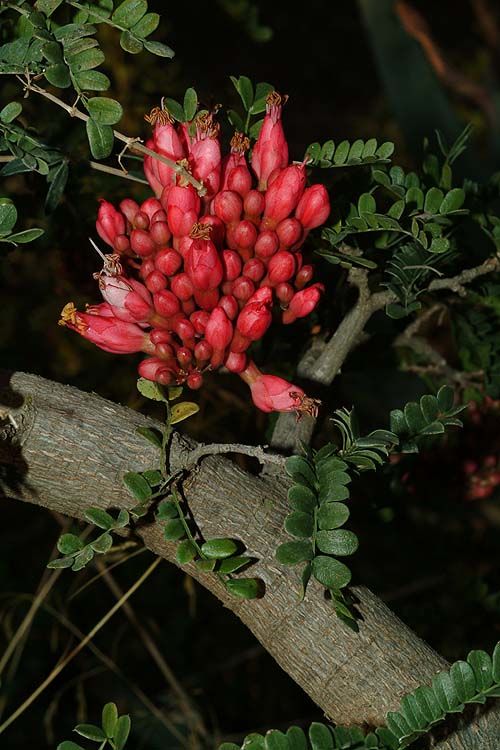
Schotia
Schotia is a genus of flowering plants in the legume family, Fabaceae. It belongs to the subfamily Detarioideae. It occurs in southern Africa. The genus was named for Richard van der Schot by Jacquin who was the director of the Imperial Gardens at Schönbrunn Palace, Vienna. Van der Schot was his head gardener.
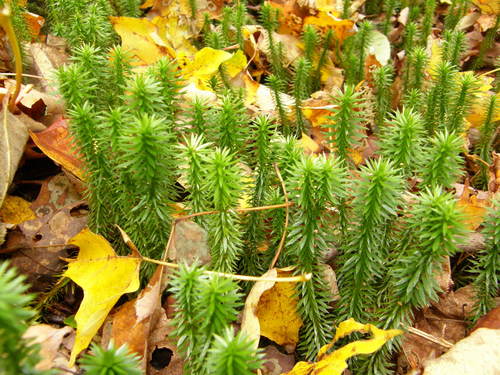
Selago
Selago is a genus of plants in the family Scrophulariaceae, closely related to Scrophularia and Verbascum. It contains around 190 species, mostly in southern Africa, ranging from Kenya and Democratic Republic of the Congo to South Africa, and including Madagascar.
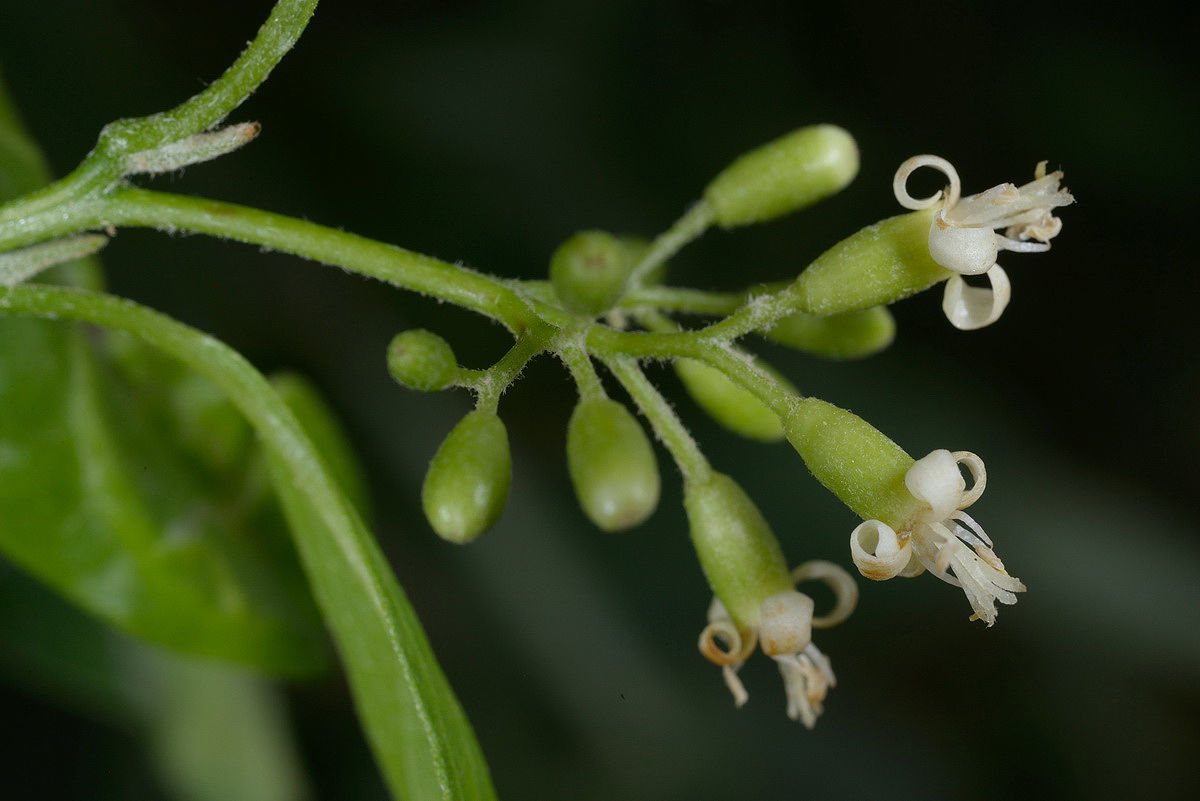
Cordia sinensis
species of plant
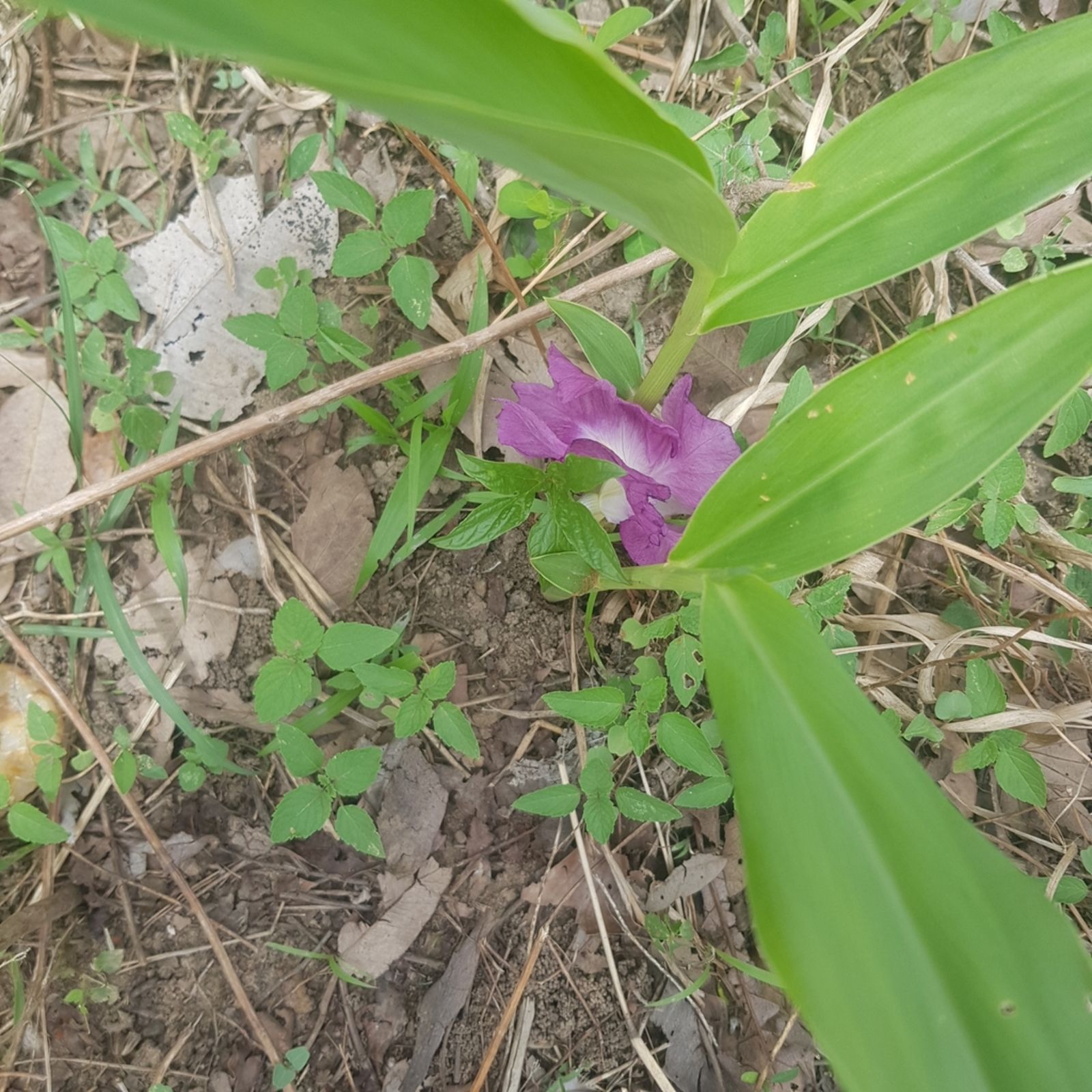
Siphonochilus
Siphonochilus is a genus of flowering plants native to sub-Saharan Africa.
==Species==
Siphonochilus aethiopicus (Schweinf.) B.L.Burtt - widespread from Ethiopia west to Sierra Leone and south to South Africa
Siphonochilus bambutiorum A.D.Poulsen & Lock - Zaïre
Siphonochilus brachystemon (K.Schum.) B.L.Burtt - eastern Africa from Sudan to Mozambique
Siphonochilus kilimanensis (Gagnep.) B.L.Burtt - Mozambique
Siphonochilus kirkii (Hook.f.) B.L.Burtt - eastern and central Africa from Sudan and Central African Republic south to South Africa
Siphonochilus longitubus Lock - Zambia
Siphonochi

Burkea africana
African tree species
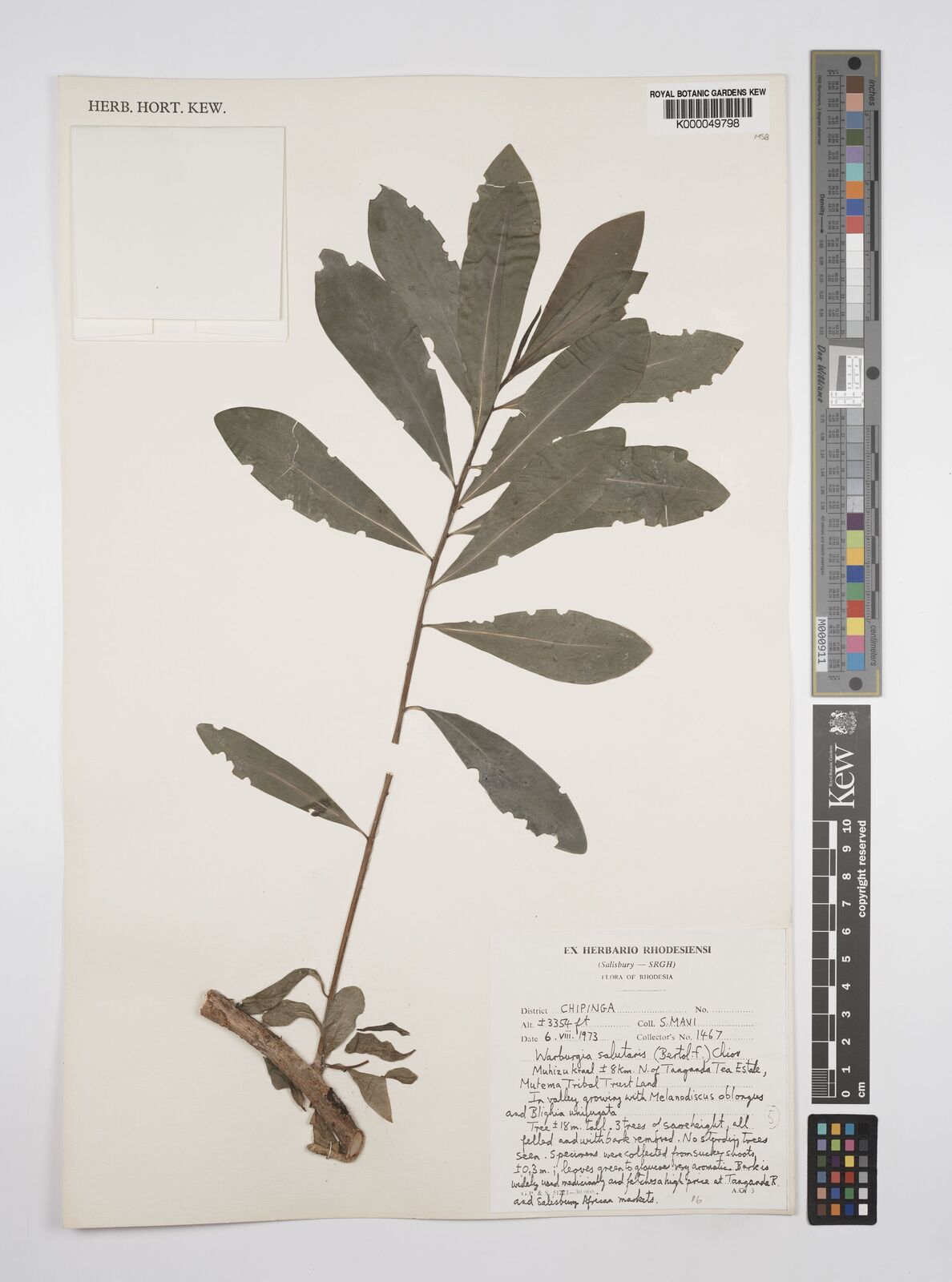
Warburgia
Warburgia is a genus of flowering plants in the family Canellaceae described in 1895. It was named for the German botanist Otto Warburg. It is native to eastern and southern Africa.

Lapeirousia
thumb|400px|Vast expanse of the southern Namib|Namib Desert (specifically the area lying to the west of [[Obib Mountain near Rosh Pinah) carpeted with thousands of L. barklyi and featuring also a fairy circle (foreground)]]
Lapeirousia is a genus in the plant family Iridaceae. It is endemic to sub-Saharan Africa, about a third of the species occurring in fynbos.
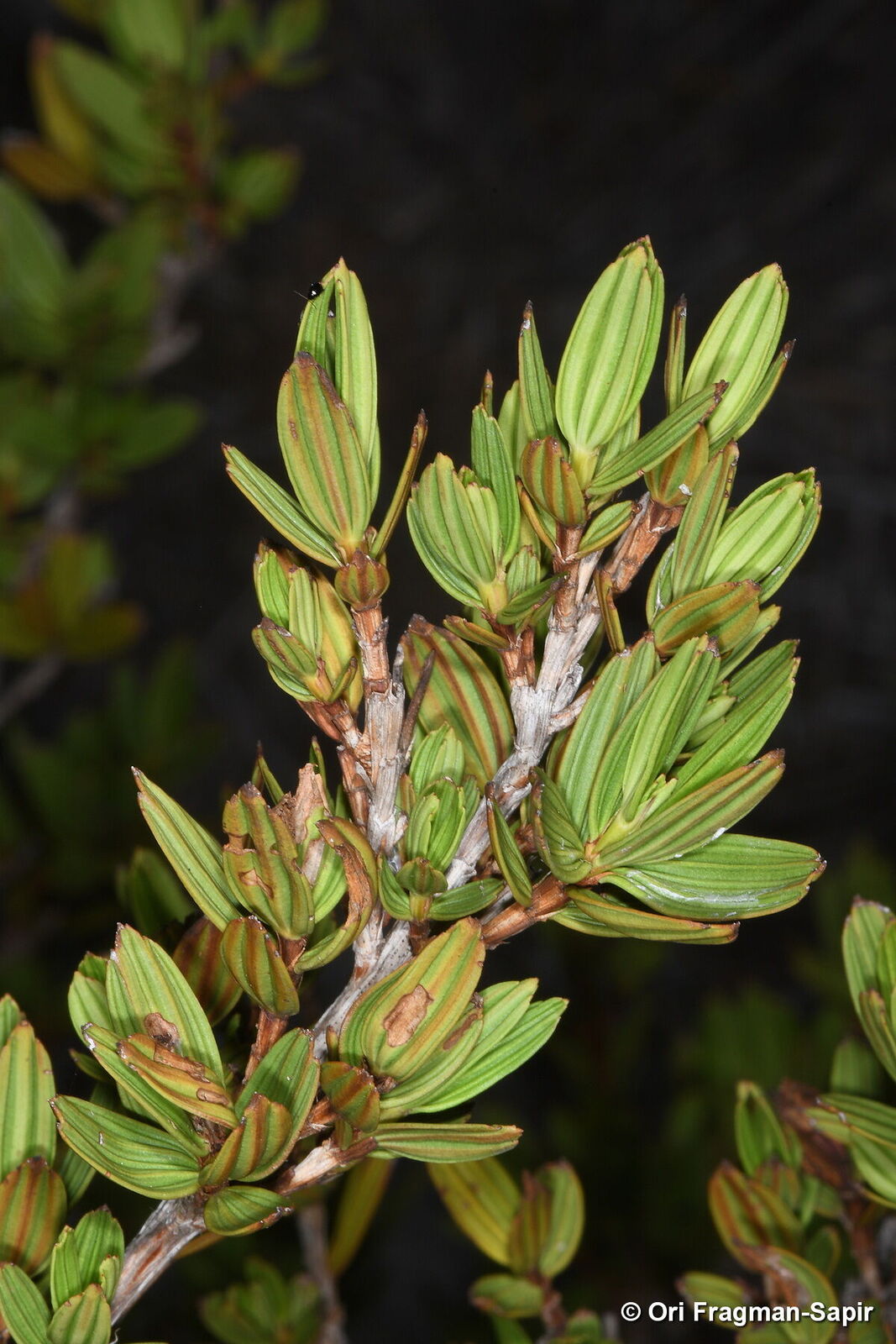
Myrothamnus
thumb
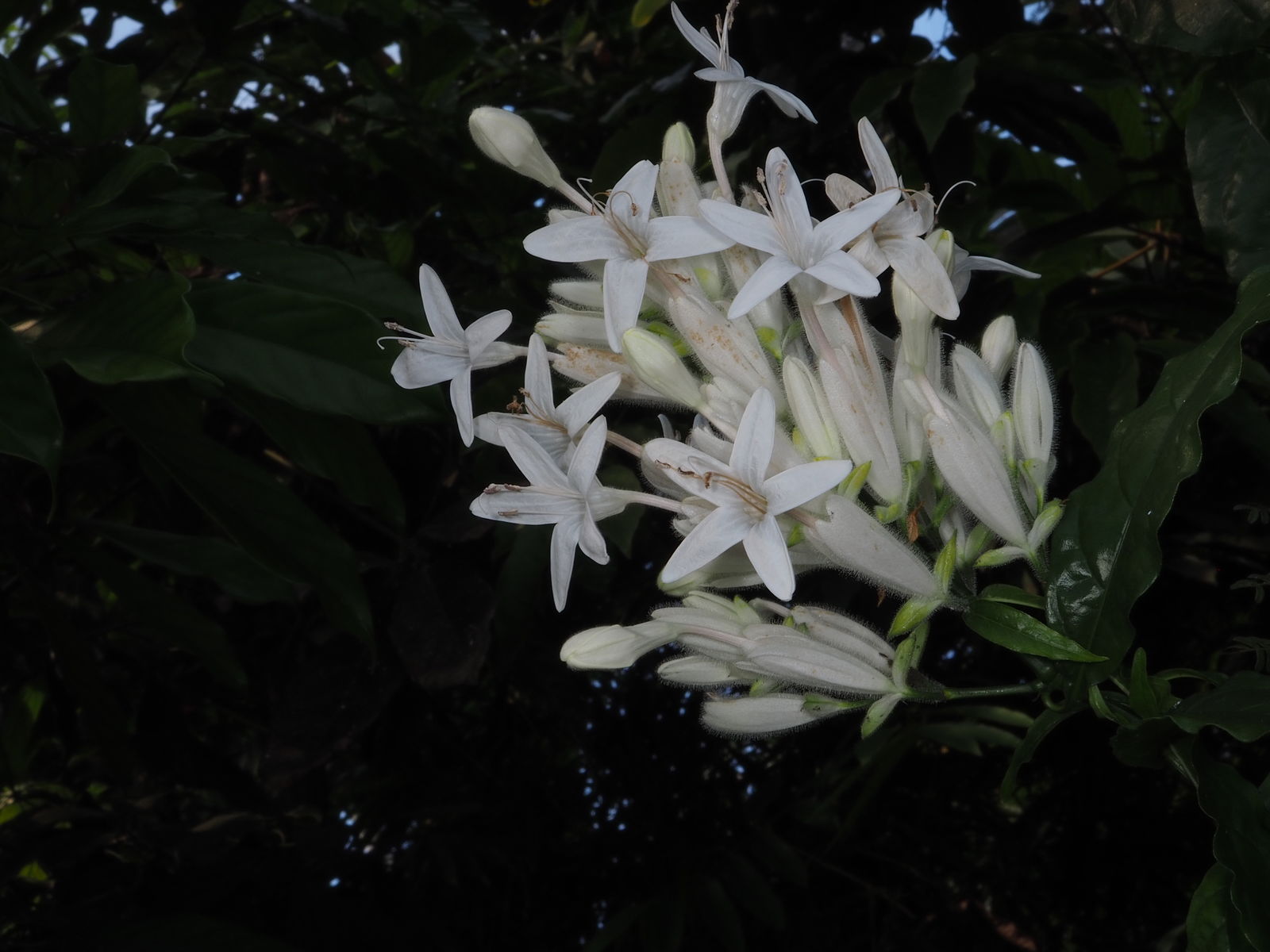
Whitfieldia
Whitfieldia is a genus of flowering plants in the family Acanthaceae. It includes 13 species of erect or scrambling shrubs native to tropical Africa. The greatest species diversity is in the Guineo-Congolian rainforests of western and central Africa.

Crassocephalum
Crassocephalum is a genus the common names of whose members include ragleaf, thickhead, and bologi. Several species are raised as leaf vegetables and used for medicine, especially in West Africa. Similar to Senecio, but differing in never having ray florets. A calyculus of short bracts (c.1/4 to 1/5 of the length of the inner phyllaries) is present. The genus is typically thistle-like in appearance, but all parts are soft and not spiny.
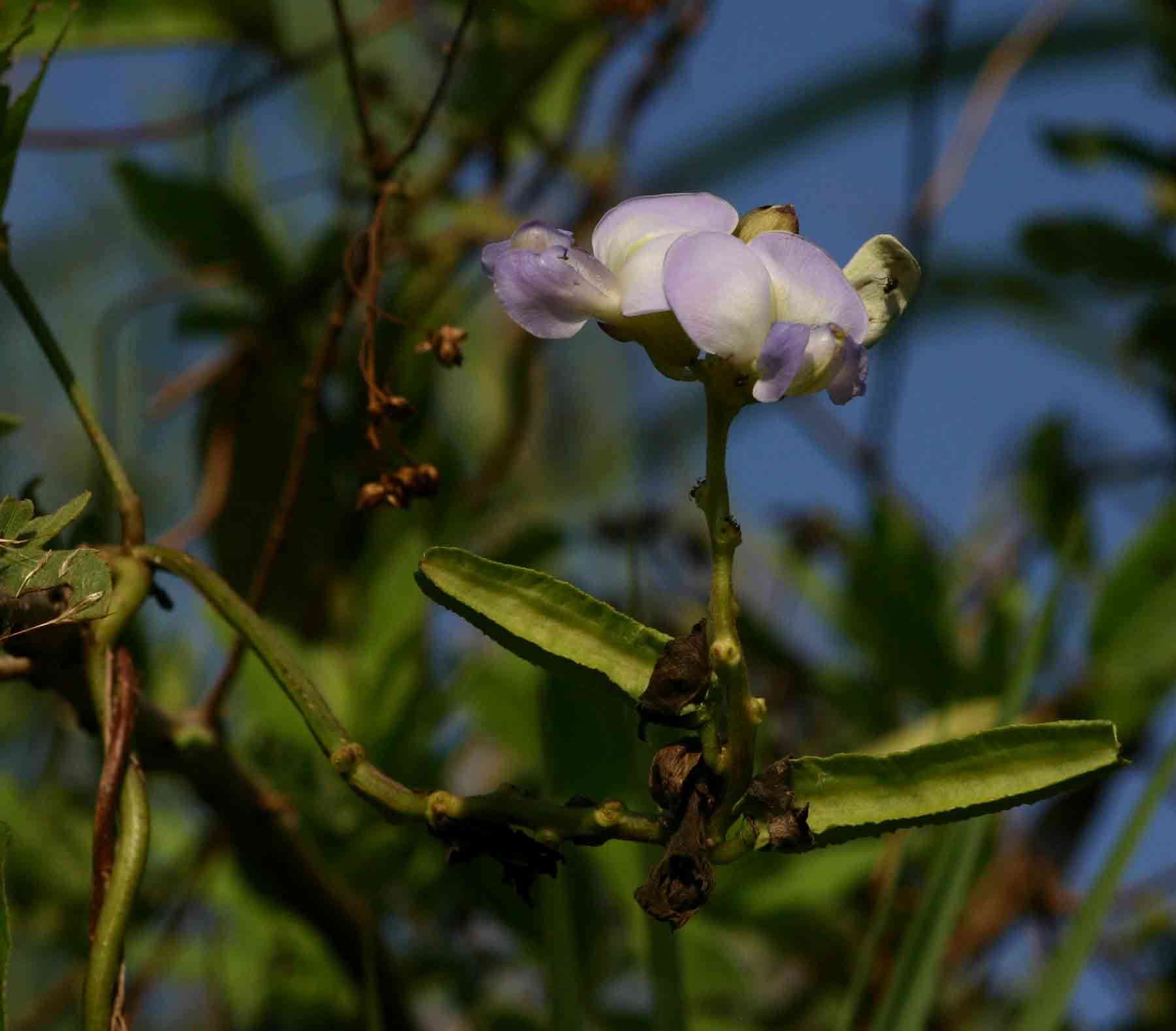
Psophocarpus
Psophocarpus is a genus of flowering plants in the legume family, Fabaceae. It includes nine species of climbing herbs or subshrubs native to tropical Africa. Typical habitats include seasonally-dry tropical forest and forest margins, moist wooded grassland and grassland, thicket, swamp, and secondary vegetation. It belongs to subfamily Faboideae.

Blighia
Blighia is a genus of three species of flowering plants in the soapberry family, Sapindaceae. They are trees or large shrubs native to tropical Africa from Guinea east to Kenya, and south to Angola and KwaZulu-Natal. The fruit is partly edible, with the Ackee (B. sapida) being grown commercially for fruit production. The genus is named for Captain William Bligh (formerly of ), who brought samples back to England.
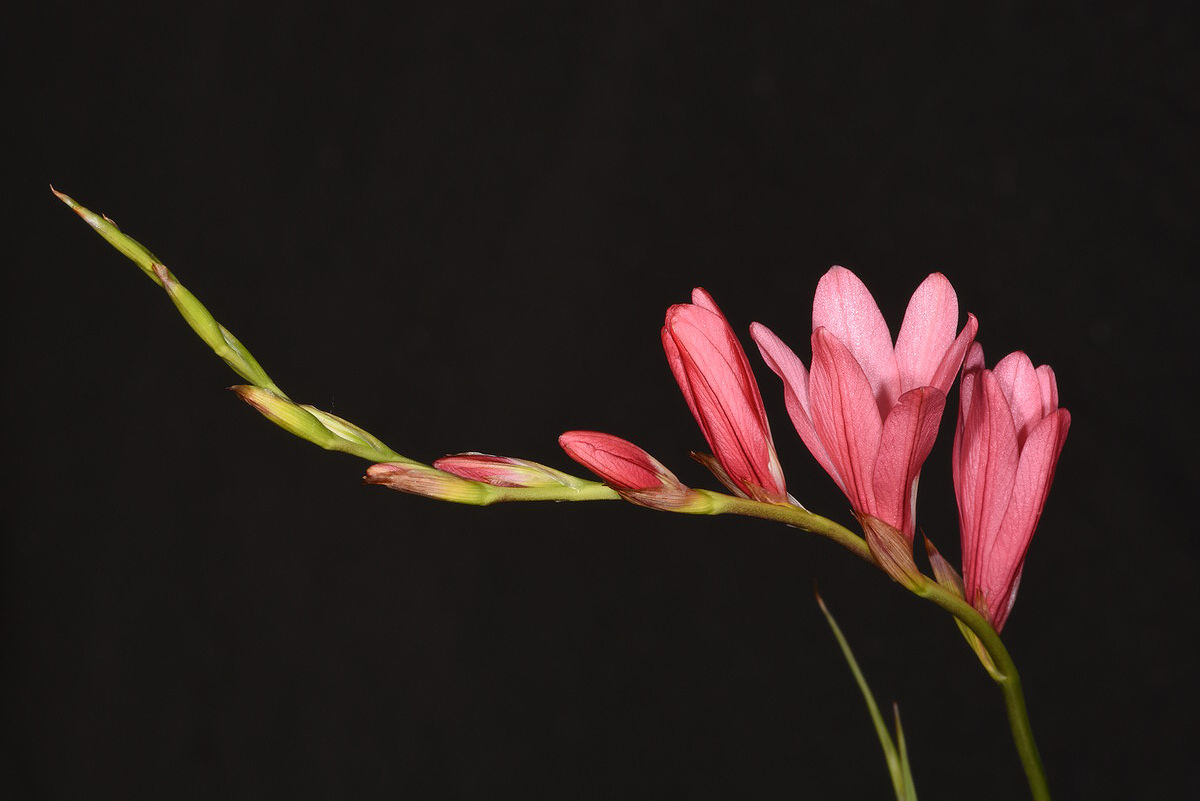
Tritonia
genus of plants
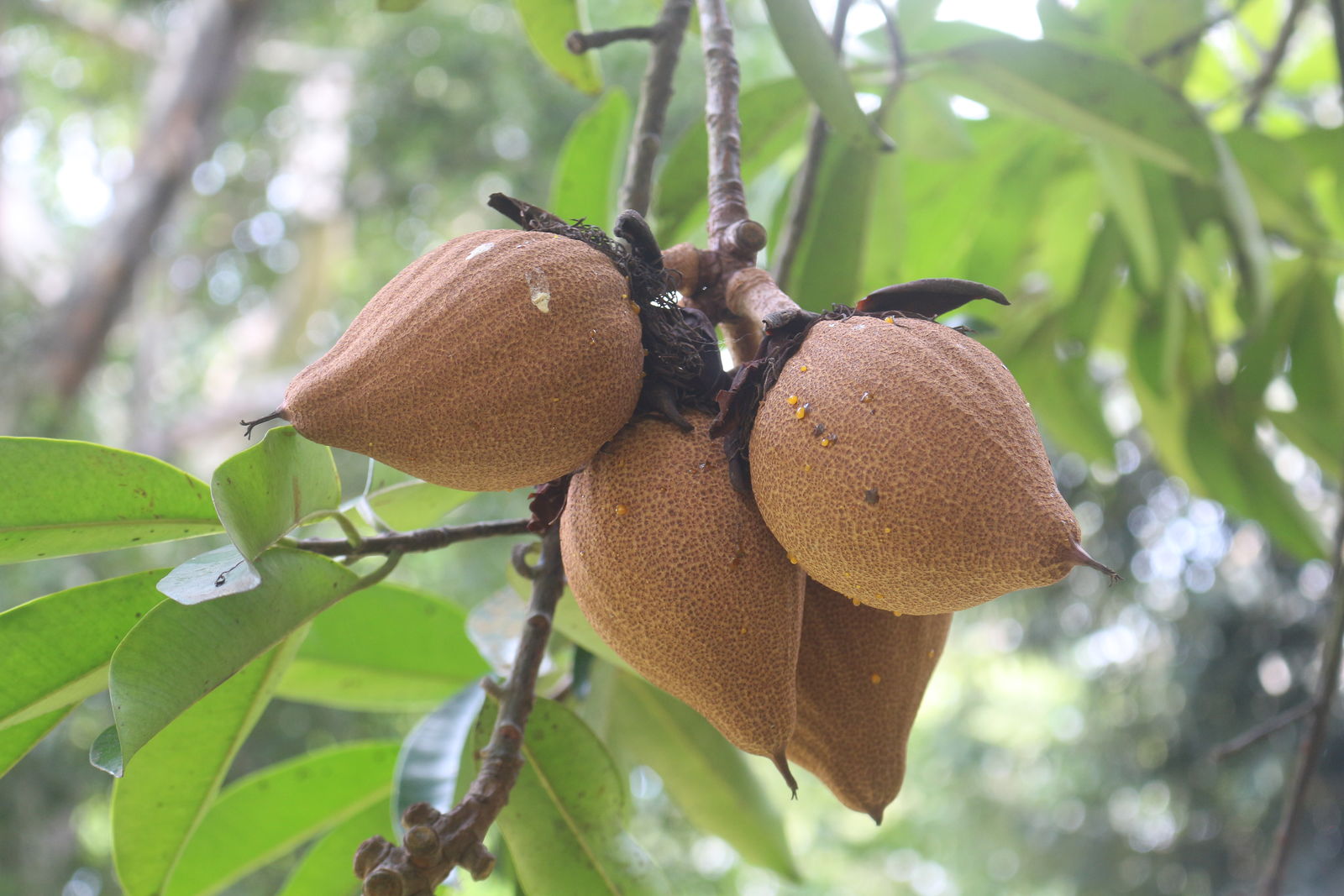
Pentadesma
Pentadesma is a genus of flowering plants belonging to the family Clusiaceae.
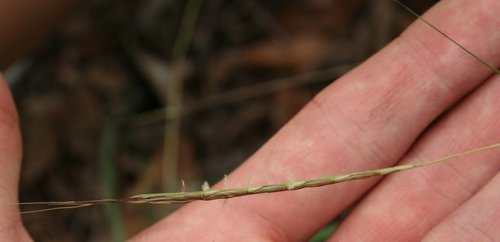
Sehima
Sehima is a genus of mostly Asian and African plants in the grass family.
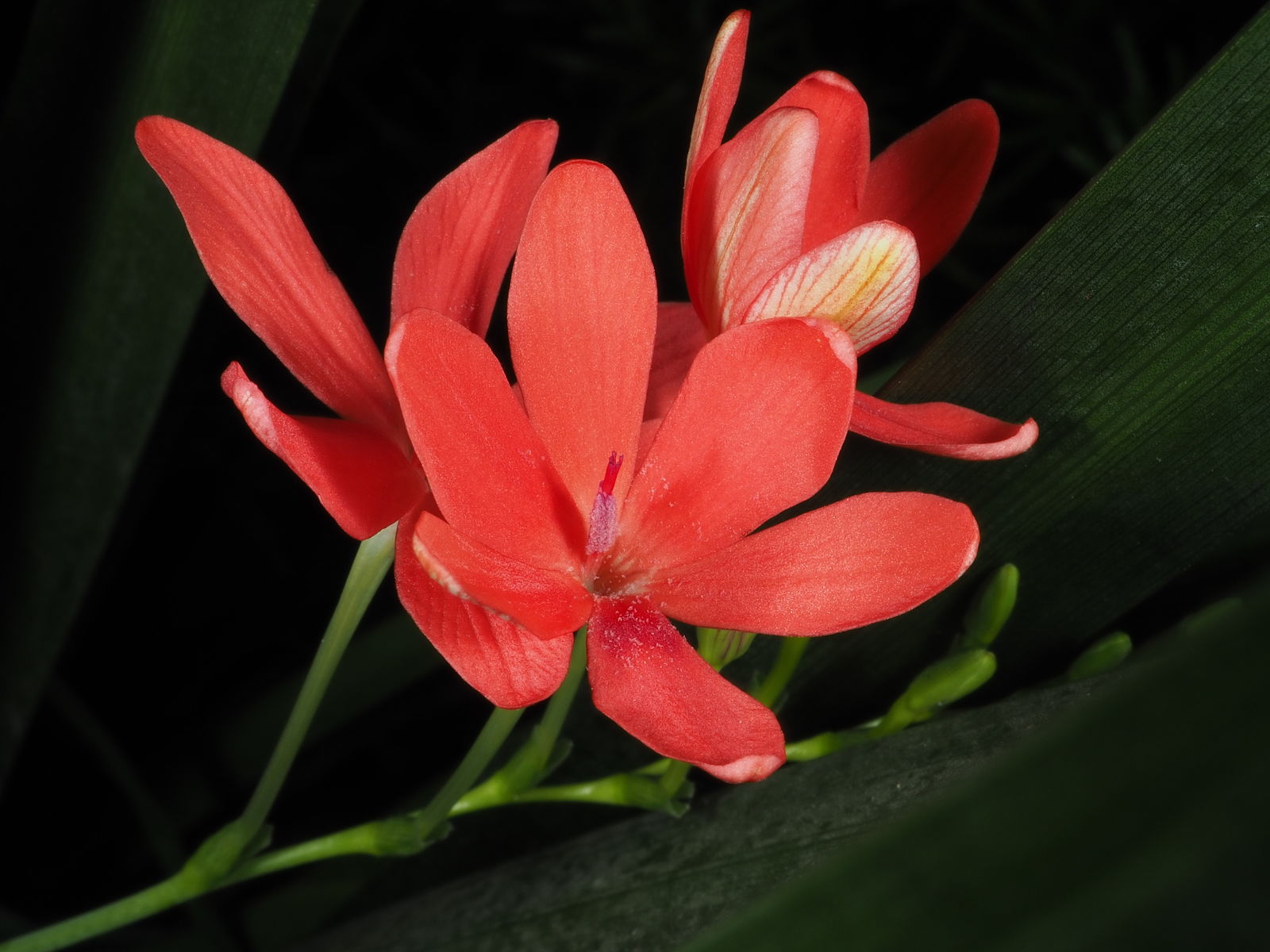
Hesperantha
Hesperantha is a genus of cormous flowering plants in the family Iridaceae. The genus name is derived from the Greek words hesperos, meaning "evening", and anthos, meaning "flower".

Melinis
Melinis is a genus of African and Arabian plants in the grass family.
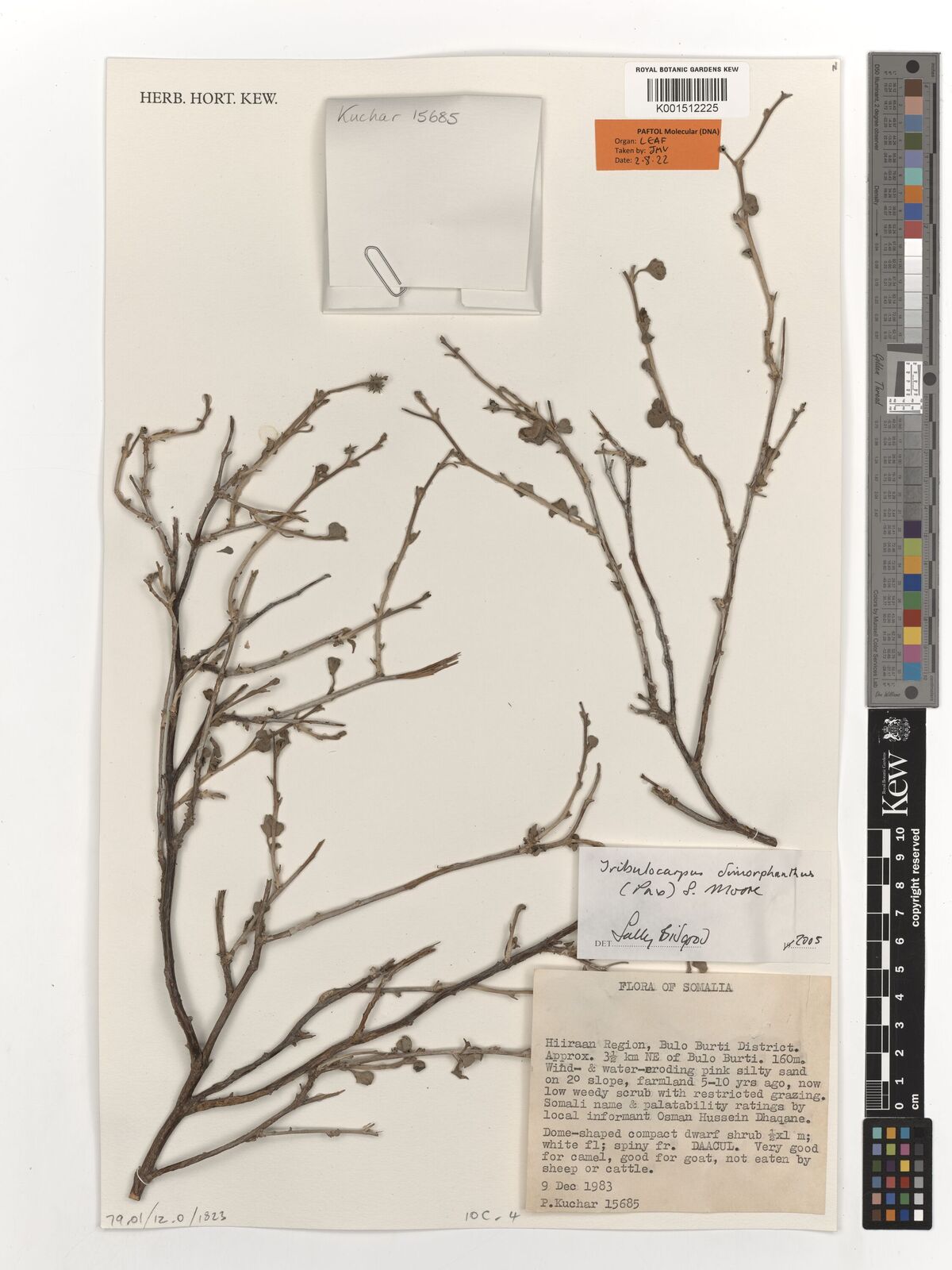
Tribulocarpus
Tribulocarpus is a genus of flowering plants belonging to the family Aizoaceae.
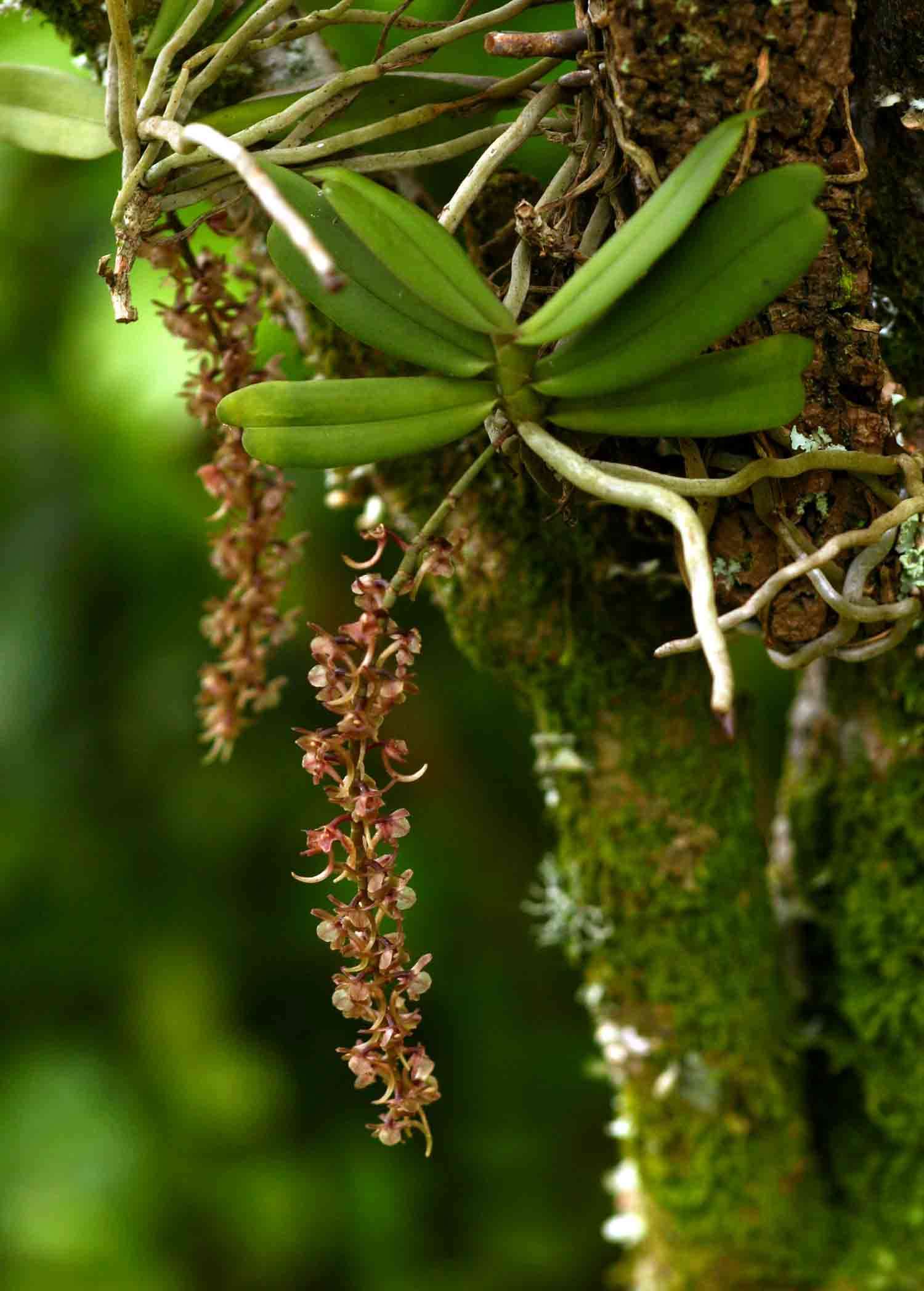
Rhipidoglossum
Rhipidoglossum is a genus of flowering plants from the orchid family, Orchidaceae. It contains 53 species, all from sub-Saharan Africa.
thumb|right|Flower buds of Rhipidoglossum millarii
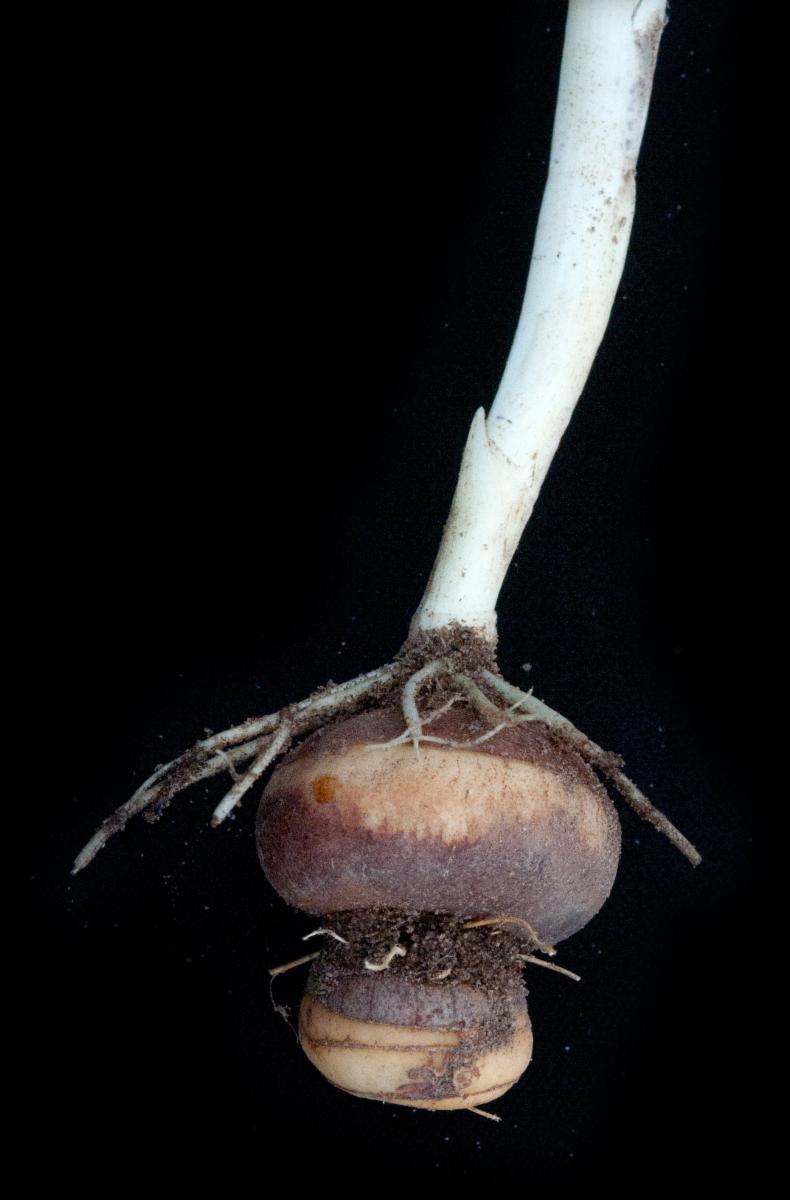
Ferraria
Ferraria is a genus of monocotyledonous flowering plants in the family Iridaceae, native to tropical and southern Africa. They are herbaceous corm-bearing plants growing to 30–45 cm tall. Some species have an unpleasant scent similar to rotting meat and are pollinated by flies, while others have a pleasant scent. The genus name is a tribute to Italian Jesuit Botanist and botanical artist Giovanni Baptista Ferrari.
thumb|right|Ferraria uncinata They are grown as ornamental plants in gardens in subtropical regions.
Spathodea
Spathodea is a genus in the plant family Bignoniaceae. The single species it contains, Spathodea campanulata, is commonly known as the African tulip tree or the Nandi Flame. The tree grows between tall and is native to tropical dry forests of Africa. It has been nominated as among 100 of the "World's Worst" invaders.
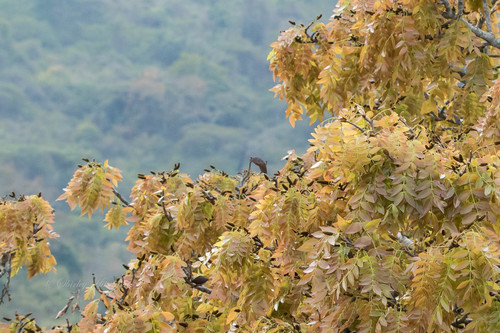
Berlinia
Berlinia is a genus of flowering plants in the family Fabaceae. It includes 21 species of trees native to sub-Saharan Africa, ranging from Guinea to Chad, Tanzania, Mozambique, and Angola. All species of Berlinia have "explosive" pods, casting the seeds, in the case of the recently discovered Berlinia korupensis, up to 50 metres away.
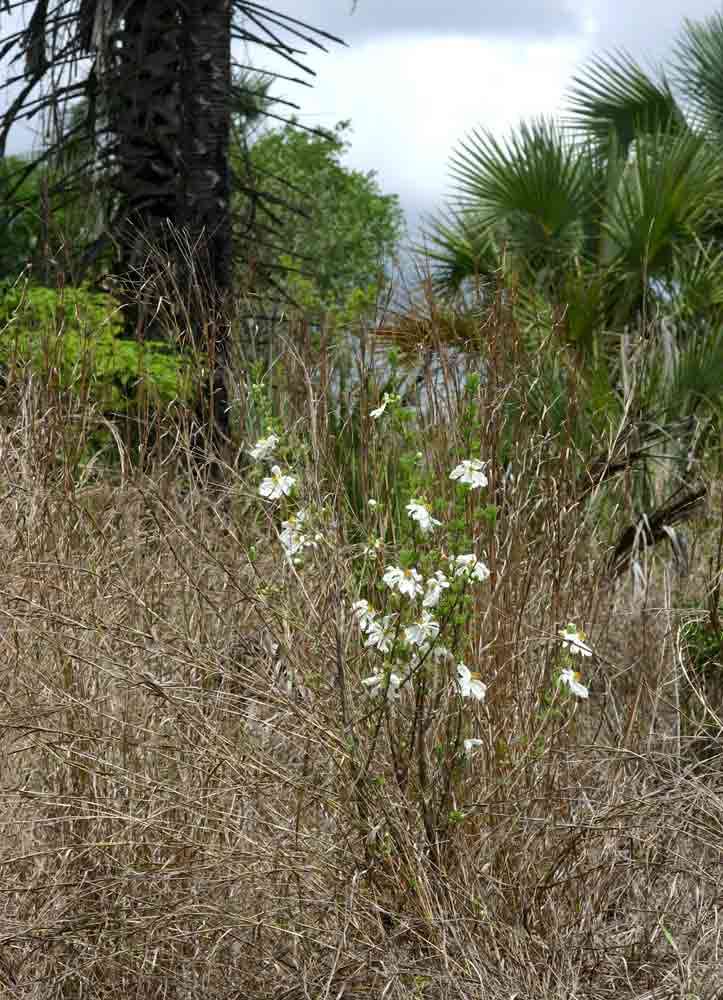
Xylotheca
Xylotheca is a genus of flowering plants in the family Achariaceae. The genus includes four species native to central and southern Africa and Madagascar.