Category
page 1Hygrophoraceae
Hygrophoraceae
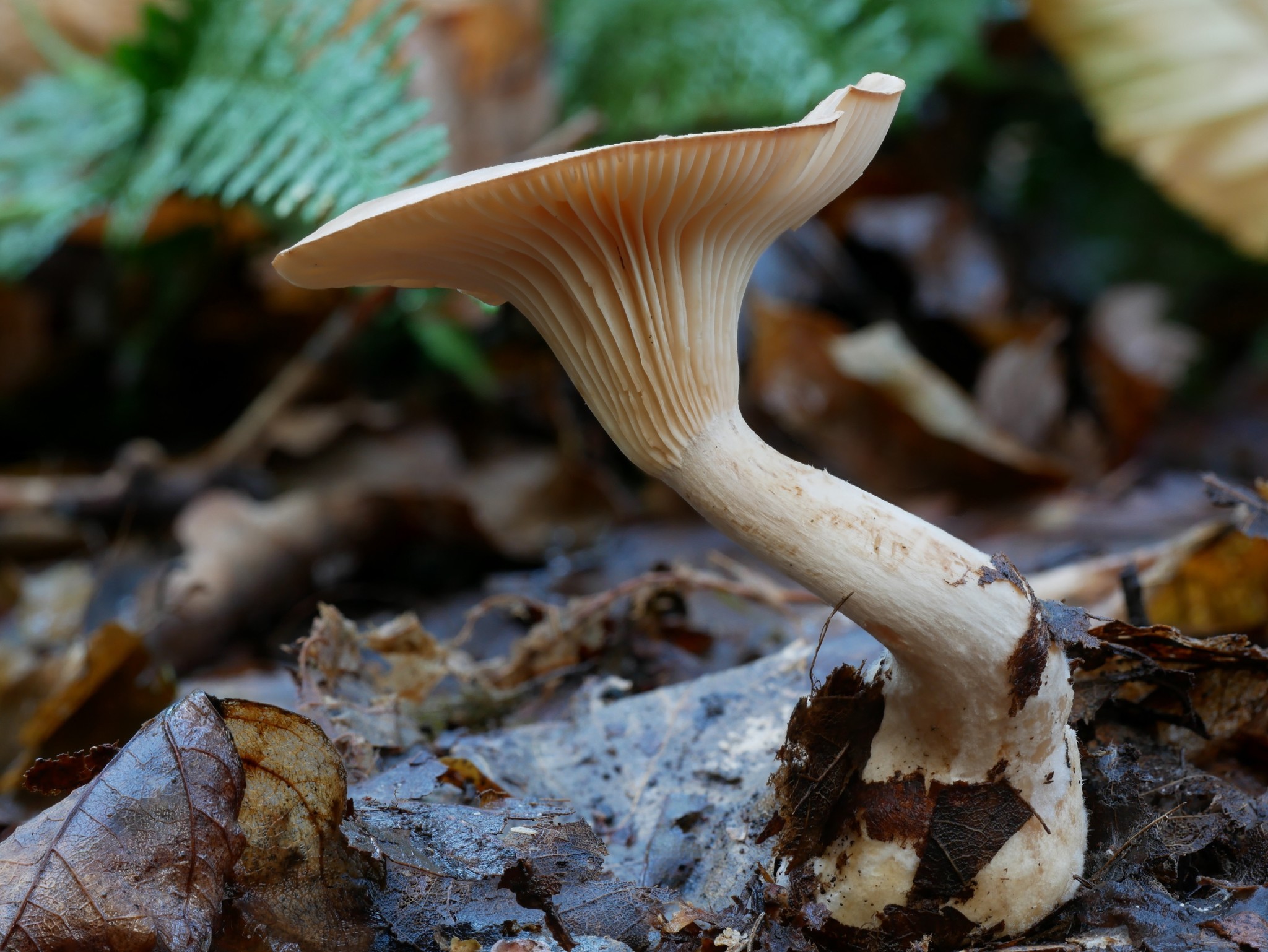
The Hygrophoraceae are a family of fungi in the order Agaricales. Originally conceived as containing white-spored, thick-gilled agarics (gilled mushrooms), including Hygrophorus and Hygrocybe species (the waxcaps or waxy caps), DNA evidence has extended the limits of the family, so it now contains not only agarics, but also basidiolichens and corticioid fungi. Species are thus diverse and are variously ectomycorrhizal, lichenized, associated with mosses, or saprotrophic. The family contains 34 genera and over 1000 species. None is of any great economic importance, though fruit bodies of some H

Hygrocybe conica
species of fungus

Hygrocybe
Hygrocybe is a genus of agarics (gilled fungi) in the family Hygrophoraceae. Called waxcaps in English (sometimes waxy caps in North America), basidiocarps (fruit bodies) are often brightly coloured and have dry to waxy caps, white spores, and smooth, ringless stems.
Gliophorus psittacinus
species of fungus

Cuphophyllus pratensis
species of fungus

Cuphophyllus virgineus
species of fungus

Hygrocybe punicea
species of fungus
Cantharellula umbonata
species of fungus

Ampulloclitocybe clavipes
species of fungus
Cantharellula
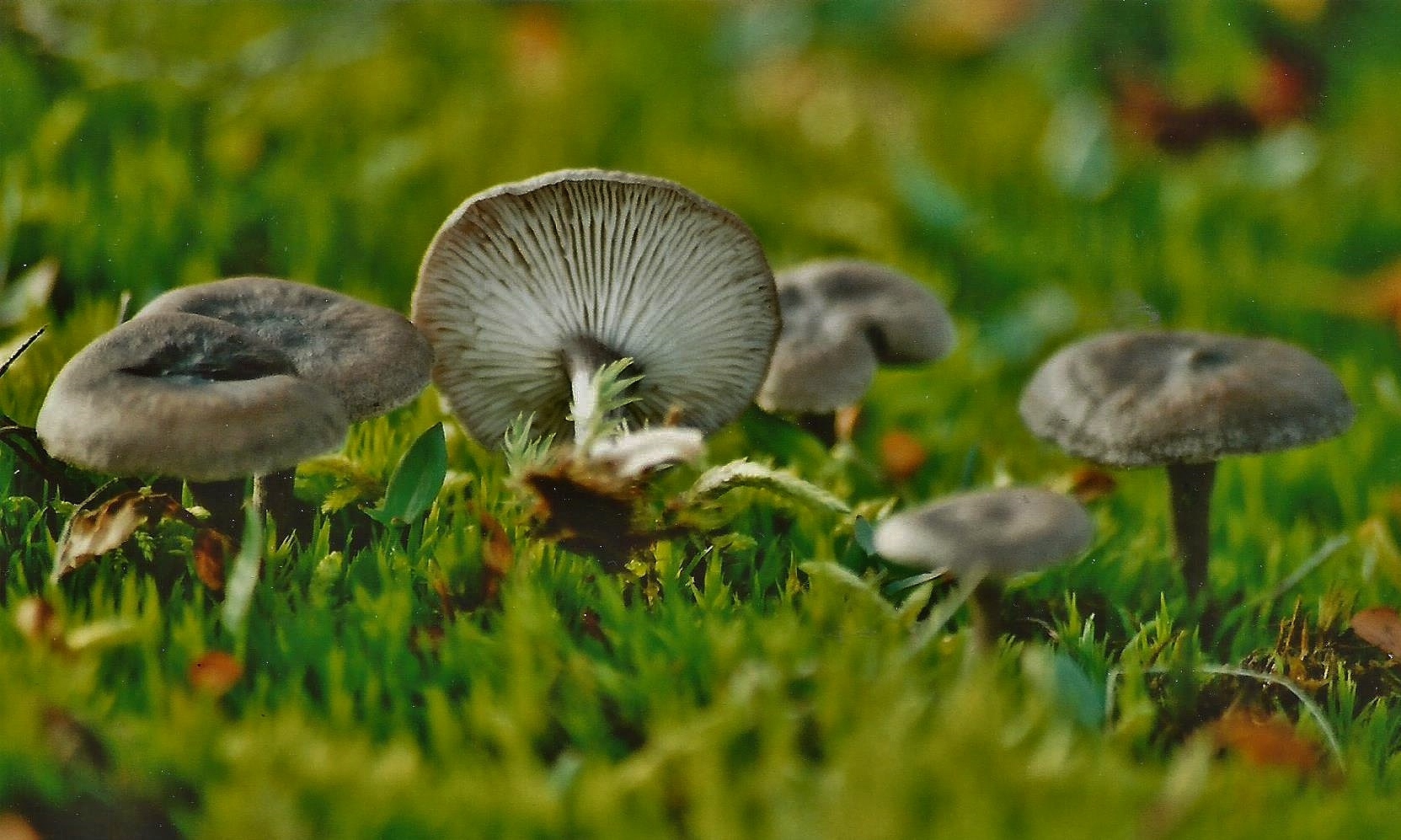
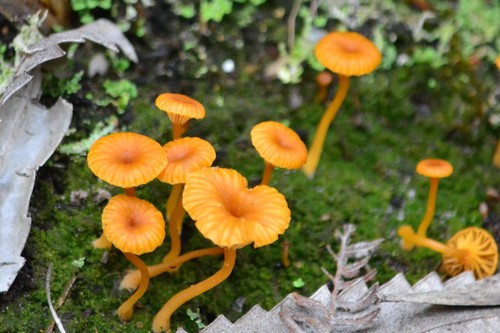
Cantharellula is a genus of mushroom-forming fungi in the family Hygrophoraceae. The genus was described by mycologist Rolf Singer in 1936.
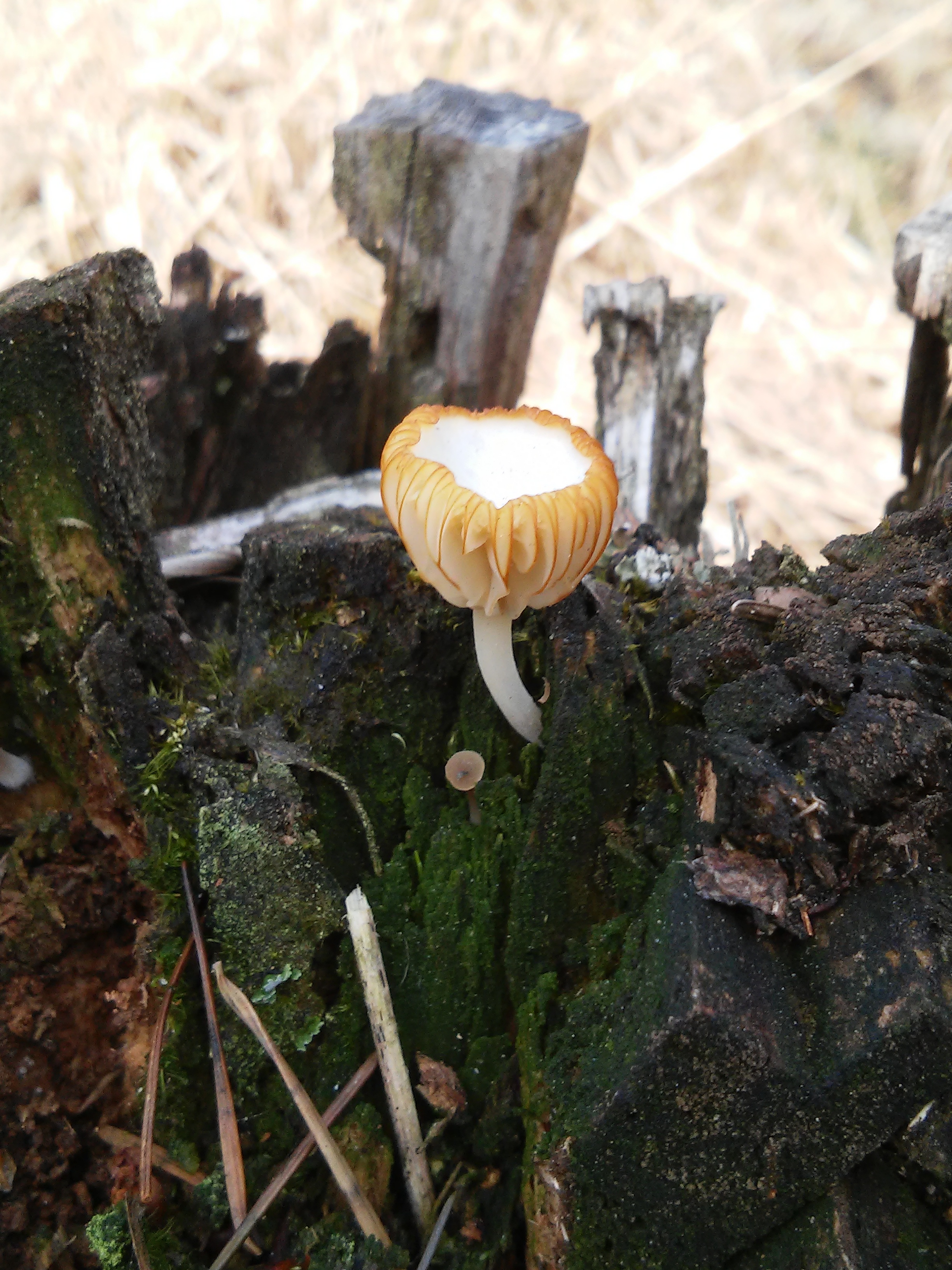
Lichenomphalia umbellifera
species of fungus
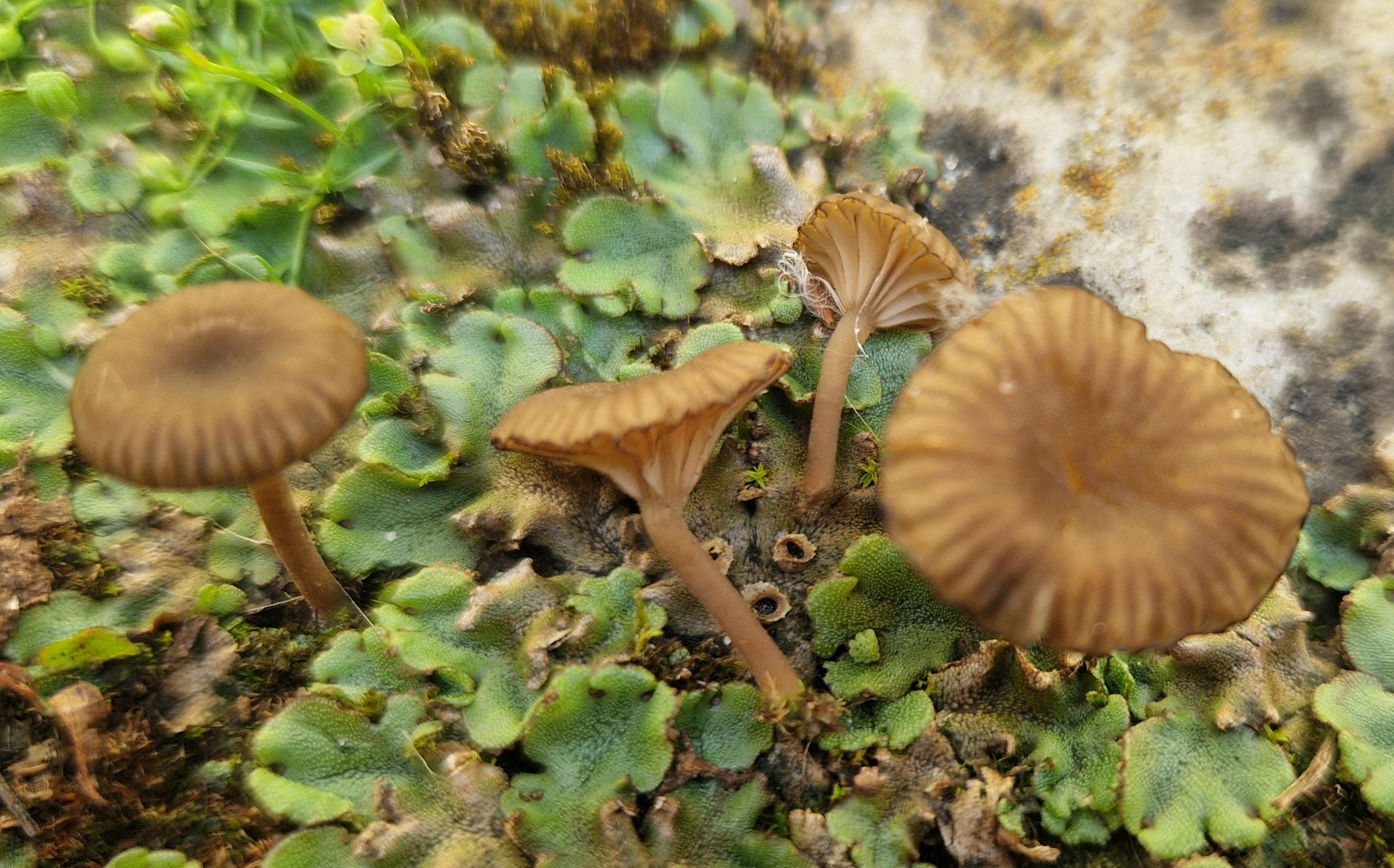
Arrhenia
Arrhenia is a genus of fungi in the family Hygrophoraceae. Arrhenia also includes species formerly placed in the genera Leptoglossum and Phaeotellus and the lectotype species itself has an unusual growth form that would not normally be called agaricoid. All of the species grow in association with photosynthetic organisms such as mosses and the alga found on decaying wood and soil biocrusts. Typically the fruitbodies of Arrhenia species are grey to black or blackish brown, due to high concentrations of fungal melanin.
%20Redhead%2C%20Lutzoni%2C%20Moncalvo%20%26%20Vilgalys%20152659.jpg)
Lichenomphalia
Lichenomphalia is both a basidiolichen and an agaric genus. Most of the species have inconspicuous lichenized thalli that consist of scattered, small, loose, nearly microscopic green balls or foliose small flakes containing single-celled green algae in the genus Coccomyxa, all interconnected by a loose network of hyphae. The agaric fruit bodies themselves are nonlichenized and resemble other types of omphalinoid mushrooms. These agarics lack clamp connections and do not form hymenial cystidia. The basidiospores are hyaline, smooth, thin-walled, and nonamyloid. Most of the species were original

Gliophorus laetus
species of fungus

Cuphophyllus lacmus
species of fungus
Cuphophyllus
Cuphophyllus is a genus of agaric fungi in the family Hygrophoraceae. Cuphophyllus species belong to a group known as waxcaps in English, sometimes also waxy caps in North America or waxgills in New Zealand. In Europe, Cuphophyllus species are typical of waxcap grasslands, a declining habitat due to changing agricultural practices. As a result, six species, Cuphophyllus atlanticus (as C. canescens), C. colemannianus, C. flavipes, C. lacmus, C. lepidopus, and C. radiatus, are of global conservation concern and are listed as "vulnerable" on the IUCN Red List of Threatened Species.

Ampulloclitocybe
Ampulloclitocybe is a genus of three species of fungi with a widespread distribution.

Gliophorus
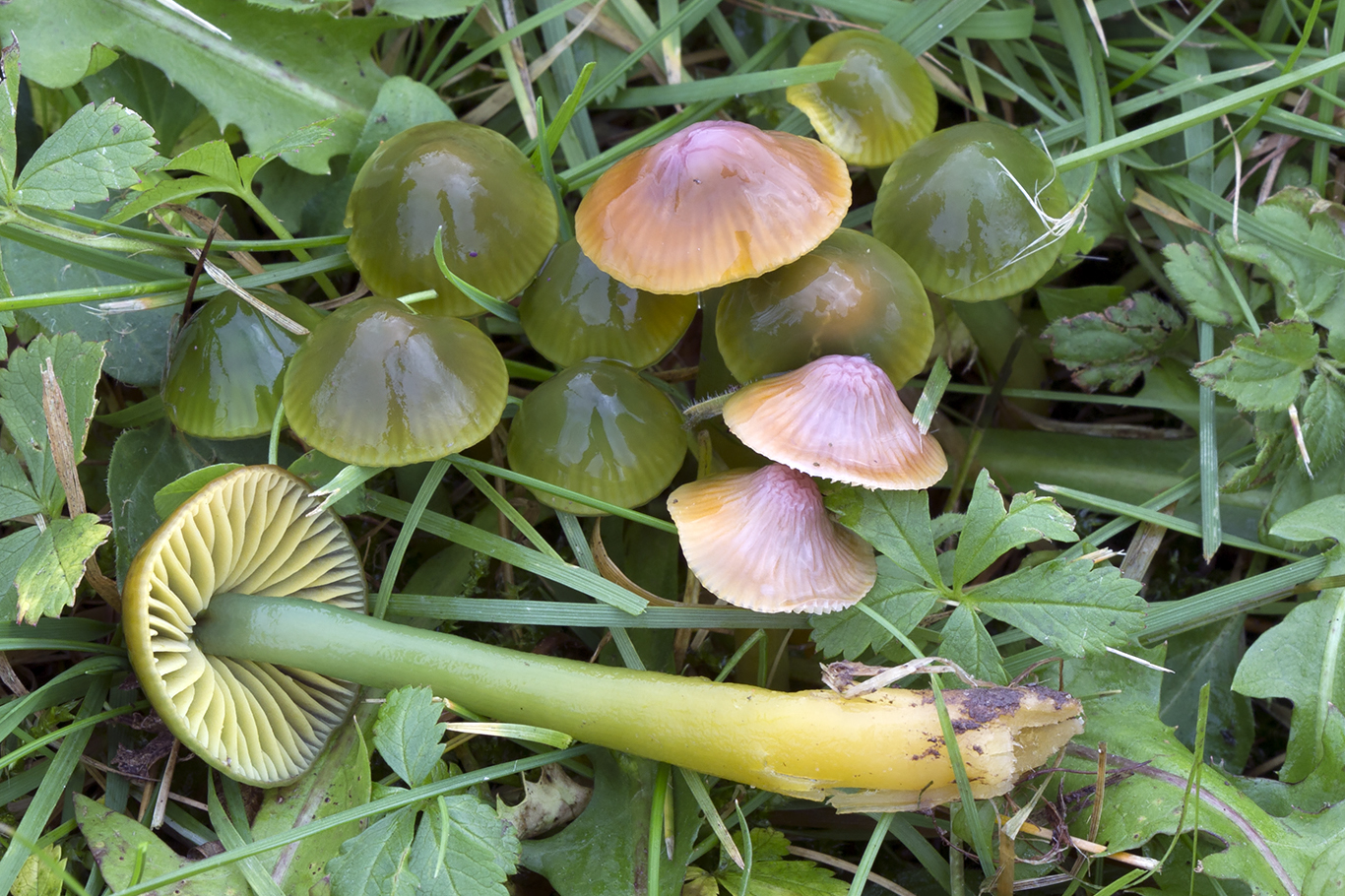
Gliophorus is a genus of agaric fungi in the family Hygrophoraceae. Gliophorus species belong to a group known as waxcaps in English, sometimes also waxy caps in North America or waxgills in New Zealand. In Europe, Gliophorus species are typical of waxcap grasslands, a declining habitat due to changing agricultural practices. As a result, two species, Gliophorus europerplexus and Gliophorus reginae, are of global conservation concern and are listed as "vulnerable" on the IUCN Red List of Threatened Species.
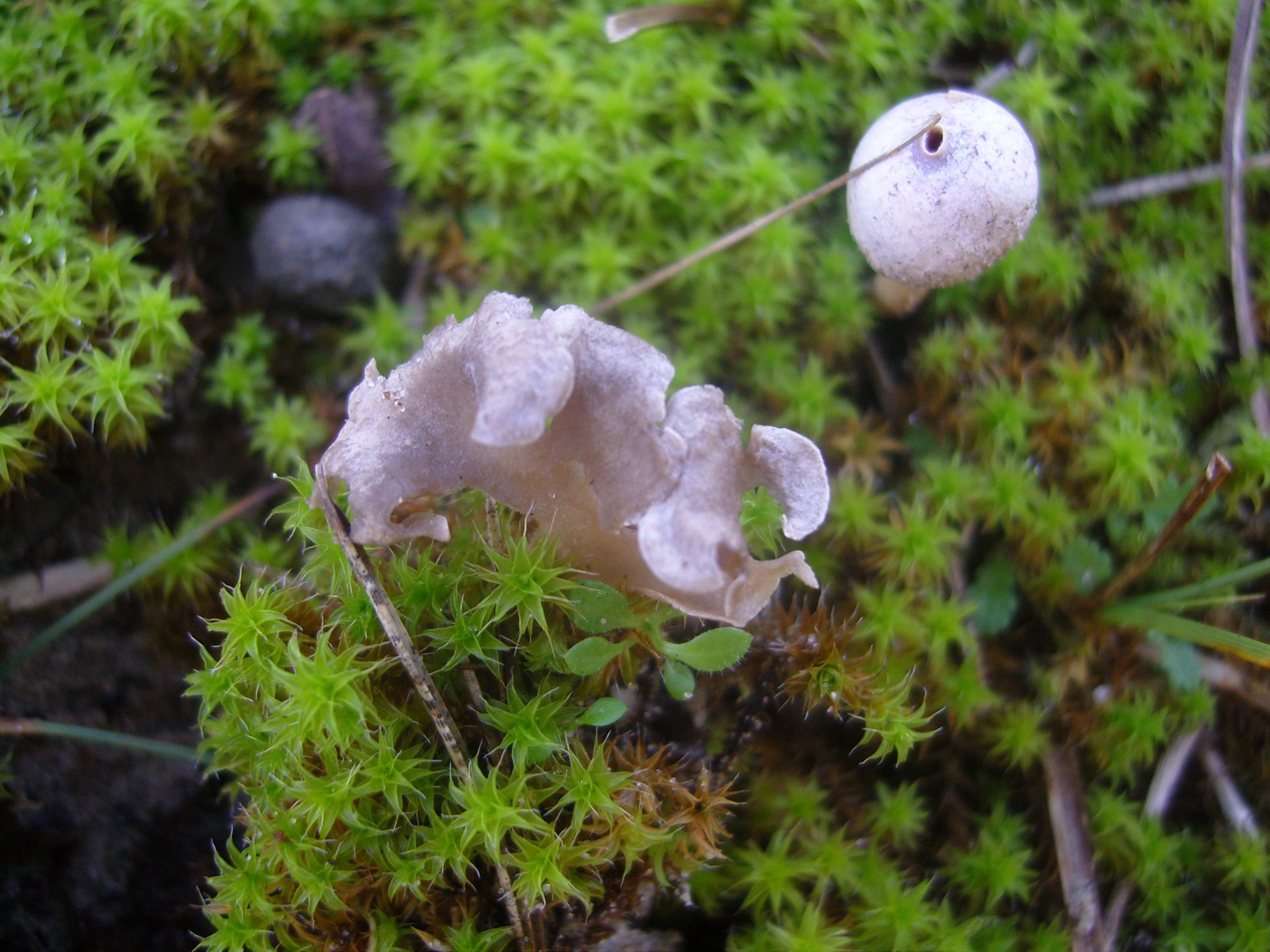
Arrhenia spathulata
species of fungus

Hygrophorus piceae
species of fungus

Arrhenia epichysium
species of fungus

Hygrocybe irrigata
species of fungus

Neohygrocybe ovina
species of fungus

Lichenomphalia hudsoniana
species of fungus

Arrhenia lobata
species of fungus
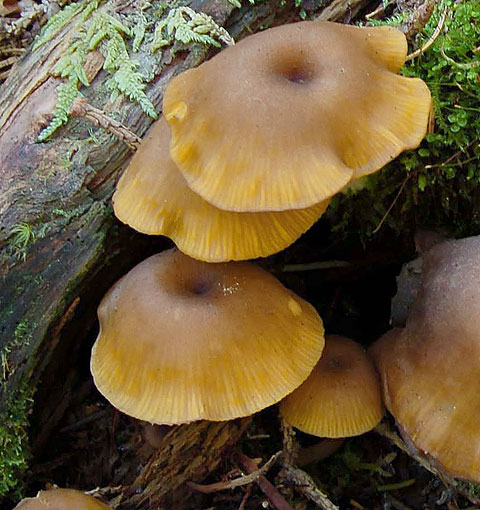
Chrysomphalina chrysophylla
species of fungus

Cuphophyllus colemannianus
species of Agaricomycetes
Haasiella
Haasiella is a fungal genus in the family Hygrophoraceae. It is a monotypic genus that contains only the species Haasiella venustissima. Haasiella splendidissima, formerly considered to be a distinct species based on its 4-spored basidia, was found by a DNA study to be synonymous with Haasiella venustissima. Haasiella venustissima is only known from Europe and is saprotrophic on wood. Haasiella was described as a new genus in 1966 by Czech mycologists František Kotlaba and Zdeněk Pouzar. It is most closely related to the genus Hygrophorus.

Gloioxanthomyces vitellinus
species of fungus
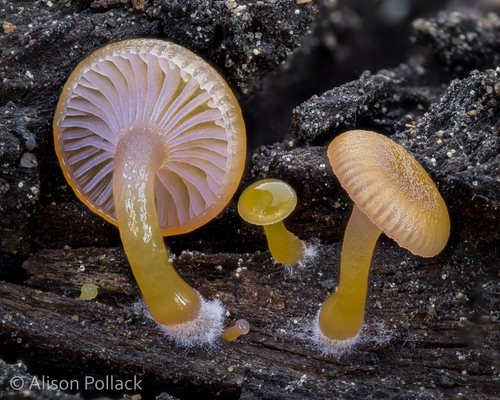
Chromosera cyanophylla
species of fungus
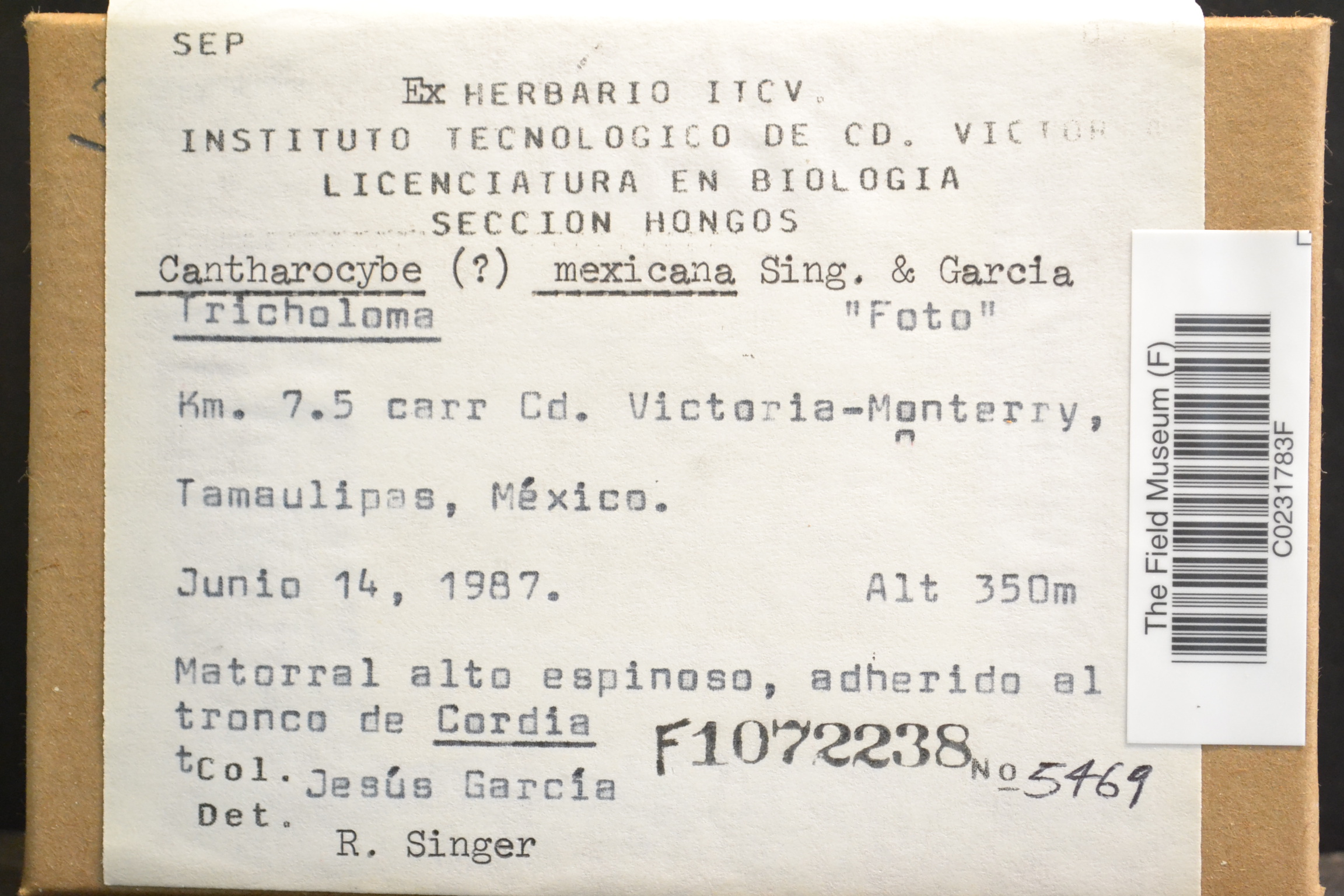
Cantharocybe
Cantharocybe is a genus of mushroom-forming fungi in the family Hygrophoraceae. The genus was described by American mycologists Howard E. Bigelow and Alexander H. Smith in 1973. Cantharocybe contains three species: the type C. gruberi, and C. brunneovelutina from Belize, reported as new to science in 2011, and C. virosa, transferred from "Megacollybia", and found in Bangladesh and India.

Arrhenia chlorocyanea
species of fungus

Pseudoarmillariella
Pseudoarmillariella is a genus of fungi in the family Hygrophoraceae. The genus contains three species found in Central America, North America, and Asia. Pseudoarmillariella was described by mycologist Rolf Singer in 1956.

Arrhenia acerosa
species of fungus
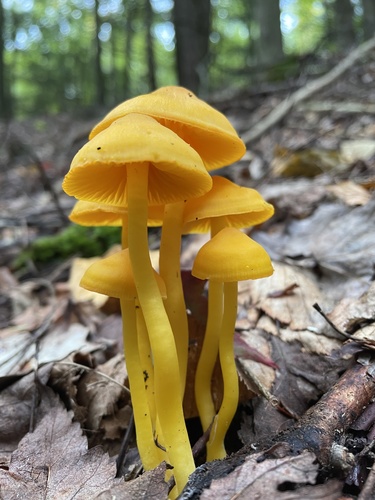
Humidicutis
Humidicutis is a small genus of brightly coloured agarics, the majority of which are found in Eastern Australia. They were previously described as members of Hygrocybe. The genus Porpolomopsis is closely related, and the species in it were once placed in Humidicutis. The genus was described by mycologist Rolf Singer in 1959.

Chrysomphalina
Chrysomphalina is a genus of three species of fungi with a north temperate distribution. The genus was circumscribed by Swiss mycologist Heinz Clémençon in 1982.
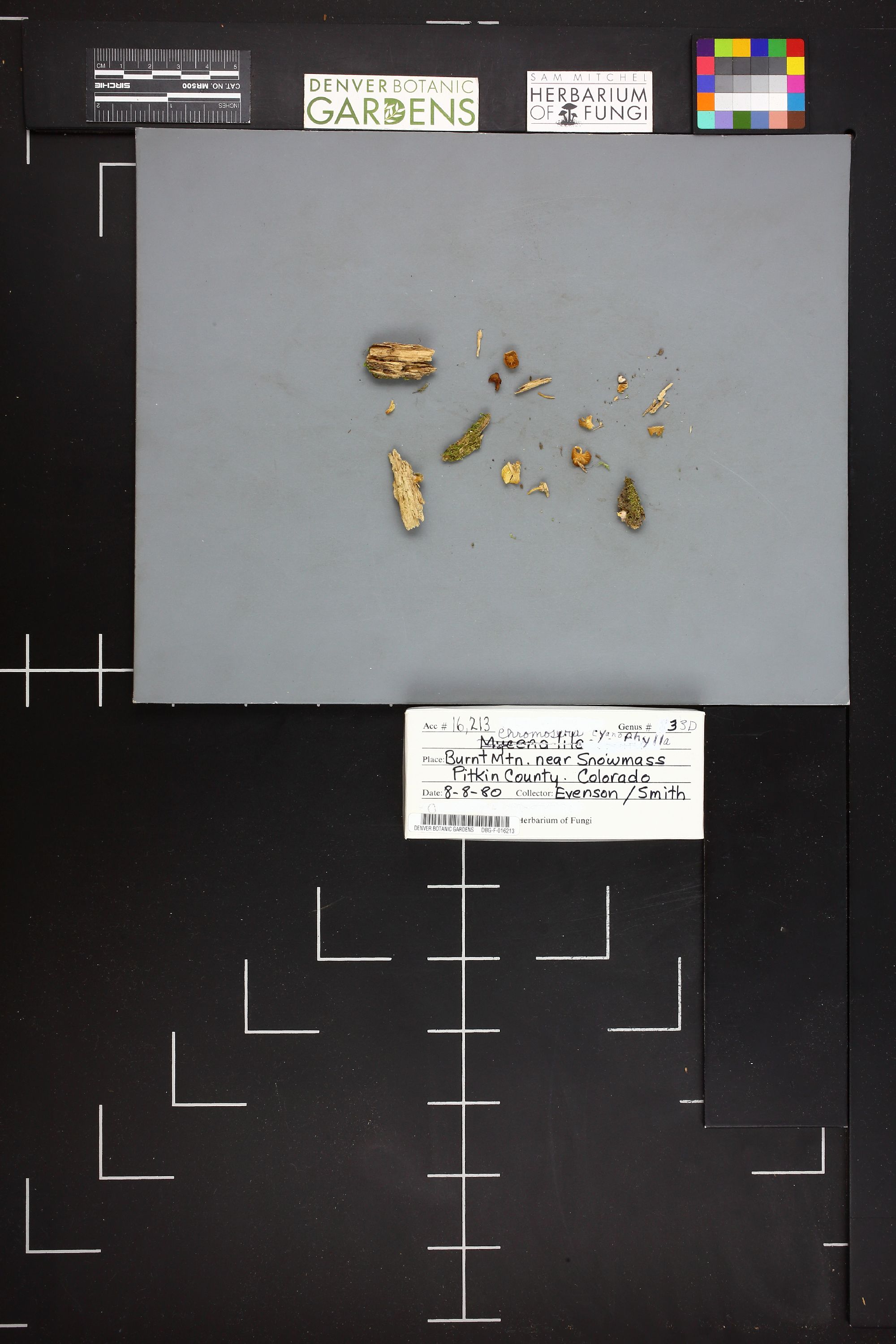
Chromosera
Chromosera is a genus of fungi in the family Hygrophoraceae. Within the family Hygrophoraceae it is closely related to the genus Gloioxanthomyces. It contains eight brightly colored species showing yellow and/or bluish to violet coloration. Three species are lignicolous, growing on decaying conifer wood. Other species grow on rich organic soil or peat. At least one species can be cultured and displays characteristic yellow and violet pigments in its mycelium. The generic name honors the mycologist Meinhard Moser, and also alludes (chromos) to the distinct coloration of the mushrooms, by overla
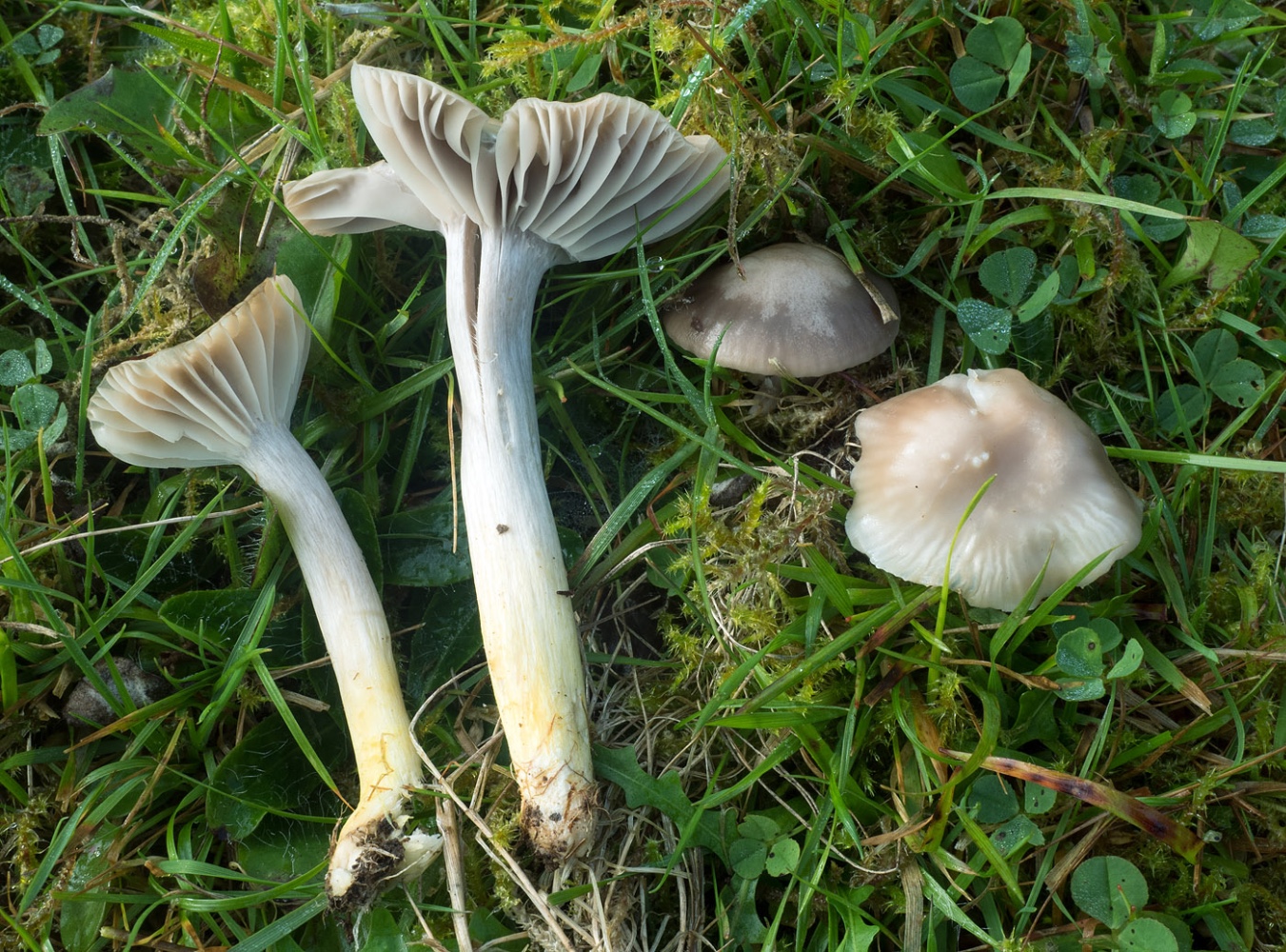
Cuphophyllus flavipes
species of fungi in the genus Cuphophyllus
Gliophorus chromolimoneus
species of fungus

Aeruginospora
Aeruginospora is a genus of fungi in the family Hygrophoraceae. It was formerly placed in the family Tricholomataceae, but it was moved to the Hygrophoraceae in a recent review of the family based on its morphological similarity to Chrysomphalina and especially Haasiella. It might be that Haasiella, which differs in spore color and ecology, is a junior synonym of Aeruginospora, but this has not yet been tested in a molecular phylogenetics study. The genus, described by Franz Xaver Rudolf von Höhnel in 1908, currently contains two species found in New Zealand and Indonesia. Six species formerly
Lichenomphalia velutina
species of fungus
Lichenomphalia chromacea
species of fungus
Gloioxanthomyces
Gloioxanthomyces is a genus of fungi in the family Hygrophoraceae. It was circumscribed in 2013 to contain G. nitidus, and the type species, G. vitellinus. Within the Hygrophoraceae, it is in the tribe Chromosereae and closely related to the genus Chromosera. The generic name derives from the Greek gloio ("glutinous"), xantho ("yellow"), and myces (fungus).
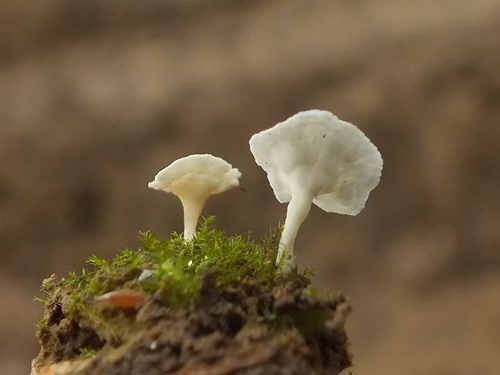
Cyphellostereum
Cyphellostereum is a genus of basidiolichens. Species produce white, somewhat cup-shaped fruit bodies on a thin film of green on soil which is the thallus. All Cyphellostereum species have nonamyloid spores and tissues, lack clamp connections, and also lack hymenial cystidia.
Neohygrocybe nitrata
species of fungus
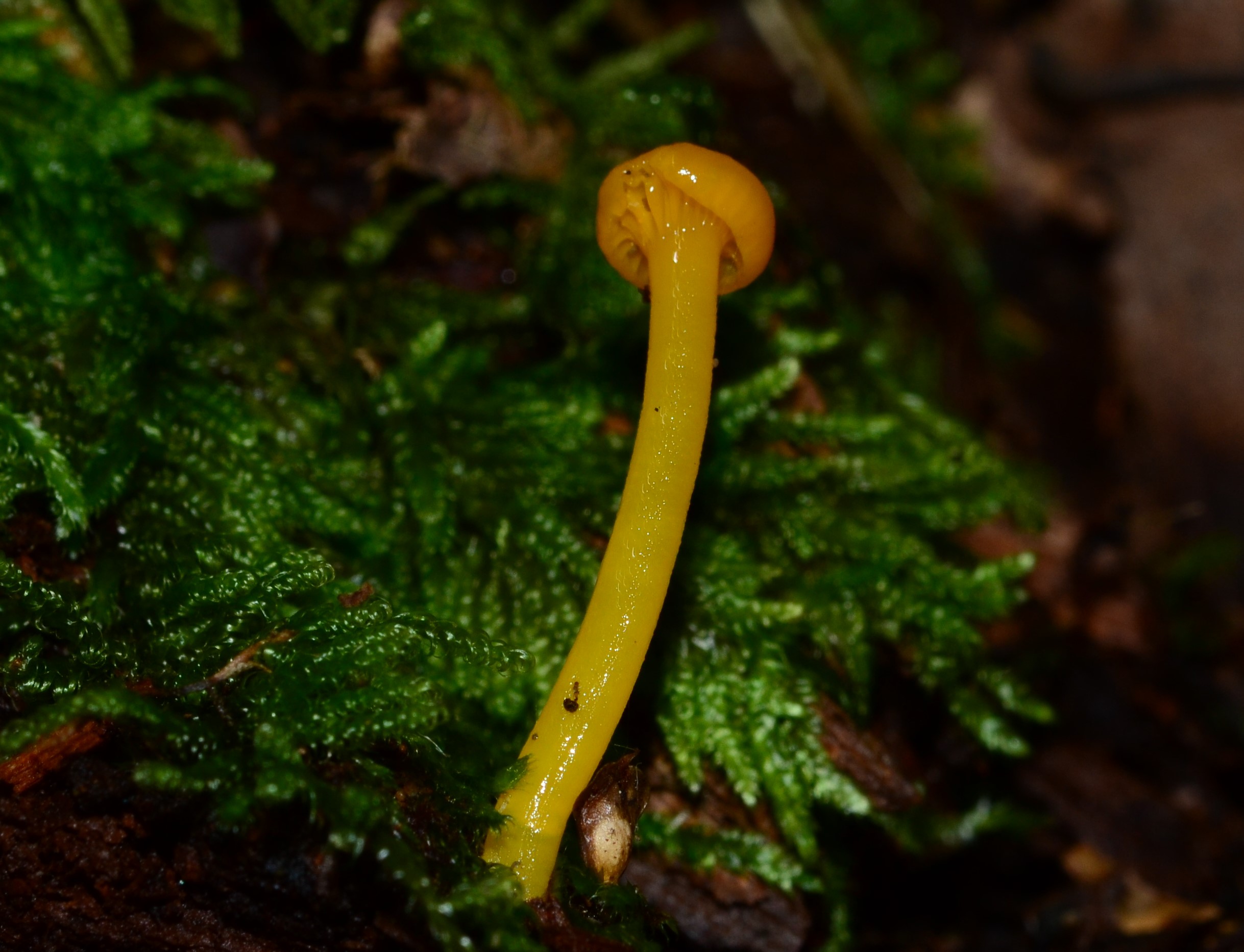
Gloioxanthomyces nitidus
species of fungus
Gliophorus versicolor
species of fungus
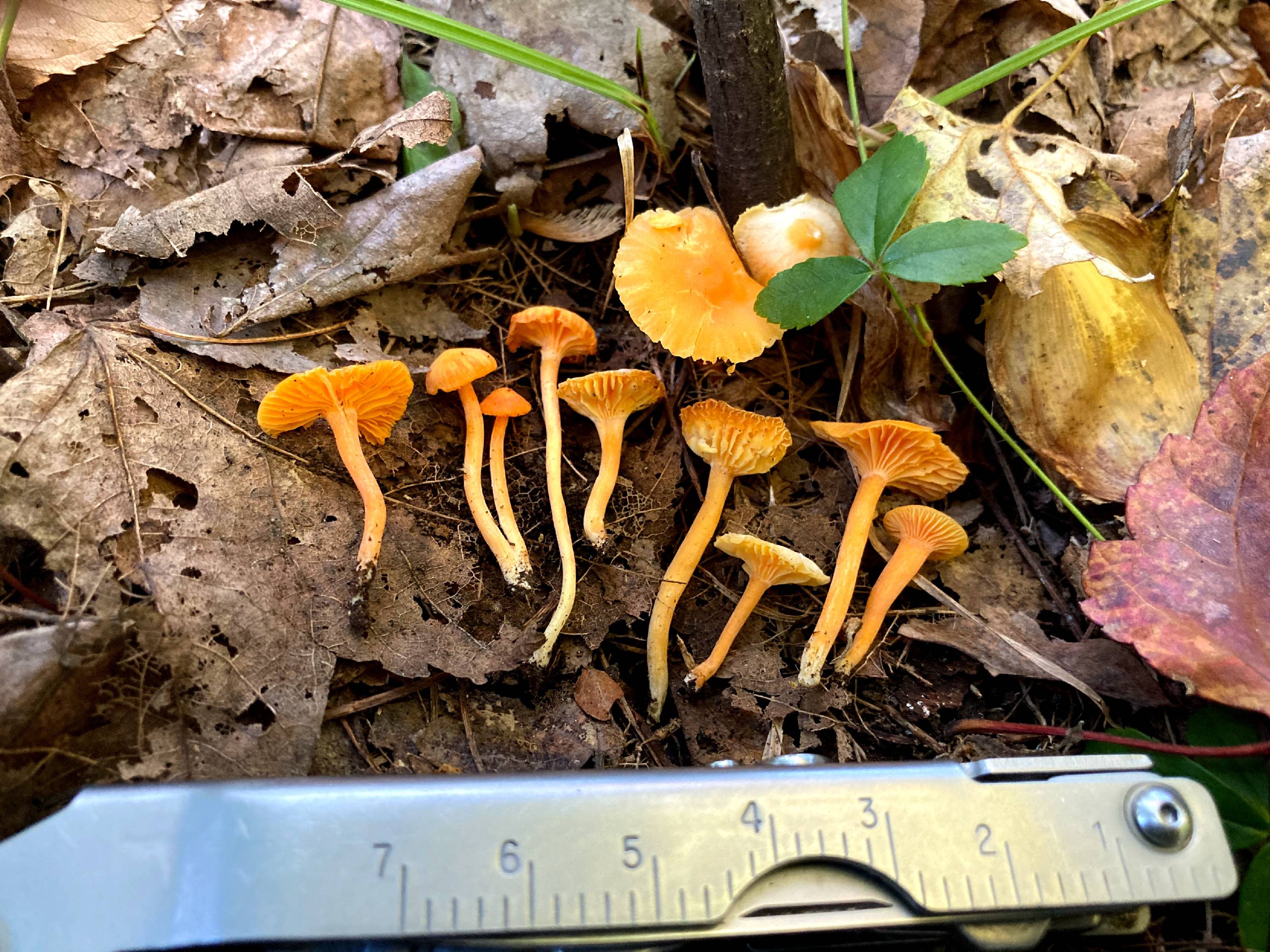
Humidicutis marginata
species of fungus
Gliophorus lilacipes
species of fungus
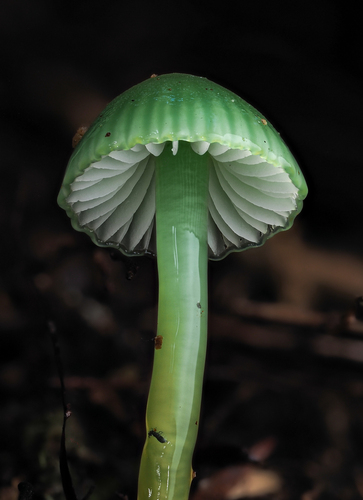
Gliophorus viridis
species of fungus
Gliophorus viscaurantius
species of fungus
Aeruginospora singularis
species of fungus
Acantholichen
Acantholichen is a genus of basidiolichen-forming fungus species in the family Hygrophoraceae. The genus was established in 1998 by the Per Magnus Jørgensen based on a single species from Costa Rica, but has since grown to include seven recognized species found across Central and South America. These lichens form crusts made of tiny, scale-like flaps that give them a finely granular appearance, quite different from the thread-like growth of their close relatives. Acantholichen species partner with blue-green bacteria to create their living structures, using specialized fungal pegs to exchange
Gliophorus graminicolor
species of fungus

Porpolomopsis calyptriformis
species of fungi in the genus Porpolomopsis
Aphroditeola
Aphroditeola is an agaric fungal monotypic genus that produces pink cantharelloid fruit bodies on coniferous forest floors. The lamellae are forked and typically the fruit bodies have a fragrant odor described as candy-like, cinnamon-like or pink bubble gum-like. It contains the one species Aphroditeola olida, which is commonly known as the pink bubblegum mushroom.
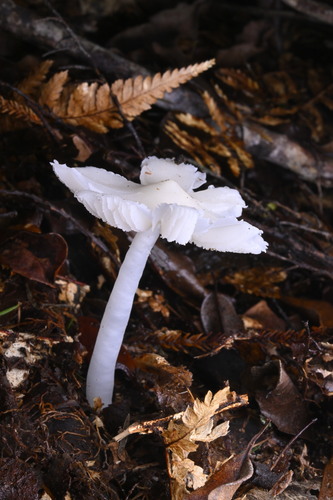
Humidicutis mavis
species of fungus
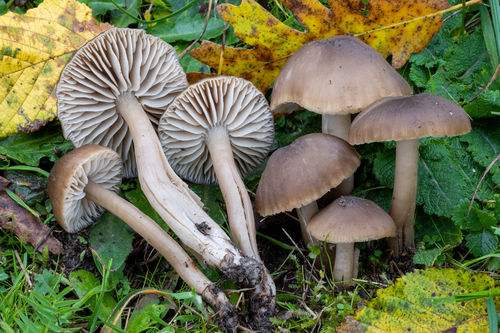
Neohygrocybe
Neohygrocybe is a genus of agaric fungi in the family Hygrophoraceae. Neohygrocybe species belong to a group known as waxcaps in English, sometimes also waxy caps in North America or waxgills in New Zealand. In Europe, Neohygrocybe species are typical of waxcap grasslands, a declining habitat due to changing agricultural practices. As a result, three species, Neohygrocybe ingrata, Neohygrocybe nitrata, and Neohygrocybe ovina, are of global conservation concern and are listed as "vulnerable" on the IUCN Red List of Threatened Species.
Porpolomopsis
Porpolomopsis is a genus of fungi in the family Hygrophoraceae. It was circumscribed in 2008 by Andreas Bresinsky to contain P. calyptriformis. Bresinsky separated it from the genus Hygrocybe based on its color and the absence of DOPA pigments. P. lewelliniae was transferred to the genus based on DNA and morphology. Three undescribed species also belong in the genus. Species of Porpolomopsis have also formerly been placed in the genus Humidicutis, to which they are closely related but differ in having narrowly attached or free gills and the shape of the hyphae in their cap. Species o
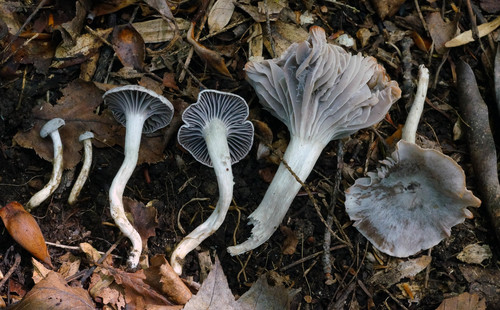
Cuphophyllus canescens
species of Agaricomycetes