Category
page 1Inflorescence vegetables

broccoli
Broccoli (Brassica oleracea var. italica) is an edible green plant in the cabbage family (family Brassicaceae, genus Brassica) whose large flowering head, stalk and small associated leaves are eaten as a vegetable. Broccoli is classified in the Italica cultivar group of the species Brassica oleracea. Broccoli has large flower heads, or florets, usually dark green, arranged in a tree-like structure branching out from a thick stalk, which is usually light green. Leaves surround the mass of flower heads. Broccoli resembles cauliflower, a different but closely related cultivar group of the same Br

Brassica oleracea var. botrytis
thumb|right|150px|Cauliflower plants growing in a nursery

globe artichoke
The artichoke (Cynara cardunculus var. scolymus) is a variety of a species of thistle cultivated as food.

Calendula officinalis
species of plant

Typha
Typha is a genus of about 30 species of monocotyledonous flowering plants in the family Typhaceae. These plants have a variety of common names, in British English bulrush or (mainly historically) reedmace, in American English cattail or punks, in Australia cumbungi or bulrush, in Canada bulrush or cattail, and in New Zealand raupō, bullrush, cattail, or reed.

Leucanthemum vulgare
species of plant

Sesbania grandiflora
species of plant

Cynara cardunculus
The cardoon (Cynara cardunculus ), also called the artichoke thistle, is a thistle in the family Asteraceae. It is a naturally occurring species that also has many cultivated forms, including the globe artichoke. It is native to the Mediterranean region, where it was domesticated in ancient times and still occurs as a wild plant.

Hemerocallis
A daylily, day lily or ditch-lily is a flowering plant in the genus Hemerocallis , a member of the family Asphodelaceae, subfamily Hemerocallidoideae, native to Asia. Despite the common name, it is not taxonomically classified in the lily genus. Gardening enthusiasts and horticulturists have long bred Hemerocallis species for their attractive flowers; a select few species of the genus have edible petals, while some are extremely toxic. Thousands of cultivars have been registered by the American Daylily Society, the only internationally recognized registrant according to the International Code
Romanesco broccoli
vegetable, an edible flower bud of the species Brassica oleracea
%20Roscoe%2C%201804.jpg)
Zingiber mioga
thumb|Ginger leaves, illustration from the Japanese agricultural encyclopedia Seikei Zusetsu (1804)
or Japanese ginger is the species Zingiber mioga in the family Zingiberaceae. It is a deciduous herbaceous perennial native to Japan, China, and the southern part of Korea. Only its edible flower buds and flavorful shoots are used in cooking. The flower buds are finely shredded and used in Japanese cuisine as a garnish for miso soup, sunomono, and dishes such as roasted eggplant. In Korean cuisine, the flower buds are skewered alternately with pieces of meat and then are pan-fried.

Careya arborea
species of plant

Telosma cordata
species of plant
edible flower
flowers that may be consumed safely

broccolini
thumb|US Broccolini
thumb|Broccolini dressed with sesame sauce

Hemerocallis minor
species of plant

Typha orientalis
species of plant

Sesbania bispinosa
species of plant

Aloe nuttii
species of plant
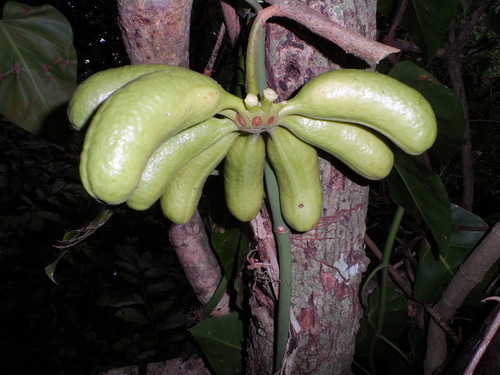
Cymbopetalum penduliflorum
species of plant
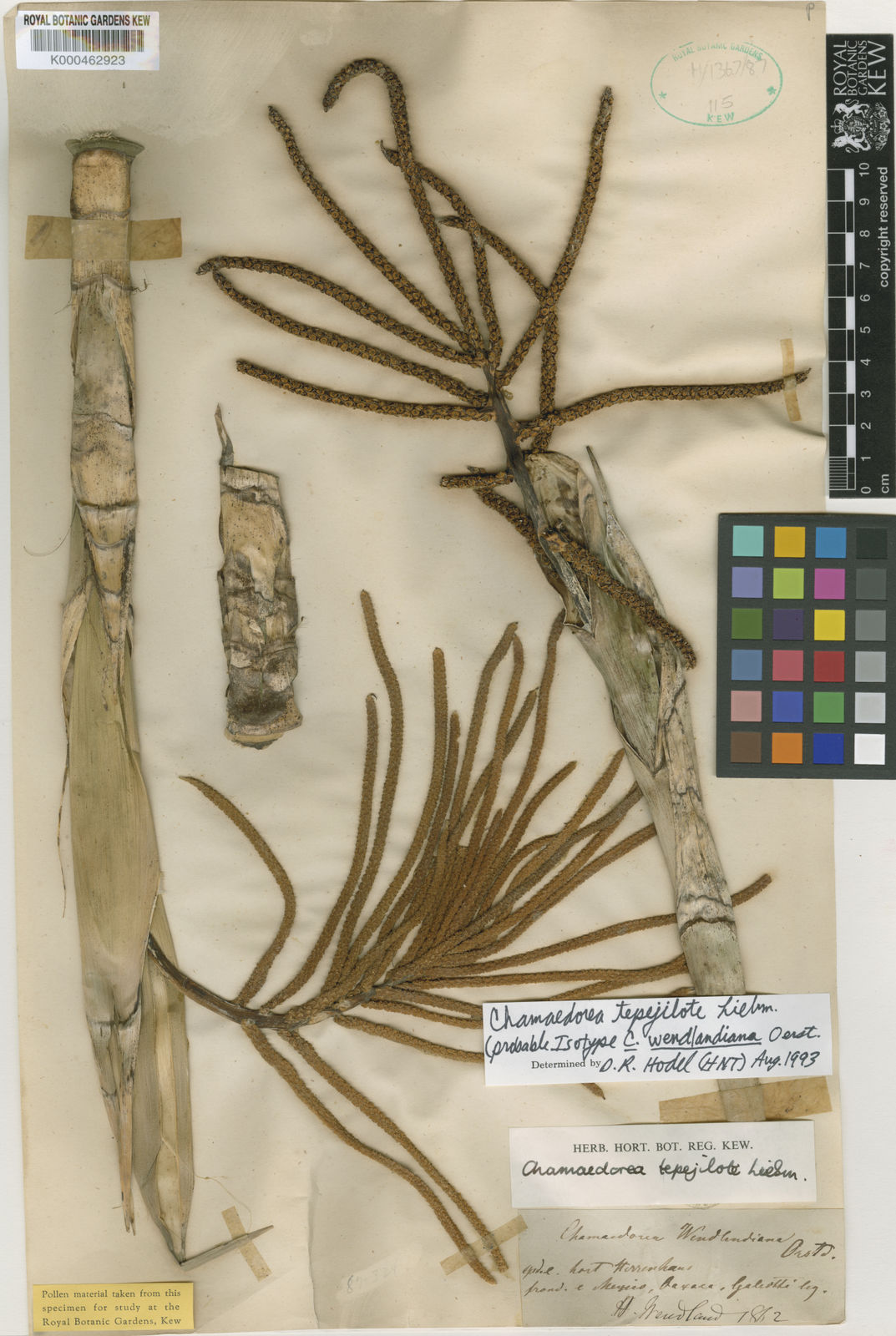
Chamaedorea tepejilote
species of plant
broccoflower
Broccoflower is either of two edible plants of the species Brassica oleracea with light green heads. The edible portion is the immature flower head (inflorescence) of the plant.
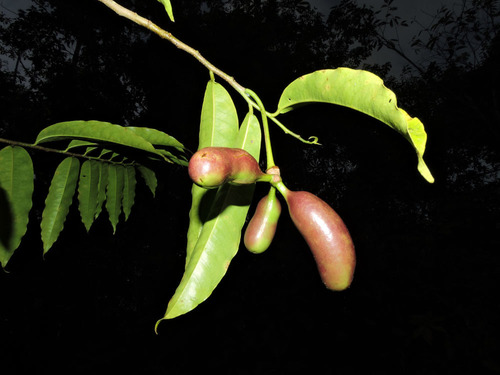
Cymbopetalum costaricense
species of plant
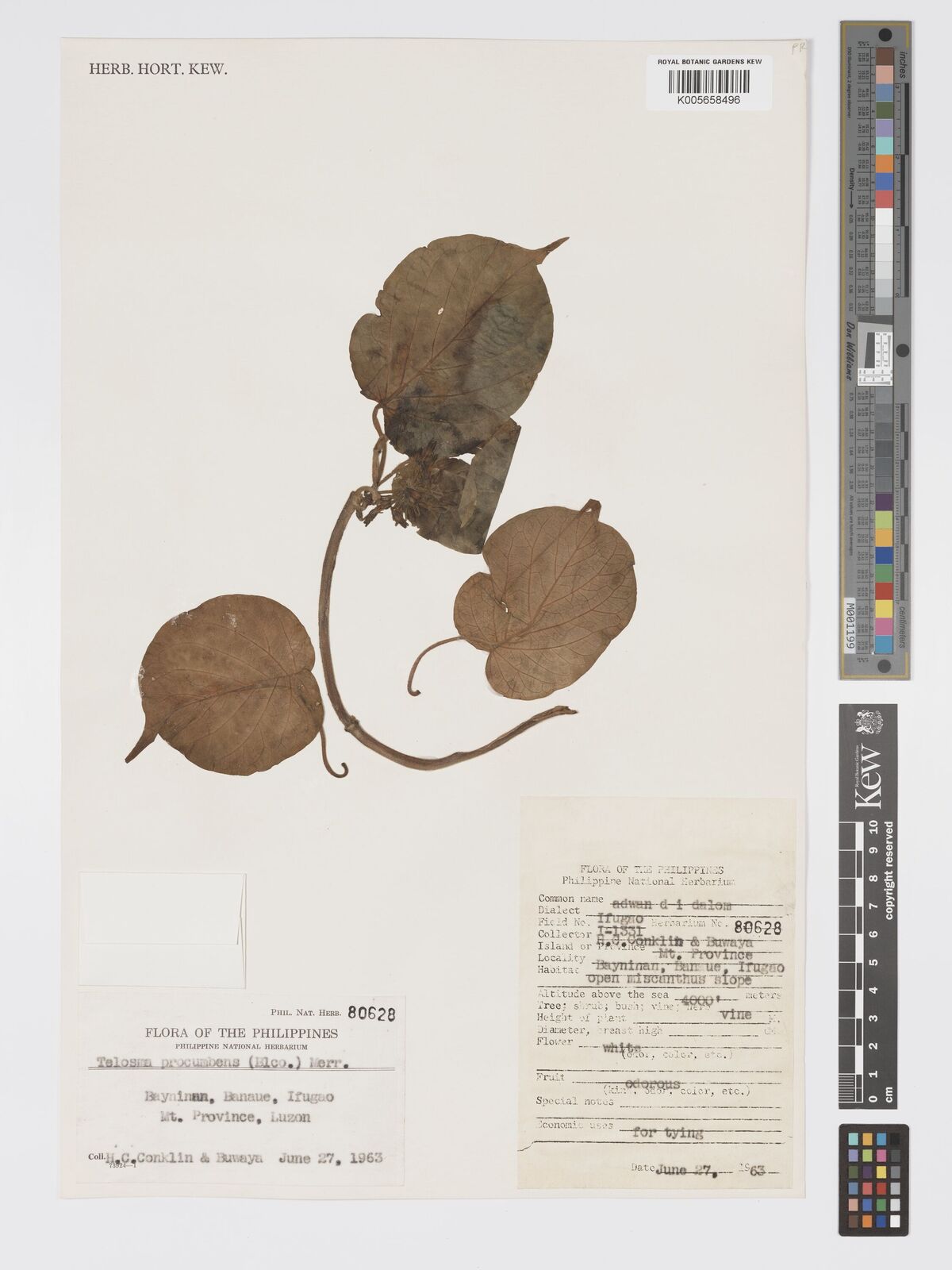
Telosma procumbens
species of plant
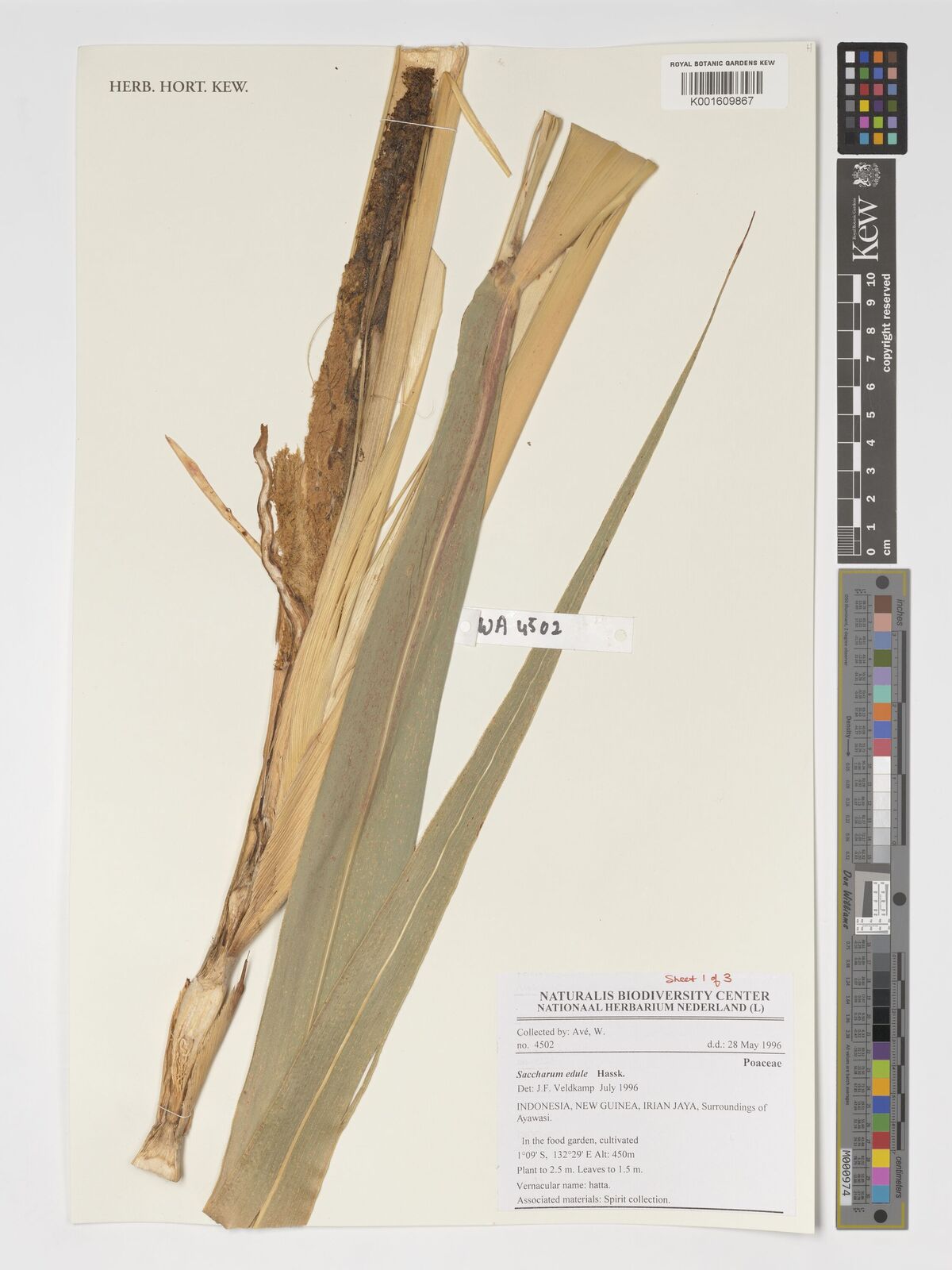
Saccharum edule
species of plant