Category
page 1Language articles with IETF language tag

Czech
West Slavic language

Romansh
Romance language spoken in the Swiss canton of Grisons (Graubünden)

Māori
Polynesian language spoken in New Zealand

Volapük
Volapük (; , 'Language of the World', or ) is a constructed language created in 1879 and 1880 by Johann Martin Schleyer, a Roman Catholic priest in Baden, Germany. Notable as the first major constructed international auxiliary language, it primarily drew from Germanic languages. Its grammar is inspired largely by German, although it was heavily regularized by Schleyer, while its lexicon is rooted mostly in English, with additional influence from German, the Romance languages, and Russian. Despite some roots remaining recognizable, many words were altered beyond recognition, as Schleyer sought

Serbo-Croatian
Serbo-Croatian, also known as Bosnian-Croatian-Montenegrin-Serbian (BCMS), is a Western South Slavic language and the primary language of Serbia, Croatia, Bosnia and Herzegovina, and Montenegro. It is a pluricentric language with four mutually intelligible standard varieties, namely Serbian, Croatian, Bosnian, and Montenegrin.

Toki Pona
minimalist language created by Sonja Lang
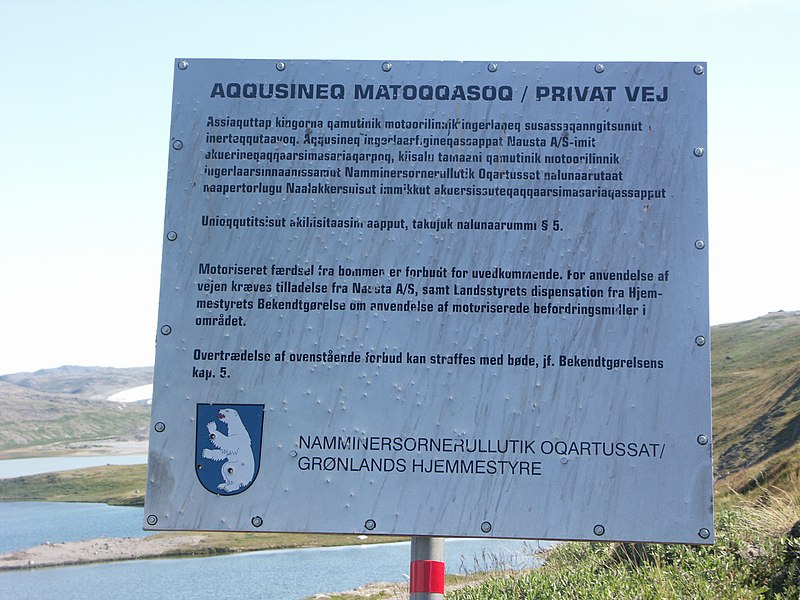
Greenlandic
Eskimo-Aleut language spoken in Greenland
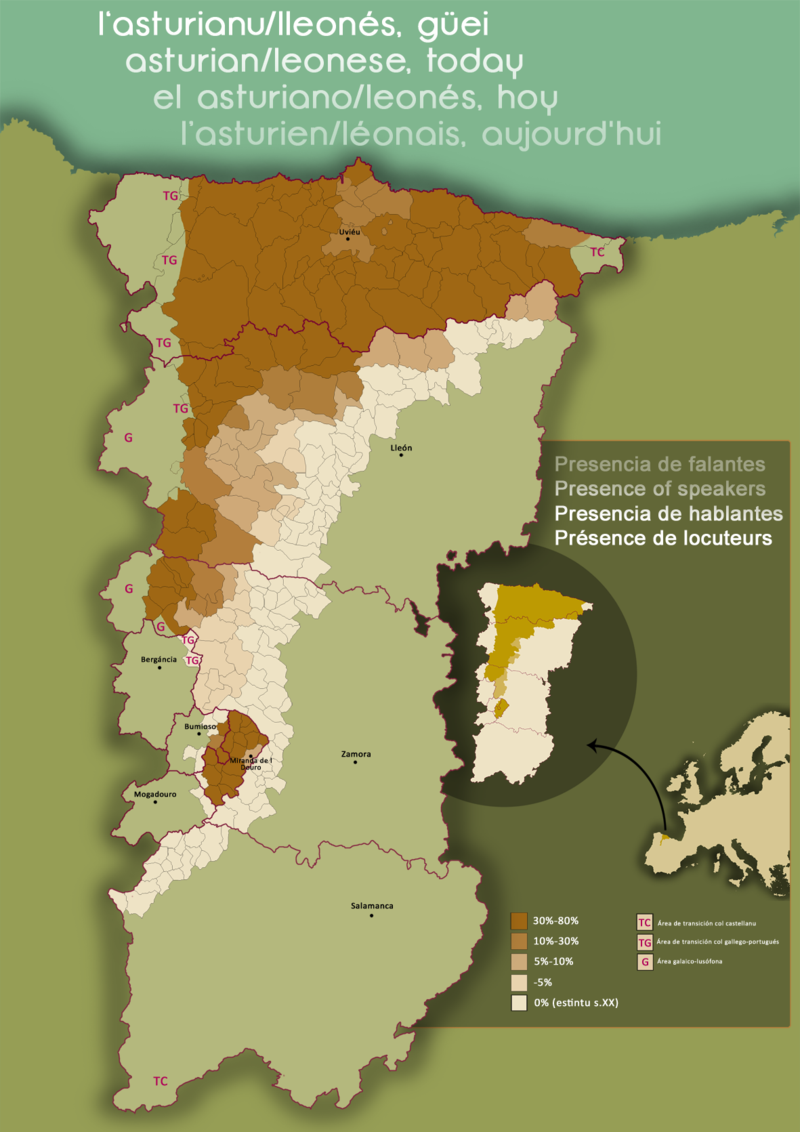
Asturian
Romance language of the West Iberian group

Maldivian
Indo-Aryan national language of the Maldives

Interslavic
Interslavic ( / ) is a pan-Slavic auxiliary language. Its purpose is to facilitate communication between speakers of various Slavic languages, as well as to allow people who do not speak a Slavic language to communicate with Slavic speakers by being mutually intelligible with most, if not all, Slavic languages. For Slavs and non-Slavs, it can be used for educational purposes as well. Its use spans a broad range of fields, including tourism and education.
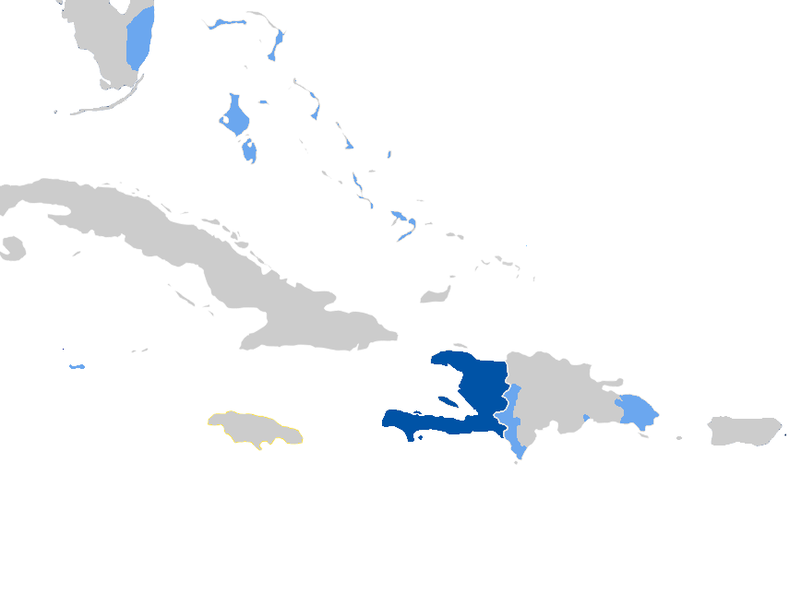
Haitian Creole
language spoken in Haiti
Leonese
set of certain vernacular Romance language varieties spoken in León and Zamora (Spain)

Judaeo-Spanish
Judaeo-Spanish or Judeo-Spanish (autonym , Hebrew script: ), also known as Ladino or Judezmo, Sephardi or Spaniolit, is a Romance language derived from Castilian Old Spanish.

Glosa
Glosa is a constructed international auxiliary language based on Interglossa (a previous draft of an auxiliary published in 1943). The first Glosa dictionary was published 1978. The name of the language comes from the Greek root glossa meaning tongue or language.
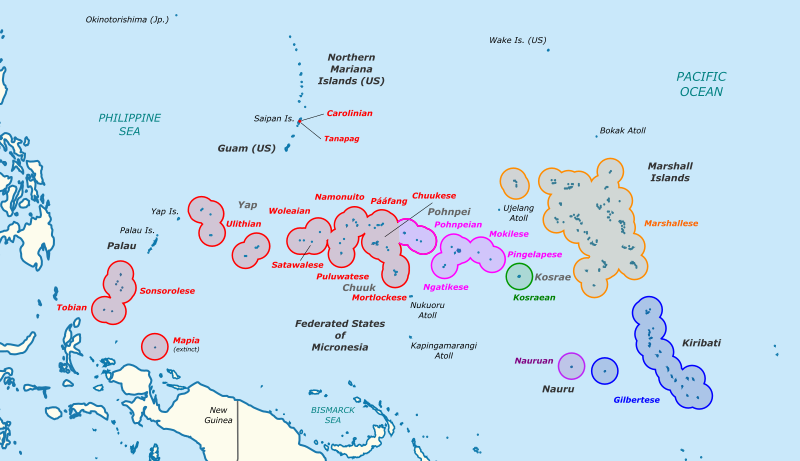
Nauruan
Austronesian language spoken in Nauru

Norman
Romance language of northwest France

Egyptian Arabic
Arabic dialect spoken in Egypt
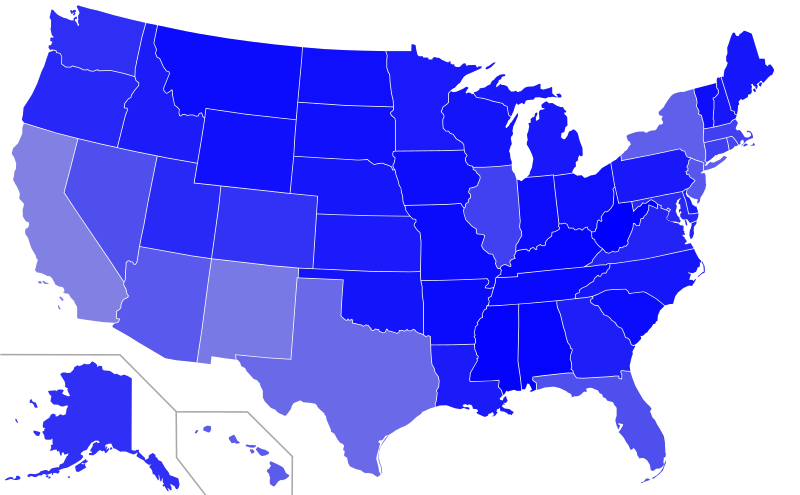
American English
set of dialects of the English language spoken in the United States
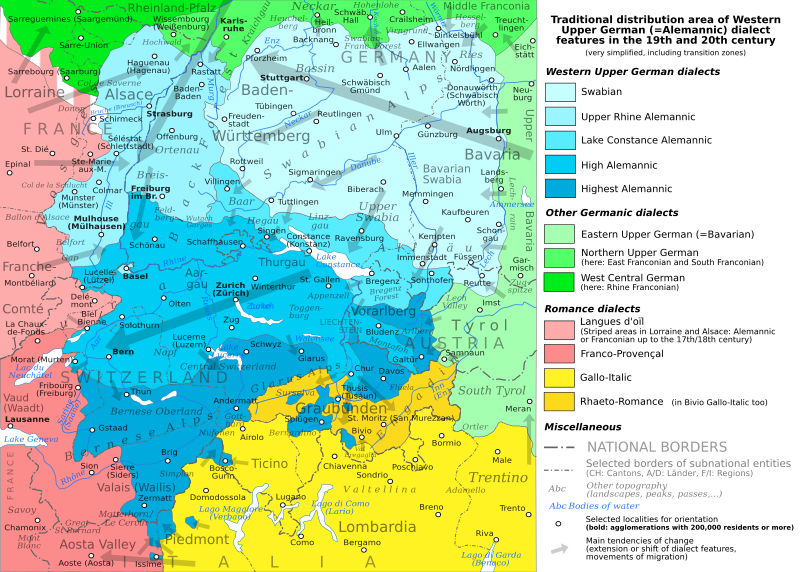
Alemannic
group of dialects of the Upper German branch of the Germanic language family

Chilean Spanish
Spanish dialect written and spoken in Chile
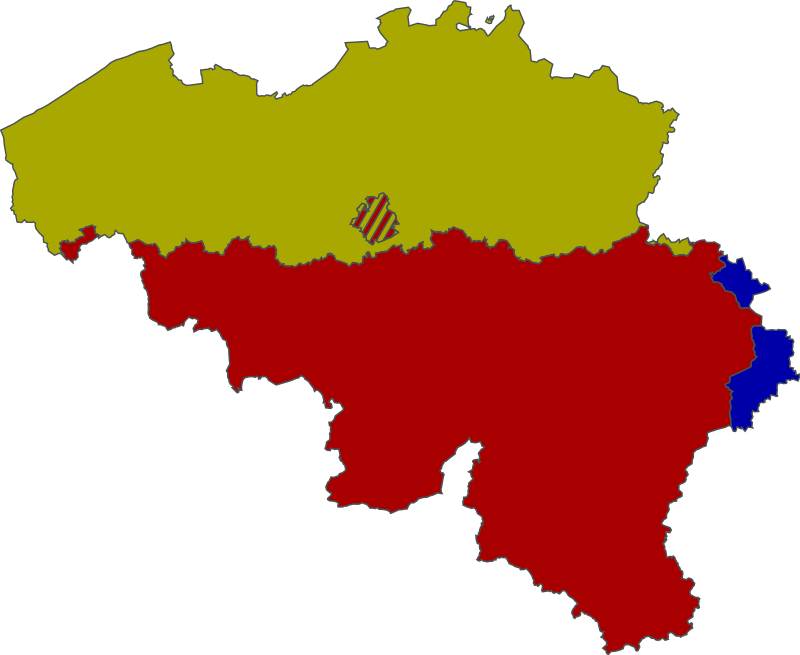
Flemish Dutch
dialect of the Dutch language spoken in the Flemish Region

Monégasque
Gallo-Italic language or dialect spoken in Monaco

Tuvaluan
Polynesian language spoken in Tuvalu

British English
forms of the English language used in Britain

Valencian
language of the Valencian Community
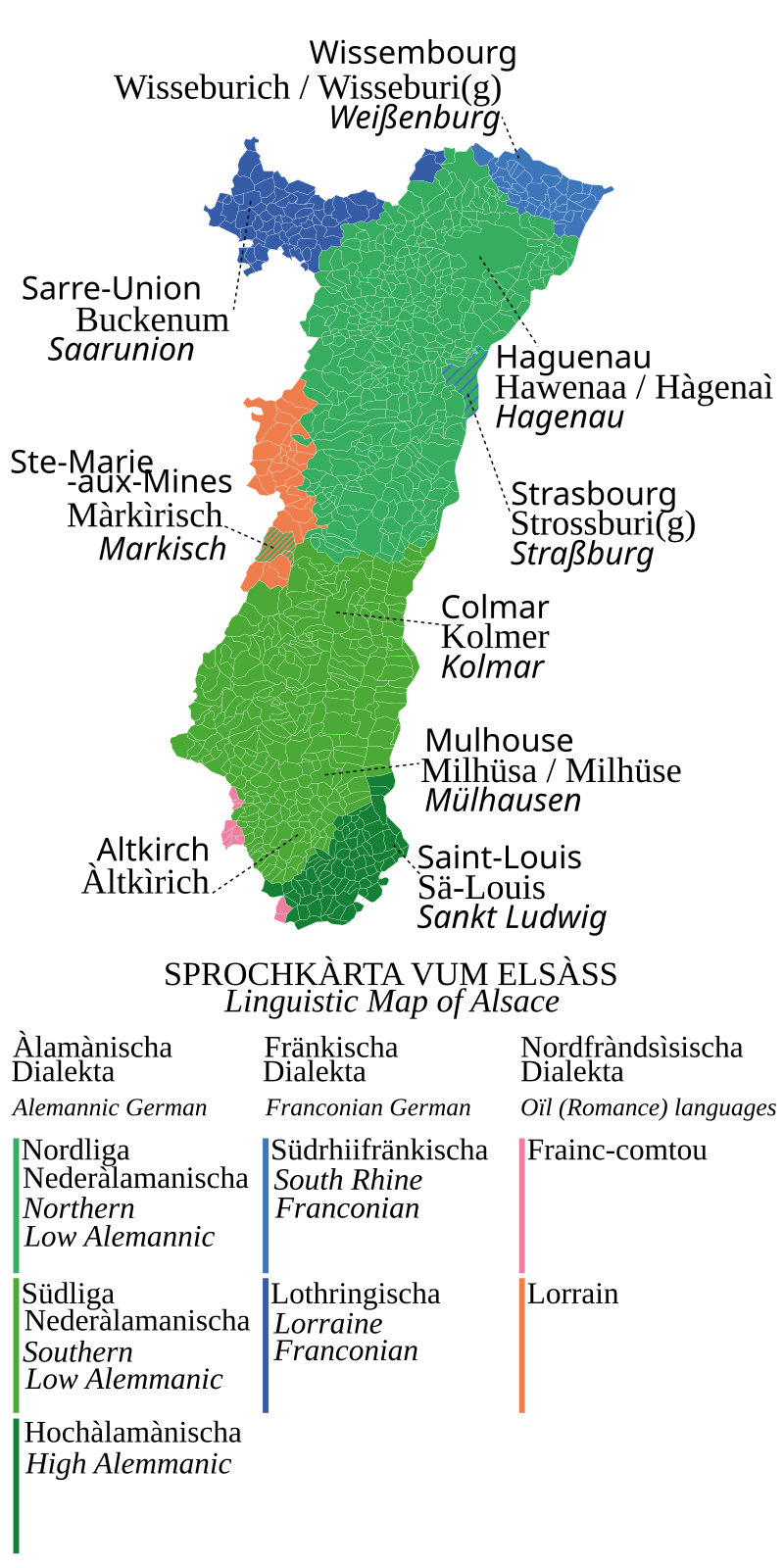
Alsatian
Low Alemannic German dialect spoken in most of Alsace, a region in eastern France
Lydnevi
Lydnevi is a fictional North Slavic language created in 2002 by the Czech linguist Libor Sztemon.

Na'vi
constructed science-fiction language

Provençal
dialect of the Occitan language

Swiss German
Alemannic dialects spoken in the German-speaking part of Switzerland

Gallo
regional language of France

Aranese
Occitan language dialect
Basic English
English-based controlled language

Solresol
Solresol (Solfège: Sol-Re-Sol), originally called (lit. 'Universal language') and then ('Universal musical language'), is a musical constructed language devised by French music teacher and composer Jean-François Sudre (1787–1862), beginning in 1817. His book defining it, , was published posthumously in 1866, though he had already been publicizing it for some years. Solresol enjoyed a brief spell of popularity in the latter half of the century and was sponsored by such figures as Victor Hugo, Alphonse de Lamartine, Alexander von Humboldt and Napoleon III, culminating with Boleslas Gajewski's pu

Gascon
Occitan dialect spoken in southwestern France, and Catalonia, Spain

Australian English
set of varieties of the English language native to Australia
Cook Islands Maori
Eastern Polynesian language of the Cook Islands
Jèrriais
thumb| teacher Ben Spink speaks and tells the words of the song by Frank Le Maistre.
' ( ; also known as the Jersey language, Jersey French and Jersey Norman French' in English) is a Romance language and the traditional language of the Jersey people. It is a form of the Norman language spoken in Jersey, an island in the Channel Islands archipelago off the coast of France. Its closest relatives are the other Norman languages, such as , spoken in neighbouring Guernsey, and the other .

Canadian English
set of varieties of the English language native to Canada
Crimean Gothic
dialect
Ulster Scots
Scots as spoken in Ulster, Ireland
Pitkern
Pitkern, also known as Pitcairn-Norfolk or Pitcairnese, is a creole spoken on Pitcairn and Norfolk islands. It is a mixture of English and Tahitian, and has been given many classifications by scholars, including cant, patois, and Atlantic creole. Although spoken on Pacific Ocean islands, it has been described as an Atlantic or semi-Atlantic creole due to the lack of connections with other English-based creoles of the Pacific. There are fewer than 50 speakers on Pitcairn Island, a number which has been steadily decreasing since 1971.
Swabian
Upper German dialect

Norfuk
dialect of Pitcairn-Norfolk

Ithkuil
Ithkuil is an experimental constructed language created by John Quijada. It is designed to express more profound levels of human cognition briefly yet overtly and clearly, particularly about human categorization. It is a cross between an a priori philosophical and a logical language. It tries to minimize the vagueness and semantic ambiguity in natural human languages. Ithkuil is notable for its grammatical complexity and extensive phoneme inventory, the latter being simplified in an upcoming redesign. The name "Ithkuil" is an anglicized form of Iţkuîl, which in the original form roughly meant

Dothraki
fictional language in "Game of Thrones"
Amis
East Formosan language of Taiwan
Loglan
Loglan is a logical constructed language originally designed for linguistic research, particularly for investigating the Sapir–Whorf hypothesis. The language was developed beginning in 1955 by Dr. James Cooke Brown with the goal of making a language so different from natural languages that people learning it would think in a different way if the hypothesis were true. In 1960, Scientific American published an article introducing the language. Loglan is the first among, and the main inspiration for, the languages known as logical languages, which also includes Lojban.
Austrian German
variety of Standard German written and spoken in Austria and North Italy
Latino sine flexione
Latin-based international auxiliary language

Auvergnat
' (; ) or ' (endonym: ) is a northern dialect of Occitan spoken in central and southern France, in particular in the former administrative region of Auvergne.
Levantine Arabic
Arabic variety spoken in the Levant
New Zealand English
dialect within the English language
Ecclesiastical Latin
variety of Latin that is used for liturgical purposes

Spanglish
Spanglish (a blend of the words "Spanish" and "English") is any language variety (such as a contact dialect, hybrid language, pidgin, or creole language) that results from conversationally combining Spanish and English. The term is mostly used in the United States and in Puerto Rico. It refers to a blend of the words and grammar of Spanish and English. More narrowly, Spanglish can specifically mean a variety of Spanish with heavy use of English loanwords.
Quebec French
form of the Romance language French as spoken in the Canadian province of Quebec
Indian English
group of English dialects spoken primarily in the Indian subcontinent

Hiberno-English
Hiberno-English or Irish English (IrE), also formerly sometimes called Anglo-Irish, is the set of dialects of the English language native to the island of Ireland. In both the Republic of Ireland and Northern Ireland, English is the first language in everyday use and, alongside the Irish language, one of two official languages (with Ulster Scots, in Northern Ireland, being another local language or dialect).
Valyrian
fictional language family

Guernésiais
Guernésiais (), also known as Guerneseyese, Dgèrnésiais, Guernsey French, and Guernsey Norman French, is the variety of the Norman language spoken in Guernsey. It is sometimes known on the island simply as "patois". As one of the langues d'oïl, it has its roots in Latin, but has had strong influence from both Old Norse and English at different points in its history.