Category
page 1Lichen genera

Cladonia
Cladonia is a genus of lichenized fungi in the family Cladoniaceae. They are the primary food source for reindeer/caribou. Cladonia species are of economic importance to reindeer-herders, such as the Sami in Scandinavia or the Nenets in Russia. Antibiotic compounds are extracted from some species to create antibiotic cream. The light green species Cladonia stellaris is used in flower decorations.

Usnea
Usnea is a genus of fruticose lichens in the large family Parmeliaceae. The genus, which currently contains roughly 130 species, was established by Michel Adanson in 1763. Species in the genus grow like leafless mini-shrubs or tassels anchored on bark or twigs. Members of the genus are commonly called '''old man's beard, beard lichen, or beard moss'. Usnea lichens are characterized by their shrubby growth form, elastic branches with a central cord, and distinctive soralia that produce vegetative propagules. They vary in colour from pale green to yellow-green, grey-green, reddish, or variegated
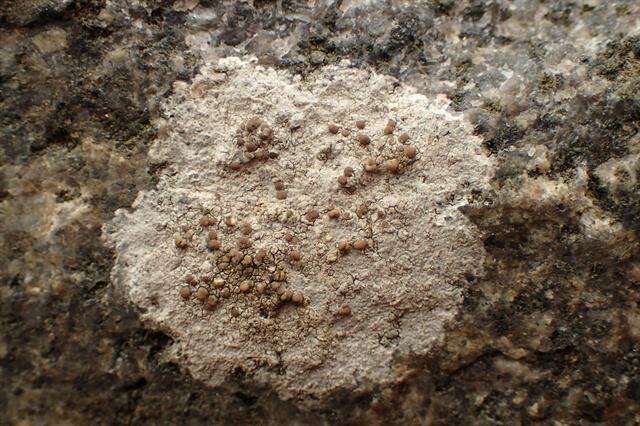
Lecanora
Lecanora is a genus of lichen commonly called rim lichens. Lichens in the genus Squamarina are also called rim lichens. Members of the genus have roughly circular fruiting discs (apothecia) with rims that have photosynthetic tissue similar to that of the nonfruiting part of the lichen body (thallus). Other lichens with apothecia having margins made of thallus-like tissue are called lecanorine.

Parmelia
genus of fungi

Cetraria
Cetraria is a genus of fruticose lichens that associate with green algae as photobionts. Most species are found at high latitudes, occurring on sand or heath, and are characterised by their "strap-like" form with spiny edges. The lobes can range from narrow and linear to broader and flattened, often forming loose or densely packed cushions. Their distinctive spiny margins serve both a defensive role and aid in vegetative reproduction through fragmentation. The genus was created by Erik Acharius in 1803 and belongs to the large family Parmeliaceae. While originally a species-rich genus, taxonom

Xanthoria
Xanthoria is a genus of lichenized fungi in the family Teloschistaceae. Common names include orange lichen, orange wall lichen, and sunburst lichen. They can be identified by their characteristic squamulose morphology with distinctive "fairy cups".
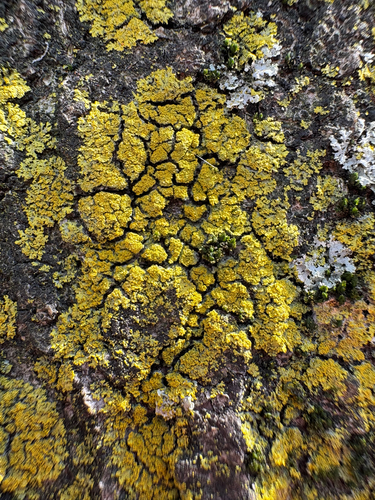
Caloplaca
Caloplaca is a lichen genus comprising a number of distinct species. Members of the genus are commonly called firedot lichen, jewel lichen. gold lichens, "orange lichens", but they are not always orange, as in the case of C. albovariegata. The distribution of this lichen genus is worldwide, extending from Antarctica to the high Arctic. It includes a portion of northern North America and the Russian High Arctic. There are about thirty species of Caloplaca in the flora of the British Isles.

Peltigera
Peltigera is a genus of approximately 100 species of foliose lichens in the family Peltigeraceae. Commonly known as the dog or pelt lichens, species of Peltigera are often terricolous (growing on soil), but can also occur on moss, trees, rocks, and many other substrates in many parts of the world.

Evernia
Evernia is a genus of bushy lichens in the family Parmeliaceae.
Oakmoss Evernia prunastri is used as a fixative agent in Eau de Cologne within the perfume industry. It is green on top and white on bottom, and divides evenly into "forks"; it becomes very soft when wet. It is not to be confused with Ramalina, which is straplike, stiff and bristly, green on top and bottom, and divides unevenly. Evernia is an abundant genus, found growing on trees.

Ramalina
Ramalina is a genus of greenish fruticose lichens that grow in the form of flattened, strap-like branches. Members of the genus are commonly called strap lichens or cartilage lichens. Apothecia are lecanorine.

Verrucaria
Verrucaria is a genus of lichenized (lichen-forming) fungi in the family Verrucariaceae. These lichens form crust-like growths on rocks, particularly limestone and other calcareous surfaces, though some species also grow on siliceous rock or occasionally on bark and soil. The genus includes both terrestrial species found in dry environments and marine species that can survive periodic flooding or permanent submersion in coastal and freshwater habitats. With about 150 accepted species worldwide, Verrucaria represents a challenging taxonomic group due to overlapping physical characteristics and
%20and%20capillaris%20(right)%20-%20Flickr%20-%20pellaea.jpg)
Bryoria
Bryoria is a genus of lichenized fungi in the family Parmeliaceae. Many members of this genus are known as horsehair lichens. The genus has a widespread distribution, especially in boreal and cool temperate areas. These lichens typically grow as slender, hair-like strands that hang from conifer trees or form small bushes, ranging in colour from dark brown to pale grey. They play important ecological roles, particularly as winter food for caribou in northern forests, where some species can accumulate in large quantities in the forest canopy. The genus contains about 35 species found worldwide,

Collema
Collema (jelly lichen) is a genus of lichens in the family Collemataceae. The photobiont is the cyanobacterium genus Nostoc. Species in this genus typically grow on nutrient-rich bark or somewhat siliceous or calcareous rocks in humid environments.
.jpg)
Hypogymnia
Hypogymnia is a genus of foliose lichens in the family Parmeliaceae. They are commonly known as tube lichens, bone lichens, or pillow lichens. Most species lack rhizines (root-like attachment organs on the lower surface) that are otherwise common in members of the Parmeliaceae, and have swollen lobes that are usually hollow. Other common characteristics are relatively small spores and the presence of physodic acid and related lichen products. The lichens usually grow on the bark and wood of coniferous trees.

Vulpicida
Vulpicida is a genus of lichenized fungi in the family Parmeliaceae. Circumscribed in 1993 to contain species formerly placed in Cetraria, the genus is widespread in Arctic to northern temperate regions, and contains six species. The genus is characterized by the presence of the secondary metabolites pulvinic acid and vulpinic acid, compounds that when combined with usnic acid, give the species their characteristic yellow and green colors.
%20Redhead%2C%20Lutzoni%2C%20Moncalvo%20%26%20Vilgalys%20152659.jpg)
Lichenomphalia
Lichenomphalia is both a basidiolichen and an agaric genus. Most of the species have inconspicuous lichenized thalli that consist of scattered, small, loose, nearly microscopic green balls or foliose small flakes containing single-celled green algae in the genus Coccomyxa, all interconnected by a loose network of hyphae. The agaric fruit bodies themselves are nonlichenized and resemble other types of omphalinoid mushrooms. These agarics lack clamp connections and do not form hymenial cystidia. The basidiospores are hyaline, smooth, thin-walled, and nonamyloid. Most of the species were original
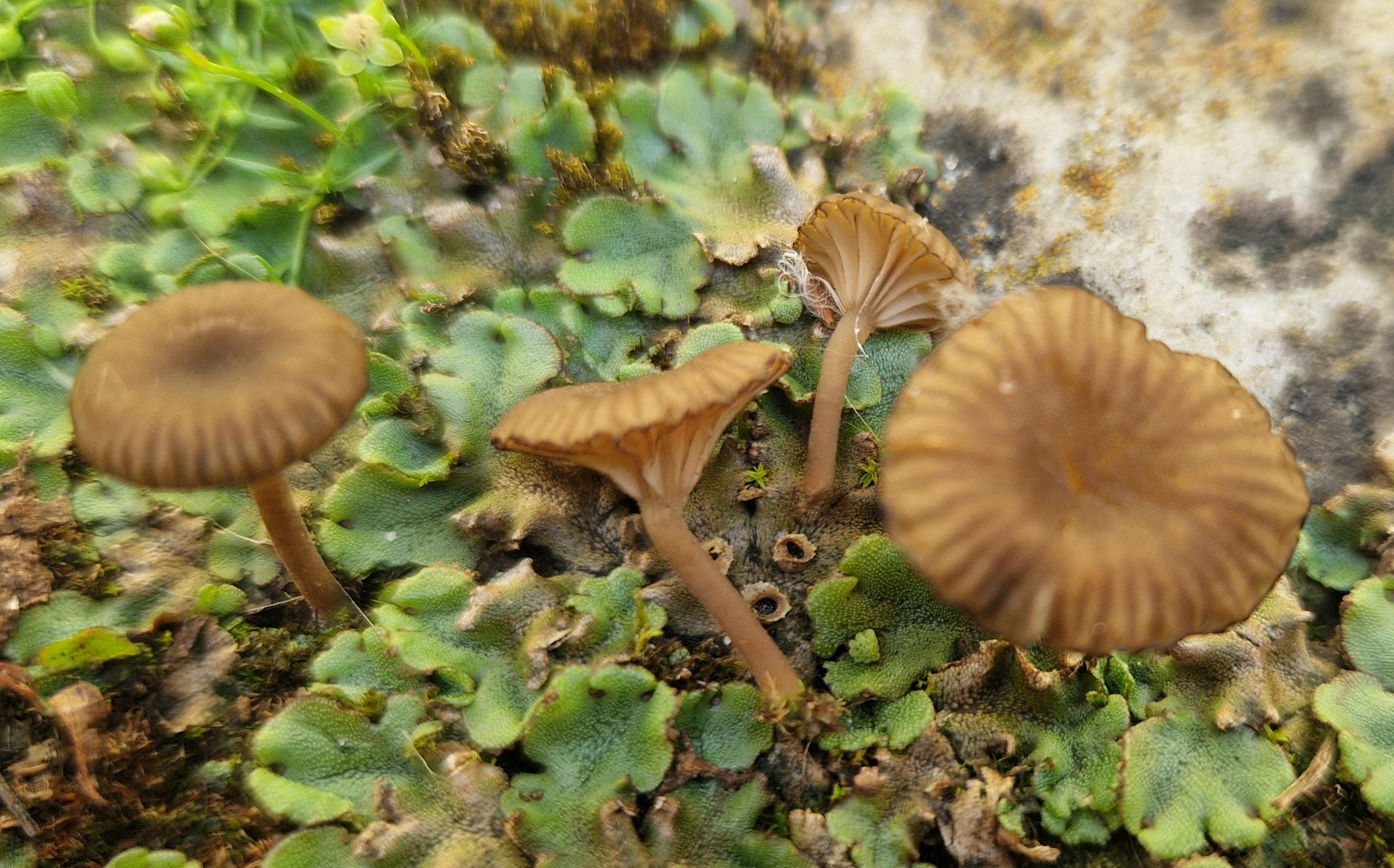
Arrhenia
Arrhenia is a genus of fungi in the family Hygrophoraceae. Arrhenia also includes species formerly placed in the genera Leptoglossum and Phaeotellus and the lectotype species itself has an unusual growth form that would not normally be called agaricoid. All of the species grow in association with photosynthetic organisms such as mosses and the alga found on decaying wood and soil biocrusts. Typically the fruitbodies of Arrhenia species are grey to black or blackish brown, due to high concentrations of fungal melanin.
.JPG)
Physcia
Physcia is a genus of lichen-forming fungi in the family Physciaceae. The widely distributed genus contains about 80 species. The genus is cosmopolitan, and has been extensively studied in various regions in the past several decades, with significant biodiversity in South America identified as a central diversity hotspot. Physcia species are foliose, lichens that grow with a loose to close appressed habit. Their upper surface is typically whitish, pale greenish, green-grey, or dark grey in colour. The thallus colour remains relatively unchanged when moistened. Physcia lichens typically grow on
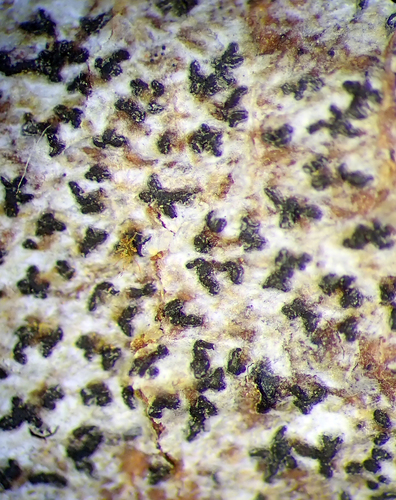
Arthonia
Arthonia is a genus of crustose lichens in the family Arthoniaceae. They are commonly called comma lichens.

Ochrolechia
Ochrolechia is the sole genus in the fungal family Ochrolechiaceae. It comprises about 40 species of crustose lichens. These lichens typically form uneven, often thick, crust-like growths on various surfaces and are characterised by their white to pale grey thalli, which may have a greenish tint. The genus has a long evolutionary history, with fossils dating back to the Paleogene period, about 34 million years ago. Ochrolechia species have disc-like apothecia (fruiting bodies), which are usually yellowish or brownish-pink and often covered with a fine white powdery coating. The genus is widely

Cetrelia
Cetrelia is a genus of leafy lichens in the large family Parmeliaceae. They are commonly known as sea-storm lichens, alluding to the wavy appearance of their lobes. The name of the genus, circumscribed in 1968 by the husband and wife lichenologists William and Chicita Culberson, alludes to the former placement of these species in the genera Cetraria and Parmelia.

Pertusaria
Pertusaria is a large genus of warty crustose lichens in the Pertusariaceae family. The fruiting bodies are usually modified apothecia that immersed in warts on the main body (thallus) with small holes for the spores to emerge, similar to ostioles, or are fully above and lecanorine (spore bearing discs surrounded by a ring of tissue similar to the tissue of the thallus. Members of the genus are commonly called wart lichens.

Candelaria
genus of fungi

Lobaria
Lobaria is a genus of foliose lichens, formerly classified in the family Lobariaceae, but now placed in the Peltigeraceae. They are commonly known as "lung wort" or "lungmoss" as their physical shape somewhat resembles a lung, and their ecological niche is similar to that of moss.

Nephroma
Nephroma is a genus of medium to large foliose lichens. The genus has a widespread distribution. They are sometimes called kidney lichens, named after the characteristic kidney-shaped apothecia that they produce on the lower surface of their lobe tips, which often curl upwards and thus are visible from above. Sterile specimens that do not have apothecia can look somewhat like Melanelia, Peltigera, Platismatia, or Asahinea. Most species grow either on mossy ground or rocks, or on trees.

Rhizocarpon
Rhizocarpon is a genus of crustose, saxicolous (or sometimes lichenicolous), lichens in the family Rhizocarpaceae. The genus is common in arctic-alpine environments, but also occurs throughout temperate, subtropical, and even tropical regions. They are commonly known as map lichens because of the prothallus forming border-like bands between colonies in some species, like the common map lichen (Rhizocarpon geographicum).
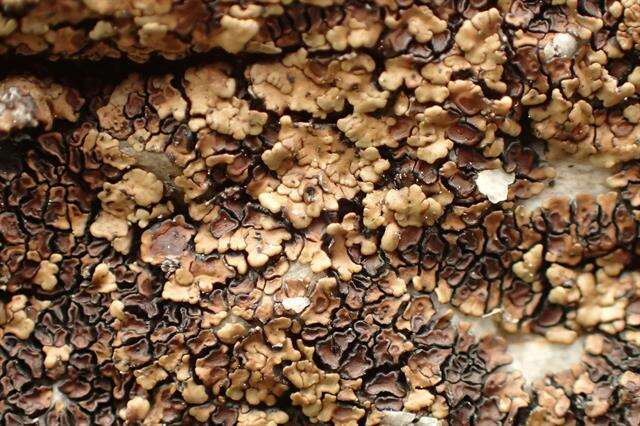
Acarospora
Acarospora is a genus of mostly lichen-forming fungi in the family Acarosporaceae. Most species in the genus are crustose lichens that grow on rocks in open and arid places all over the world. They may look like a cobblestone road or cracked up old paint, and are commonly called cobblestone lichens or cracked lichens. They usually grow on rock (are "saxicolous"), but some grow on soil (terricolous) or on other lichens. Some species in the genus are fungi that live as parasites on other lichens (lichenicolous fungi). Acarospora is a widely distributed genus, with about 128 species according to

Candelariella
Candelariella is a genus of bright yellow, ocher, or greenish yellow crustose or squamulose lichens in the family Candelariaceae. Members of the genus are commonly called eggyolk lichens, goldspeck lichens, or yolk lichens.
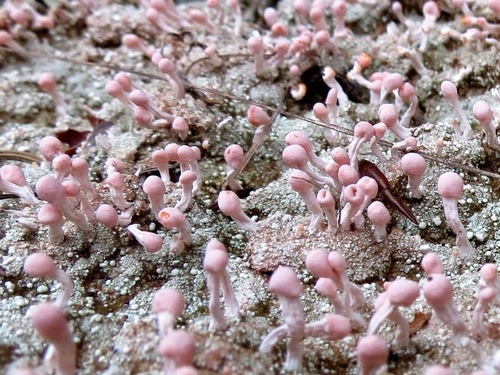
Dibaeis
Dibaeis is a genus of lichen-forming fungi in the family Icmadophilaceae. The genus is widely distributed in tropical regions. Dibaeis was circumscribed in 1909 by Frederic Edward Clements with Dibaeis rosea as the type species. Several species were transferred from other genera in a 1993 publication.

Stereocaulon
Stereocaulon is a genus of lichens. Members of Stereocaulon are commonly called rock foam lichens. partners of Stereocaulon include green algae from the genera Asterochloris, Chloroidium, and Vulcanochloris. Stereocaulon is difficult to ID to species, but there is a high diversity of species within the genus.
.jpg)
Lasallia
Lasallia is a genus of lichen-forming fungi in the family Umbilicariaceae. These lichens are recognizable by their distinctive warty, blister-covered thallus surface and their unusual attachment to rocks using only a single, sturdy central connection point. They typically grow on granite and other hard rock surfaces, where they can survive in both sunny and shaded locations. The genus contains six accepted species that are found across various continents, with some species being quite common on stone walls and cliff faces.

Arthothelium
Arthothelium is a genus of lichen-forming fungi in the family Arthoniaceae. Species in the genus typically form crusts on smooth bark in humid, undisturbed habitats. They are distinguished from the related genus Arthonia by their spores, which are divided by both transverse and longitudinal walls into a brick-like pattern. The genus has a cosmopolitan distribution, with most species occurring in tropical regions.

Dermatocarpon
Dermatocarpon is a genus of lichens in the family Verrucariaceae. Members of the genus are commonly called stippleback lichens because they have fruiting structures called perithecia that are flask-shaped structures embedded in the nonfruiting body (thallus), with a hole in the top to release spores, causing an appearance of being covered with small black dots. Its species are told apart chiefly by spore size, the colour and texture of the lower surface, and whether the gives a bloom.

Alectoria
genus of fungi
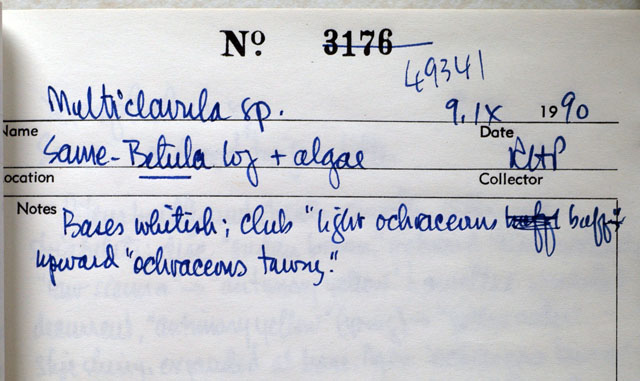
Multiclavula
Multiclavula is a genus of basidiolichens in the family Hydnaceae. The widespread genus contains 14 species. The genus was circumscribed by the American mycologist Ron Petersen in 1967, with Multiclavula corynoides assigned as the type species.

Rhizoplaca
Rhizoplaca is a genus of lichenized fungi in the family Lecanoraceae. Members of the genus are commonly called rimmed navel lichens because of their umbilicate growth form and lecanorine (rimmed with thallus-like tissue)apothecia, also rock-posy lichen and rockbright.

Opegrapha
Opegrapha is a genus of mostly lichen-forming fungi in the family Opegraphaceae. These lichens form crusty patches on bark, rock, or other lichens, and are easily recognised by their distinctive black, slit-like or rounded fruiting bodies that look like tiny scribbles or dashes on the surface. The genus includes about 150 accepted species found worldwide, with most partnering with orange-pigmented green algae, though some live as parasites on other lichens. Opegrapha species are distinguished from similar genera by their combination of branched internal filaments, ascospores with multiple sept
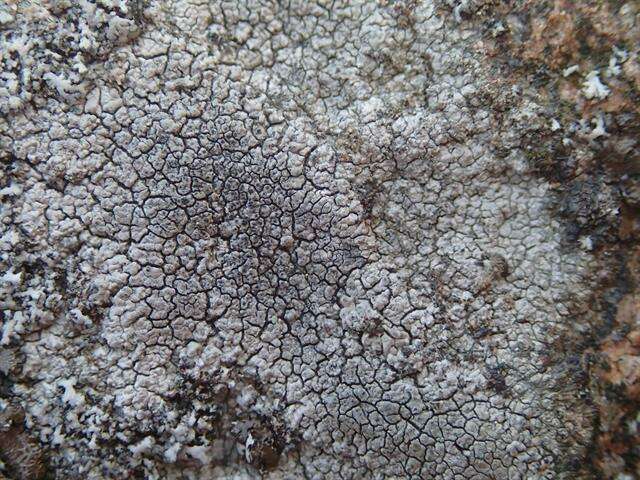
Aspicilia
Aspicilia (sunken disk lichen) is a genus of mostly crustose areolate lichens that grow on rock. Most members have black apothecia discs that are slightly immersed in the areolas, hence the common name"''Given the same reason, the naming of Aspicilia'' is derived from the Greek word for "shield concave".

Endocarpon
Endocarpon is a genus of saxicolous (rock-dwelling), squamulose lichens in the family Verrucariaceae. It comprises 23 species. The genus is characterised by its enclosed fruiting bodies (perithecia) embedded within the scales and its compartmentalised spores. Species in this genus typically grow on rocks, often in areas that experience periodic moisture.
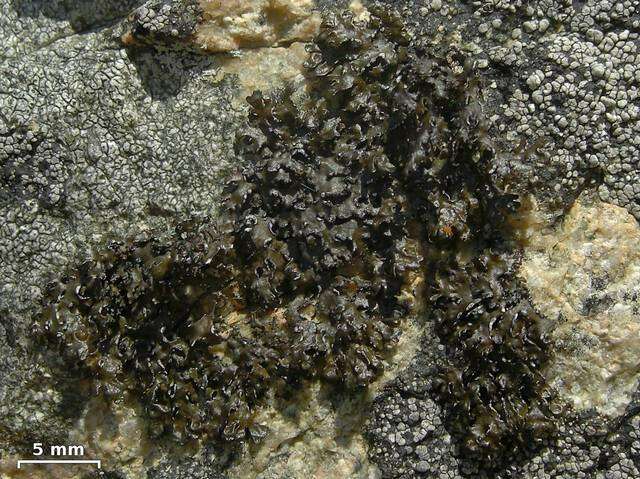
Melanelia
Melanelia is a genus of lichen-forming fungi in the family Parmeliaceae. These lichens typically grow on rocks and form relatively large, leaf-like structures with brown to blackish upper surfaces and pale undersides. The genus originally included many more species, but most have since been moved to related genera like Melanohalea and Melanelixia, leaving only five accepted species today.
.jpg)
Flavoparmelia
Flavoparmelia is a genus of foliose lichens in the family Parmeliaceae. Because of their appearance, they are commonly known as greenshield lichens. The widely distributed genus contains about 40 species.

Melanohalea
Melanohalea is a genus of foliose lichens in the family Parmeliaceae. It contains 30 mostly Northern Hemisphere species that grow on bark or on wood. The genus is characterised by the presence of pseudocyphellae (tiny pores that allow for gas exchange), usually on warts or on the tips of isidia, a non-pored and a medulla containing depsidones or lacking secondary metabolites. Melanohalea was circumscribed in 2004 as a segregate of the morphologically similar genus Melanelia, which was created in 1978 for certain brown Parmelia species. The methods used to estimate the evolutionary history of M
.jpg)
Lepraria
Lepraria is a genus of leprose (powdery) crustose lichens that grows on its substrate like patches of granular, caked up, mealy dust grains. Members of the genus are commonly called dust lichens. The main vegetative body (thallus) is made of patches of soredia (little balls of algae wrapped in fungus). Sexual structures have not been observed in Lepraria, but genomic evidence indicates that the genus retains mating type and meiosis-associated genes, raising the possibility of cryptic sexual or parasexual recombination. Some species can form marginal lobes and appear squamulose. Because of the
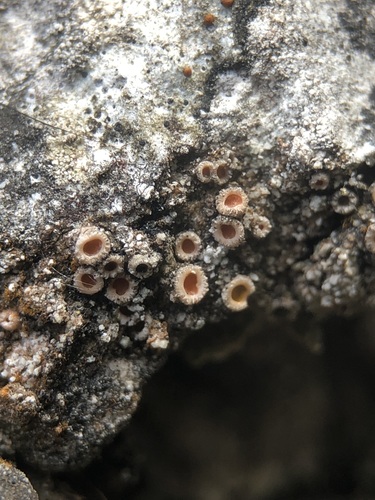
Gyalecta
Gyalecta is a genus of lichen-forming fungi in the family Gyalectaceae that contains 50 species. Gyalecta was circumscribed by lichenologist Erik Acharius in 1808. It forms associations with Trentepohlia algae.

Anaptychia
Anaptychia is a genus of lichen-forming fungi in the family Physciaceae. Anaptychia species are foliose (leafy) to fruticose (bushy) lichens. They have brown, thin-walled spores with a single septum, and a upper .
.jpg)
Heterodermia
Heterodermia is a genus of foliose lichens in the family Physciaceae. The genus has a widespread distribution, especially in tropical regions, and contains about 70 species. Heterodermia was historically confused with the related genus Anaptychia, but was distinguished in 1965 based on differences in spore structure and chemical composition. These lichens can be identified in the field using simple chemical spot tests that produce distinctive colour changes when applied to the thallus. The lichens in this genus are small- to medium-sized, usually pale grey in colour, comprising narrow lobes wi

Chrysothrix
Chrysothrix is a genus of lichen-forming fungi in the family Chrysotrichaceae. They are commonly called gold dust lichens or sulfur dust lichens, because they are bright yellow to greenish-yellow, sometimes flecked with orange, and composed entirely of powdery soredia. Apothecia are never present in North American specimens.
.jpg)
Leptogium
Leptogium is a genus of lichen-forming fungi in the family Collemataceae. It has about 110 species. Species formerly classified under Leptogium have since been divided among the genera Leptogium, Pseudoleptogium, and Scytinium. Leptogium lichens are predominantly found on tree bark or soil, often among mosses, and sometimes on rocks in moist environments.

Pyrenula
Pyrenula is a genus of lichen-forming fungi in the family Pyrenulaceae. The genus has a widespread distribution, especially in tropical regions, and contains about 200 species. Most species grow on bark in moist, shaded habitats, especially in tropical regions. They usually form thin crusts on the surface and produce small black spore-bearing structures that are partly embedded in the lichen body. Research has shown that some species names in Pyrenula were once applied too broadly, and that the boundaries of the genus itself may still need refinement.

Lecidella
Lecidella is a genus of crustose lichens in the family Lecanoraceae.

Fuscopannaria
Fuscopannaria is a genus of lichen-forming fungi in the family Pannariaceae. It has about 50 species. The genus was established in 1994 by the Norwegian lichenologist Per Magnus Jørgensen to accommodate a group of squamulose and crustose lichens that are widespread across temperate and tropical regions. Members of the genus are typically found on tree bark in moist, shaded habitats, ranging from tropical rainforests to temperate woodlands, where they appear as small, greyish or dark crusty or scaly patches on trunks and branches.
Psora
Psora is a genus of lichen-forming fungi in the family Psoraceae. Members of the genus are commonly called fishscale lichens. Lichens in the genus Psora generally have a squamulose thallus and anthraquinones in the hymenium. partners of Psora lichens include members of the green algal genera Asterochloris, Chloroidium, Myrmecia, and Trebouxia.

Xanthomendoza
Xanthomendoza is a genus of small, bright orange foliose lichens with lecanorine apothecia. It is in the family Teloschistaceae. Members of the genus are commonly called sunburst lichens or orange lichens because of their bright orange color.

Haematomma
Haematomma is a genus of crustose lichens established by Abramo Bartolommeo Massalongo in 1852. It is the sole genus in the Haematommataceae, a family circumscribed by Josef Hafellner in 1984. Commonly called bloodstain lichens, the species assigned to this genus are widely distributed in tropical and temperate areas.

Punctelia
Punctelia is a genus of foliose lichens belonging to the large family Parmeliaceae. The genus, which contains about 50 species, was segregated from genus Parmelia in 1982. Characteristics that define Punctelia include the presence of hook-like to thread-like conidia (asexual spores), simple rhizines (root-like structures that attach the lichen thallus to its substrate), and point-like pseudocyphellae (tiny pores on the thallus surface that facilitate gas exchange). It is this last feature that is alluded to in the vernacular names speckled shield lichens or speckleback lichens.

Trapelia
Trapelia is a genus of lichen-forming fungi in the family Trapeliaceae. These lichens form tight, crusty patches on rocks and bark that may appear smooth at first but often crack into small plates over time. The genus was established by the French lichenologist Maurice Choisy in 1929 and contains more than 20 species found worldwide. Most species reproduce through small, -shaped fruiting bodies that range from pale pink-brown to nearly black, and many can be identified by specific chemical compounds they produce.
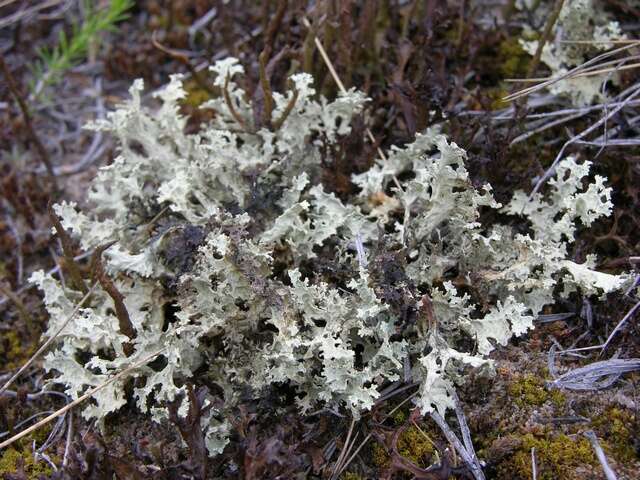
Flavocetraria
Flavocetraria is a genus of lichenized ascomycete fungi in the family Parmeliaceae. The genus contains two species found in arctic-alpine and boreal regions, Flavocetraria cucullata and F. nivalis (syn. Cetraria nivalis).
.jpg)
Bacidia
Bacidia is a genus of lichen-forming fungi in the family Ramalinaceae. These lichens are characterised by their crustose growth form, distinctive club-shaped reproductive structures called apothecia that contain long, needle-like spores, and their symbiotic partnership with green algae. Bacidia species typically grow on various substrates including tree bark, rock surfaces, and occasionally soil, and are distinguished from related genera by their specific spore characteristics and internal structures.

Platismatia
Platismatia is genus of medium to large foliose lichens in the family Parmeliaceae. The genus is widespread and contains 11 species. They resemble many other genera of foliose lichens in the Parmeliaceae, particularly Parmotrema, Cetrelia, and Asahinea. Most species are found in forests on the trunks and branches of conifer trees, although some species grow on rocks.
Antennulariella
Antennulariella is a genus of fungi in the family Antennulariellaceae. First described in 1915, species in the genus form thin, crust-like films that cling directly to rock or bark surfaces and fade imperceptibly into their surroundings. The fungi are distinguished by their distinctive black reproductive structures covered in short hairs, and they appear to rely solely on spores for reproduction since no asexual structures have been observed.