Category
page 1Monarchs who abdicated
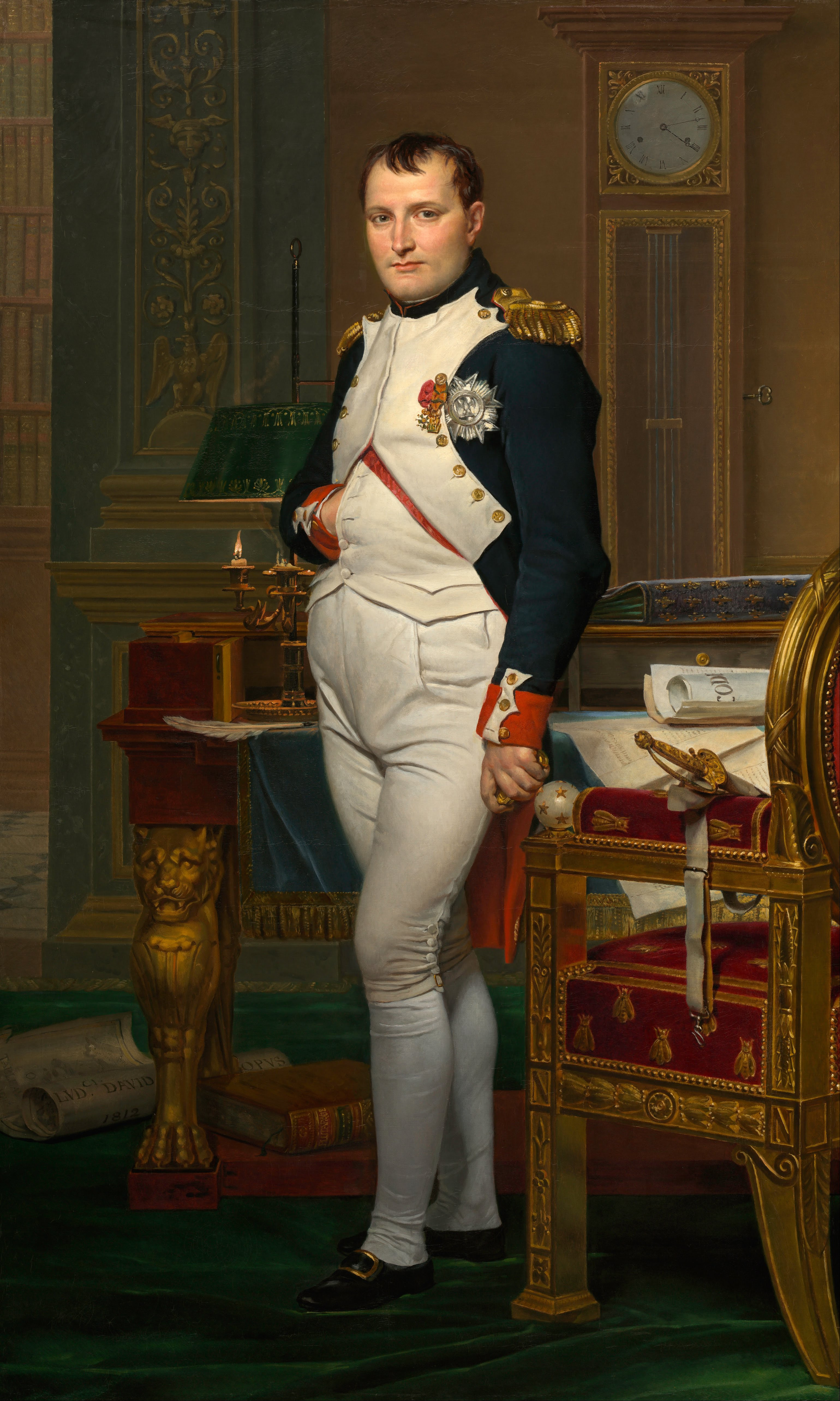
Napoleon
Napoleon Bonaparte (born Napoleone di Buonaparte; 15 August 1769 – 5 May 1821), later known by his regnal name Napoleon I, was Emperor of the French from 18 May 1804 until his first abdication in 1814, with a brief restoration during the Hundred Days in 1815. He rose to prominence as a general during the French Revolution and led a series of military campaigns across Europe and North Africa during the French Revolutionary and Napoleonic Wars. As a statesman, he implemented numerous legal and administrative reforms in France and Europe.

Nicholas II of Russia
the 14th and last Emperor of Russia (1894–1917)

Wilhelm II
as King of Prussia last German Emperor from 1888 to 1918 (1859–1941)

Juan Carlos I of Spain
King of Spain from 1975 to 2014
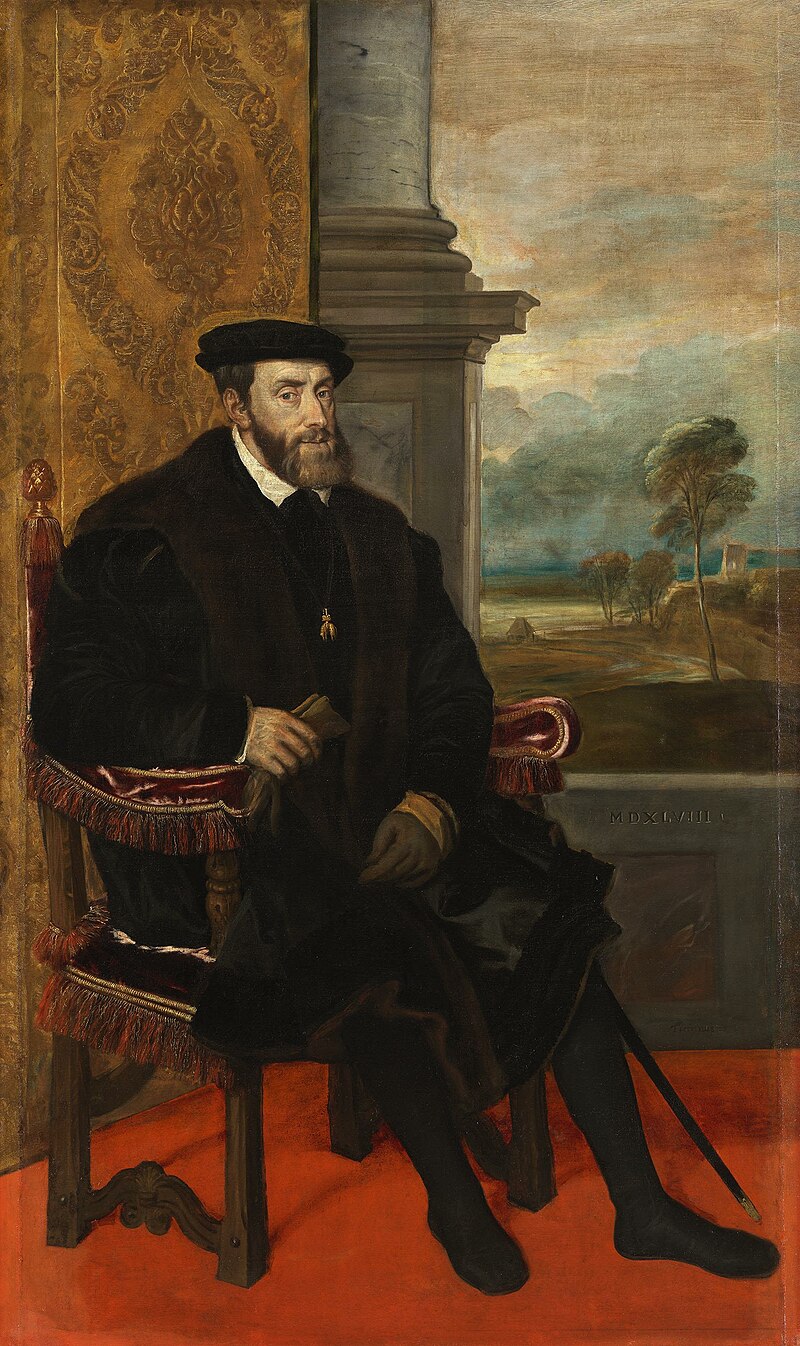
Charles V
Holy Roman Emperor from 1519 to 1556 (1500–1558)

Margrethe II of Denmark
Queen of Denmark from 1972 to 2024 (born 1940)

Mary, Queen of Scots
Mary, Queen of Scots, also known as Mary Stuart or Mary I of Scotland, was Queen of Scotland from 14 December 1542 until her forced abdication on 24 July 1567.
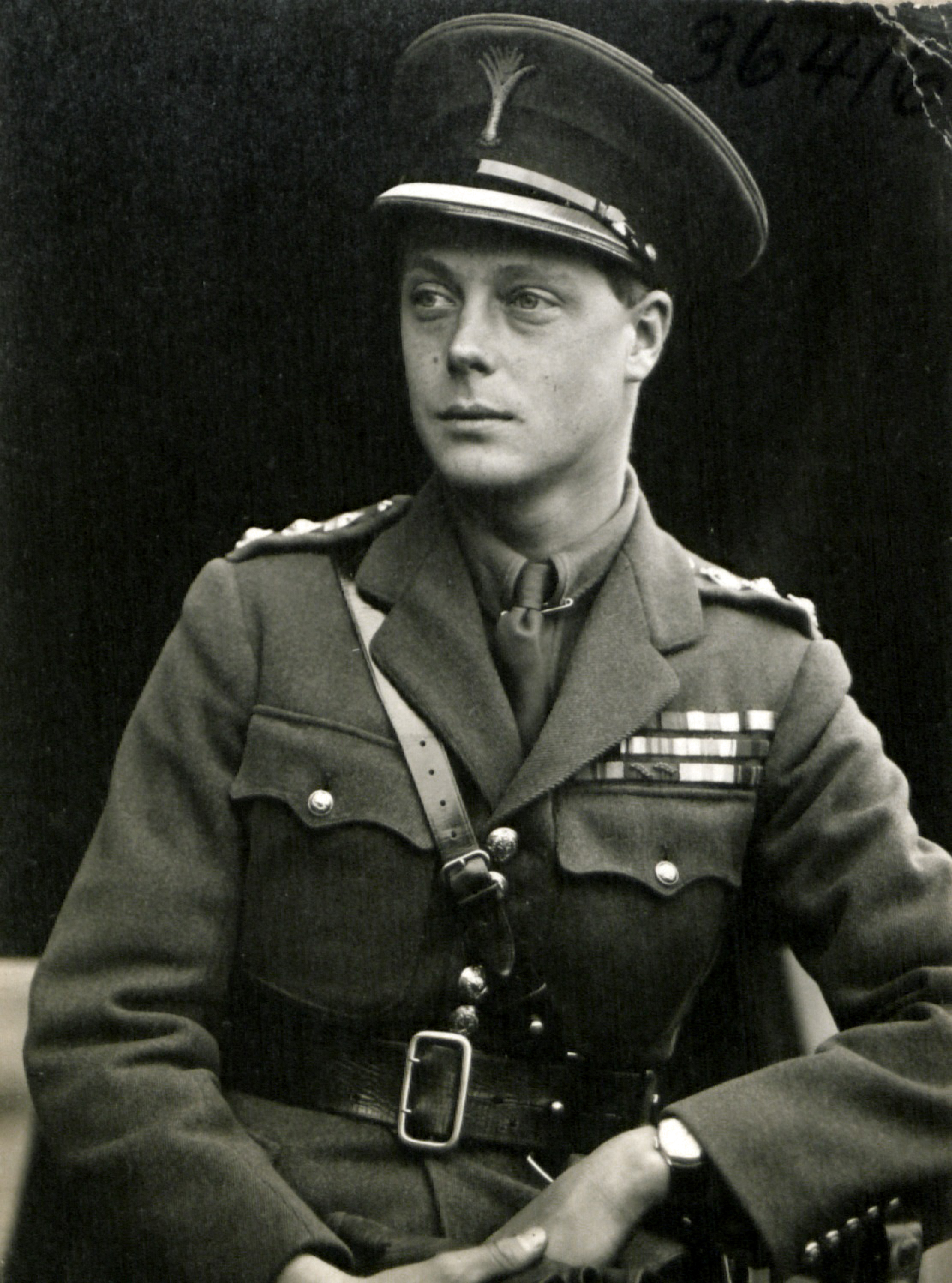
Edward VIII
Edward VIII, later known as the Duke of Windsor, was King of the United Kingdom and the British Dominions, and Emperor of India, from 20 January 1936 until his abdication in December of the same year.
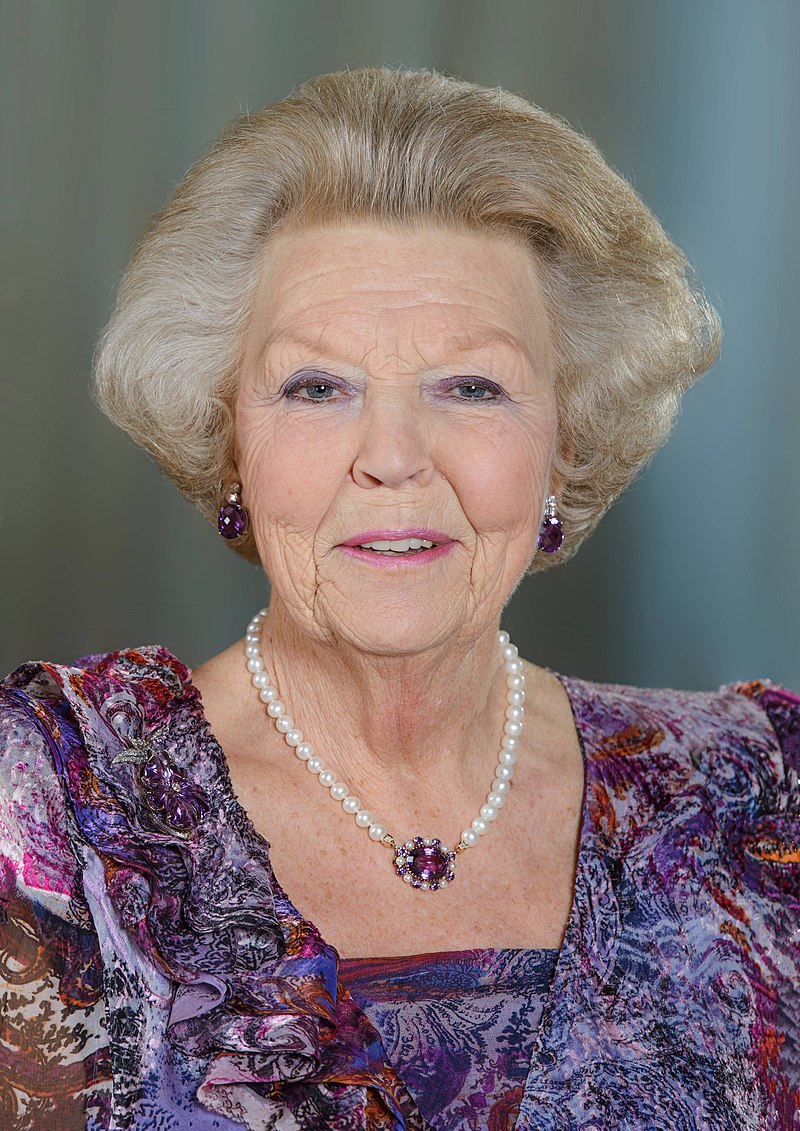
Beatrix of the Netherlands
Queen of the Netherlands from 1980 to 2013 (born 1938)

Diocletian
Diocletian ( ; ; ; 242/245 – 311/312), nicknamed Jovius, was Roman emperor from 284 until his abdication in 305. He was born Diocles to a family of low status in the Roman province of Dalmatia. As with other Illyrian soldiers of the period, Diocles rose through the ranks of the military early in his career, serving under Aurelian and Probus, and eventually becoming a cavalry commander for the army of Emperor Carus. After the deaths of Carus and his son Numerian on a campaign in Persia, Diocles was proclaimed emperor by the troops, taking the name "Diocletianus". The title was also claimed by C

Norodom Sihanouk
Cambodian monarch and politician (1922–2012)

Christina of Sweden
Queen of Sweden, ruled from 1632 until abdication in 1654 (1626–1689)

Albert II of Belgium
sixth king of the Belgians

Pedro I of Brazil
Emperor of Brazil (1822–31) and King of Portugal (1826)
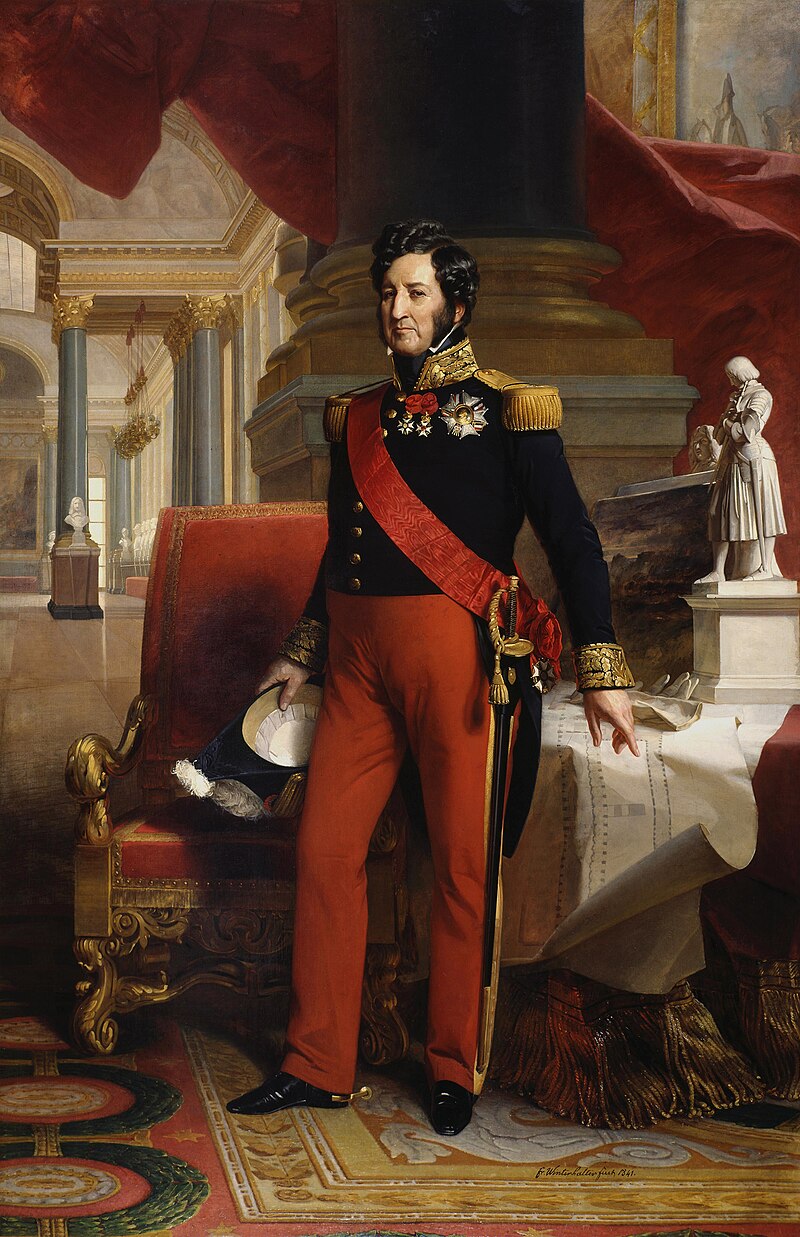
Louis-Philippe I
King of the French from 1830 to 1848 (1773-1850)

Charles X of France
King of France and of Navarre from 1824 to 1830 (1757–1836)
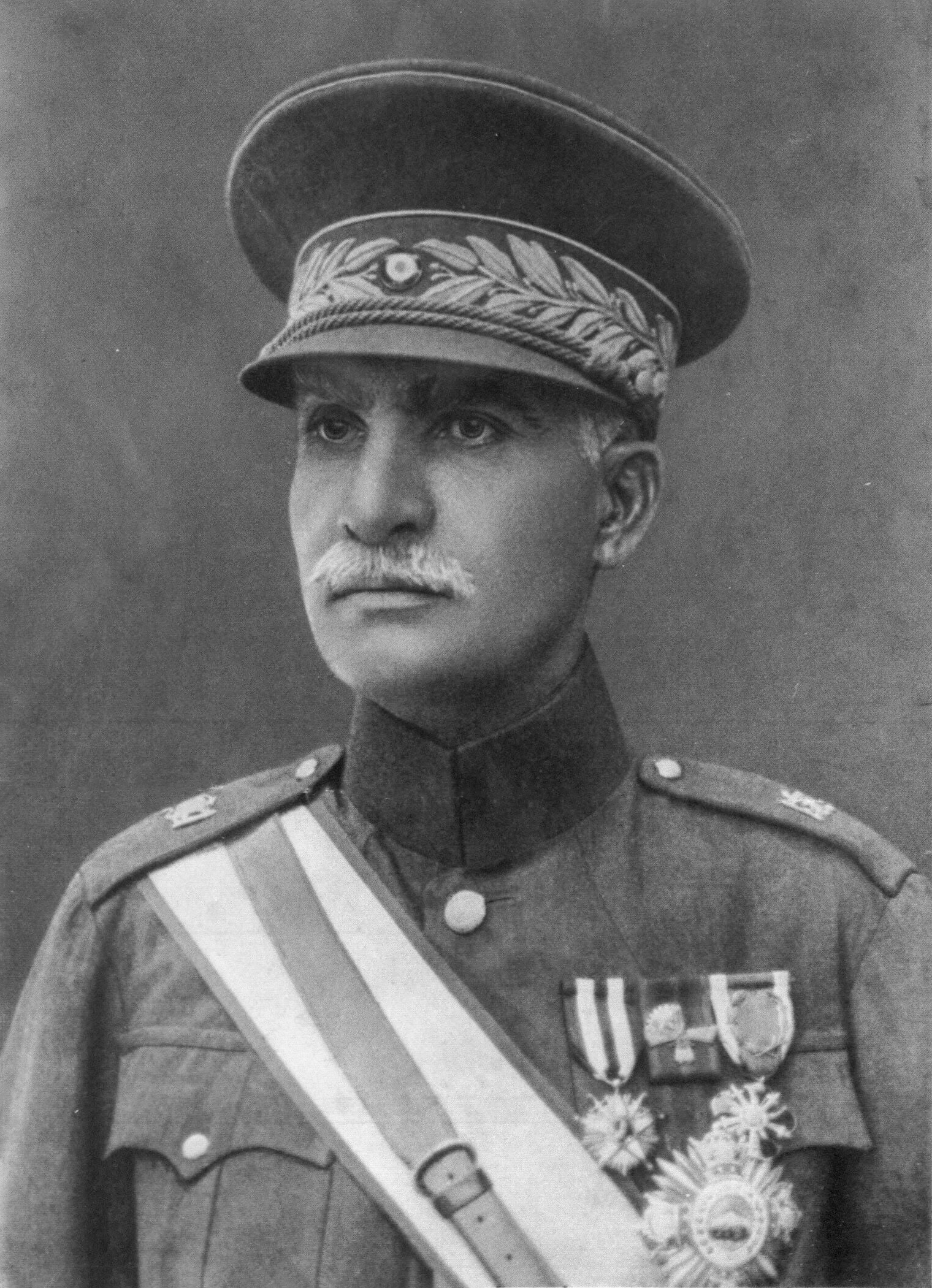
Reza Shah
Reza Shah Pahlavi was Shah of Iran from 1925 to 1941 and founder of the Pahlavi dynasty. Originally an army officer, he became a politician, serving as minister of war and prime minister of Iran, and was elected shah following the deposition of Ahmad Shah, the last monarch of the Qajar dynasty.

Alfonso XIII
King of Spain from 1886 to 1931 (1886–1941)

Philip V of Spain
King of Spain from 1700 to 1746 (1683–1746)

Wilhelmina of the Netherlands
Queen of the Netherlands from 1890 to 1948 (1880-1962)

Bayezid II
the eighth Sultan of the Ottoman Empire (1481–1512)

Isabella II of Spain
Queen of Spain from 1833 to 1868

Henri I, Grand Duke of Luxembourg
Grand Duke (head of state) of the Grand Duchy of Luxembourg (2000–2025)

Victor Emmanuel III of Italy
King of Italy from 1900 to 1946

Richard II of England
King of England from 1377 to 1399

Charles III of Spain
King of Spain from 1759 to 1788

Letsie III of Lesotho
King of Lesotho since 1996
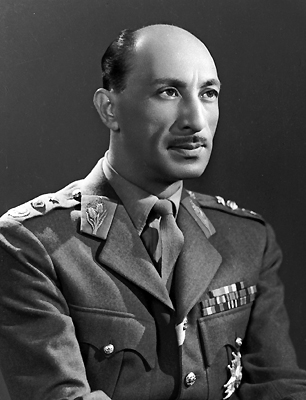
Mohammed Zahir Shah
King of Afghanistan (1933-1973)

Henry IV
Holy Roman Emperor from 1084 to 1105

Leopold III of Belgium
king of the Belgians from 1934 to 1951 (1901–1983)

Joseph Bonaparte
brother of Napoleon Bonaparte; King of Naples (1806–08) and Spain (1808–13)

Saud of Saudi Arabia
King of Saudi Arabia from 1953 to 1964
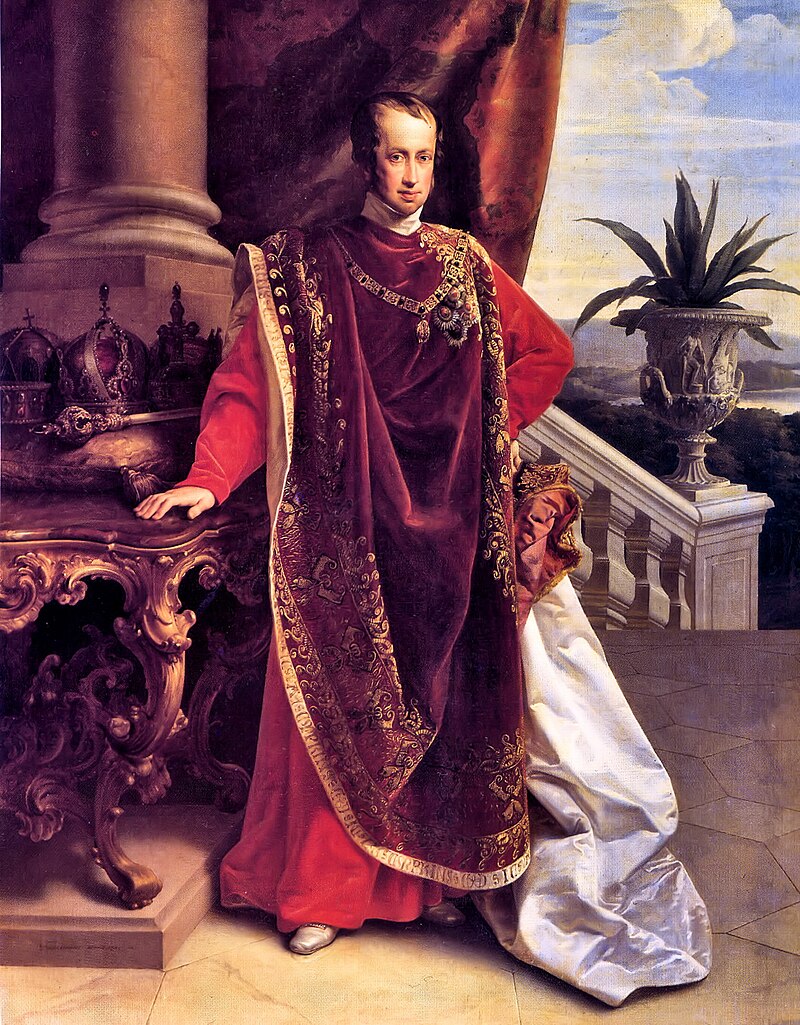
Ferdinand I of Austria
Austrian emperor, king of Hungary and Bohemia (1793-1875)

Michael I of Romania
last king of Romania (r. 1927–1930, 1940–1947)

Juliana of the Netherlands
Queen of the Netherlands from 1948 to 1980 (1909-2004)

Charles IV of Spain
King of Spain from 1788 to 1808

Stanisław August Poniatowski
King of Poland and Grand Duke of Lithuania (1764-1795)

Amadeo I of Spain
Italian Royal and temporary Head of State of Spain (1845–1890)

Farouk I of Egypt
King of Egypt 1936 to 1952

Yuan Shikai
Chinese military and government official (1859–1916)

Louis Bonaparte
king of Holland, brother of Napoleon Bonaparte, member of the House of Buonaparte (1778-1846)

Joan Enric Vives Sicília
Spanish bishop

Ferdinand I of Bulgaria
Bulgarian ruler (1861–1948)

Jigme Singye Wangchuck
King of Bhutan from 1972–2006

William I of the Netherlands
King of the Netherlands and Grand Duke of Luxembourg 1815-1840 (1772-1843)

Hamad bin Khalifa Al Thani
Emir of Qatar from 1995 to 2013

Constantine I of Greece
King of Greece (r. 1913–17; 1920–22)

Ludwig I of Bavaria
King of Bavaria (1786-1868)

Bảo Đại
Emperor of Vietnam from 1926 to 1945

Prajadhipok
Prajadhipok, also known as Rama VII (8 November 1893 – 30 May 1941) was the seventh monarch of the Chakri dynasty and the last king of Siam under the absolute monarchy. He ascended the throne in 1925 and reigned until his abdication in 1935 during his self-imposed exile following his fallout with the new democratic government after the 1932 Siamese Revolution, which brought an end to the country’s absolute monarchy.

Agustín I of Mexico
first constitutional emperor of Mexico (1783-1824)

Christian VIII of Denmark
King of Norway 1814, King of Denmark 1839-1848
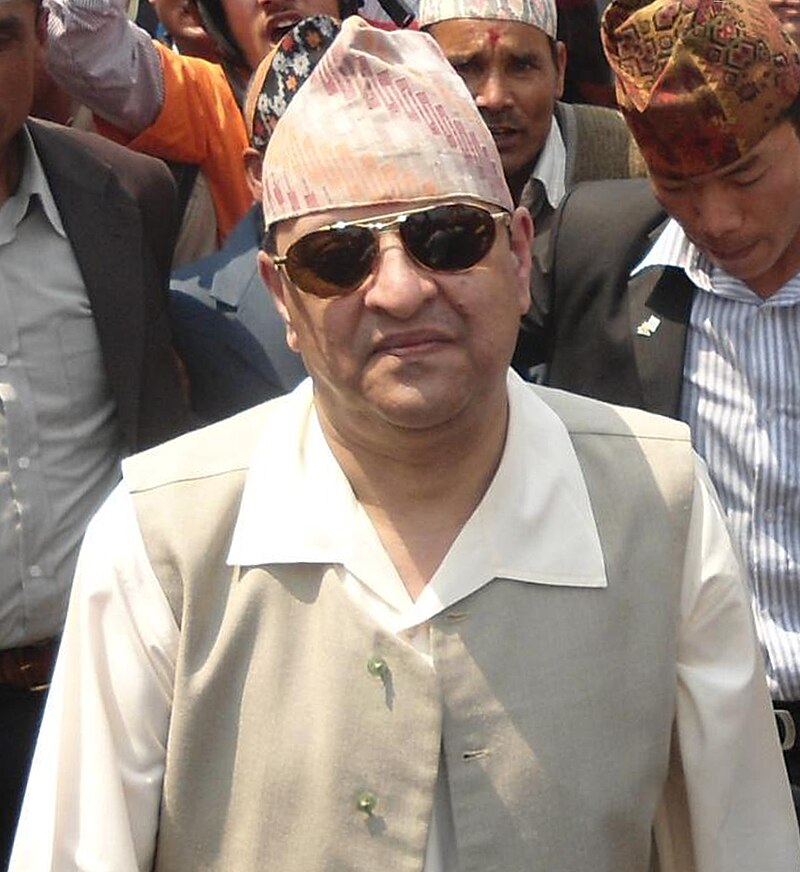
Gyanendra of Nepal
former King of Nepal

Amanullah Khan
King and Emir of Afghanistan (1892-1960)
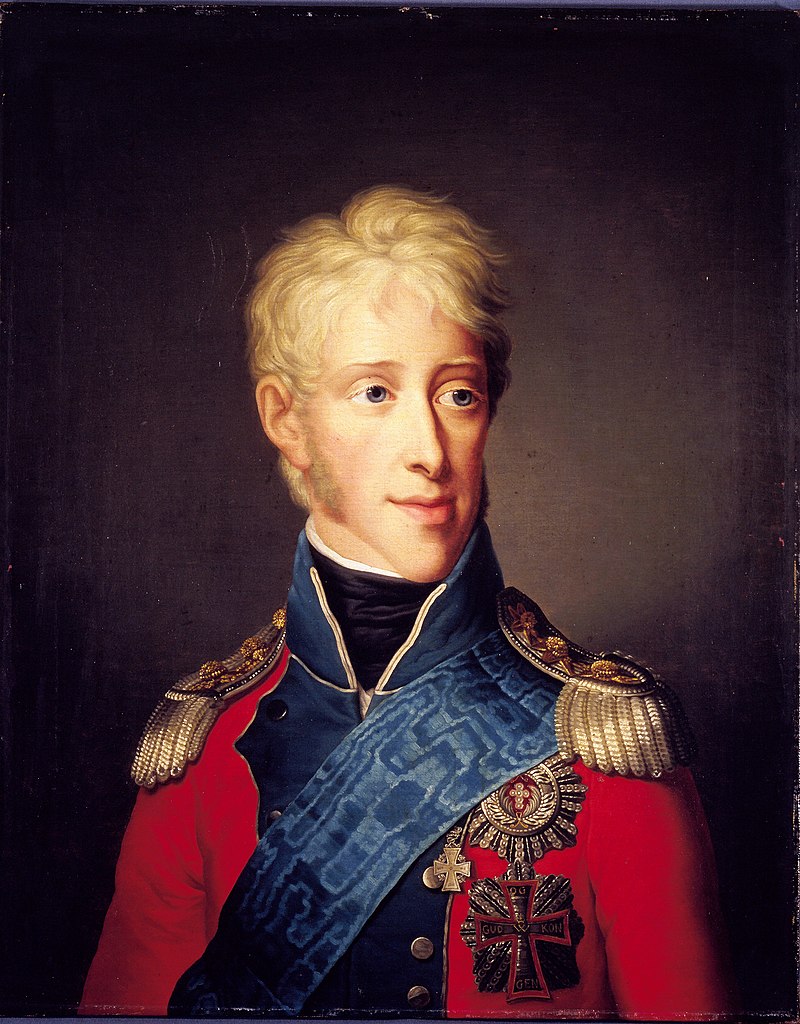
Frederick VI of Denmark
King of Denmark and Norway (1768–1839)

John II Casimir Vasa
King of Poland and Grand Duke of Lithuania (1648–1668)

Gustav IV Adolf of Sweden
King of Sweden between 1792-1809 (1778–1837)
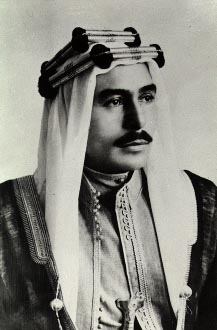
Talal I of Jordan
King of Jordan from 1951 to 1952

Ulrika Eleonora I of Sweden
queen regnant of Sweden from 1718 to 1720 (1688–1741)
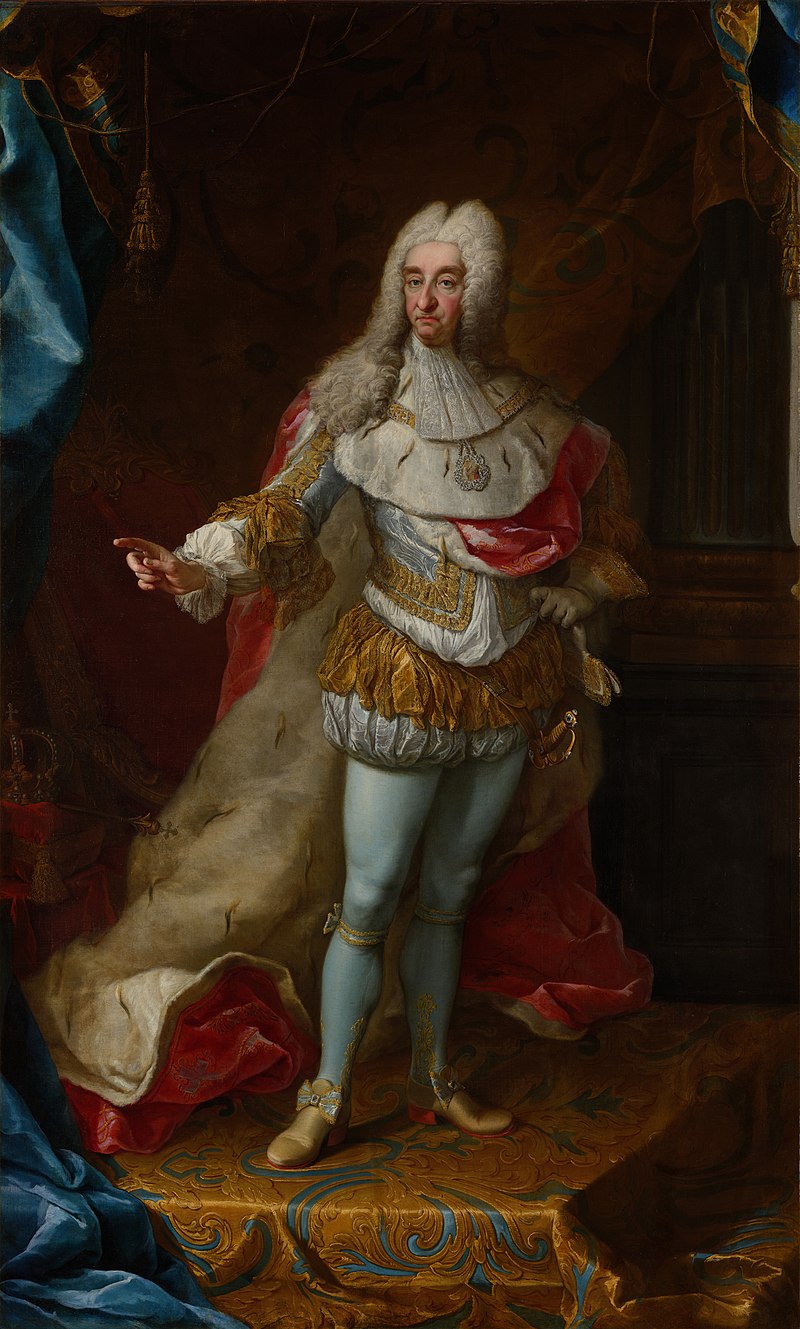
Victor Amadeus II of Savoy
Duke of Savoy and King of Sardinia (1666–1732)