Category
page 1MSX games

Tetris
Tetris () is a puzzle video game created by Alexey Pajitnov, a Soviet software engineer, in the mid-1980s. In Tetris, falling pieces consisting of four connected blocks, known as tetrominoes, must be sorted into a pile. Once a horizontal line of the playfield is filled with blocks, the line disappears, granting points and preventing the pile from reaching the top. This gameplay has been used in approximately 220 versions across at least 70 platforms. Newer versions frequently add game mechanics, some of which have become standard. , Tetris is the second-best-selling video game series, with ove
.png)
Pac-Man
Pac-Man, originally titled in Japan, is a 1980 maze video game developed and published by Namco for arcades. It was released in Japan on May 22, 1980 and by Midway Manufacturing in North America in August 1980. The player controls Pac-Man, who must eat all the dots inside an enclosed maze while avoiding four colored ghosts. Eating large flashing dots called "Power Pellets" causes the ghosts to temporarily turn blue and vulnerable, allowing Pac-Man to eat the ghosts for bonus points.
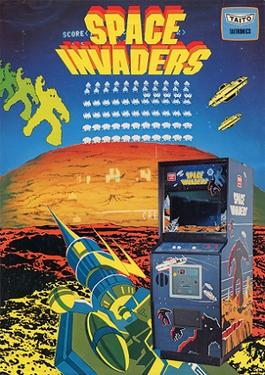
Space Invaders
1978 fixed shooter video game
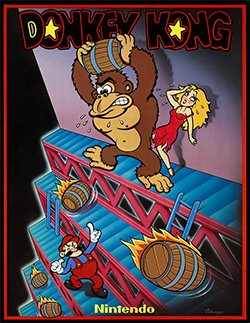
Donkey Kong
1981 arcade game

Sokoban
is a puzzle video game created in 1981 by Hiroyuki Imabayashi. In Sokoban, the player pushes boxes in a warehouse to get them onto storage locations. The game is viewed from a top-down perspective. Boxes can only be pushed, never pulled, and only one box can be pushed at a time. The principal challenge is planning moves correctly to avoid causing a deadlock, a situation where a box or the player becomes permanently trapped, making the puzzle unsolvable.

Galaga
is a 1981 fixed shooter video game developed and published by Namco for Japanese and European arcades; it was distributed by Midway Manufacturing in North America. It is the sequel to 1979's Galaxian, and the second game in the Galaxian series. Controlling a starship, the player is tasked with destroying the Galaga forces in each stage while avoiding enemies and projectiles. Some enemies can capture a player's ship via a tractor beam, which can be rescued by another ship to give the player a "dual fighter" with additional firepower.

Arkanoid
is a 1986 block breaker video game developed and published by Taito for Japanese arcades; in North America, it was published by Romstar. Controlling a paddle-like craft known as the Vaus, the player is tasked with clearing a formation of colorful blocks by deflecting a ball towards it without letting the ball leave the bottom edge of the playfield. Some blocks contain power-ups that have various effects, such as increasing the length of the Vaus, creating several additional balls, or equipping the Vaus with cannons. Other blocks may be indestructible or require multiple hits to break.

Frogger
is a 1981 action video game developed by Konami and published by Sega for arcades. It was released in North America by Sega/Gremlin. The object of the game is to direct five frogs to their homes by dodging traffic on a busy road, then crossing a river by jumping on floating logs, turtles, and alligators.

Galaxian
is a 1979 fixed shooter video game developed and published by Namco for arcades. The player assumes control of the Galaxip starfighter in its mission to protect Earth from waves of aliens. Gameplay involves destroying each formation of aliens, who dive down towards the player in an attempt to hit them.

Zork
Zork is a text adventure game first released in 1977 by developers Tim Anderson, Marc Blank, Bruce Daniels, and Dave Lebling for the PDP-10 mainframe computer. The original developers and others, as the company Infocom, expanded and split the game into three titlesZorkI: The Great Underground Empire, ZorkII: The Wizard of Frobozz, and ZorkIII: The Dungeon Masterwhich were released commercially for a range of personal computers beginning in 1980. In Zork, the player explores the abandoned Great Underground Empire in search of treasure. The player moves between the game's hundreds of locations a
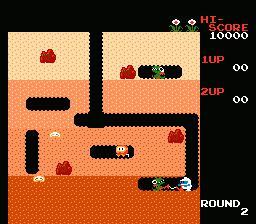
Dig Dug
1982 arcade game created by Namco
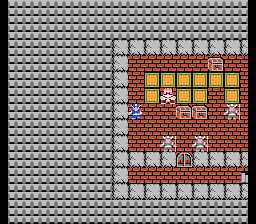
Dragon Quest
1986 role-playing video game
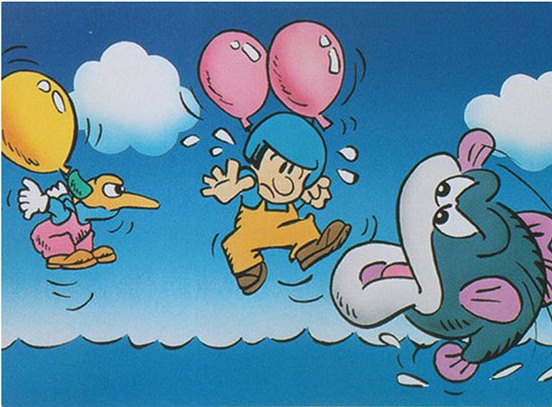
Balloon Fight
1984 video game
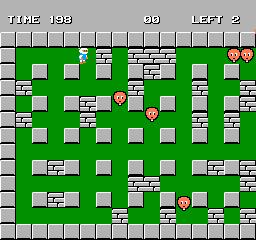
Bomberman
1983 video game
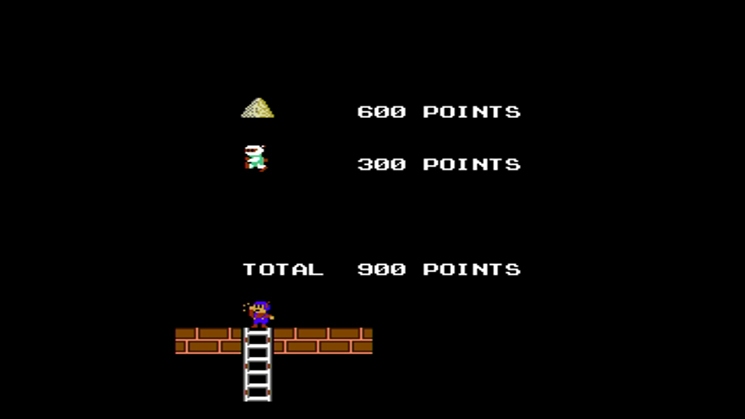
Lode Runner
1983 video game
Boulder Dash
1984 video game

Q*bert
Q*bert () is a 1982 action video game developed and published by Gottlieb for arcades. It is a 2D action game with puzzle elements that uses isometric graphics to create a pseudo-3D effect. The objective of each level in the game is to change every cube in a pyramid to a target color by letting Q*bert, the on-screen character, hop on top of the cube while avoiding obstacles and enemies. Players also use a joystick to control the character.
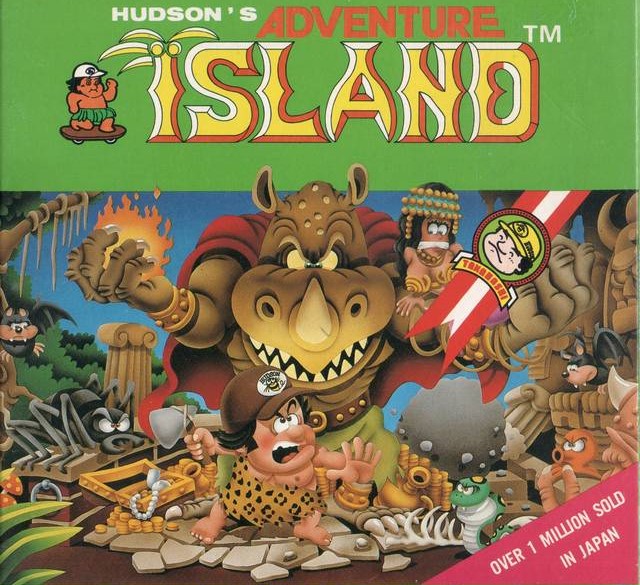
Adventure Island
1986 video game
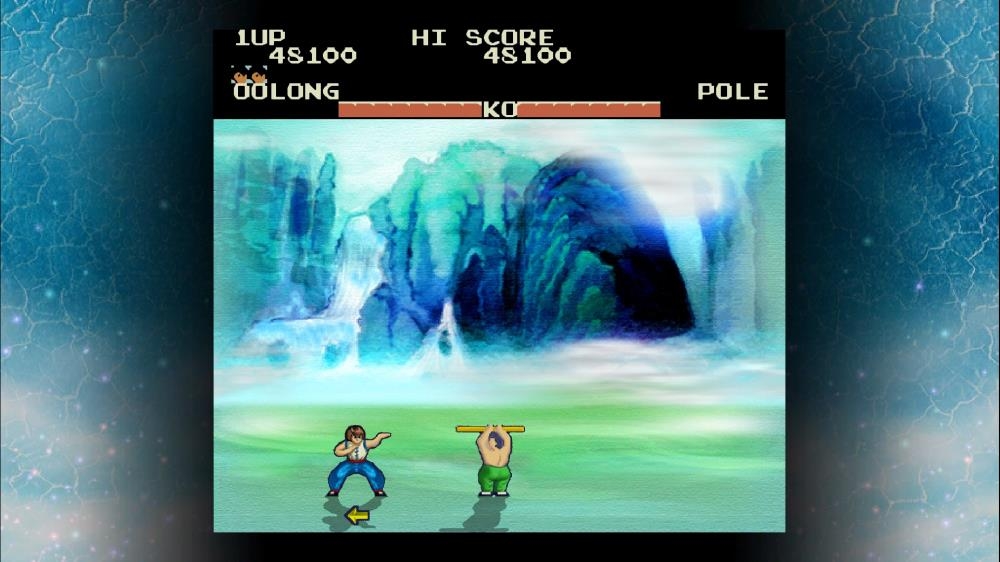
Yie Ar Kung-Fu
1985 video game

Pitfall!
Pitfall! is a 1982 platform video game developed by David Crane and published by Activision for the Atari 2600. The player controls Pitfall Harry, who has a time limit of 20 minutes to seek treasure in a jungle. The game world is populated by enemies and hazards that variously cause the player to lose lives or points. Pitfall! was ported to the Atari 5200, Atari 8-bit computers, ColecoVision, Commodore 64, and MSX.
10-Yard Fight
1983 American football video game
Out Run
1986 video game

Mystery House
1980 video game
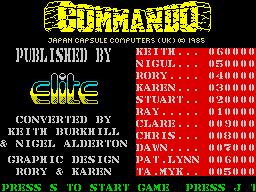
Commando
1985 video game
Shinobi
1987 arcade video game
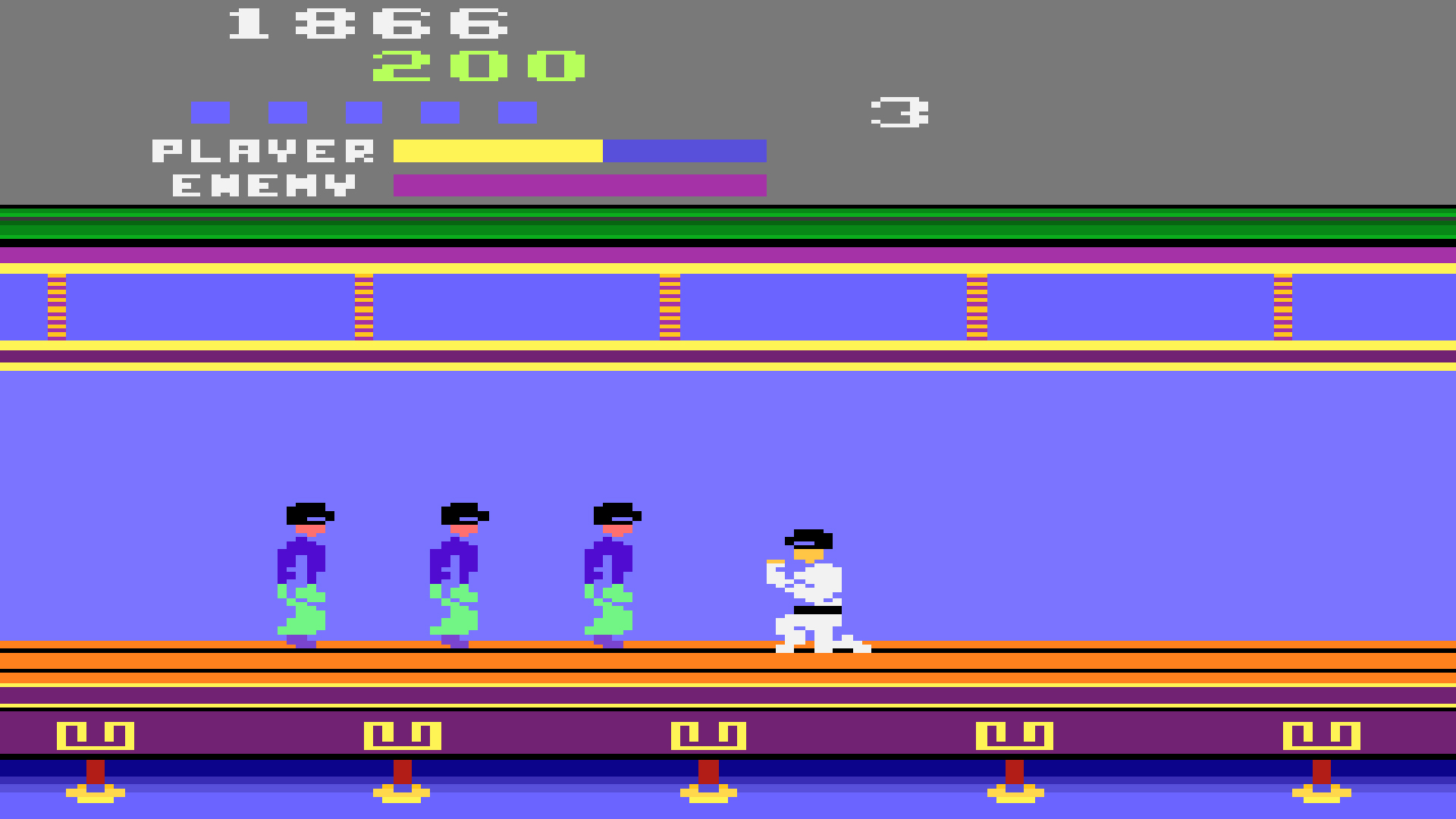
Kung-Fu Master
1984 video game

Hang-On
is a 1985 racing video game developed and published by Sega for arcades. In the game, the player controls a motorcycle against time and other computer-controlled bikes. It was one of the first arcade games to use 16-bit graphics and uses the Super Scaler arcade system board, created with design input from Yu Suzuki, as technology to simulate 3D effects. The deluxe cabinet version also introduced a motion-controlled arcade cabinet, where the player's body movement on a large motorbike-shaped cabinet corresponds with the player character's movements on screen.
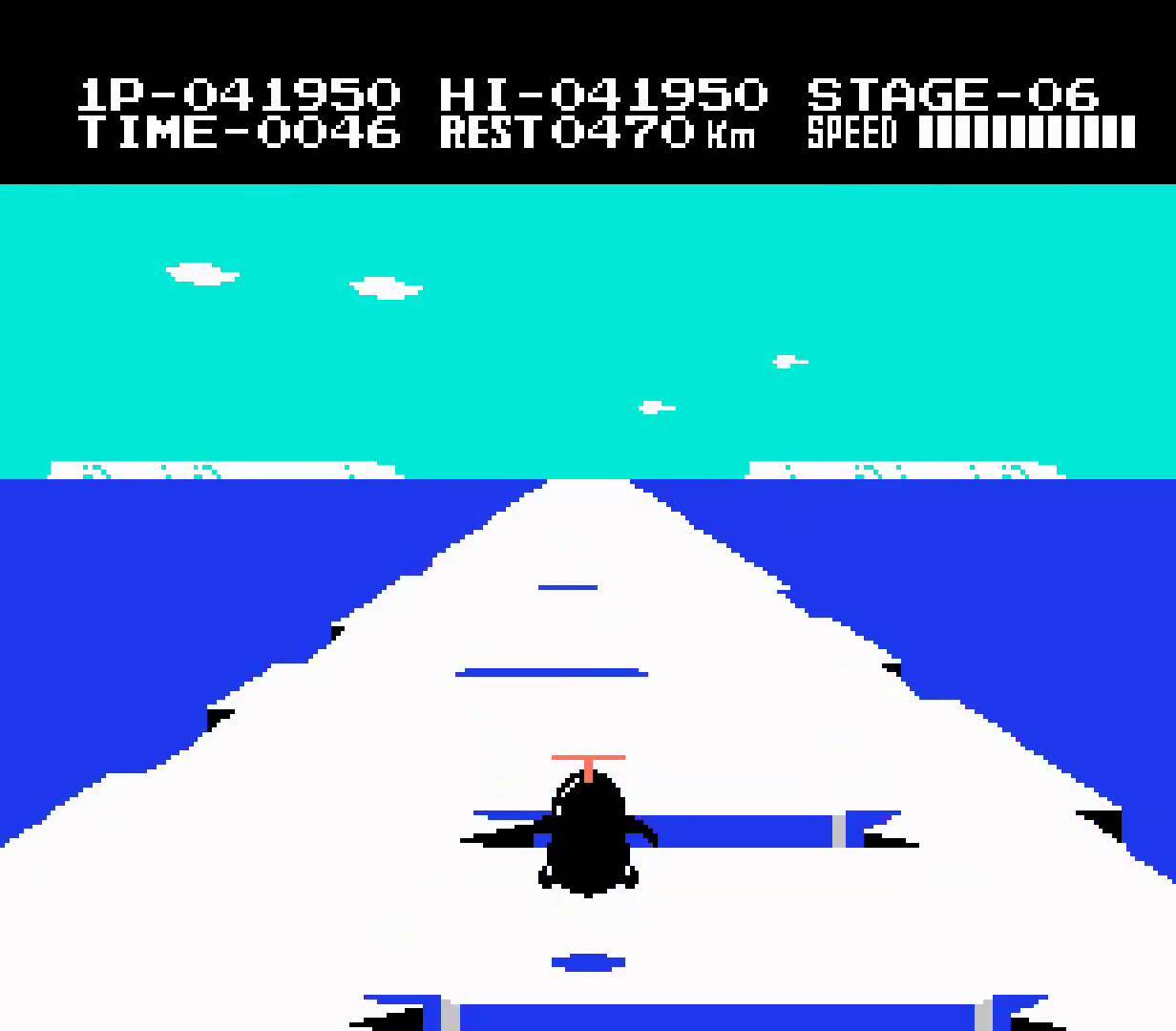
Antarctic Adventure
1983 video game
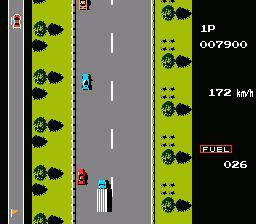
Road Fighter
1984 racing video game
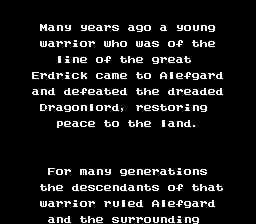
Dragon Quest II
1987 role-playing video game
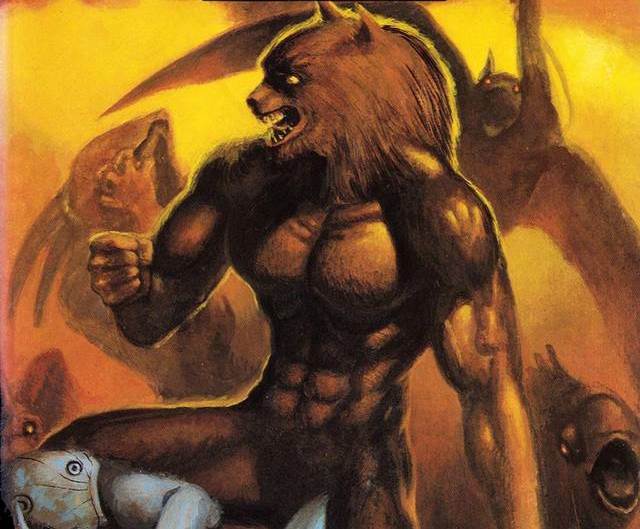
Altered Beast
1988 video game
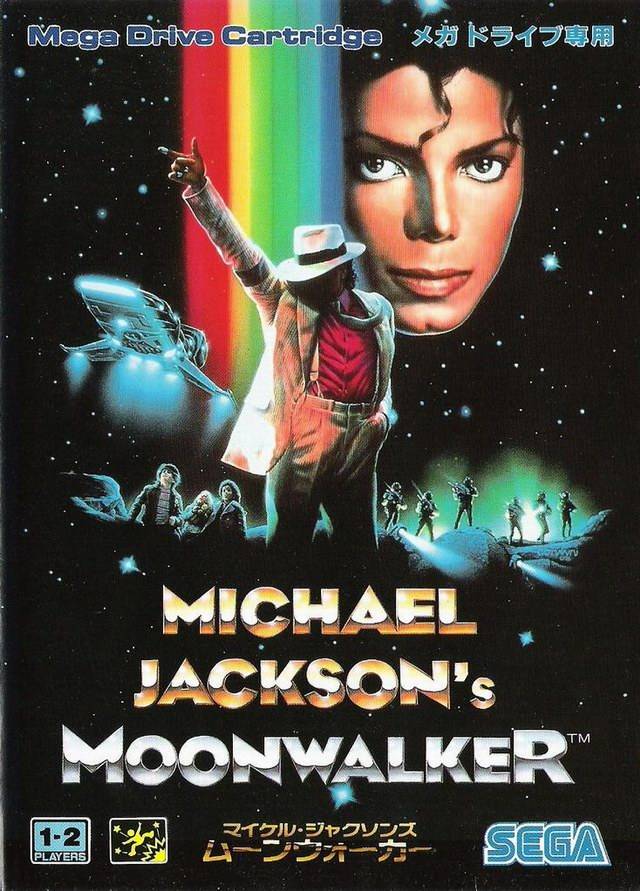
Michael Jackson's Moonwalker
1989 video game
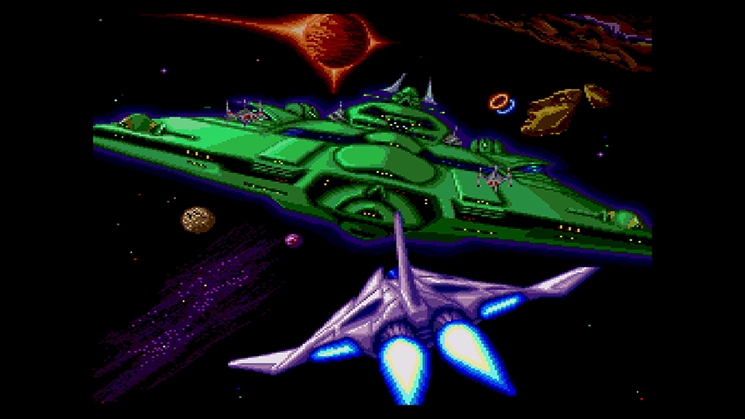
Gradius
1985 arcade game

Pooyan
is a 1982 fixed shooter video game developed and published by Konami for arcades. It was released in North America by Stern Electronics. The player controls "Mama", a pig whose babies have been kidnapped by a group of wolves. It was later ported to home consoles and personal computers.
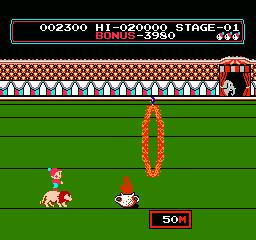
Circus Charlie
1984 computer and video game
After Burner
1987 video game
Record of Lodoss War
novel series by Ryo Mizuno

Mappy
is a 1983 platform video game developed and published by Namco for arcades. It was released in Japan in March 1983 and in North America by Bally Midway in April 1983. It runs on Namco's Super Pac-Man hardware modified to support horizontal scrolling. The name "Mappy" is likely derived from , a slightly pejorative Japanese slang term for policeman. The game has been re-released in several Namco arcade compilations. It spawned a handful of sequels and a 2013 animated web series developed by cartoonists Scott Kurtz and Kris Straub.
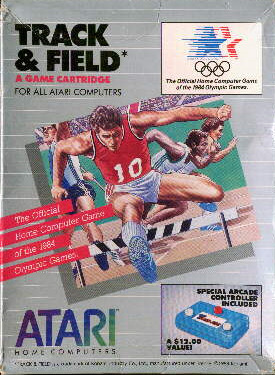
Track & Field
1983 arcade video game
Elite
1984 video game

Pac-Land
is a 1984 platform game developed and published by Namco for arcades. It was released in North America by Bally Midway, and in Europe by Atari Games. Controlling Pac-Man, the player must make it to the end of each stage to return a lost fairy back to its home in Fairyland. Pac-Man will need to avoid obstacles, such as falling logs and water-spewing fire hydrants, alongside his enemies, the Ghost Gang. Eating large flashing Power Pellets will cause the ghosts to turn blue, allowing Pac-Man to eat them for points.
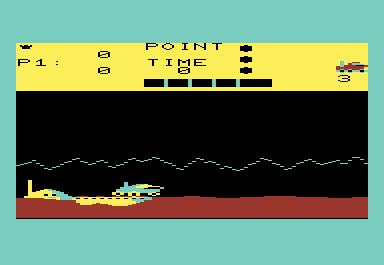
Moon Patrol
1982 video game
The Great Giana Sisters
1987 video game
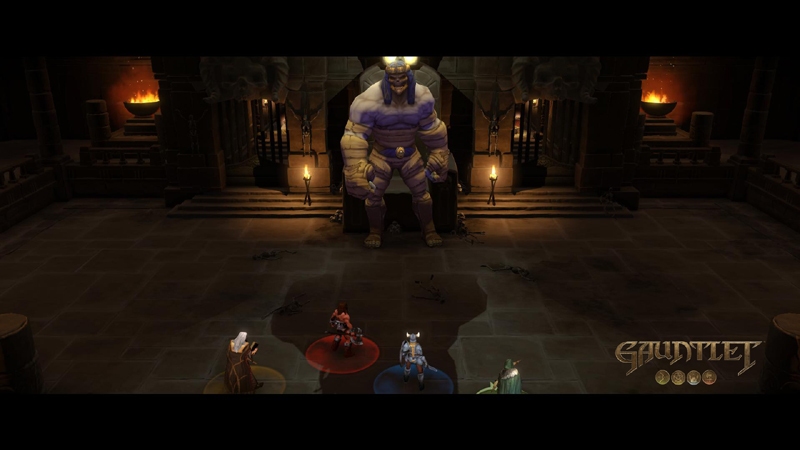
Gauntlet
fantasy-themed hack and slash 1985 arcade game by Atari Games

Elevator Action
1983 arcade game
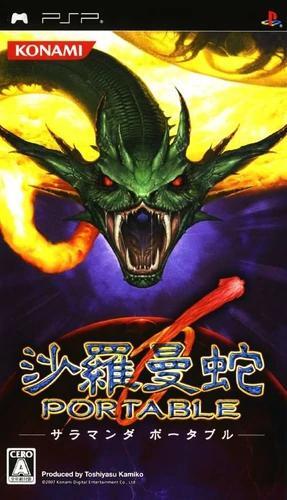
Salamander
1986 shoot 'em up video game

River Raid
1982 scrolling shooter video game
Operation Wolf
1987 video game
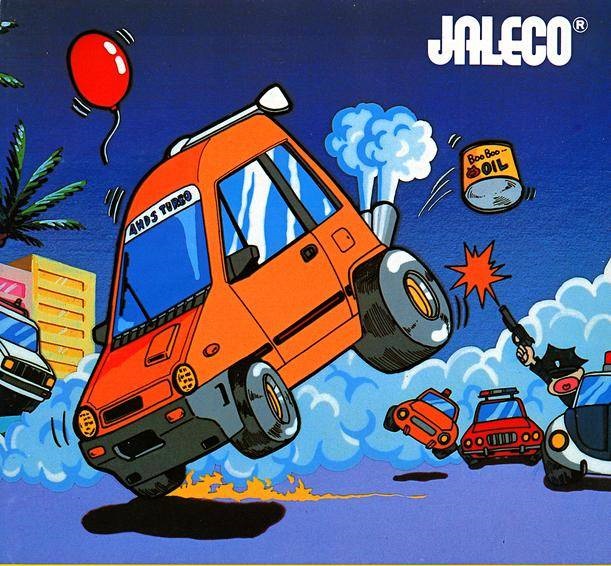
City Connection
1985 video game

Manic Miner
1983 video game
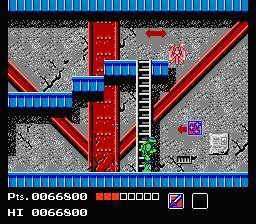
Teenage Mutant Ninja Turtles
1989 video game
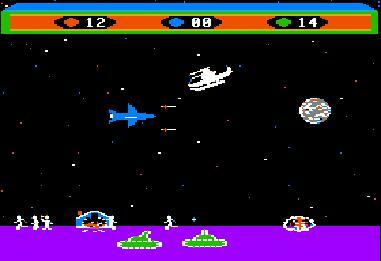
Choplifter
Choplifter (stylized as Choplifter!) is a 1982 horizontally scrolling shooter video game developed by Dan Gorlin and published by Broderbund for the Apple II. It was ported to the Atari 8-bit computers the same year, and later to the VIC-20, Commodore 64, Atari 5200, ColecoVision, MSX, and Thomson computers. In 1985, Sega released a remake for arcades, with subsequent ports published for the Master System and Famicom in 1986. Graphically enhanced versions for the Atari 8-bit computers and the Atari 7800 were also released in 1988 by Atari Corporation.
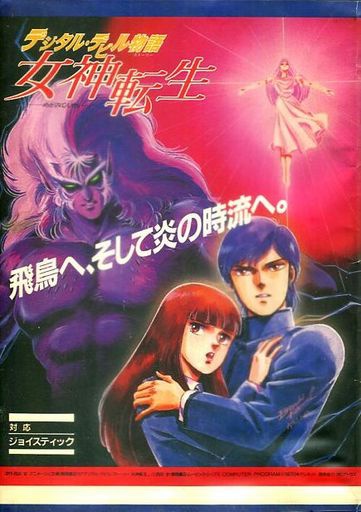
Digital Devil Story: Megami Tensei
1987 video game published by Namco

BurgerTime
(or in Japan) is an arcade video game by Data East released in 1982. According to a former Data East programmer, the game was designed in-house but the development itself was outsourced to another company.
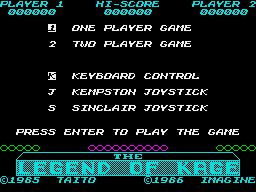
The Legend of Kage
1985 video game
Nobunaga's Ambition
role-playing video game series
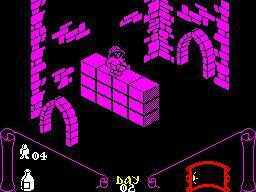
Knight Lore
1984 video game

Rally-X
is a 1980 maze video game developed and published by Namco for arcades. It was released on October 3, 1980 in Japan, by Midway Manufacturing in North America in February 1981 and by Karateco in Europe in 1981. Players drive a blue Formula One race car through a multidirectional scrolling maze to collect yellow flags. Boulders block some paths and must be avoided. Red enemy cars pursue the player in an attempt to collide with them. Red cars can be temporarily stunned by laying down smoke screens at the cost of fuel. Rally-X is one of the first games with bonus stages and continuously playing ba

Zaxxon
is a 1981 scrolling shooter video game developed by Sega with assistance from Ikegami Tsushinki and published by Sega for Japanese and European arcades; it was distributed by Sega/Gremlin in North America. The player pilots a ship through two heavily defended space fortresses, and the outer space areas between them, to confront the Zaxxon robot at the end of the second fortress.
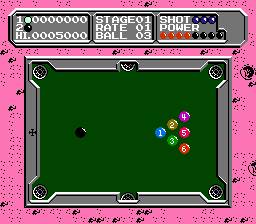
Lunar Pool
1985 sports video game