Category
page 1Nepalese cuisine

samosa
A samosa () () is a fried Indian pastry with a savoury filling that mostly consists of vegetables like spiced potatoes, onions, and peas, but can include cheese such as paneer, meat or even fish. Its name originates from the Middle Persian word sambosag () (meaning 'triangular pastry'). It is made in different shapes, including triangular, cone, or crescent, depending on the region. Samosas are often accompanied by chutney, and have origins in medieval times or earlier. Sweet versions containing traditional Indian flavours or even chocolate are also made. Samosas are popular snacks in South As

cardamom
thumb|True cardamom plant (Elettaria cardamomum)
thumb|Cardamom seeds

ghee
Ghee (Hindi: घी) is a type of clarified butter, originating from India. It is commonly used for cooking, as a traditional medicine, and for Hindu religious rituals.

chapati
Chapati (alternatively spelled chapathi or chapatti; IAST: ) is an unleavened flatbread originating from the Indian subcontinent. Chapatis are made of whole-wheat flour known as atta, mixed into dough with water, and cooked on an iron griddle known as a tava, puffing up over direct heat. Another version, in East African cuisine, is instead fried. Chapati is a form of roti, and the two are sometimes conflated. It is a widely eaten in South Asia—even in areas where rice is the typical staple—and in most East African countries, as well as by the South Asian diaspora.

pakora
Pakora () is a fritter originating from the Indian subcontinent. They are sold by street vendors and served in restaurants across South Asia. They often consist of vegetables such as potatoes and onions, which are coated in seasoned gram flour batter and deep-fried.

gulab jamun
milk-solid-based sweet from the Indian subcontinent

garam masala
Indian blend of ground spices

paneer
Paneer () is a fresh acid-set cheese, common in South Asian cuisine, made from cow milk or buffalo milk. It is a non-aged, non-melting soft cheese made by curdling milk with an acid, such as lemon juice or citric acid. Paneer was predominantly used in north Indian dishes and is commonly used throughout India due to its versatility as an ingredient in diverse dishes.

papad
A papadam, also known as a poppadom, papadom or papadum among other transliterations, is a snack that originated in the Indian subcontinent. Dough of black gram bean flour is either deep-fried or cooked with dry heat (flipped over an open flame) until crunchy. Other flours made from lentils, chickpeas, rice, tapioca, millet or potato are also used. Papadam is typically served as an accompaniment to a meal in India, Pakistan, Bangladesh, Nepal, Sri Lanka and the Caribbean or as an appetizer, often with dips such as chutneys, or toppings like chopped onions and chili peppers.

sherbet
sweet drink
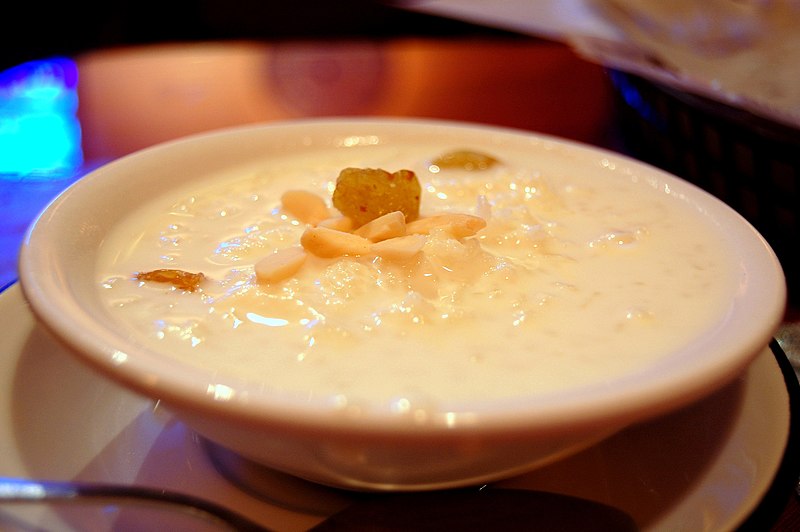
kheer
Kheer, khir, payesh, fenni or payasam is a pudding or porridge (specifically rice pudding) popular in the Indian subcontinent, usually made by boiling milk, sugar or jaggery, and rice. It can be additionally flavoured with dried fruits, nuts, cardamom and saffron. Instead of rice, it may contain cracked wheat, vermicelli (sevai), sago or tapioca (sabudana).
.jpg)
dal
In Indian cuisine, dal (also spelled daal or dhal pronunciation: ) are dried, split pulses (e.g., lentils, peas, and beans) that do not require soaking before cooking. India is the largest producer of pulses in the world. The term is also used for various soups prepared from these pulses. These pulses are among the leading staple foods in South Asian countries, and form an important part of the cuisines of the Indian subcontinent.

laddu
Laddu or laddoo is a spherical sweet from the Indian subcontinent made of various ingredients and sugar syrup or jaggery. It has been described as "perhaps the most universal and ancient of Indian sweets."

roti
Roti is a round flatbread originating from the Indian subcontinent. It is commonly consumed in many South Asian, Southeast Asian, Caribbean, East African, and Southeast African countries.

paratha
Paratha (, also known by other spellings) is a flatbread from the Indian subcontinent, consisting of a wheat dough, typically whole wheat, that is folded and rolled with ghee, forming multiple layers, and shallow fried. Paratha may be stuffed with various fillings, the most common being potato. Paratha is one of the most popular flatbreads in India. The folded, whole-wheat version is prevalent in the Northern Indian subcontinent, and is distinct from South Indian parotta, which uses refined flour. Variations also exist in the cuisines of Myanmar, Mauritius, Malaysia (where it is known as roti
momo
dumpling from Nepal
khichri
dish from the South Asia made from rice and lentils (dal)
chow mein
fried noodles

thali
thumb|North Indian cuisine|North Indian style vegetarian thali served in a restaurant
barfi
Barfi or burfi is a milk-based sweet from the Indian subcontinent with a fudge-like consistency. It is consumed throughout India and Pakistan and is especially popular in North India. Barfi is often served at celebrations and religious festivals such as Diwali and Holi.
achar
foods originating from the Indian subcontinent, pickled from certain varieties of vegetables and fruits
rosogolla
Rasgulla (literally "syrup-filled ball") is a syrupy dessert popular in the eastern part of South Asia. It is made from ball-shaped dumplings of chhena dough cooked in light sugar syrup until the syrup permeates the dumplings.

Cinnamomum tamala
species of plant
Nepalese cuisine
culinary traditions of Nepal

tsampa
Tsampa or tsamba (; ) is a Tibetan and Himalayan staple foodstuff; it is also prominent in parts of northern Nepal. It is a glutinous meal made from roasted flour, usually barley flour and sometimes also wheat flour and flour prepared from tree peony seeds. It is usually mixed with Tibetan butter tea. It is also eaten in Turkestan and Mongolia, where it is known as zamba.
press cake
solid block remaining after pressing to extract liquids
mung bean sprout
sprout of the mung bean
Dastarkhān
A dastarkhān (Persian / Urdu: دسترخوان, , , , , , , , ) or dastarkhwān is the name used across Central Asia and South Asia to refer to the traditional dining space where food is eaten. The term is a word of Persian origin meaning the tablecloth which is spread on the ground, floor, or table as a sanitary surface for food.

chaat
Chaat, or chāt (IAST: cāṭ) () is a family of fried dough snacks that originated in India, typically served as an hors d'oeuvre or at roadside tracks from stalls or food carts across South Asia. With its origins in Uttar Pradesh, chaat has become popular in the rest of South Asia.

murabba
Murabba (from ) is a sweet fruit preserve which is popular in many regions of South Caucasus, Central Asia, South Asia, and the Middle East. A similar dish to murabba (spoon sweets) is also popular in the Balkans. It is generally prepared with fruits, sugar, and spices.

khoa
Khoa, khoya, khowa or mawa is a soft cheese widely used in the cuisines of the Indian subcontinent, encompassing India, Nepal, and Pakistan. It is made of either dried whole milk or milk thickened by heating in an open iron pan. It is lower in moisture than typical fresh cheeses such as ricotta. It is made from whole milk instead of whey.
Dal bhat
Lentil and rice dish

Thukpa
Thukpa (Tibetan: ཐུག་པ; IPA: /tʰu(k̚)ˀ˥˥.pə˥˥/ ) is a Tibetan noodle soup, which originated in the eastern part of Tibet. Amdo thukpa, especially thenthuk, is a variant among the Indians, especially Ladakhis and the Sikkimese. Thukpa can be prepared in both vegetarian and non-vegetarian variations; the most popular non-vegetarian variation includes chicken.
dahi
traditional yogurt or fermented milk product, originating from the Indian subcontinent
Rajma
Rājmā, is a vegetarian dish, originating from the Indian subcontinent, consisting of red kidney beans in a thick gravy with many Indian whole spices, and is usually served over rice, in a meal called Rajma Chawal. It is a part of the regular diet in Northern India, Nepal and Punjab province of Pakistan. The dish developed after the red kidney bean was brought to the Indian subcontinent from Mexico.

saag
Saag, also spelled sag, saagh, saga, shaak or shak, is a leafy vegetable dish from the Indian subcontinent. It is eaten with bread, such as roti or naan, or in some regions with rice. Saag can be made from mustard greens, collard greens, basella or finely chopped broccoli along with added spices and sometimes other ingredients, such as chhena.

Chhurpi
Chhurpi (), otherwise known as durkha and chogo/chugo, is a traditional cheese consumed in Nepal, Bhutan, Tibet and parts of Northeastern India. The two varieties of chhurpi are a soft variety (consumed usually as a side dish with rice) and a very hard variety. Chhurpi is considered one of the hardest cheeses in the world.
.jpg)
peda
Peda, pedha () or pera is an Indian sweet that originated in the city of Mathura, Uttar Pradesh, India. Traditionally prepared as thick, semi-soft round balls, its main ingredients are khoa, sugar and traditional flavourings including cardamom seeds. It is brown in colour. Variant spellings and names for the dessert include pedha, penda (in Gujarati) and pera and it is found in several varities in north India.
yak butter
butter made from the milk of the domesticated yak
panch phoron
South Asian spice blend
%20festival%20in%20Tharparkar%2C%20Sindh.jpg)
Sattu
Sattu or Satui (Hindi: सत्तू ; Bhojpuri: सतुआ/सातु; Nepali: सातु) is a type of flour, mainly used in Nepal, India and Tibet. Satui is made up of dry-roasted and ground pulses and cereals. The dry powder is prepared in various ways as a principal or secondary ingredient of dishes. Satui is used in vegetarian cuisine as it can be a source of protein.
Sel roti
Nepalese ring-shaped sweet rice bread
Thekua
Thekua, thokwa or thekariis, also known as khajuria, tikari and thokni, is an Indo-Nepalese sweet dish popular in Southern Nepal and the Indian states of Bihar, Jharkhand and eastern Uttar Pradesh. Thekua is a revered prasada, offering to god, during Chhath puja. It has been used as a sweet snack for centuries in these places.
Sikkimese cuisine
traditional cuisine of Sikkim, a state of India
rice and curry
popular dish in South Asia

Kinema
Kinema () (Limbu: , Kinaamba in Limbu) is a fermented soybean food, originated among the Limbu people and now prepared by the Kirat people of the Eastern Himalayas region: Eastern Nepal, and Darjeeling, Kalimpong and Sikkim regions of India. Kinema, also known as kinama, is a traditional food of the Limbu people.

Allium hypsistum
species of plant
tomato chutney
chutney prepared using tomatoes
mimosa sugar ball
type of religious offering
Dhindo
Dhindo ( ) is a meal prepared in Nepal. It is prepared by gradually adding flour to boiling water while stirring. It is a staple meal in various parts of Nepal, especially in the mountainous regions of Nepal and the Sikkim and Darjeeling regions of India. Though it is a staple food in Nepal, dhindo has previously been seen as an inferior food compared to rice, and was associated with low status. The inclusion of dhindo on urban restaurant menus has coincided with a rise in the food's prestige, possibly attributable to the changing perception of Nepal's indigenous crops, which are now recognize
Litti Chokha
Litti Chokha a complete meal originated from the Indian state of Bihar.
Nepal tea
Tea Plants
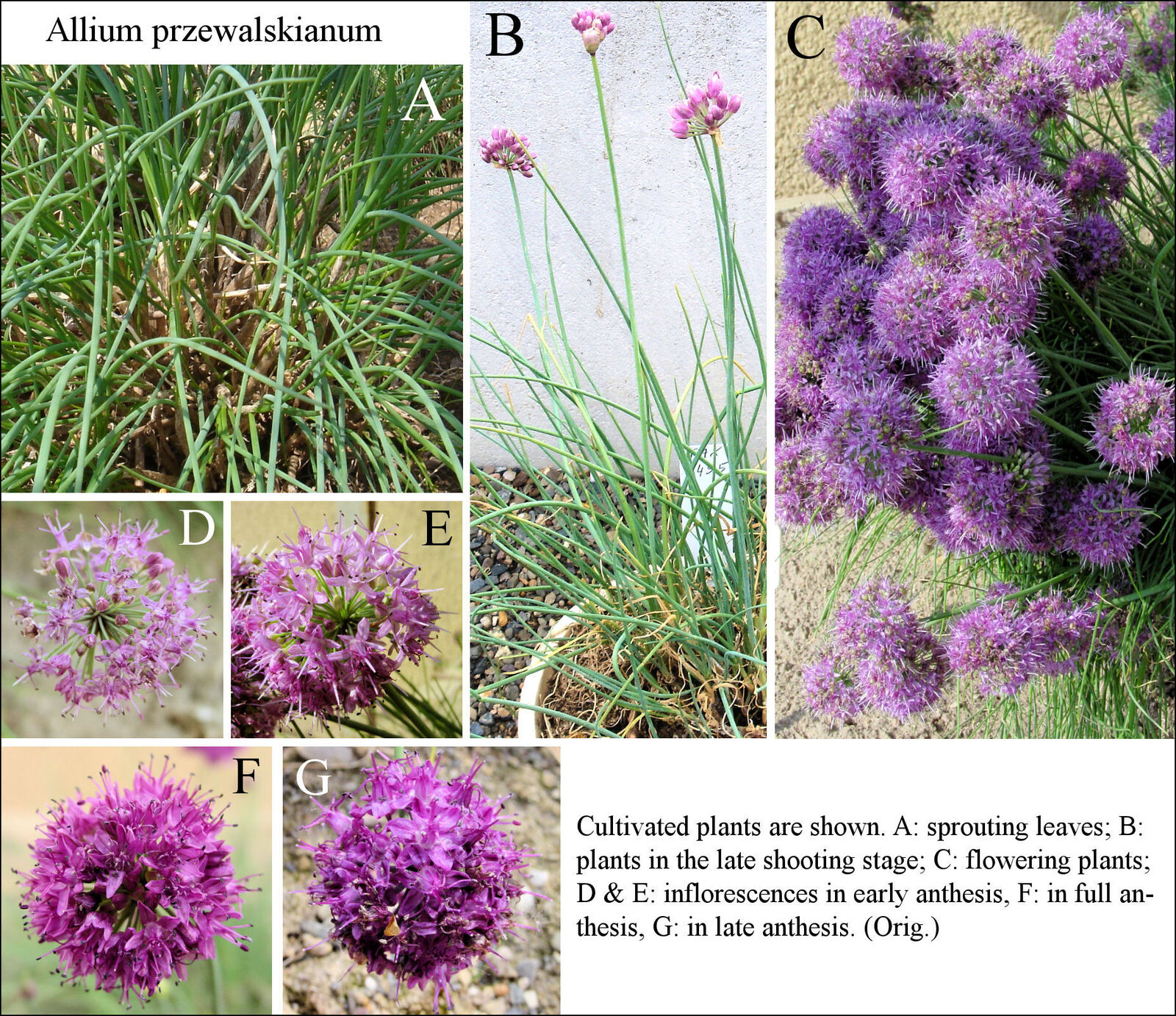
Allium przewalskianum
species of plant
Mukhwas
Mukhwas is a colorful South Asian after-meal snack used as a breath freshener. As per Agamas, mukhwas forms one of the components of sixteen upcharas (offerings) to a deity in a Puja, the Hindu mode of worship or prayer. It consists of various seeds and nuts, often fennel, anise, coconut, coriander, and sesame. They can be savory or sweet in flavor and are often aromatic due to the addition of various essential oils, including peppermint. Mukhwas are often coated in sugar and brightly colored.

Gorkha Beer
trademark
chaku
Newa and/or Nepalese dish
Bhendi fry
Stir fried okra dish
Sekuwa
Sekuwa is a traditional Nepalese dish consisting of meat that is marinated with a blend of spices and then grilled over an open flame or charcoal, giving it a smoky, rich flavor. The dish is an essential part of Nepalese cuisine and is typically made with meats such as goat, chicken, buffalo, or lamb, though variations may include pork or a mixture of meats. The meat is prepared by first being marinated in a mixture of spices, ginger-garlic paste, yogurt, lemon juice, mustard oil, and salt. It is then skewered and roasted over an open flame or charcoal, which imparts a unique smokiness and ten
Sha Phaley
Tibetan dish made of bread, beef, and vegetables
Sinki
Nepalese dish