Category
page 1Pantropical flora

Abrus precatorius
species of plant

Zingiberales
The Zingiberales are flowering plants forming one of four orders in the commelinids clade of monocots, together with its sister order, Commelinales. The order includes 68 genera and 2,600 species. Zingiberales are a unique though morphologically diverse order that has been widely recognised as such over a long period of time. They are usually large herbaceous plants with rhizomatous root systems and lacking an aerial stem except when flowering. Flowers are usually large and showy, and the stamens are often modified (staminodes) to also form colourful petal-like structures that attract pollinat

Piperaceae
The Piperaceae (), also known as the pepper family, are a large family of flowering plants. The group contains roughly 3,600 currently accepted species in five genera. The vast majority of species can be found within the two main genera: Piper (2,171 species) and Peperomia (over 1,000 species).

Piper
genus of plants

Taxodium distichum
species of cypress tree

Barbados nut
species of plant

Pistia stratiotes
Pistia is a genus of aquatic plants in the arum family, Araceae. It is the sole genus in the tribe Pistieae which reflects its systematic isolation within the family. The single species it comprises, Pistia stratiotes, is often called water cabbage, water lettuce, Nile cabbage, or shellflower. Its native distribution is uncertain but is probably pantropical; it was first scientifically described from plants found on the Nile near Lake Victoria in Africa. It is now present, either naturally or through human introduction, in nearly all tropical and subtropical fresh waterways and is considered a

Dipterocarpaceae
Dipterocarpaceae is a family of flowering plants with 22 genera and about 695 known species of mainly lowland tropical forest trees. Their distribution is pantropical, from northern South America to Africa, the Seychelles, India, Indochina, Indonesia, Malaysia and Philippines. The greatest diversity of Dipterocarpaceae occurs in Borneo.

Albizia
Albizia is a genus of more than 160 species of mostly fast-growing subtropical and tropical trees and shrubs in the subfamily Mimosoideae of the family Fabaceae. The genus is pantropical, occurring in Asia, Africa, Madagascar, America and Australia, but mostly in the Old World tropics. In some locations, some species are considered weeds.

Euphorbia hirta
species of hairy herb grown in open grasslands, roadsides, and pathways

Bauhinia
Bauhinia () is a large genus of flowering plants in the subfamily Cercidoideae and tribe Bauhinieae, in the large flowering plant family Fabaceae, with a pantropical distribution. The genus was named after the Bauhin brothers Gaspard and Johann, Swiss-French botanists.
%20(6728299493).jpg)
Vigna
Vigna is a genus of plants in the legume family, Fabaceae, with a pantropical distribution. It includes some well-known cultivated species, including many types of beans. Some members of the genus were previously classified in Phaseolus. According to Hortus Third, Vigna differs from Phaseolus in biochemistry and pollen structure, and in details of the style and stipules.

Indigofera
Indigofera is a large genus of over 750 species of flowering plants belonging to the pea family Fabaceae. They are widely distributed throughout the tropical and subtropical regions of the world.

Costaceae
Costaceae, known as the Costus family or spiral gingers, is a family of pantropical monocots. It belongs to the order Zingiberales, which contains horticulturally and economically important plants such as the banana (Musaceae), bird-of-paradise (Strelitziaceae), and edible ginger (Zingiberaceae). The seven genera in Costaceae together contain about 143 known species (1 in Monocostus, 2 in Dimerocostus, 16 in Tapeinochilos, 2 in Paracostus, 8 in Chamaecostus, c. 5 in Hellenia, and c. 80 in Costus). They are native to tropical climates of Asia, Africa, Central America, and South America. Several
Chrysobalanaceae
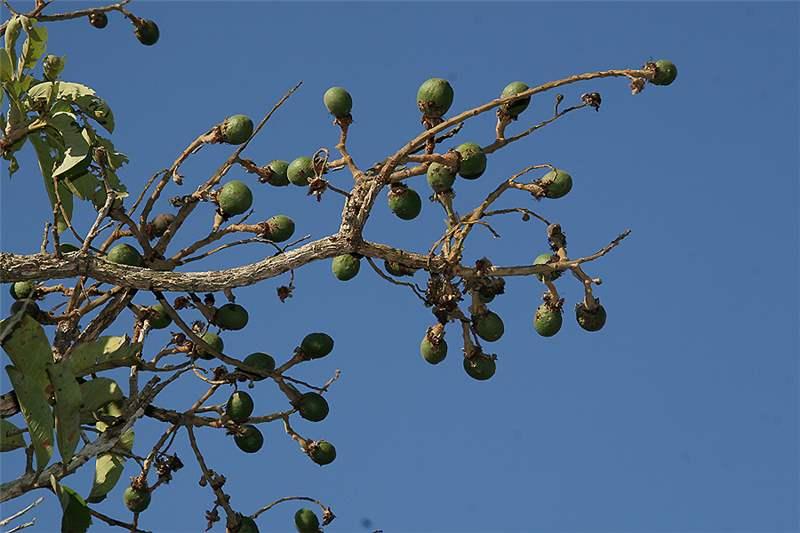
Chrysobalanaceae is a family of flowering plants, consisting of trees and shrubs in 27 genera and about 700 species of pantropical distribution with a centre of diversity in the Amazon. Some of the species contain silica in their bodies for rigidity and so the mesophyll often has sclerenchymatous idioblasts. The widespread species Chrysobalanus icaco produces a plum-like fruit and the plant is commonly known as the coco plum.

Garcinia
Garcinia is a genus of flowering plants in the family Clusiaceae native to the Sundaland bioregion of Asia, America, Australia, tropical and southern Africa, and Polynesia. The number of species is disputed; Plants of the World Online (POWO) recognise up to 400. Commonly, the plants in this genus are called saptrees, mangosteens (which may also refer specifically to Garcinia mangostana), or garcinias, and is one of several plants known as by the name "monkey fruit". The genus is named after French botanist Laurent Garcin (1683–1751).

Passiflora foetida
species of plant

Terminalia
genus of plants

Ipomoea pes-caprae
species of plant

Cassia
genus of plants

Asclepias curassavica
species of plant

Eugenia
Eugenia is a genus of flowering plants in the myrtle family Myrtaceae. It has a worldwide, although highly uneven, distribution in tropical and subtropical regions. The bulk of the approximately 1,100 species occur in the New World tropics, especially in the eastern Brazil's northern Andes, the Caribbean, and the Atlantic Forest (coastal forests). Other centers of diversity include New Caledonia and Madagascar. Many species in the Old World have received a new classification into the genus Syzygium.

Peperomia
Peperomia is one of the two large genera of the family Piperaceae. It is estimated that there are over 1,000 species, occurring in all tropical and subtropical regions of the world. They are concentrated in South and Central America, but may also be found in southern North America, the Caribbean islands, Africa, Oceania, and southern and eastern parts of Asia. The exact number of species is difficult to determine, as some plants have been recorded several times with different names, and new species continue to be discovered. Peperomias have adapted to many different environments and their appe
Psychotria
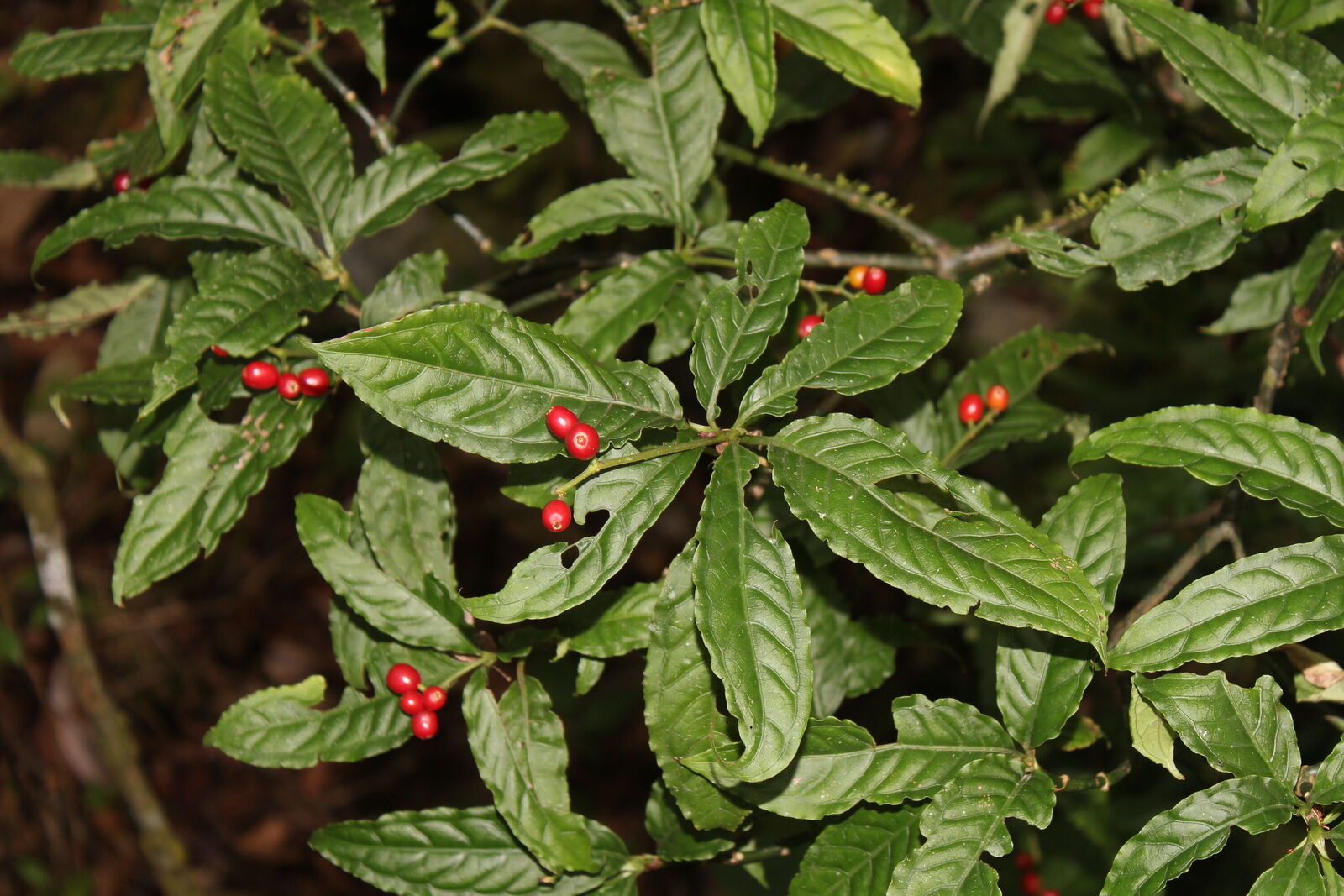
Psychotria is a large genus of flowering plants in the coffee family Rubiaceae, with over 1,600 species. The genus has a pantropical distribution and members of the genus are small understorey trees in tropical forests. Some species are endangered or facing extinction due to deforestation, especially species of central Africa and the Pacific.

Pterocarpus
thumb|Wood of P. officinalis
Pterocarpus is a pantropical tree genus in the Fabaceae family. It belongs to the subfamily Faboideae, and was recently assigned to the informal monophyletic Pterocarpus clade within the Dalbergieae. Most species of Pterocarpus yield valuable timber traded as padauk (or padouk), usually pronounced or ; other common names are mukwa or narra.

Sesbania
thumb|Sesbania cannabina

Cyathea
Cyathea is a genus of tree ferns, the type genus of the fern order Cyatheales.

Croton
genus of plants

Ipomoea quamoclit
species of plant in the family Convolvulaceae

Strychnos
thumb|Strychnos nux-vomica, the [[strychnine tree]]
thumb|Strychnos ignatii, the "bean of St. Ignatius" - another source of the very toxic, [[convulsant indole alkaloid strychnine]]

Crinum
Crinum is a genus of about 180 species of perennial plants that have large showy flowers on leafless stems, and develop from bulbs. They are found in seasonally moist areas, including marshes, swamps, depressions and along the sides of streams and lakes in tropical and subtropical areas worldwide.

Platycerium
Platycerium is a genus of about 18 fern species in the polypod family, Polypodiaceae. Ferns in this genus are widely known as staghorn or elkhorn ferns due to their uniquely shaped fronds. This genus is epiphytic and is native to tropical and temperate areas of South America, Africa, Southeast Asia, Australia, and New Guinea.

Acalypha
thumb|right|Acalypha capitata
thumb|Firetail Chenille Plant, Acalypha pendula
thumb|right|Acalypha fruticosa
thumb|right|Acalypha cuneata
thumb|right|Acalypha indica
Acalypha is a genus of flowering plants in the family Euphorbiaceae. It is the sole genus of the subtribe Acalyphinae. It is one of the largest euphorb genera, with approximately 450 to 462 species. The genus name Acalypha is from the Ancient Greek () ("nettle"), an alternative form of (), and was inspired by the nettle-like leaves. General common names include copperleaf and three-seeded mercury. Native North American species are

Thespesia populnea
species of plant

Ixonanthaceae
Ixonanthaceae is a pantropical flowering plant family of trees or shrubs, consisting of about 30 species in 3 or 4 genera. It is a broadleaf evergreen.
Senna occidentalis
species of plant

Uncaria

Ruellia
Ruellia is a genus of flowering plants commonly known as ruellias or wild petunias. They are not closely related to petunias (Petunia) although both genera belong to the same euasterid clade. The genus was named in honor of Jean Ruelle (1474–1537), herbalist and physician to Francis I of France and translator of several works of Dioscorides.

Panicum maximum
species of plant

Bacopa
Bacopa is a genus of 60 aquatic plants belonging to the family Plantaginaceae. It is commonly known as waterhyssop (or water hyssop, though this is more misleading as Bacopa is not very closely related to hyssop but simply has a somewhat similar appearance).

Rhizophora mangle
species of plant

Erythroxylum
Erythroxylum is a genus of tropical flowering plants in the family Erythroxylaceae. Many of the approximately 200 species contain the tropane alkaloid cocaine, and two of the species within this genus, Erythroxylum coca and Erythroxylum novogranatense, both native to South America, are the main commercial source of cocaine and of the mild stimulant coca tea. Another species, Erythroxylum vaccinifolium (also known as catuaba) is used as an aphrodisiac in Brazilian drinks and herbal medicine. Erythroxylum australe was traditionally used by Aboriginal Australians for rites and other practices.

Indigofera suffruticosa
species of plant

Manilkara
Manilkara is a genus of trees in the family Sapotaceae. They are widespread in tropical and semitropical locations, in Africa, Madagascar, Asia, Australia, and Latin America, as well as various islands in the Pacific and in the Caribbean. A close relative is the genus Pouteria.

Mucuna
Mucuna is a genus of vines and shrubs of the legume family Fabaceae: tribe Phaseoleae. It has a pan-tropical distribution and contains 112 accepted species . The genus was created in 1763 by French botanist Michel Adanson.

Alternanthera
Alternanthera is a genus of flowering plants in the family Amaranthaceae. It is a widespread genus with most species occurring in the tropical Americas, and others in Asia, Africa, and Australia. Plants of the genus may be known generally as joyweeds, or '''Joseph's coat'''. Several species are notorious noxious weeds.

Scaevola
genus of plants
Acaena
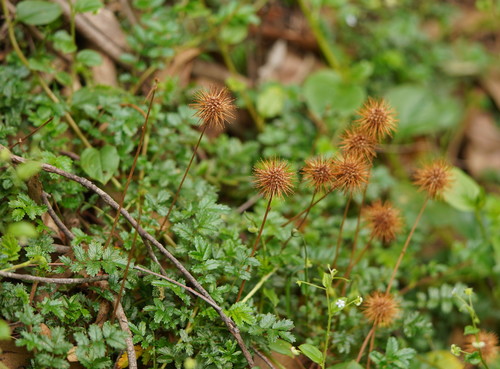
Acaena is a genus of about 60 species of mainly evergreen, creeping herbaceous perennial plants and subshrubs in the family Rosaceae, native mainly to the Southern Hemisphere, notably New Zealand, Australia and South America, but with a few species extending into the Northern Hemisphere, north to Hawaii (A. exigua) and California (A. pinnatifida).

Erythrina fusca
species of plant

Antigonon leptopus
species of plant

Lindsaeaceae
Lindsaeaceae is a pantropical family of ferns in the order Polypodiales. It contains six or seven genera with about 220 known species, some of which also extend into the more temperate regions of eastern Asia, New Zealand, and South America.

Ximenia americana
species of plant

Guilandina bonduc
species of plant

Conocarpus erectus
species of plant

Hygrophila
genus of plants

Neptunia oleracea
species of plant

Ipomoea violacea
species of plant
Oldenlandia
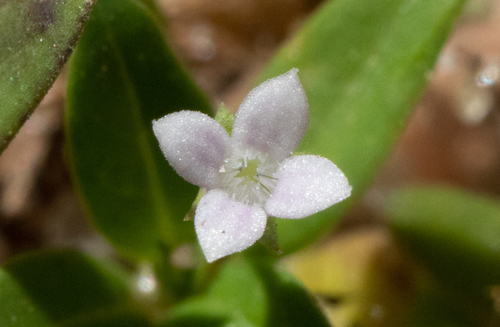
Oldenlandia is a genus of flowering plants in the family Rubiaceae. It is pantropical in distribution and has about 240 species. The type species for the genus is Oldenlandia corymbosa.

Plumbago zeylanica
species of plant

Canavalia
Canavalia is a genus of plants in the legume family (Fabaceae) that comprises approximately 73 species of tropical vines. Members of the genus are commonly known as jack-beans. It has a pantropical distribution.