Category
page 1Parmeliaceae

Usnea
Usnea is a genus of fruticose lichens in the large family Parmeliaceae. The genus, which currently contains roughly 130 species, was established by Michel Adanson in 1763. Species in the genus grow like leafless mini-shrubs or tassels anchored on bark or twigs. Members of the genus are commonly called '''old man's beard, beard lichen, or beard moss'. Usnea lichens are characterized by their shrubby growth form, elastic branches with a central cord, and distinctive soralia that produce vegetative propagules. They vary in colour from pale green to yellow-green, grey-green, reddish, or variegated
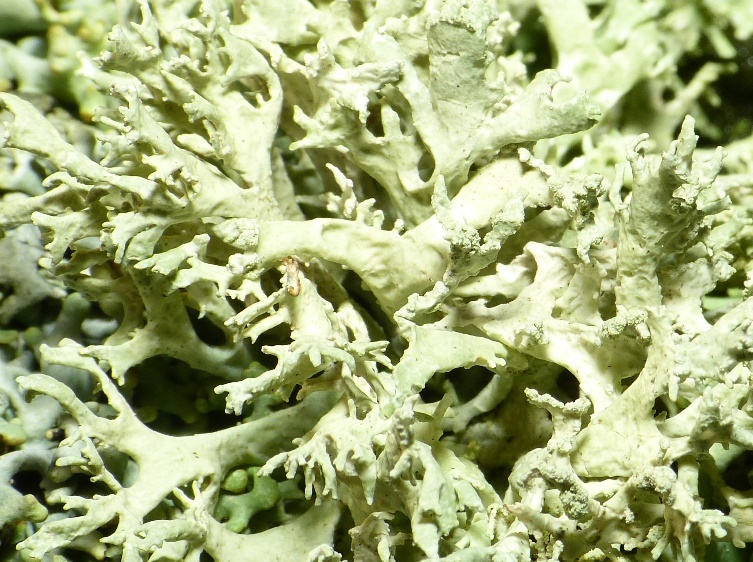
Evernia prunastri
Oakmoss (scientific name Evernia prunastri) is a species of lichen. It can be found in many mountainous temperate forests throughout the Northern Hemisphere. Oakmoss grows primarily on the trunk and branches of oak trees, but is also commonly found on the bark of other deciduous trees and conifers such as fir and pine. The thalli of oakmoss are short and bushy, and grow together on bark to form large clumps. Oakmoss thallus is flat and strap-like. They are also highly branched, resembling the form of antlers. The colour of oakmoss ranges from green to a greenish-white when dry, and dark olive-

Parmeliaceae
The Parmeliaceae is a large and diverse family of Lecanoromycetes. With over 2700 species in 71 genera, it is the largest family of lichen-forming fungi. The most speciose genera in the family are the well-known groups: Xanthoparmelia (822 species), Usnea (355 species), Parmotrema (255 species), and Hypotrachyna (262 species).

Evernia
Evernia is a genus of bushy lichens in the family Parmeliaceae.
Oakmoss Evernia prunastri is used as a fixative agent in Eau de Cologne within the perfume industry. It is green on top and white on bottom, and divides evenly into "forks"; it becomes very soft when wet. It is not to be confused with Ramalina, which is straplike, stiff and bristly, green on top and bottom, and divides unevenly. Evernia is an abundant genus, found growing on trees.

Letharia vulpina
species of fungus

Flavoparmelia caperata
species of fungus

Pseudevernia furfuracea
species of fungus

Vulpicida
Vulpicida is a genus of lichenized fungi in the family Parmeliaceae. Circumscribed in 1993 to contain species formerly placed in Cetraria, the genus is widespread in Arctic to northern temperate regions, and contains six species. The genus is characterized by the presence of the secondary metabolites pulvinic acid and vulpinic acid, compounds that when combined with usnic acid, give the species their characteristic yellow and green colors.

Cetrelia
Cetrelia is a genus of leafy lichens in the large family Parmeliaceae. They are commonly known as sea-storm lichens, alluding to the wavy appearance of their lobes. The name of the genus, circumscribed in 1968 by the husband and wife lichenologists William and Chicita Culberson, alludes to the former placement of these species in the genera Cetraria and Parmelia.
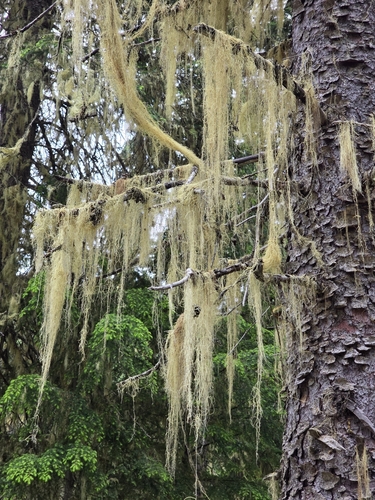
Alectoria sarmentosa
species of fungus

Vulpicida pinastri
species of fungus
.jpg)
Flavoparmelia
Flavoparmelia is a genus of foliose lichens in the family Parmeliaceae. Because of their appearance, they are commonly known as greenshield lichens. The widely distributed genus contains about 40 species.

Alectoria
genus of fungi
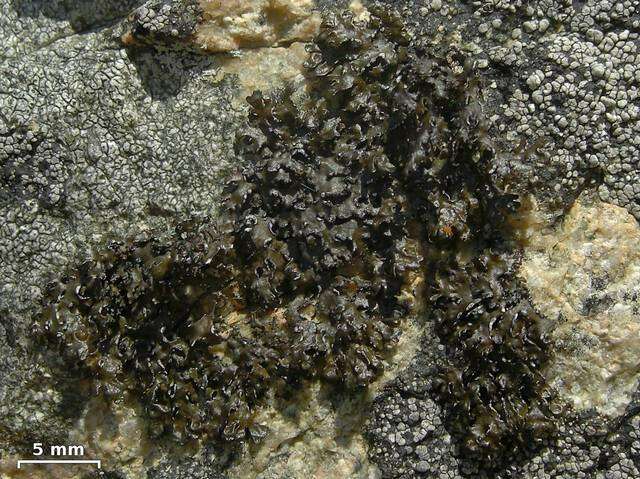
Melanelia
Melanelia is a genus of lichen-forming fungi in the family Parmeliaceae. These lichens typically grow on rocks and form relatively large, leaf-like structures with brown to blackish upper surfaces and pale undersides. The genus originally included many more species, but most have since been moved to related genera like Melanohalea and Melanelixia, leaving only five accepted species today.
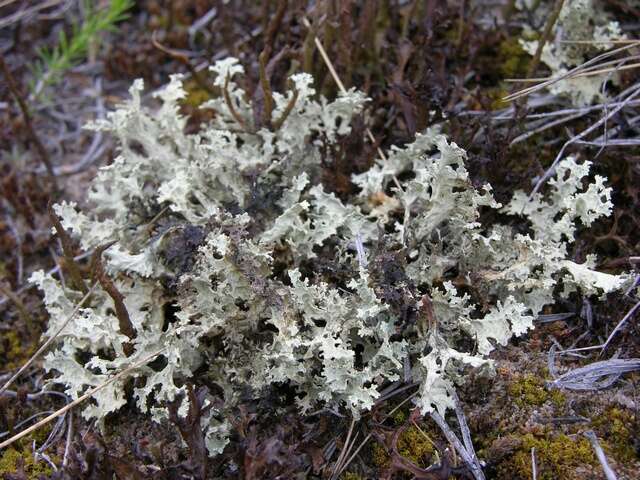
Flavocetraria
Flavocetraria is a genus of lichenized ascomycete fungi in the family Parmeliaceae. The genus contains two species found in arctic-alpine and boreal regions, Flavocetraria cucullata and F. nivalis (syn. Cetraria nivalis).
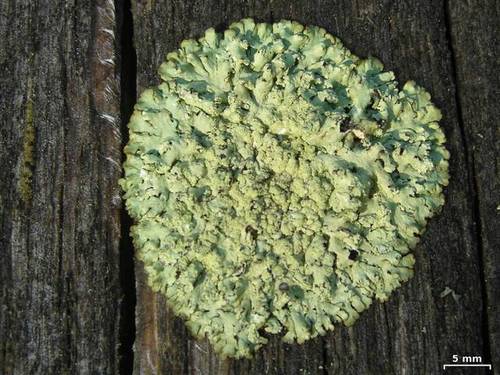
Parmeliopsis
Parmeliopsis is a genus of lichens in the family Parmeliaceae. The genus contains two species. Members of this genus are commonly called bran lichens.

Evernia mesomorpha
species of fungus
.JPG)
Melanelixia
Melanelixia is a genus of foliose lichens in the family Parmeliaceae. It contains 15 Northern Hemisphere species that grow on bark or on wood. The genus is characterized by a pored or fenestrate epicortex (a thin homogeneous polysaccharide layer on the surface of the cortex), and the production of lecanoric acid as the primary chemical constituent of the medulla. Melanelixia was circumscribed in 2004 as a segregate of the related genus Melanelia.

Parmelina tiliacea
species of fungus
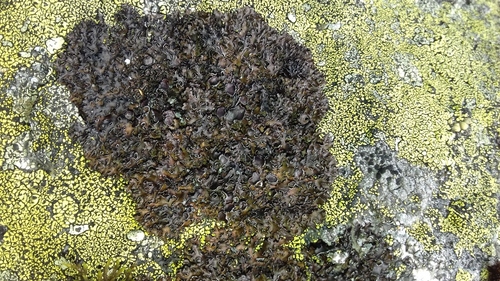
Cetrariella
Cetrariella is a genus of foliose lichens in the family Parmeliaceae. It contains three species.

Allantoparmelia
Allantoparmelia is a genus of lichenised fungi in the large family Parmeliaceae. It is a genus of only three currently accepted species. All three Allantoparmelia lichens have a foliose growth form. They appear to be a very slow growing group of lichens, with a mean annual thallus diameter increase of only 0.23–0.35 mm per year.

Protoparmelia
Protoparmelia is a genus of lichenized fungi in the family Parmeliaceae. The genus has a widespread distribution, and contains 11 species. Protoparmelia was circumscribed by French lichenologist Maurice Choisy in 1929.

Evernia divaricata
species of fungus

Platismatia
Platismatia is genus of medium to large foliose lichens in the family Parmeliaceae. The genus is widespread and contains 11 species. They resemble many other genera of foliose lichens in the Parmeliaceae, particularly Parmotrema, Cetrelia, and Asahinea. Most species are found in forests on the trunks and branches of conifer trees, although some species grow on rocks.

Allocetraria
Allocetraria is a genus of lichenized fungi in the family Parmeliaceae. It consists of 12 species, with a center of distribution in China.
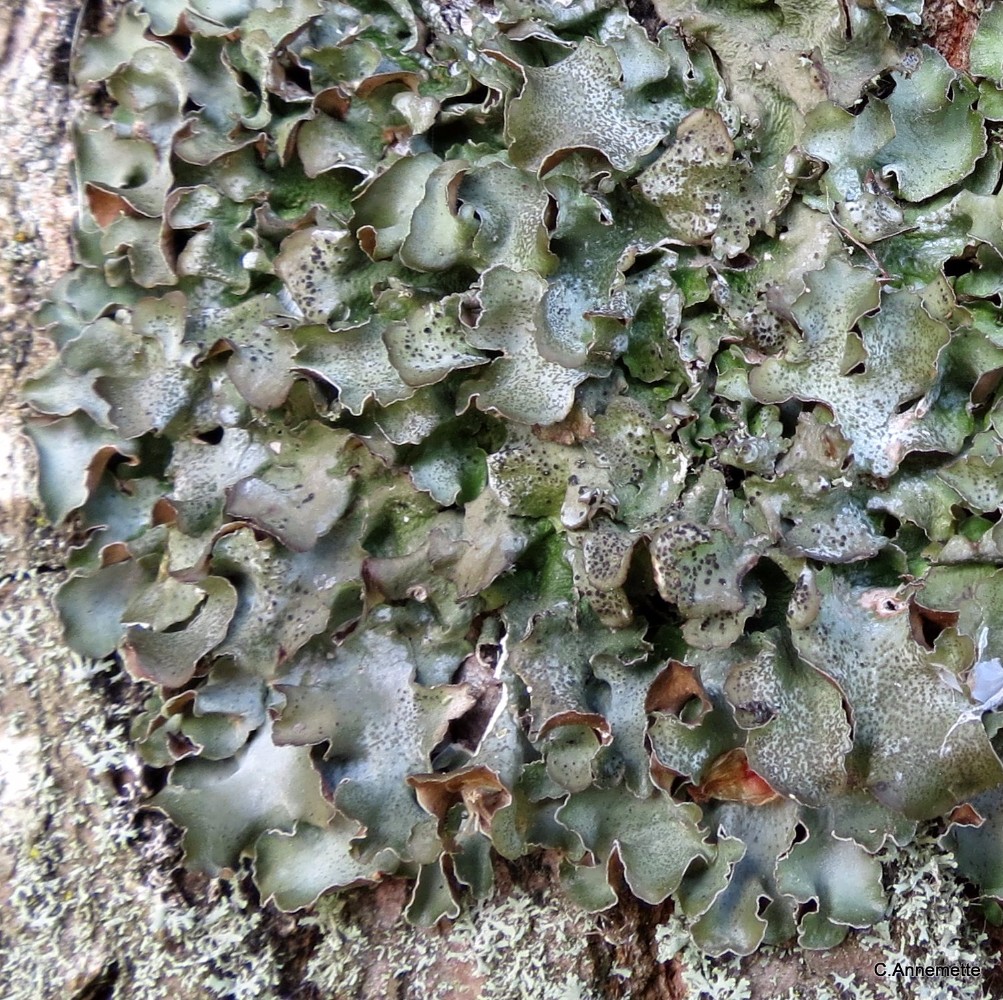
Pleurosticta acetabulum
species of fungus
Melanelia stygia
species of fungus

Parmelina
Parmelina is a genus of lichen belonging to the family Parmeliaceae. The genus was circumscribed in 1974 by American lichenologist Mason Hale with Parmelina tiliacea assigned as the type species.
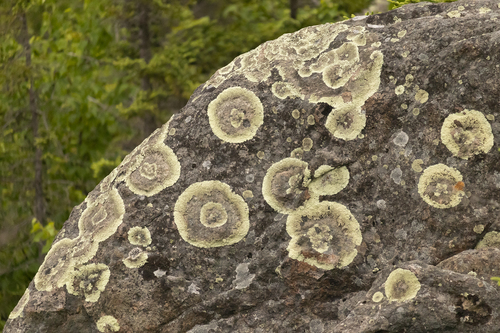
Arctoparmelia
Arctoparmelia is a genus of foliose lichens in the family Parmeliaceae. Established in 1986, the genus comprises five species of rock-dwelling lichens found primarily in arctic and boreal regions of the Northern Hemisphere. These lichens are characterized by their distinctive velvety or ivory-white to pale brown lower surfaces, concentric growth patterns, and unique chemistry, including the presence of alectoronic acid and negative reactions to iodine-based tests. Arctoparmelia species, commonly known as ring lichens, vary in size from small thalli to specimens up to in diameter, and typically

Anzia
Anzia is a genus of foliose lichens known as black-foam lichens in the large family Parmeliaceae. It was formerly included in the monogeneric family Anziaceae, but this has since been subsumed into the Parmeliaceae.

Pseudevernia
Pseudevernia is a genus of foliose lichens in the family Parmeliaceae. The type species of the genus, Pseudevernia furfuracea (commonly known as tree moss), has substantial commercial value in the perfume industry.

Pseudephebe
Pseudephebe is a genus of fruticose lichens in the family Parmeliaceae. It contains three species that grow on rocks.

Imshaugia
Imshaugia is a genus of seven species of foliose lichens in the family Parmeliaceae. They are commonly known as starburst lichens.
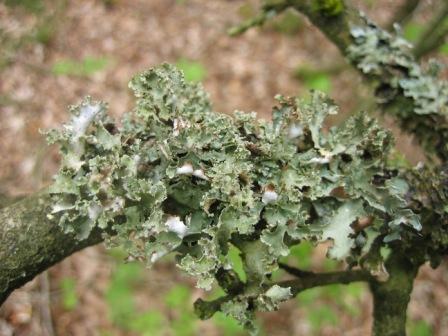
Platismatia glauca
species of fungus

Dolichousnea longissima
species of fungus

Sulcaria
Sulcaria is a genus of three species of fruticose lichens in the family Parmeliaceae. Sulcaria was circumscribed by lichenologist Jan Bystrek in 1971. These lichens form hair-like or rope-like structures that hang from or grow upright on tree bark, with branches that develop distinctive lengthwise grooves as they age. They reproduce through disc-shaped fruiting bodies that contain large, dark brown spores with two unequal cells.
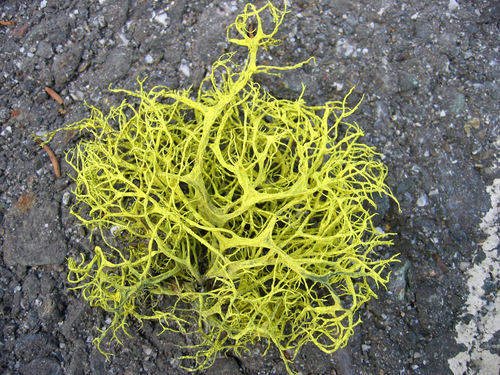
Letharia
Letharia is a genus of fruticose lichens belonging to the family Parmeliaceae. Molecular phylogenetics studies have revealed that what were once considered just two species actually represent at least several distinct evolutionary lineages, with western North America serving as the centre of diversity for the group. These lichens typically grow on sun-exposed wood and bark of coniferous trees, growing in dry habitats where they receive moisture from dew or fog.
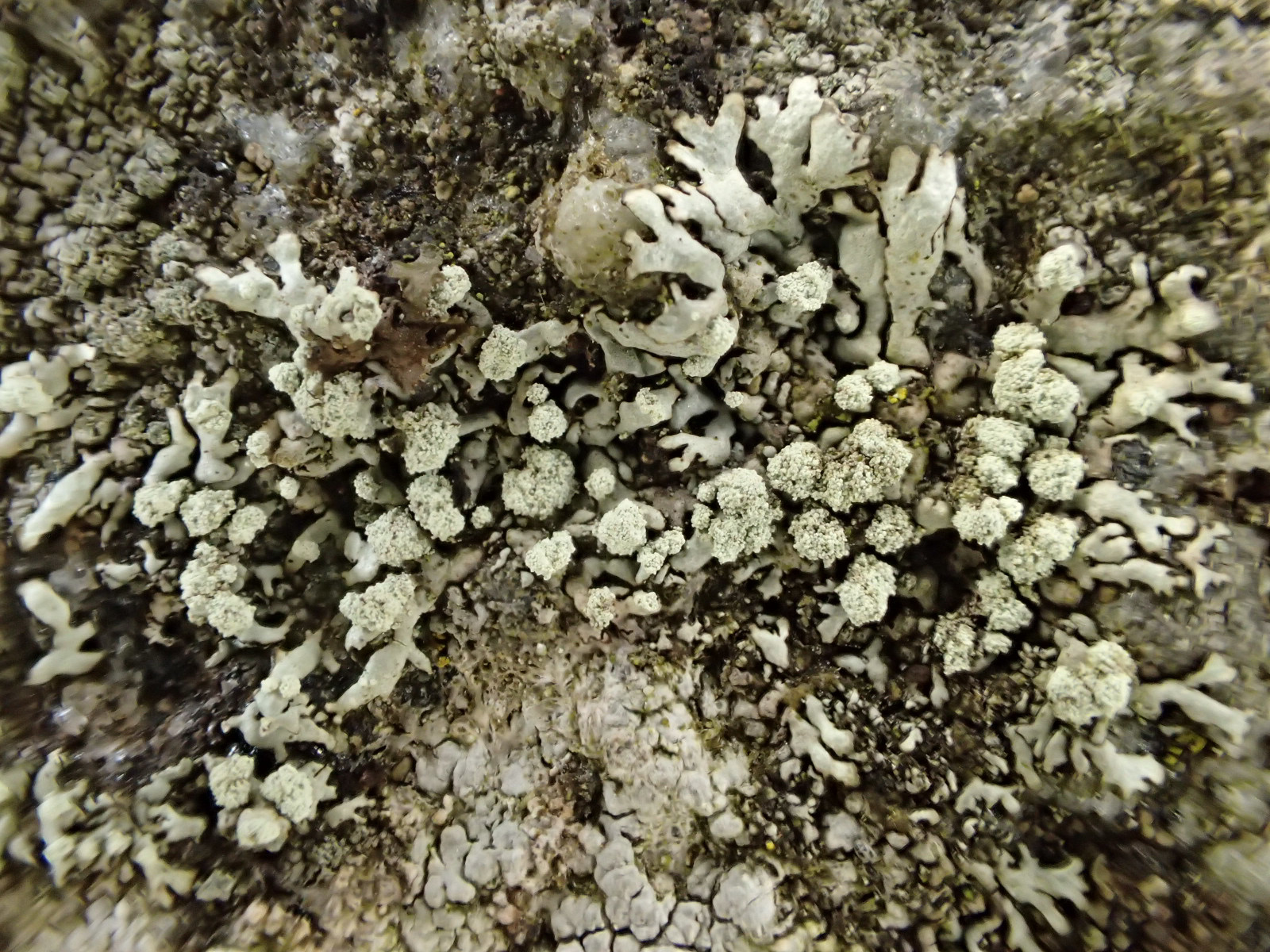
Arctoparmelia incurva
species of fungus

Oropogon
Oropogon is a genus of lichen-forming ascomycetes in the large family Parmeliaceae. It is a genus of roughly 40 currently accepted species. It was previously included in the family Alectoriaceae, but this group has since been subsumed into the Parmeliaceae.
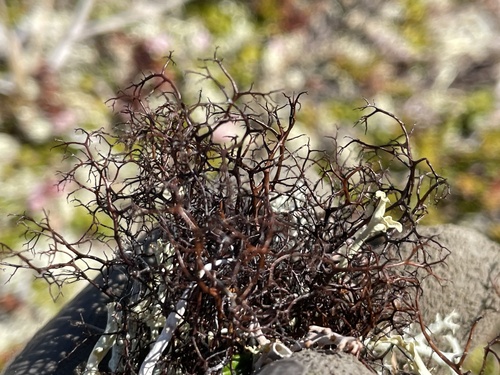
Bryocaulon
Bryocaulon is a small genus of lichen-forming fungi in the family Parmeliaceae. The genus has a widespread distribution in north temperate regions, and contains four species. These lichens form shrub-like tufts with cylindrical branches that are covered in tiny white pores for gas exchange. They are found mainly in cold regions of the Northern Hemisphere, particularly in arctic and mountainous areas where they grow on acidic bark and rocks.

Brodoa
Brodoa is a genus of three species of foliose lichens in the family Parmeliaceae. The genus, circumscribed in 1986 by Trevor Goward, is named in honour of the lichenologist Irwin Brodo.
Bulbothrix cinerea
species of lichenized fungus
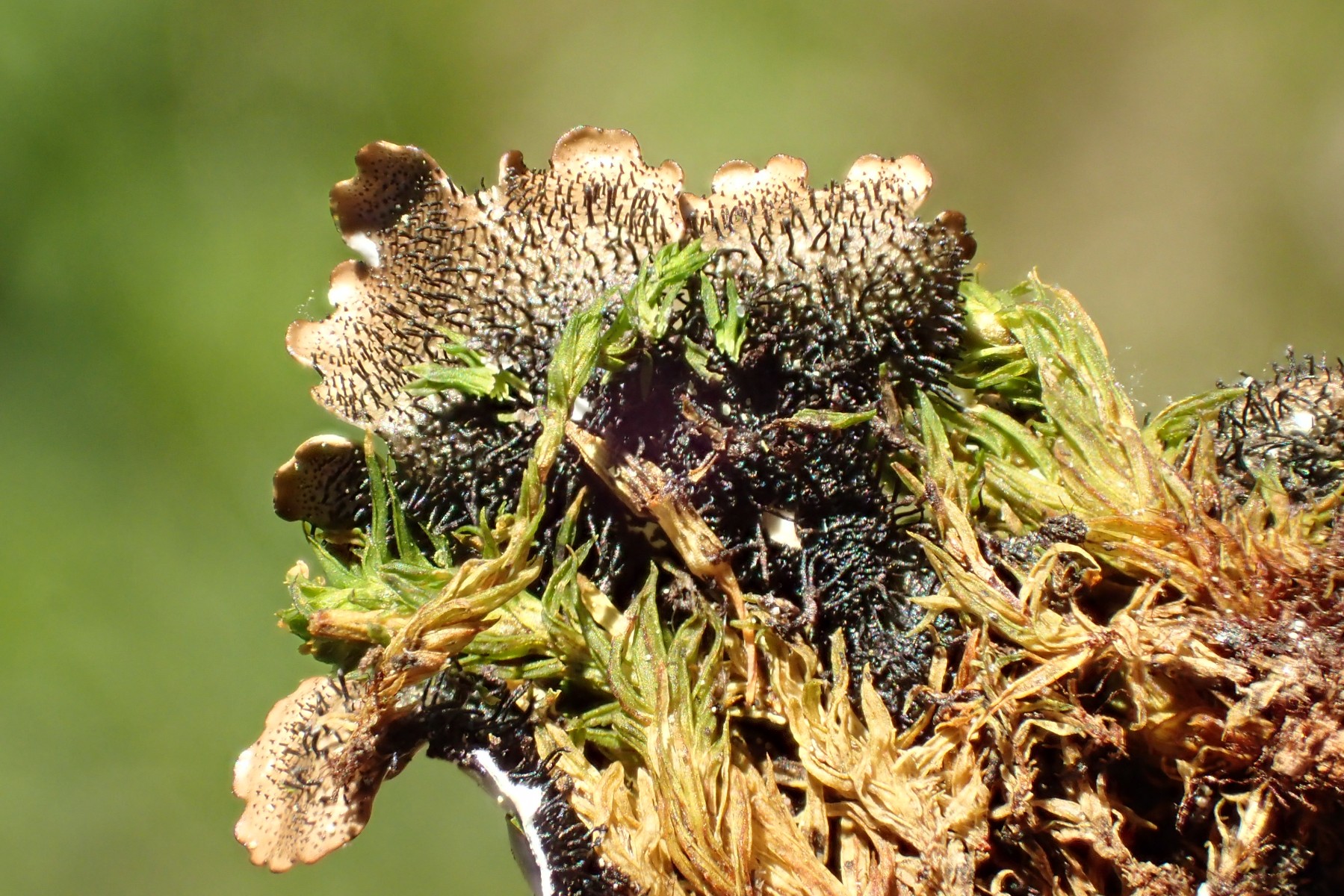
Parmelina pastillifera
species of fungus

Nephromopsis
Nephromopsis is a genus of lichenized fungi within the Parmeliaceae family.

Nephroma arcticum
species of fungus

Pleurosticta
Pleurosticta is a small genus of foliose lichens belonging to the family Parmeliaceae. It has two species.

Tuckermanopsis
Tuckermannopsis is a genus of lichen-forming fungi in the family Parmeliaceae. The genus contains about twelve species of foliose (leafy) to somewhat fruticose (bushy) lichens with brownish or greenish thalli. Species in Tuckermannopsis are found primarily in temperate and boreal regions of the Northern Hemisphere, with centres of diversity in western North America and East Asia. Members of the genus are distinguished by their growth form, with reproductive structures largely restricted to the margins of the , and the absence of usnic acid in their upper .
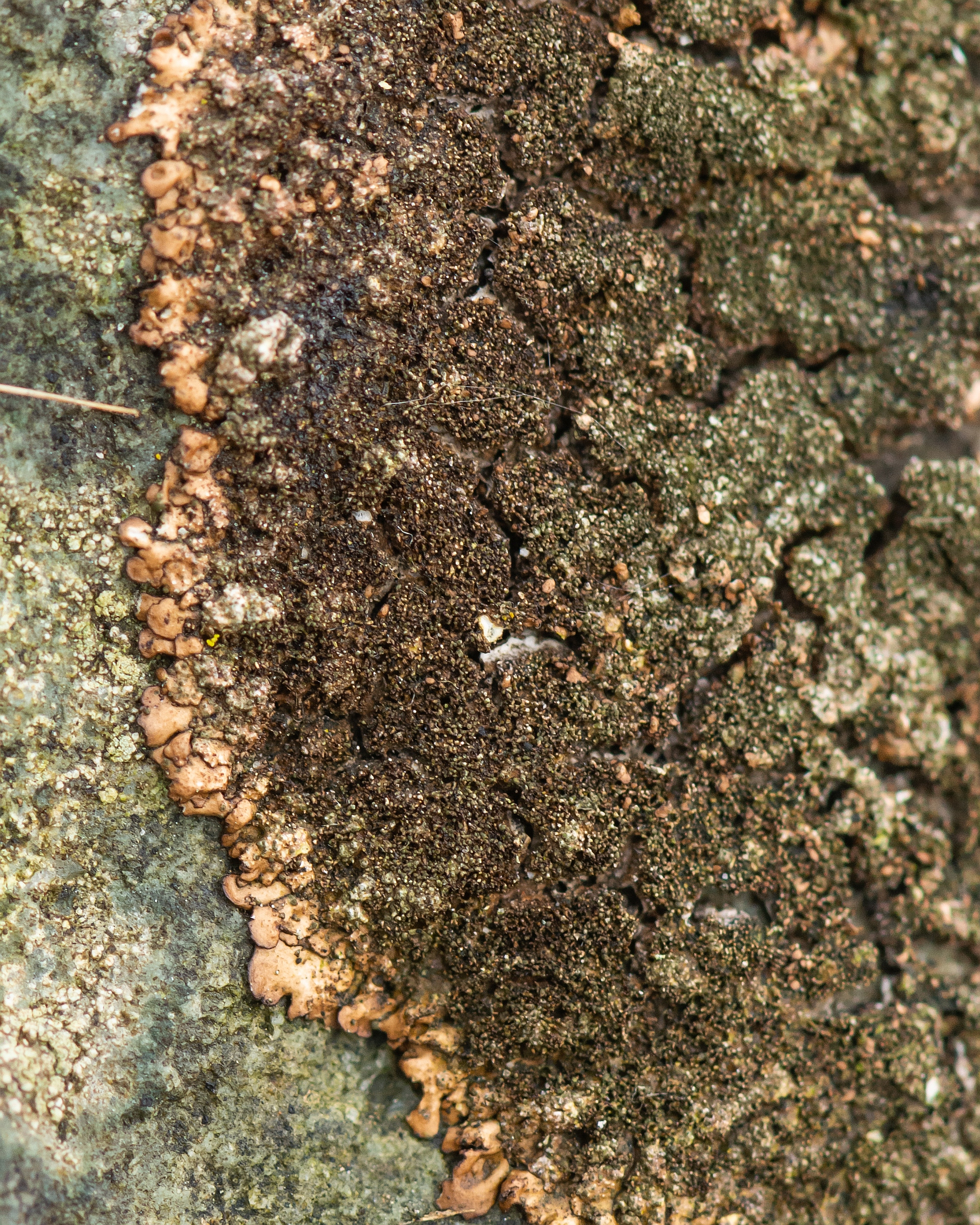
Melanelixia fuliginosa
species of fungus
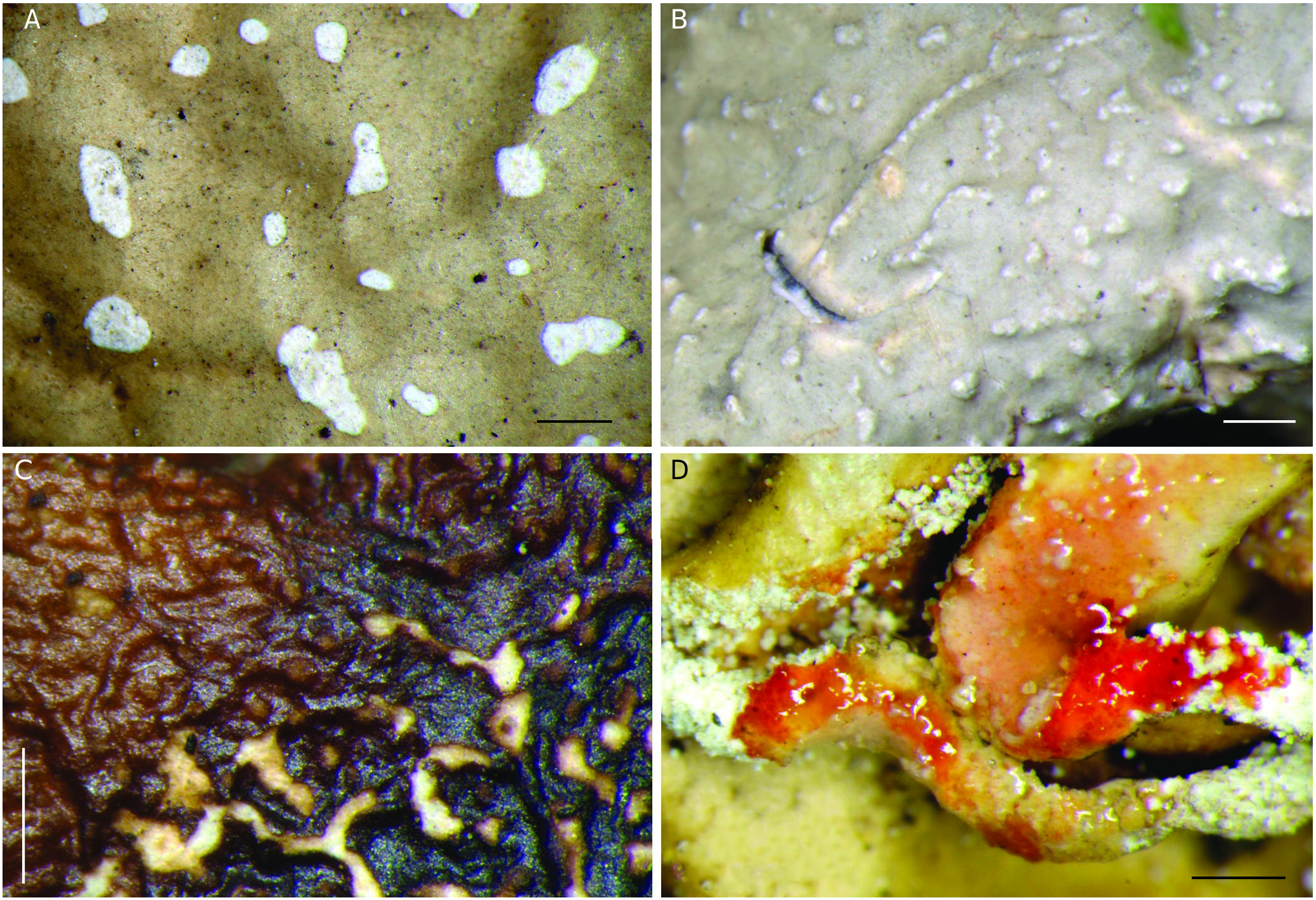
Cetrelia cetrarioides
species of fungus
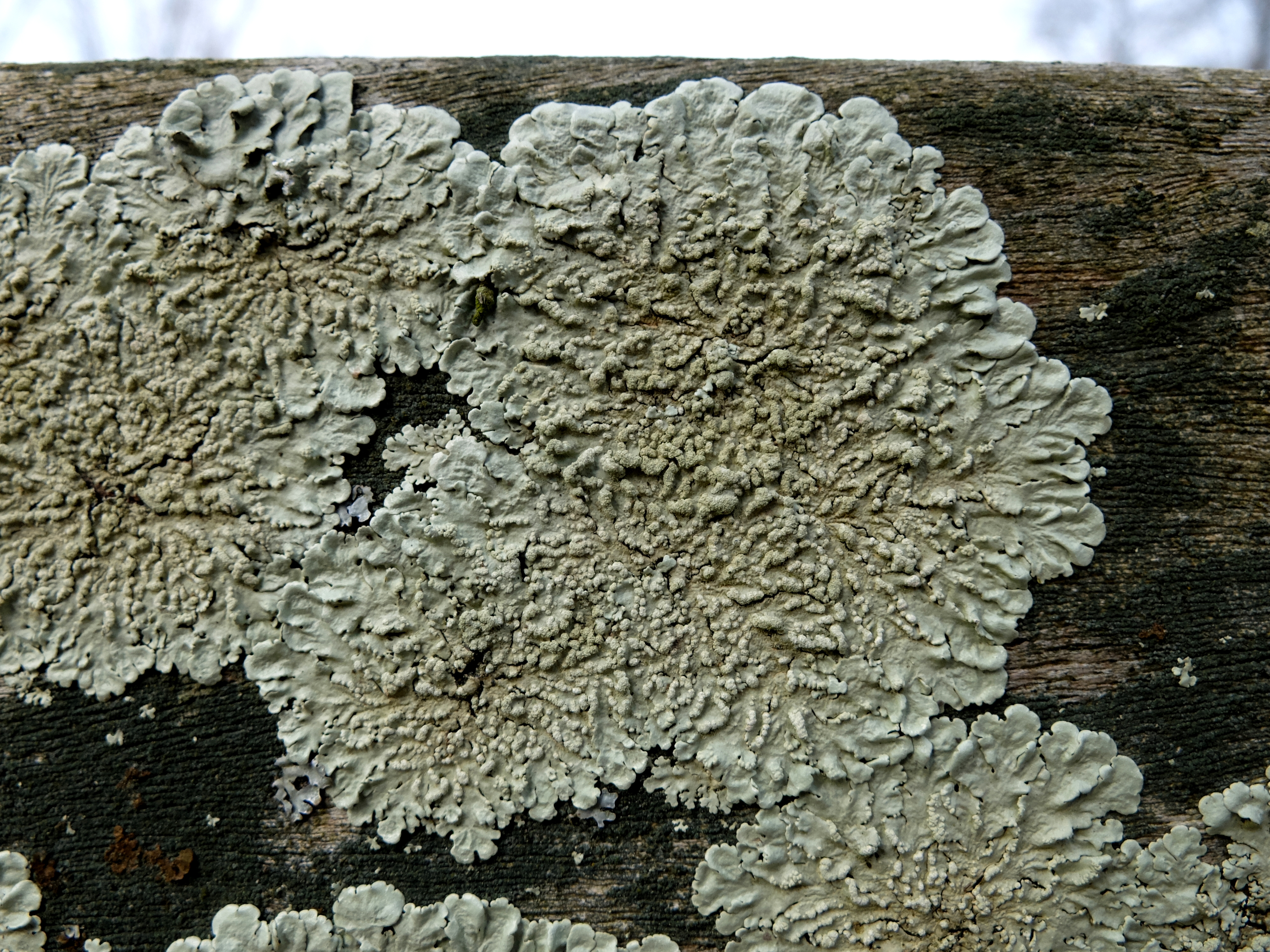
Flavoparmelia soredians
species of fungus
Tuckneraria
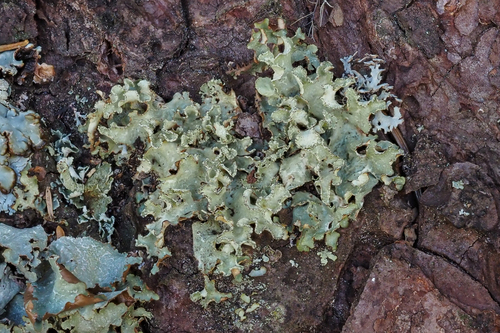
Tuckneraria is a genus of lichen-forming fungi in the family Parmeliaceae.
Myelochroa
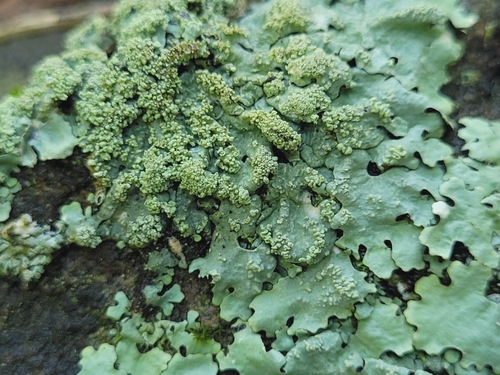
Myelochroa is a genus of foliose lichens in the family Parmeliaceae. They are commonly known as axil-bristle lichens. It was created in 1987 to contain species formerly placed in genus Parmelina that had a yellow-orange medulla due to the presence of secalonic acids. Characteristics of the genus include tightly attached thalli with narrow lobes, cilia on the axils, and a rhizinate black lower surface. Chemical characteristics are the production of zeorin and related triterpenoids in the medulla. Myelochroa contains about 30 species, most of which grow on bark. The genus has centres of distribu

Arctoparmelia centrifuga
species of fungus
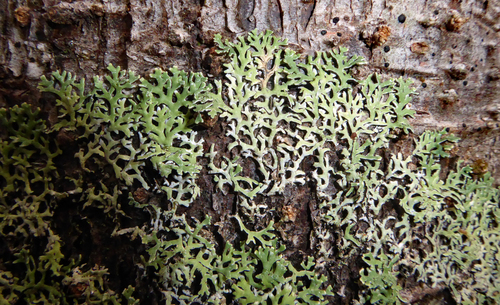
Anzia entingiana
species of fungus

Canoparmelia
Canoparmelia is a genus of lichen-forming fungi in the family Parmeliaceae. The widespread genus contains about 35 species. Canoparmelia, a segregate of the parmelioid lichen genus Pseudoparmelia, was circumscribed by John Elix and Mason Hale in 1986.
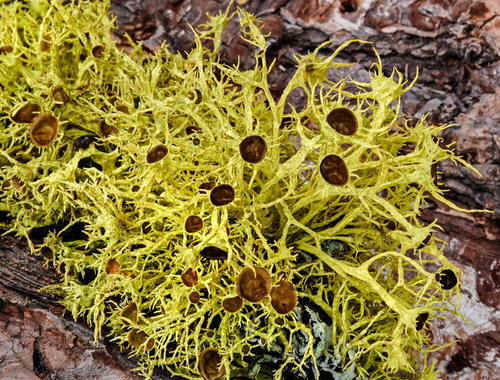
Letharia columbiana
species of fungus
Phacopsis
Phacopsis is a genus of lichenicolous (lichen-dwelling) fungi. They are parasites of members of the large lichen family Parmeliaceae, of which they are also a member. Originally proposed by Edmond Tulasne in 1852 to contain 3 species, Phacopsis now contains 10 species, although historically, 33 taxa have been described in the genus. Many of the species are poorly known, some of them having been documented only from the type specimen.

Pseudephebe minuscula
species of fungus

Lethariella
Lethariella is a genus of fruticose lichens in the family Parmeliaceae. The genus was originally proposed as a subgenus of Usnea by Polish lichenologist Józef Motyka in his 1936 monograph of that genus. Norwegian botanist Hildur Krog elevated the taxon to generic status in 1976.

Flavoparmelia baltimorensis
species of fungus