Category
page 1Pediatrics
measles
Measles (probably from Middle Dutch or Middle High German masel(e), meaning "blemish, blood blister") is a highly contagious, vaccine-preventable infectious disease caused by measles virus. Other names include morbilli, rubeola, 9-day measles, red measles, and English measles.

chickenpox
Chickenpox, also known as varicella ( ), is a highly contagious disease caused by varicella zoster virus (VZV), a member of the herpesvirus family. The disease results in a characteristic skin rash that forms small, itchy blisters, which eventually scab over. It usually starts on the chest, back, and face. It then spreads to the rest of the body. The rash and other symptoms, such as fever, tiredness, and headaches, usually last five to seven days. Complications may occasionally include pneumonia, inflammation of the brain, and bacterial skin infections. The disease is usually more severe in ad

pertussis
human disease caused by the bacteria Bordetella pertussis

gastroenteritis
Gastroenteritis, also known as infectious diarrhea, is an inflammation of the gastrointestinal tract including the stomach and intestine. Symptoms may include diarrhea, vomiting, and abdominal pain. Fever, lack of energy, and dehydration may also occur. This typically lasts less than two weeks. Although it is not related to influenza, in Canada and the United States it is often referred to as "stomach flu".

mumps
Mumps is a highly contagious, vaccine-preventable viral disease caused by the mumps virus. Initial symptoms of mumps are non-specific and include fever, headache, malaise, muscle pain, and loss of appetite. These symptoms are usually followed by painful swelling around the side of the face (the parotid glands, called parotitis), which is the most common symptom of a mumps infection. Symptoms typically occur 16 to 18 days after exposure to the virus. About one-third of people with a mumps infection do not have any symptoms (asymptomatic).

pediatrics
Pediatrics (American English), also spelled paediatrics (British English), also known as underage medicine, is the branch of medicine that involves the medical care of infants, children, adolescents, and young adults. Within the Commonwealth, pediatrics covers patients until the age of 18, except in India where the pediatric age is 12. The American Academy of Pediatrics recommends people seek pediatric care through the age of 21, but some pediatric subspecialists continue to care for adults up to 26, depending on insurance coverage for young adults who reside with parents. Worldwide age limits

rubella
Rubella, also known as German measles or three-day measles, is a vaccine-preventable infection caused by the rubella virus. This disease is often mild, with half of people not realizing that they are infected. A rash may start around two weeks after exposure and last for three days. It usually starts on the face and spreads to the rest of the body. The rash is sometimes itchy and is not as bright as that of measles. Swollen lymph nodes are common and may last a few weeks. A fever, sore throat, and fatigue may also occur. Joint pain is common in adults. Complications may include bleeding proble

scarlet fever
human disease

celiac disease
long term autoimmune disorder caused by a reaction to gluten

croup
Croup ( ), also known as croupy cough, is a type of respiratory infection that is usually caused by a virus. The infection leads to swelling inside the trachea, which interferes with normal breathing and produces the classic symptoms of "barking/brassy" cough, inspiratory stridor, and a hoarse voice. Fever and runny nose may also be present. These symptoms may be mild, moderate, or severe. It often starts or is worse at night and normally lasts one to two days.

Rotavirus
Rotaviruses are the most common cause of diarrhoeal disease among infants and young children. Nearly every child in the world is infected with a rotavirus at least once by the age of five. Immunity develops with each infection, so subsequent infections are less severe. Adults are rarely affected.
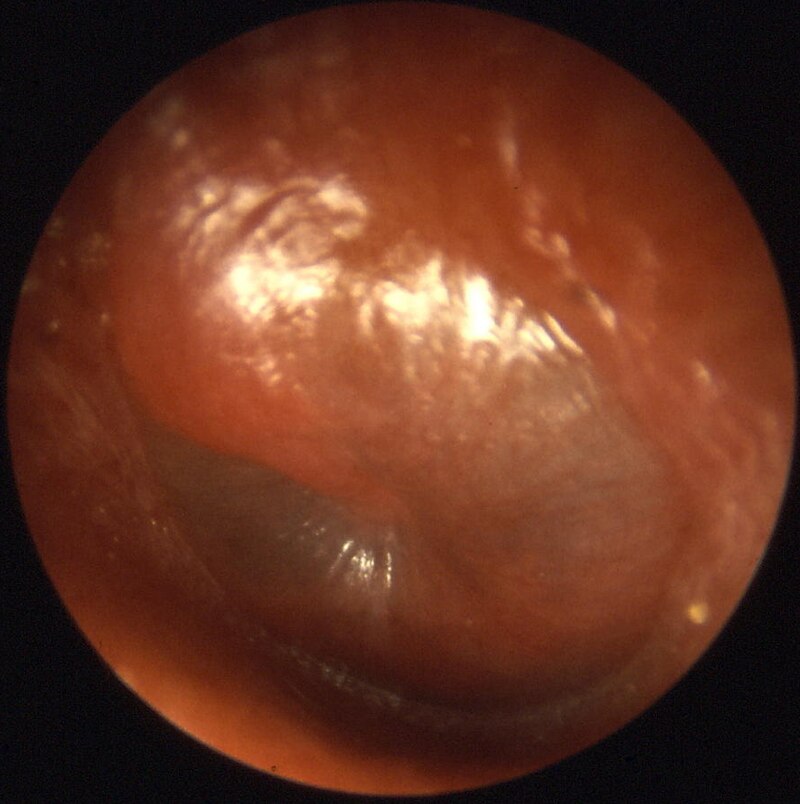
otitis media
otitis, processo that involves inflammation and accumulation of fluid of the middle ear

hydrocephalus
Hydrocephalus is a condition in which cerebrospinal fluid (CSF) builds up within and/or around the brain, which can cause pressure to increase in the skull. Symptoms may vary according to age. Headaches and double vision are common. Elderly adults with normal pressure hydrocephalus (NPH) may have poor balance, difficulty controlling urination or mental impairment. In babies, there may be a rapid increase in head size. Other symptoms may include vomiting, sleepiness, seizures, and downward pointing of the eyes.

rheumatic fever
post-streptococcal inflammatory disease that can involve the heart, joints, skin, & brain

Kawasaki disease
human disease in which blood vessels throughout the body become inflamed

nephrotic syndrome
Human disease

lumbar puncture
procedure to collect cerebrospinal fluid

nocturnal enuresis
involuntary urination while asleep
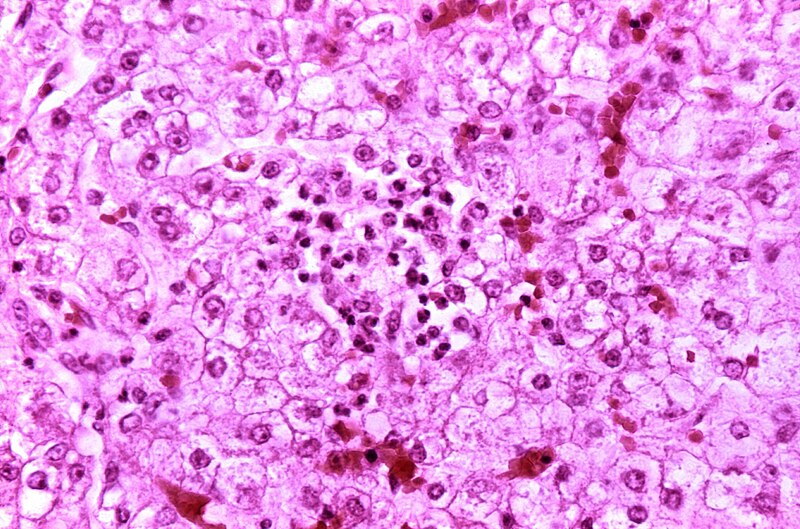
Reye syndrome
syndrome characterized by acute brain damage and liver function problems

impetigo
.jpg)
exanthema subitum
Roseola, also known as sixth disease, is an infectious disease caused by certain types of human herpes viruses. Most infections occur before the age of three. Symptoms vary from absent to the classic presentation of a fever of rapid onset followed by a rash. The fever generally lasts for three to five days, while the rash is generally pink and lasts for less than three days. Complications may include febrile seizures, with serious complications being rare.

menarche
Menarche ( ; ) is the first menstrual cycle, or first menstrual bleeding, in female humans. From both social and medical perspectives, it is often considered the central event of female puberty, as it signals the possibility of fertility. Girls experience menarche at different ages, but the most common age is 12. Having menarche occur between the ages of 9–14 in the West is considered normal.

baby colic
medical condition

osteomalacia
Osteomalacia is a disease characterized by the softening of the bones caused by impaired bone metabolism primarily due to inadequate levels of available phosphate, calcium, and vitamin D, or because of resorption of calcium. The impairment of bone metabolism causes inadequate bone mineralization.
Gilbert syndrome
metabolic disorder in which the liver processes bilirubin slowly
bronchiolitis
erythema infectiosum
Human disease
febrile seizure
seizure associated with a high body temperature
juvenile rheumatoid arthritis
rheumatoid arthritis that involves an autoimmune disease onset in children under 16 which attacks the healthy cells and tissue of located in joint
Henoch-Schoenlein purpura
Human disease
spermatic cord torsion
spermatic cord (from which the testicle is suspended) twists, cutting off the testicle's blood supply
otitis externa
inflammation of the outer ear and ear canal.

homesickness
thumb|Homesick for Naples (1895), painting by Bertha Worms
Homesickness is the distress caused by being away from home. Its cognitive hallmark is preoccupying thoughts of home and attachment objects. Sufferers typically report a combination of depressive and anxious symptoms, withdrawn behavior and difficulty focusing on topics unrelated to home. Experienced by children and adults, the affected person may be taking a short trip to a nearby place, such as summer camp, or they may be taking a long trip or have moved to a different country.

Parvovirus B19
human virus
pediatric multisystem inflammatory syndrome
systemic inflamation in children, connected to COVID-19
Tanner scale
physical development scale of children, adolescents, and adults
foramen ovale
in the fetal heart allows blood to enter the left atrium from the right atrium.
primitive reflex
reflex actions exhibited by normal infants, but not neurologically intact adults, in response to particular stimuli
precocious puberty
human disease
toilet training
process of training someone, particularly a young child, to use the toilet for urination and defecation
delayed puberty
human disease
hypotonia
Hypotonia is a state of low muscle tone (the amount of tension or resistance to stretch in a muscle), often involving reduced muscle strength. Hypotonia is not a specific medical disorder, but it is a potential manifestation of many different diseases and disorders that affect motor nerve control by the brain or muscle strength. Hypotonia is a lack of resistance to passive movement whereas muscle weakness results in impaired active movement. Central hypotonia originates from the central nervous system, while peripheral hypotonia is related to problems within the spinal cord, peripheral nerves,
tooth development
process by which teeth form
congenital rubella syndrome
human disease
neophobia
Neophobia is the fear of anything new. In its milder form, it can manifest as the unwillingness to try new things or break from routine. In the context of human children, the term is generally used to indicate a tendency to reject unknown or novel foods. Food neophobia, as it may be referred to, is an important concern in pediatric psychology.

thelarche
thumb|Tanner scale of female breast development
Thelarche, also known as breast budding, is the onset of secondary breast development, often representing the beginning of pubertal development. It is the stage at which male and female breasts differentiate due to variance in hormone levels; however, some males have a condition in which they develop breasts, which is called gynecomastia. Thelarche typically occurs between the ages of 8 and 13 years with significant variation between individuals. However, the initial growth of breast tissue occurs during fetal development. It is usually the first
cognitive deficit
medical condition

hypertonia
Hypertonia is a term sometimes used synonymously with spasticity and rigidity in the literature surrounding damage to the central nervous system, namely upper motor neuron lesions. Impaired ability of damaged motor neurons to regulate descending pathways gives rise to disordered spinal reflexes, increased excitability of muscle spindles, and decreased synaptic inhibition. These consequences result in abnormally increased muscle tone of symptomatic muscles. Some authors suggest that the current definition for spasticity, the velocity-dependent overactivity of the stretch reflex, is not sufficie
Nursemaid's elbow
traumatic condition
herpesviral encephalitis
encephalitis associated with herpes simplex virus
fetus in fetu
fetus-like tissue mass within a fetus, abnormality of twin pregnancy
cyclic vomiting syndrome
human disease

rhabdomyoma
A rhabdomyoma is a benign tumor of striated muscle. Rhabdomyomas may be either cardiac or extracardiac (occurring outside the heart). Extracardiac forms of rhabdomyoma are sub-classified into three distinct types: adult type, fetal type, and genital type.
Covid-19 in children
COVID-19 in children
growing pains
soreness in a child's legs that often occurs at night
Labial fusion
human gynekological disease
age determination by skeleton
establishment of the age of a human individual (for example by examination of their skeletal structure)
posterior urethral valve
congenital disorder of urinary system
transient synovitis of hip
medical condition
periodic fever, aphthous stomatitis, pharyngitis and adenitis
PFAPA (Periodic fever - aphthous stomatitis- pharyngitis - adenopathy) syndrome is an auto inflammatory syndrome characterized by recurrent febrile episodes associated with aphthous stomatitis, pharyngitis and cervical adenitis